The Wheel of the Year is a yearly cycle of eight seasonal festivals, observed in modern Pagan, Wiccan and Druid traditions and by many people who simply love to live in rhythm with nature. The eight festivals, or sabbats, are Samhain, Yule, Imbolc, Ostara, Beltane, Litha, Lughnasadh and Mabon. Together they mark the solstices, the equinoxes and the four cross-quarter days in between.
This guide explains what the Wheel of the Year is, where it comes from, the date and meaning of each pagan holiday, how to read the cycle spiritually, and simple ways to keep each festival in 2026. Samhain, the Pagan new year, has its own full guide: read Samhain: Meaning, History, Rituals and How to Celebrate.
Key Takeaways
- What it is. An eight-spoke calendar of seasonal festivals that follows the sun’s journey and the rhythms of the land.
- The eight sabbats. Samhain, Yule, Imbolc, Ostara, Beltane, Litha, Lughnasadh and Mabon.
- Four solar, four fire. The solstices and equinoxes are solar festivals. Samhain, Imbolc, Beltane and Lughnasadh are the older Gaelic cross-quarter fire festivals.
- Where it comes from. Gaelic seasonal customs and Germanic and other European traditions, woven into one modern cycle in the twentieth century.
- Hemispheres differ. In the Southern Hemisphere, the dates are shifted by about six months so that they match the local seasons.
- How to use it. Treat each festival as a monthly invitation to notice the season, set an intention and honor what is changing, in your own way.
Ghost Lore and Afterlife Audiobooks for Samhain on Next Level Soul TV
Samhain is the season of the thin veil. These audiobooks on Next Level Soul TV (members) explore ghost lore and contact with the departed.


What Is the Wheel of the Year?
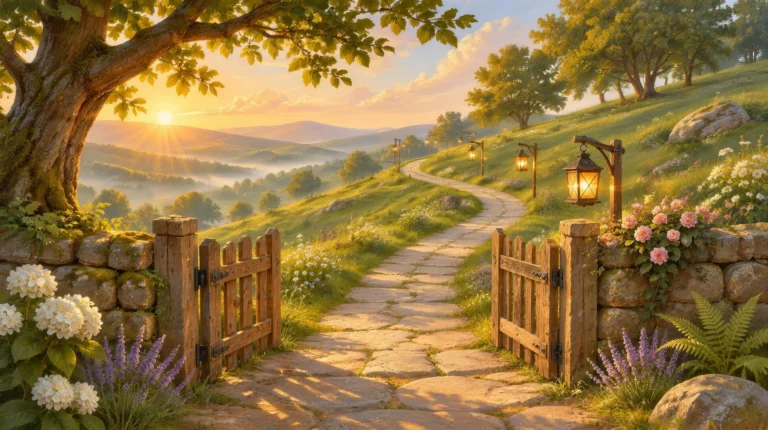
The Wheel of the Year is a symbol and a calendar. Picture a wheel with eight spokes, each marking a turning point in the sun’s yearly path and in the cycle of life on earth: growth, bloom, harvest, rest and return. Pagans celebrate each spoke with simple rituals, feasts, fires and gratitude, turning the year into a spiritual practice.
The concept appeals to many people outside any formal religion because it asks nothing more than attention. It invites you to notice the light, the weather, the harvest and your own inner season, and to live in cooperation with them.
Where the Wheel of the Year Comes From
The eight-festival wheel is a modern synthesis. Older European traditions marked solstices, equinoxes and fire festivals at different times and in different places. In Gaelic lands, the four cross-quarter festivals were Samhain, Imbolc, Beltane and Lughnasadh, and the solstices were widely observed across Europe. In the mid-twentieth century, figures in the emerging Wiccan and Druid revival, including Gerald Gardner and Ross Nichols, combined these into the eight-part cycle that is used today.
That history matters. The wheel does not claim to be a single ancient religion practiced unchanged for thousands of years. It is a living practice that draws on old customs and keeps evolving. Many people find it more powerful to hold it that way: honest about its recent shape, and rooted in the very old human habit of celebrating the turning year.
The Eight Pagan Holidays at a Glance
| Festival | Northern Hemisphere | Southern Hemisphere | Type | Theme |
|---|---|---|---|---|
| Samhain | Oct 31 to Nov 1 | Apr 30 to May 1 | Cross-quarter | Endings, ancestors, the thin veil |
| Yule | Dec 21 (winter solstice) | Jun 21 | Solstice | Rebirth of the light |
| Imbolc | Feb 1 to 2 | Aug 1 to 2 | Cross-quarter | First stirrings, purification |
| Ostara | Mar 20 (spring equinox) | Sep 22 to 23 | Equinox | Balance, new growth |
| Beltane | Apr 30 to May 1 | Oct 31 to Nov 1 | Cross-quarter | Fertility, fire, joy |
| Litha | Jun 21 (summer solstice) | Dec 21 | Solstice | Peak of the light |
| Lughnasadh | Aug 1 | Feb 1 | Cross-quarter | First harvest, gratitude |
| Mabon | Sep 22 to 23 (autumn equinox) | Mar 20 to 21 | Equinox | Second harvest, balance |
Solstice and equinox dates shift by a day depending on the year and your time zone, so check an almanac for the exact moment if you want to be precise.
The Sabbats, One by One
1. Samhain: The Witches’ New Year
When: October 31 to November 1 Theme: Endings, ancestors, rest
Samhain opens the dark half of the year. The harvest is in, the days shorten, and many traditions say the veil between the living and the dead grows thin. It is the festival of remembrance and release. Our full guide to Samhain covers the history and rituals, and our guide to the thin veil explores why.
Ways to keep it: Build an ancestor altar, hold a dumb supper, light a candle for loved ones and write a list of what you are ready to release.
2. Yule: The Winter Solstice
When: Around December 21 Theme: Rebirth of the light
Yule marks the longest night and the sun’s return. From here the days slowly lengthen. Many modern winter customs, such as evergreen boughs, candles, the Yule log and gift-giving, echo older midwinter celebrations across Europe.
Ways to keep it: Light a candle at dusk and let it burn through the evening, bring evergreens into the home, share a meal with loved ones and set an intention for the returning light.
3. Imbolc: First Stirrings
When: February 1 to 2 Theme: Purification and promise
Imbolc is the first sign of spring in the old Gaelic year, when lambs are born and milk returns. In Irish tradition it is linked with Brigid, a goddess and later a saint associated with hearth, healing and poetry. It is a festival of light and early hope.
Ways to keep it: Clean your home, light candles at every window, plant seeds on a windowsill and write down what you hope to grow this year.
4. Ostara: The Spring Equinox
When: Around March 20 Theme: Balance and new growth
At the equinox, day and night are equal, and the green world wakes. The name echoes Eostre, a goddess mentioned by the medieval monk Bede, though how widely she was worshiped is debated. The festival is a celebration of fertility, renewal and balance.
Ways to keep it: Walk outside, plant seeds, color eggs or decorate with fresh flowers, and reflect on what balance means for you now.
5. Beltane: Fire and Joy
When: April 30 to May 1 Theme: Fertility, passion and fire
Beltane marks the start of summer in the Gaelic year. Cattle were driven between bonfires for protection, and communities gathered to celebrate with dancing, flowers and fire. It is the counterpart to Samhain, the other doorway of the year.
Ways to keep it: Gather flowers, dance, light a bonfire or candle, and celebrate what is blooming in your life. Honor love in all its forms.
6. Litha: The Summer Solstice
When: Around June 21 Theme: Peak of the light
Litha is the longest day, a high point of sun and energy. Many cultures lit bonfires on midsummer, and sunrise gatherings at sites such as Stonehenge continue the tradition.
Ways to keep it: Rise with the sun, spend the day outside, make a sun-inspired feast, and give thanks for the light you have received.
7. Lughnasadh: The First Harvest
When: August 1 Theme: Gratitude and first fruits
Lughnasadh, closely tied to the English harvest festival of Lammas, marks the first grain harvest. The festival honors the god Lugh and the hard work of bringing in the harvest. It is a time to share abundance and reflect on what your efforts have produced.
Ways to keep it: Bake bread, visit a farmers’ market, share food with neighbors, and write down the “first fruits” of your year so far.
8. Mabon: The Autumn Equinox
When: Around September 22 to 23 Theme: Balance and the second harvest
Mabon is another time of balance, with day and night equal before the dark half of the year begins. The name was popularized in modern times. It is a festival of thanksgiving, apples, wine and the gathering-in of stores.
Ways to keep it: Hold a thanksgiving meal, make a gratitude list, tidy your home for the colder months, and release what no longer serves.
The Spiritual Meaning of the Wheel
The wheel is a map of change. Each festival asks a question that the season is already asking you.
| Season | Inner question |
|---|---|
| Samhain and winter | What am I ready to let go of, and who do I remember? |
| Imbolc | What small light is beginning to stir in me? |
| Ostara and spring | What do I want to plant? |
| Beltane | What brings me joy, and how can I celebrate it? |
| Litha and summer | What am I proud of, and how can I use my strength? |
| Lughnasadh | What have I harvested, and what am I grateful for? |
| Mabon and autumn | What is in balance, and what needs to be put away? |
Astrology and the seasons are old companions. Our guide to astrology, birth charts and cosmic cycles explores how the sun’s path through the year shapes meaning.
How to Start Working With the Wheel
- Learn your local season. Notice sunrise and sunset times, weather and plants where you live.
- Pick one festival. Begin with the next one on the calendar. Don’t try to keep all eight at once.
- Keep it simple. A candle, a walk, a meal, a journal entry.
- Make a seasonal altar. Gather leaves, flowers, stones, fruit or snow that reflect the time of year. See our guide to creating a sacred space at home.
- Journal. Record how you feel and what you notice.
- Share it. Invite family or friends for a seasonal meal.
- Respect traditions. Learn from the cultures whose festivals inspire yours, and avoid treating sacred customs as costume.
The Wheel and Other Calendars
Many seasonal customs overlap across traditions. Yule overlaps with the midwinter season of Christmas. Imbolc falls near Candlemas. Samhain falls beside All Saints and All Souls. Mabon and Lughnasadh echo harvest festivals and Thanksgiving. Rather than competing, these calendars often reflect the same human response to the same turning sun. Read our guides to All Souls Day and the Day of the Dead to see how three traditions meet at the same threshold.
What Next Level Soul Guests Say About Nature, Ancestors and Ritual
Qigong teacher Lee Holden says qigong means working skillfully with energy, and he sees body, mind, emotions and spirit as one energy. Watch his full episode and read the show notes.
Medical anthropologist Alberto Villoldo talks about decades of studying healing with shamans, from the Amazon to the Andes and Himalayas. Watch his episode on the ancient path to healing.
Psychiatrist Dr. Anna Yusim describes the soul as both our interconnectedness and our uniqueness. Listen to her full episode.
Watch: Conversations on Ancient Wisdom, Nature and the Unseen
These Next Level Soul guests explore shamanic healing, working with energy and the meeting point of science and spirit, themes that run through the turning of the year.
Alberto Villoldo: The Ancient Path to Healing Your Body
Medical anthropologist Alberto Villoldo talks about his journey from pharmaceutical research in the Amazon to the Andes and Himalayas, and what he says modern science and shamanic healing share. Watch the full episode and read the show notes.
Lee Holden: The Secret to an Ancient Healing Method
Qigong teacher Lee Holden talks about this ancient practice, releasing tension, and working with the body’s own energy. Watch the full episode and read the show notes.

Dr. Anna Yusim: Mystical Spirituality and Science
Psychiatrist Dr. Anna Yusim shares her perspective on where science and spirituality meet, including how she tells a healing experience from a destabilizing one. Watch the full episode and read the show notes.

Watch More on Next Level Soul TV
Next Level Soul TV has movies and episodes on witchcraft history and the seasons of spirit, including The Souls of the Salem Witches with Marie Manuchehri. Join Next Level Soul TV and keep exploring through the turning year.
Go Deeper with Next Level Soul
- Samhain: Meaning, History, Rituals and How to Celebrate
- What “The Veil Is Thin” Means
- Ancestor Altar and the Dumb Supper
- Smudging: How to Cleanse a Space
- Astrology: Signs, Birth Charts and Cosmic Cycles
- Creating a Sacred Space at Home
- Meditation and Shamanism in the glossary
- The full spiritual glossary
Watch, Listen and Explore on Next Level Soul
If the turning seasons call to you, Next Level Soul TV brings together movies, series, audiobooks, guided meditations, audio courses and full podcast episodes on ancient wisdom, nature and the inner life. You can join Next Level Soul TV, see all NLS Mastery courses and free masterclasses, or give a Next Level Soul TV membership as a gift.
Movies and shows on Next Level Soul TV
- Wisdom from Beyond Summit
- Down to Earth
- Dearly Departed: A Film by Darryl Anka
- Afterlife: What Happens When You Die
Audiobooks
Guided meditations
Audio courses
Related Guides, Interviews and Terms
More guides in this series
- Are Ghosts Real? What Science, Mediums and Experience Say
- Ghost Signs: 12 Signs of a Ghost in Your House and What to Do
- Signs From Deceased Loved Ones: 15 Ways They Say Hello
- Spirit Communication: How to Connect Safely and What to Expect
- Psychic vs Medium: What Is the Difference and Which Do You Need?
- Spirit Guides: Types, Signs and How to Connect With Yours
- Akashic Records Reader: How to Find a Good One
- Lonely After a Spiritual Awakening? Why Friendships Change and What to Do
- Spirituality After Leaving Church: How to Find Your Own Path
- Spiritual Practices for Women Over 50: A Grounded Guide to the Next Chapter
Related reading
- Earthing and Grounding: The Complete Guide to Reconnecting With the Earth
- How to Meditate: A Beginner’s Guide to Stress Relief and Inner Stillness
Podcast episodes to explore
- Ancient Celtic Mysticism with Judy Hilyard
- Crossing the River: Meeting Death with Ritual with Sarah Kerr
- Shamanic Healing with Your Spirit Guides with Julie Kramer
- Spirit Talker – Insights from an Indigenous Psychic Medium with Shawn Leonard
Glossary terms
Look up the key ideas in this guide in the Next Level Soul spiritual glossary: Samhain, Wicca, Paganism, Hecate, Ancestor Veneration, Divination, Witchcraft, Wheel Of The Year, Hunter’s Moon, Ancestral Healing, Beltane, Yule.
Sources and Further Reading
Spirituality for the Rest of Us™
Movies, teachings and community on Next Level Soul TV.
Frequently Asked Questions
What is the Wheel of the Year?
The Wheel of the Year is a yearly cycle of eight seasonal festivals observed in modern Pagan, Wiccan and Druid traditions: Samhain, Yule, Imbolc, Ostara, Beltane, Litha, Lughnasadh and Mabon.
What are the 8 pagan holidays?
Samhain (Oct 31 to Nov 1), Yule (winter solstice), Imbolc (Feb 1 to 2), Ostara (spring equinox), Beltane (Apr 30 to May 1), Litha (summer solstice), Lughnasadh (Aug 1) and Mabon (autumn equinox).
Which pagan holidays are solar festivals and which are fire festivals?
Yule, Ostara, Litha and Mabon are solar festivals marked by the solstices and equinoxes. Samhain, Imbolc, Beltane and Lughnasadh are cross-quarter festivals, rooted in the Gaelic fire festivals.
Where did the Wheel of the Year come from?
Gaelic cross-quarter festivals and solstice customs across Europe were combined into the eight-part cycle in the twentieth century by figures in the Wiccan and Druid revival, including Gerald Gardner and Ross Nichols.
Is the Wheel of the Year ancient?
Its parts draw on old seasonal customs, but the eight-festival cycle as a single system is a modern synthesis. Many people value it as a living practice that continues to evolve.
What is the Pagan new year?
Samhain, October 31 to November 1, is often called the Pagan or Witches’ New Year because it opens the dark half of the year. Read our guide to Samhain.
How do the festivals differ in the Southern Hemisphere?
The dates are shifted by about six months so they match local seasons. For example, Samhain is kept around April 30 to May 1, and Yule around June 21.
Do you have to be Pagan to celebrate the Wheel of the Year?
No. Many people of all backgrounds mark the turning seasons with simple practices such as walks, candles, meals and journaling. Learn about the traditions you borrow from and honor them with respect.
How do I celebrate each sabbat?
Keep it simple: notice the season, light a candle, share a seasonal meal, spend time in nature and set an intention that matches the festival’s theme. Each festival section above has ideas.
What does Samhain have to do with the Wheel of the Year?
Samhain is the festival that opens the dark half of the year and is the doorway between harvest and winter. See our guide to the thin veil for why people connect it to the dead.
What is the difference between a sabbat and an esbat?
A sabbat is one of the eight seasonal festivals of the Wheel of the Year. An esbat is a ritual gathering held at the full or new moon, and is separate from the seasonal cycle.
Go Deeper with NLS Mastery: Your Soul’s Blueprint
Explore the purpose and patterns your soul brought into this life, and how to live in line with them. Karen Bell teaches it in Your Soul’s Blueprint, part of NLS Mastery. Watch the course preview below.