Yes, you can have a rich, grounded spiritual life without a church. Many people do, and many say it becomes more honest once they stop performing it for anyone. If you have walked away from organized religion, by choice or because something broke, this guide shows you how to begin: what you may be feeling, what to keep, simple practices that need no building, how to explore with care, and a gentle seven-day starter.
Maybe you left after decades of faithful service. Maybe a hurt, a doubt or a funeral changed everything. Maybe you still sit in a pew some Sundays and feel nothing at all. You are not alone, and nothing is wrong with you. We will not tell you what to believe. We will not ask you to reject the faith you came from. The path from here is yours.
Key Takeaways
- Leaving church is a real loss. Grief, loneliness, guilt and relief are all normal.
- You can keep prayer, ritual, values and community and set down only what hurt.
- Simple daily practices need no institution: stillness, prayer in your own words, journaling, nature and breath.
- Use discernment with every teacher, and trust your inner knowing alongside wise friends.
- If grief or sadness lingers, reach out to a counselor or a trusted person.
Listen: The Recovering Catholic’s Guide to Spirituality
If you are rebuilding your spiritual life after church, this audiobook is on Next Level Soul TV for members.
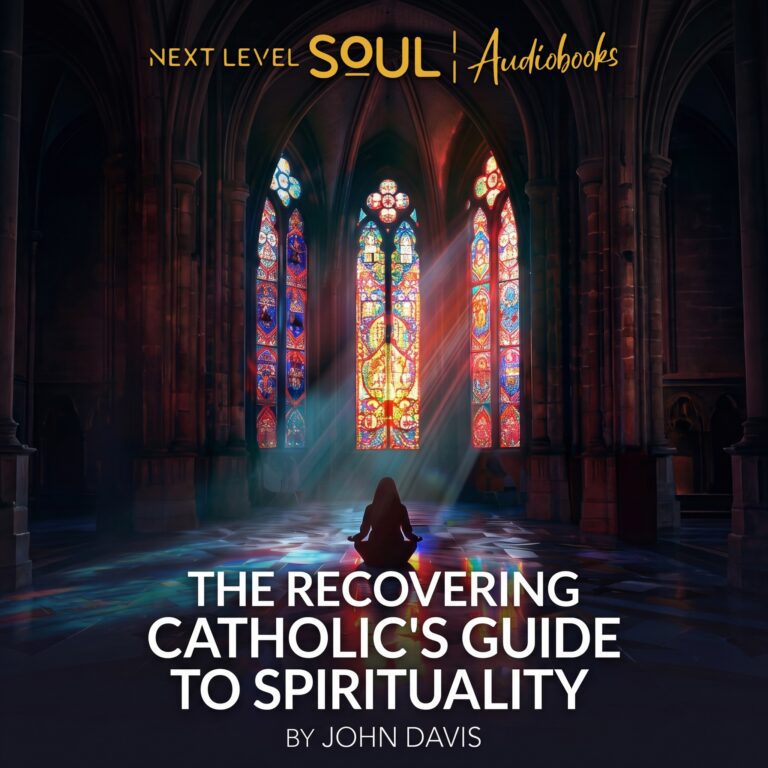
The Recovering Catholic’s Guide to Spirituality
An inspiring journey of rediscovering spirituality through honesty, humor, and heart.
Why People Leave Church
People step away from church for many reasons, and most are quieter than outsiders imagine. Very few leave because they stopped caring about God, love or meaning. Most leave because something in the arrangement stopped holding them.
Here are some of the doors people describe walking through:
- Grief. A death, a diagnosis or a loss that the usual words could not reach. Some say the answers they were given felt too small for the size of the pain.
- Doubt. Questions that grew too loud to ignore, in a community with little room to ask them out loud.
- Hurt. A leader who broke trust, a congregation that judged a divorce, or a hard season when no one showed up.
- Questions. Curiosity about other traditions, about science, or about what happens after we die, that did not fit the teaching on offer.
- Drift. A move, a new job, a long illness. One missed Sunday became many, and then it was simply over.
None of this makes you a bad person. None of it makes your earlier faith a mistake. Many people carry real gratitude for the church that raised them and real pain about how it ended, both at once. That mix is allowed.
Do this: write one sentence that begins, “I stepped away because…” No editing and no judging. Just the honest reason. It is the first stone on your path.
What You May Be Feeling Right Now
Leaving a church is often a bigger loss than people expect. A church is more than a belief system. It is a calendar, a family, a set of songs, and a way of marking birth, marriage and death. When it goes, a lot goes with it.
- Loss. You may miss the rituals, the friends, the sense of being known.
- Loneliness. Sunday mornings can feel very quiet.
- Guilt. Many of us were taught that leaving means failing. That voice can follow you for years.
- Fear. What if I am wrong? What happens to me now? These questions can arrive at 3 a.m.
- Anger. At people, at rules, at time spent. Anger often protects a tender place underneath.
- Relief. A deep breath you did not know you were holding. There is no shame in it.
You may feel several at once. A person can feel free on Monday and heartbroken on Tuesday. That is not confusion. That is grief doing its work.
Some seekers also describe a stretch where everything feels empty or dark while the old structure falls away and the new one has not formed. If that sounds familiar, our guide to the dark night of the soul describes what many people report about moving through it. And if you have noticed shifts in your sensitivity, dreams or priorities, you may find the signs of spiritual awakening reassuring.
A word about guilt. Consider another possibility: that asking honest questions is itself a form of reverence. You are taking truth, love or God seriously enough to look with open eyes.
Do this: place a hand on your chest and name what you feel, out loud. “This is grief.” “This is relief.” Naming a feeling gently often loosens its grip.
Spiritual but Not Religious: What It Means
You have probably heard the phrase “spiritual but not religious.” Some people say it proudly. Others wince, as if it means vague or shallow. It does not have to.
Religion, at its best, offers a shared structure: teachings, rituals, community and a lineage that connects you to generations before you. Spirituality, in the way many seekers use the word, points to your direct relationship with something larger than yourself, however you name it: God, Source, Spirit, love, the universe. Plenty of people hold both. Some hold only the second.
Being spiritual without a religion does not mean having no discipline, no ethics or no depth. It means you carry the responsibility yourself. You choose your practices, you test teachings against your own experience, and you answer to your conscience and to love.
People in every tradition have followed an inner path alongside the institution, or beyond it. Mystics in many faiths describe direct experience as the heart of their religion. If you want the wider picture of how traditions describe this inner realization, our guide to spiritual enlightenment compares the paths.
The power is within you. Teachers, books and communities can guide you, and they are guides. You are the one walking.
Do this: write your own one-line definition. “For me, spirituality is…” Keep it where you can revise it. It will change, and that is healthy.
Keeping What Served You
You do not have to burn the whole house down. Most people who leave find that some parts of their old faith were genuinely good for them. Keeping those parts is not hypocrisy. It is wisdom.
Try sorting your experience into three piles: what nourished me, what hurt me, and what I am still unsure about. Then look at what many people choose to keep:
- Prayer. Talking with the divine in your own words is always available to you.
- Ritual. A candle, a quiet Sunday morning, a blessing before a meal, a season of reflection.
- Values. Compassion, honesty, service, forgiveness and humility do not belong to any building.
- Music and stories. Hymns, psalms and parables can stay in your life if they still move you.
- Community. The casseroles, the showing up, the sense of belonging. We will return to how to find this again.
What gets left behind? Often it is the parts that relied on fear, shame or control: the idea that you are broken, that questions are dangerous, or that love depends on obedience. You are allowed to set those down and keep the love.
If your roots are Christian, you may want to meet Jesus again, apart from the institution built around his name. Some seekers find that the teacher in the Gospels is warmer than the system they left. Our article on the lost years of Jesus explores the traditions and theories about his early life, and the NLS Mastery course The True Teachings of Jesus with John Davis offers a deeper study for those who want one. These are invitations, not requirements.
Do this: make your three piles on paper. Circle one item from the first pile and bring it into this week.
Simple Daily Practices That Need No Institution
You do not need a building, a title or a membership card to practice. Here are six simple ways to begin. Pick one. Ten minutes is plenty.
Meditation
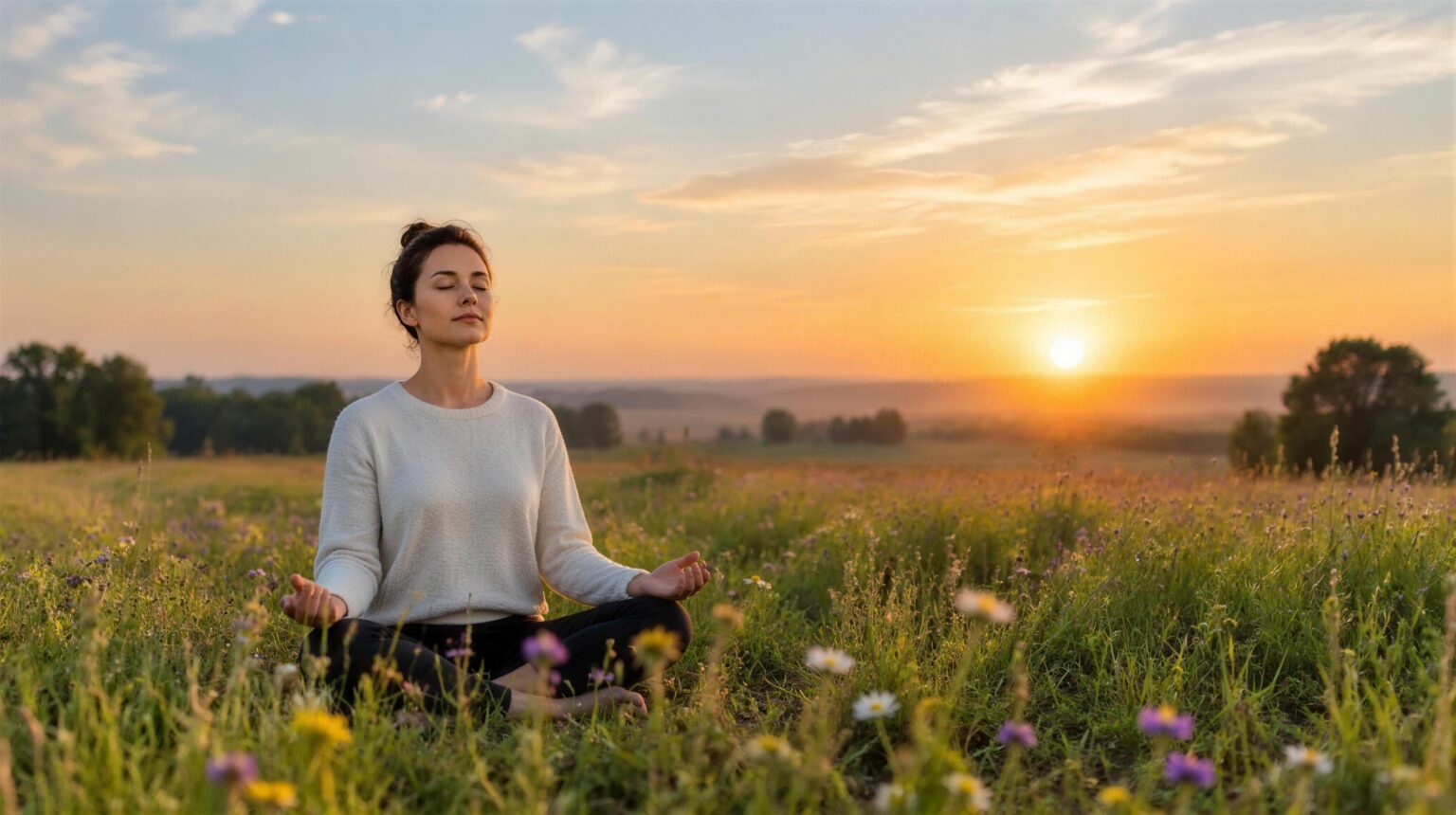
Sit comfortably. Close your eyes. Follow your breath in and out, and when your mind wanders (it will), return to the breath without scolding yourself. Start with five minutes. Many traditions describe stillness as a doorway to peace and clarity.
Prayer in Your Own Words
Speak the way you would to someone who loves you. Say thank you. Say help. Say “I do not understand.” There is no wrong way, and no script to remember. Then leave a few moments of silence to listen.
Journaling
Write for ten minutes without stopping. Try prompts like “What do I believe right now?” or “Where did I feel most alive this week?” The page does not judge, and patterns appear over time.
Time in Nature
Take a walk without your phone. Notice trees, water, sky, birds. Many people say they feel closest to the sacred outdoors, and it costs nothing.
Breath
When anxiety rises, breathe in for four counts and out for six. Slow, longer exhales settle the body. It is one of the quickest ways to come back to the present.
Stillness
Sit with a cup of tea and do nothing for five minutes. No screen, no task. Stillness teaches you to be with yourself, which is where inner knowing begins.
Do this: choose one practice and tie it to something you already do, such as your morning coffee. Small and steady beats big and rare.
How to Explore Traditions and Teachers With Discernment
After a rigid structure, freedom can feel thrilling, and a little unsteady. Some seekers swing from one authority straight into another. A bit of discernment protects you, and it is not cynicism. It is care for yourself.
Questions worth asking of any teacher, book or group:
- Can I leave freely? A healthy path respects your freedom to walk away.
- Is money first? Fair fees for real work are fine. Be wary of pressure, countdown timers or promises of guaranteed results.
- Does it use fear? Warnings that you will be cursed, unprotected or lost without them are a red flag.
- Can the claims be checked? A tradition can say what its own teachings hold. Bold claims about health, money or the future deserve a careful look at the sources.
- Does it welcome questions? Good teachers are glad to be asked.
- Do I feel bigger or smaller afterward? Real teaching leaves you more capable, more kind and more yourself.
Then check what you hear against your inner knowing. That quiet sense of “yes, this rings true” or “something is off here” is a skill, and it strengthens with use. Our guide to connecting with your higher self offers ways to listen. Inner knowing is not perfect, so pair it with time, reflection and wise friends.
Go slowly. Read about a tradition before you practice it. Try one thing for a month before adding another. Honor where each practice comes from.
Do this: pick one teacher or book that is calling you. Run it through the six questions above before you give it your time or money.
Finding Community Again
Many people say the hardest part of leaving is not the belief. It is Sunday morning. The quiet. The missing faces.
Belonging is a human need, and it can be rebuilt. Some places to look:
- Small circles. Meditation groups, book clubs, or a friend who also left.
- Open gatherings. Some interfaith centers and congregations welcome seekers as guests, with no membership and no pressure.
- Service and nature. Volunteering, community gardens and walking groups put you beside kind people doing good.
- Listening communities. The Next Level Soul podcast has more than 720 main-show episodes and new content weekly, with seekers and teachers sharing honest stories. Hearing others on the same road can make yours feel less lonely.
- Make your own. Invite two or three people for tea once a month and talk about what matters.
Do this: reach out to one person this week and say, “I have been exploring my spirituality. Would you like to talk about it sometime?”
Handling Family and Friends Who Do Not Understand
Your leaving may hurt people you love. A parent may worry about your soul. A spouse may feel left behind. A friend may take it personally. Their reactions often come from love and fear, not from a wish to judge you.
- You do not owe a debate. A calm “This is where I am right now” is enough.
- Share what stayed the same. “I still believe in kindness, honesty and love. I am just practicing differently.”
- Respect their faith. You can disagree with a path and still honor the person on it.
- Choose your holidays. Joining a family service as a gift of love is allowed, and so is politely sitting one out.
- Give it time. Understanding often arrives slowly, and sometimes it does not arrive. You can still stay warm.
If a conversation turns painful, it is fine to pause it. Boundaries are not rejection. They protect the relationship while everyone adjusts.
Do this: write the two sentences you would like to say to the person whose opinion weighs most. Practice them aloud once before the real talk.
What Near-Death Accounts and Mystics Say About Love Beyond Dogma
Near-death experiences cannot be proven by science, and we do not present them as proof. They are accounts, and many seekers find comfort in what they describe. Many experiencers report an overwhelming sense of unconditional love, a review of life that focuses on how they treated others, and little concern for denomination or doctrine.
In her interview, Jennifer Farmer, a Baptist, shares her near-death experience and says she found no religion on the other side. In her conversation with Nanci Danison, Nanci describes her own account of a love that does not depend on religion or fear of hell. You can listen and decide what resonates.
Mystics across traditions, from Christian contemplatives to Sufi poets to Zen teachers, have described the divine as something met directly, often beyond the words of any one creed. If your faith taught you that God is love, you may find these accounts consistent with that teaching rather than against it.
Take what resonates. Leave what does not. Your own experience is allowed to be the final test.
Do this: sit quietly with one question: “What if love is the point?” Write down whatever arises.
When to Seek Counseling or a Trusted Person
Leaving a church can bring grief that deserves real support. Spiritual practice can help, and it does not replace care from a professional.
Please reach out if you notice any of these lasting for weeks:
- Deep sadness, hopelessness or feeling numb
- Trouble sleeping or eating
- Pulling away from everyone you know
- Panic, or fear that will not ease
- Thoughts of harming yourself
A licensed counselor, especially one who understands religious transitions, can be a steady companion. So can a doctor, a chaplain, a spiritual director or a friend you trust, perhaps even a pastor you still respect. If you are in crisis in the United States, call or text 988 to reach the Suicide and Crisis Lifeline. Asking for help is strength.
Do this: name one person you could call if the weight got heavy. Put their number where you can find it.
A Gentle 7-Day Starter Practice
Here is a soft way to begin. Ten to fifteen minutes a day. If you miss a day, simply pick up where you left off. There is no grade.

- Day 1: Name Your Reason. Write your “I stepped away because…” sentence. Add one thing you are grateful for from your old faith.
- Day 2: Five Minutes of Stillness. Sit, breathe and let thoughts pass like clouds.
- Day 3: Pray in Your Own Words. Say thank you, say help, then listen in silence.
- Day 4: Walk Outside. No phone. Notice five beautiful things.
- Day 5: Journal on What You Keep. Which values, songs or rituals do you want to carry forward?
- Day 6: Reach Out. Contact one person, a friend or a group, and share a little of your journey.
- Day 7: Review and Choose. Which day felt most like home? Make that your daily practice for the next month.
That is a beginning. A real one.
Where to Go Next
You are already enough to begin. There is no deadline, no test and no wrong turn that cannot be corrected. Keep what is good. Let go of what hurt. Stay curious, stay kind to yourself, and walk at your own pace.
When you are ready for more, explore the interviews and teachings linked in this guide, and visit Next Level Soul, a spiritual ecosystem of movies, series, courses, podcasts and community made for seekers who want depth without pressure.
Watch, Listen and Explore on Next Level Soul
If you are building a spiritual life after church, Next Level Soul TV brings together movies, series, audiobooks, guided meditations, audio courses and full podcast episodes that welcome honest questions. You can join Next Level Soul TV, see all NLS Mastery courses and free masterclasses, or give a Next Level Soul TV membership as a gift.
Movies and shows on Next Level Soul TV
- Marketing the Messiah
- The Forgotten Christ
- The Vatican Files: The Bible’s Secret History
- Mystic Christianity
Audiobooks
- The Recovering Catholic’s Guide to Spirituality
- Mystic Christianity
- Jesus’ Jewels of Joy
- Practical Mysticism
- Browse all NLS TV audiobooks
Guided meditations
Audio courses
Related Guides, Interviews and Terms
More guides in this series
- Are Ghosts Real? What Science, Mediums and Experience Say
- Ghost Signs: 12 Signs of a Ghost in Your House and What to Do
- Signs From Deceased Loved Ones: 15 Ways They Say Hello
- Spirit Communication: How to Connect Safely and What to Expect
- Smudging: How to Cleanse Your Space Respectfully
- Psychic vs Medium: What Is the Difference and Which Do You Need?
- Wheel of the Year: The 8 Pagan Holidays and Their Meanings
- Spirit Guides: Types, Signs and How to Connect With Yours
- Akashic Records Reader: How to Find a Good One
- Lonely After a Spiritual Awakening? Why Friendships Change and What to Do
- Spiritual Practices for Women Over 50: A Grounded Guide to the Next Chapter
Related reading
- Spiritual Cinema: Marketing the Messiah and What Jesus Actually Taught
- The Gnostic Gospels Explained: Nag Hammadi, Thomas and the Lost Teachings of Jesus
- Gospel of Thomas Explained: The Hidden Sayings of Jesus
- Jesus in India: The Story, the Evidence, and the Debate
- Spiritual Awakening: Meaning, Traditions and How to Integrate It
Podcast episodes to explore
- Former Catholic Priest Reveals Jesus’ Mystical Lost Years with Fr. Sean O’Laoire
- Confessions of a Catholic Psychic Medium with Julie Ryan
- Is Aaron Abke a Christian? Ex-Preacher on Jesus and Paul
- Vatican Changed Jesus’ True Teachings with John Davis
- Are You a Victim of Spiritual Misguidance? with Rami Shapiro
- What is Fake Spirituality? with Acharya Shunya
Glossary terms
Look up the key ideas in this guide in the Next Level Soul spiritual glossary: Meditation, Mindfulness, Gnosticism, Christ Consciousness, Gnostic Gospels, Mystery Schools, Near-Death Experience, Jesus of Nazareth, Esotericism, Perennial Philosophy.
Sources and Further Reading
More Mystic and Christian-Rooted Audiobooks
Keep listening: more mystic and Christian-rooted audiobooks on Next Level Soul TV, or start again with The Recovering Catholic’s Guide to Spirituality.
Frequently Asked Questions
Can You Be Spiritual Without Religion?
Yes. Spirituality is your own relationship with something larger than yourself, however you name it. Many people keep prayer, meditation, ethics and community without belonging to any institution.
Is It Wrong to Leave the Church?
Only you can answer that for your own life, but asking honest questions is not a failure of character. Many people leave carrying respect and gratitude for the faith they grew up in, and some return later on new terms.
How Do I Pray Without a Church?
Speak to God, the divine or Source in plain words, the way you would talk with someone who loves you. You can pray silently, aloud, on a walk or in writing. No building, script or title is required.
How Do I Deal With Guilt After Leaving?
Name it kindly, and ask where it comes from. Often it is an old teaching speaking, not your own conscience. Journaling, a trusted friend or a counselor who understands religious transitions can help you sort it out.
What If I Miss Church?
That is normal. You may miss the music, the people, the rhythm of the week. You can keep the pieces you love, such as hymns, a quiet Sunday morning or a candle and a blessing, and build a new rhythm around them.
How Do I Find Spiritual Community Without a Church?
Start small. Try a meditation circle, a book club, a walking group, a volunteer project or an open interfaith gathering. Online communities and podcasts can also help you feel less alone while you look for people in person.
Can I Still Attend Church Sometimes?
Yes. Some people visit as guests for the music, a holiday or a loved one, without taking on membership or belief. It is your choice, and it does not have to be all or nothing.
When Should I Talk to a Counselor?
If sadness, hopelessness or withdrawal lasts for weeks, or if grief feels too heavy to carry alone, speak with a licensed counselor or doctor. If you are in crisis in the United States, call or text 988 right away.
Do I Have to Stop Believing in God to Leave Church?
No. Many people keep their faith in God, love or the teachings of Jesus while stepping away from the institution. Leaving a building and losing your faith are two different things, and only you decide what you keep.
What Are Good Resources for Spirituality After Leaving Church?
Start with gentle, open-minded sources: a short daily practice, interviews with people who have walked a similar road, and books or audiobooks that welcome questions. Next Level Soul offers podcast episodes, audiobooks, guided meditations and NLS Mastery courses for seekers who want depth without pressure.
Go Deeper with NLS Mastery: The True Teachings of Jesus
If you want to meet the teachings of Jesus again, apart from the institution built around his name, this course offers a deeper study. John Davis teaches it in The True Teachings of Jesus, part of NLS Mastery. Watch the course preview below.