

Sleep meditation is a guided or silent mindfulness practice done at bedtime to relax the body, slow racing thoughts and ease your attention toward rest. Instead of forcing sleep, you give the mind something gentle to follow, such as your breath, your body or a calm voice, and let sleep arrive on its own.

Included with NLS TV membership
Soulful Sleep Stories
Tranquil guided narratives to ease you into deep sleep. Press play on a calm story tonight, all included with your Next Level Soul TV membership.
Most of us have tried to make ourselves fall asleep. It never works, because sleep is not something you do. It is something you allow. That is why so many people turn to sleep meditation: it teaches the part of you that keeps planning, replaying and worrying how to set the day down.
This guide is a complete, practical introduction. You will learn what sleep meditation is, how it differs from bedtime stories for adults and from ordinary daytime meditation, the main types, a step-by-step 15-minute routine, a 7-night starter plan, the most common mistakes and the spiritual side of sleep that traditions have honored for thousands of years. At the end you will find where to listen to guided sleep meditations in the Next Level Soul guided meditations library.
Key Takeaways
- Sleep meditation is a calm, guided or silent practice at bedtime that settles the body and gives a busy mind one gentle thing to follow.
- It is not the same as a sleep story. A sleep story follows a plot. A sleep meditation guides your attention through the breath, the body or simple imagery.
- The main types are body scan, yoga nidra, breath counting, guided imagery, mantra and sound. Try each for a few nights and keep what feels natural.
- A simple 15-minute routine (dim the lights, settle, breathe, scan, release) works better than any single technique.
- Do not chase sleep. Allowing beats forcing. If you are still awake, rest in the practice and let that be enough.
- This is a relaxation practice, not a treatment. If you have trouble sleeping most nights, talk with a doctor.
What Is Sleep Meditation?
Sleep meditation is a form of meditation designed for the time between a busy day and deep rest. It uses the same tools as any mindfulness practice, such as attention, breath and body awareness, but points them at one goal: helping you let go.
Plain definition: sleep meditation is a relaxation-focused meditation, usually guided by a voice or a sound, that you practice lying down at bedtime so the body can soften and the mind can quiet. You are not trying to stay alert, as in a seated sitting practice. You are allowed, even encouraged, to drift.
Sleep meditation goes by several names. You will see it called a guided sleep meditation, a meditation for sleep, a bedtime meditation, a deep relaxation or a yoga nidra practice. They overlap, and the differences are mostly in style. A guided sleep meditation uses a voice that talks you through each step. A silent practice, such as counting breaths, needs no audio at all.
The word meditation covers a wide family of techniques. The Wikipedia overview of meditation describes it as a practice that uses a technique or combination of techniques to train attention and awareness. Sleep meditation simply aims that training at the end of the day.

How Is Sleep Meditation Different From Sleep Stories and Regular Meditation?
These three get mixed up all the time. They share a gentle tone, but they ask different things of you. The table below sets them side by side.
| Practice | What you do | Typical length | Best when |
|---|---|---|---|
| Sleep meditation | Follow a voice or a simple technique (breath, body, imagery) while lying down. You are invited to drift off. | 10 to 30 minutes, or longer with soundscapes | Your mind races or your body holds tension at night |
| Sleep story | Listen to a slow, gentle narrative with a setting and a journey. The plot is the anchor. | 20 to 60 minutes | You like imagery and want something to follow. See our guide to bedtime stories for adults |
| Regular (daytime) meditation | Sit upright and stay awake and aware. The aim is clarity and presence, not sleep. | 5 to 40 minutes | You want focus, calm or insight during the day. See How to Meditate and Meditation Techniques for Beginners |
| Yoga nidra | Lie down and follow a structured guided rest through the body, breath and awareness, held between waking and sleeping. | 20 to 45 minutes | You want a deeper, more traditional form of guided rest |
The simplest way to remember it: a sleep story gives your mind a place to go, a sleep meditation gives your attention a job to do, and a daytime meditation asks you to stay awake to whatever is here. Many people use all three at different times. If you love narrative, start with a story. If you want to work with your breath and body directly, start with a sleep meditation.
Falling asleep during a daytime sitting is sometimes treated as a lapse. In a sleep meditation it is the point. That one permission changes the whole experience, because there is nothing to get right.
Why Do People Use Meditation for Sleep?
People describe the same experience again and again. The body is tired, yet the mind is still running the day: the unanswered message, the conversation replayed, tomorrow’s list. Sleep meditation offers a way to stop feeding that loop. Here are the ideas listeners mention most, shared as experience and general guidance rather than medical claims.
- A single gentle focus. Following the breath, a body part or a calm voice gives attention one simple job, so it has less room to wander into worry.
- A signal that the day is over. Doing the same practice each night becomes a cue. Over time the body learns what the ritual means.
- Permission to rest without performing. There is no goal to hit. You are not graded on how fast you fall asleep.
- Slower breathing. Most sleep meditations invite a longer, softer exhale, which many people find settles the body.
- Less screen time. Choosing a meditation over scrolling is a quiet win by itself.
What Does the Research Say?
Meditation and mindfulness have been studied widely, and the National Center for Complementary and Integrative Health (NCCIH), part of the US National Institutes of Health, publishes plain-language information on them. Their page, 8 Things To Know About Meditation and Mindfulness, is a good place to read how a major health agency describes what is and is not known. In general terms, research in this area is active and ongoing, results vary between people and between studies, and meditation is one tool among several rather than a cure for anything.
For the sleep side of the picture, the Wikipedia article on sleep hygiene outlines the everyday habits and environment that support rest, such as regular timing, a dark and quiet room and a wind-down period. Sleep meditation fits naturally inside that wind-down. The article on insomnia explains the condition itself and notes that behavioral approaches are part of the conversation, which is a topic to raise with a doctor or sleep specialist if sleep trouble is a regular part of your life.
To be clear and honest: this guide offers a relaxation practice. It makes no promise that any technique will make you sleep, and it is not a substitute for care. If you are curious about the bigger picture of calming the nervous system through practice, our guide to mindfulness in daily life and the glossary entry on mindfulness are good companions.

Hear it from the guests
Neuroscientist Reveals Secrets of the Human Mind with Sara C. Mednick
Neuroscientist Sara C. Mednick, author of The Power of the Downstate, explains sleep pressure, the ticker she says starts counting the minutes you have been awake the moment you wake up. She also suggests a calmer evening, with less blue light and nothing scary before bed. Pair it with the section below on why people turn to meditation for sleep.
Types of Sleep Meditation
There is no single right method. Below are the six approaches you will meet most often. Read through them, then try one per night for a week and notice which one your body trusts.
| Type | Core idea | Needs audio? | Best for |
|---|---|---|---|
| Body scan | Move attention slowly through the body, releasing each area | Optional | Physical tension and restlessness |
| Yoga nidra | Structured guided rest between waking and sleeping | Usually yes | Deep relaxation and a traditional path |
| Breath counting | Count each exhale and return to one when you lose track | No | A racing, wordy mind |
| Guided imagery | Follow a voice through a calm place such as a beach, forest or temple | Yes | People who think in pictures |
| Mantra | Repeat a soft word or phrase silently | No | People who like a simple, rhythmic anchor |
| Sound and binaural beats | Rest in ocean, water or tonal soundscapes | Yes | Quiet rooms that feel too silent |
1. Body Scan Sleep Meditation
A body scan is the most popular place to start. You bring attention to one part of the body at a time, usually from the toes upward, and invite that area to soften. There is nothing to fix. You simply notice, and let go.
It pairs well with a related technique, progressive muscle relaxation, in which you gently tense and then release muscle groups in turn. If your body feels wired at night, combining a few rounds of tense-and-release with a slow body scan is a classic, grounded combination. A full script is included below.

2. Yoga Nidra: The Yogic Sleep
Yoga nidra means “yogic sleep.” The Wikipedia entry on yoga nidra describes it, in modern usage, as a state of consciousness between waking and sleeping, typically induced by a guided meditation. You lie down, follow a voice through the body and breath, rest in a clear intention and stay in that soft threshold between wake and dream.
Many practitioners treat yoga nidra as its own discipline with a long lineage, which is why it deserves its own deep dive. For tonight, you can treat it as a deeply guided, longer version of a body scan. If you want to feel the tradition behind it, the Raja Yoga or Mental Development study guide, a companion to an NLS TV audiobook, is a good read.
3. Breath Counting
This is the simplest practice here, and it needs no audio. Breathe naturally. On each exhale, count silently: one on the first, two on the second, up to ten, then begin again. If you lose count, which you will, start again at one without any judgment.
Breath counting works well for a talkative mind because the mind has to do something, and counting is dull in the best possible way. For a deeper look at breath as a spiritual tool, see the glossary entry on prana and the pranayama tradition of breath practice. Two NLS podcast conversations explore it: Niraj Naik on Soma Breath and Breathwork and The Mystical Power of the Breath with Wim Hof.
4. Guided Imagery and Visualization
In guided imagery, a voice leads you through a calm place: a quiet shore, a lantern-lit path, a temple of light. You use all your senses, noticing warmth, sound and texture, so that the imagined place feels like somewhere you can rest. This overlaps with sleep stories, but a sleep meditation uses far less plot and far more instruction.
If you are drawn to inner landscapes, guided meditation is the umbrella term, and the Inner Sanctuary meditations with Acharya Shunya and Soul Flight astral travel meditations on NLS TV are natural places to explore. Curious about the strange edge between sleeping and waking? See Sleep Paralysis and Astral Projection.
5. Mantra
A mantra is a sacred or simply soothing word repeated silently, such as “peace,” “let go” or a traditional Sanskrit sound. The Wikipedia article on mantra traces how mantras are used across several traditions. For sleep, a short phrase that matches your exhale is enough: “I am safe” on the in-breath, “I let go” on the out-breath. Gentle affirmations work in a similar way.
6. Sound, Soundscapes and Binaural Beats
Some people rest best with sound rather than words: ocean waves, a waterfall, soft tones or binaural beats, in which each ear hears a slightly different tone through headphones. A note of honesty: listeners enjoy them, but the research on binaural beats is mixed, so treat them as a pleasant atmosphere, not a guarantee. Use comfortable, low-volume headphones or a bedside speaker so nothing digs into your ear while you lie down.
See the glossary entry on sound healing for the wider tradition, and the NLS Binaural Beats Meditations, Falls of Serenity and Ocean’s Soul for ready-to-use soundscapes.
Hear it from the guests
Secret to Reprogramming Your Brain with Bruce Lipton
Bruce Lipton names three ways he says a subconscious program can change: self-hypnosis, repetition and energy psychology. As an example of self-hypnosis, he describes playing a recording as you fall asleep, because he says you pass through the theta state on the way. A thoughtful companion to the guided options in this section.
A Step-by-Step 15-Minute Sleep Meditation Routine
This routine takes about fifteen minutes from the first dimmed light to the last breath. Use it as written for a week, then adjust it. The structure matters more than the exact words.
| Minutes | Step | What to do |
|---|---|---|
| 0 to 3 | 1. Set the room | Dim the lights, put your phone on silent and out of reach, and adjust the temperature. Keep a glass of water nearby. Decide that the day is finished. |
| 3 to 5 | 2. Lie down and settle | Lie on your back or your preferred side. Let your arms rest. Take three slow breaths with a long exhale, as though fogging a window. |
| 5 to 7 | 3. Set a soft intention | Say silently, “I am allowed to rest.” Not “I must sleep.” The difference is everything. |
| 7 to 12 | 4. Body scan | Move attention from your feet to your head. Breathe into each area and let it soften. Follow the script below or a guided recording. |
| 12 to 14 | 5. Breath counting | Count ten slow exhales. If you lose track, begin again at one, kindly. |
| 14 to 15 | 6. Release | Stop trying. Let the breath breathe itself and let the practice dissolve into sleep, or into simple rest. |
A Short Body Scan Script You Can Read or Record
Read the lines below slowly, pausing for a full breath after each one. You can record them in your own voice on a phone and play them back. Many people find a familiar voice, their own included, especially comforting.
Let your eyes close. Feel the weight of your body resting on the bed. Nothing to do now. Nothing to fix.
Bring your attention to your feet. Let them grow heavy and warm. Breathe in, and as you breathe out, let your feet sink.
Move to your legs. Calves, knees, thighs. With each exhale, let the muscles loosen like water finding its level.
Rest your attention in your belly and your lower back. Let your belly rise and fall without effort.
Feel your chest and your shoulders. Let the shoulders slide away from your ears. Your arms are heavy. Your hands are open.
Soften your neck, your jaw and the small muscles around your eyes. Let your tongue rest. Let your forehead smooth.
Now feel your whole body, resting. Breathing in, you are held. Breathing out, you let go. The day is complete. You are allowed to rest.
That script is original to this guide and free to use for your own practice.
Buy for $7.77 or included with NLS TV
Deep Sleep Meditations
Five calming guided meditations for deep, restful sleep. Buy the collection for $7.77, or listen to it included with your Next Level Soul TV membership, and use it as the audio for your 7-night plan.

A 7-Night Sleep Meditation Starter Plan
Habits form through repetition, not intensity. This plan keeps each night short and varied so you can discover what suits you. Do the 15-minute routine above, and swap the main technique each night.
| Night | Main practice | Focus for the night | Try on NLS |
|---|---|---|---|
| Night 1 | Breath awareness | Just notice five slow breaths. Keep it easy. | Meditation for Beginners |
| Night 2 | Full body scan | Use the script above from feet to head. | Deep Sleep Meditations |
| Night 3 | Breath counting | Count ten exhales, then restart. Silent practice. | No audio needed |
| Night 4 | Guided imagery | Follow a voice to a calm place. | Soulful Sleep Stories |
| Night 5 | Mantra | “I am safe” in, “I let go” out. | End of Day Meditations |
| Night 6 | Sound and soundscape | Rest in water or ocean sound with no words. | Falls of Serenity |
| Night 7 | Your favorite, plus gratitude | Repeat what worked, and name three good things from the day. | Relaxation and Intention |
After the week, write down which night felt easiest. That is your starting practice. A few lines in a journal, or a simple gratitude practice on Night 7, makes the habit stick. If a night goes badly, do not abandon the plan. One restless night teaches you as much as a peaceful one.

Common Sleep Meditation Mistakes
- Trying too hard to fall asleep. Effort is the opposite of surrender. Aim for rest, and sleep follows when it is ready.
- Checking the clock. It restarts the planning mind. Turn the clock away.
- Judging the practice. A wandering mind is not a failed meditation. Noticing and returning is the practice.
- Switching recordings every night. Familiarity is calming. Stay with one or two for at least a week.
- Playing loud or bright audio. Keep the volume low and the screen dark or off.
- Practicing with a full stomach or a stimulating drink. Heavy meals and late caffeine work against any wind-down, so check the habits in the sleep hygiene overview.
- Expecting instant results. The first nights are practice. Give yourself a full week or two.
- Ignoring persistent trouble. Meditation is support, not a treatment. See the next section.
What If You Wake Up in the Middle of the Night?
Keep the lights low and resist the clock. Take three long exhales and begin a short version of the practice: breath counting or a one-minute body scan. Many people also keep one familiar recording for this purpose. If you remain wide awake for a long stretch, getting up for a quiet, dimly lit moment and returning to bed when drowsy is a common suggestion in sleep guidance. Let the pause be gentle, not a battle.
Hear it from the guests
Unlocking Mankind’s Hidden Spiritual Power Through Meditation with Emily Fletcher
Emily Fletcher says her stressful Broadway career left her with debilitating insomnia and burnout, which led her to meditation. She also says not to judge a meditation by how it felt in the chair. Her experience is one person’s story, and it sits alongside the guidance below on when to talk to a doctor.
Sleep Meditation and Insomnia: When to Talk to a Doctor
Sleep meditation can be a lovely part of an evening, but it is not medical care. If you have difficulty falling or staying asleep on most nights, wake unrefreshed for weeks, snore loudly or stop breathing in your sleep, feel exhausted in the day or find that sleep trouble is affecting your mood or safety, please speak with a doctor or qualified health professional. Sleep specialists can look at causes that a meditation will not reach, and many approaches can work alongside a meditation habit.
If anxiety is what keeps you up, our guide to guided meditation for anxiety offers a gentle practice, and it too is no substitute for professional support when anxiety is frequent or overwhelming.
Hear it from the guests
Healing Trauma Without Medication with Dr. Gregory Scott Brown
Psychiatrist and author Dr. Gregory Scott Brown outlines five pillars of self care: sleep, spirituality, nutrition, breathwork and movement. He says they work alongside therapy and medication, not in place of them. A grounded listen to follow the guidance above on when to talk to a doctor.
The Spiritual Side of Sleep: Surrender and the Dream State
For most of human history, sleep was never only a biological pause. It was a doorway. Almost every wisdom tradition treats the night as a threshold where the ordinary self loosens and something larger can speak. Seeing sleep meditation through this lens turns a bedtime habit into a small daily act of inner peace.
Sleep as Daily Surrender
Every night you do something extraordinary: you stop. You put down your name, your roles and your plans, and you trust that life will carry on without your supervision. Spiritual teachers often point out that this is the same movement as surrender. You cannot fall asleep by gripping, only by releasing.
This is why many people experience sleep meditation as a spiritual practice, not only a relaxation tool. Saying “I am allowed to rest” is a small rehearsal of trust. It touches the quiet part of you that your higher self speaks from, the part that is not worried about tomorrow. Some practitioners connect this to the idea of ego dissolving gently each night, a theme explored in the glossary entry on ego death.
The Dream State in Spiritual Traditions
Traditions around the world have given dreams and the sleeping state careful attention:
- Vedic and yogic traditions. The Mandukya Upanishad is traditionally read as describing waking, dreaming and deep sleep, with a fourth state, turiya, the true self that stays aware beneath all three. Yoga nidra grows from this soil.
- Tibetan Buddhism. Dream yoga is an advanced practice of keeping awareness present within the dream state. For a modern, accessible cousin, see our guide to lucid dreaming.
- Ancient Greece. Incubation was the practice of sleeping in a sacred place hoping for a divinely inspired dream or cure, famously at healing temples dedicated to Asclepius.
- Modern spiritual practice. Many seekers keep dream journals, work with dream interpretation or explore the subconscious mind through the quiet moments before sleep, a stage science calls hypnagogia.
You do not need to adopt any of these traditions to benefit from a simple practice. But knowing that countless people before you have treated the night with reverence can change how you approach it. The hour before sleep becomes less like a task and more like a small ceremony.

Sleep Meditation, Dreams and Inner Guidance
People often notice that after a few weeks of evening practice they remember more dreams, or dream differently. If that happens, keep a notebook by the bed and jot down a line or an image on waking. Dreams are a rich subject on their own. These NLS conversations explore them with experts: Ancient Dreams to Guide You with Dr. Bonnie Buckner, Common Dreams and How to Decode Them with Kelly Sullivan Walden, Common Dream Meanings Explained with Linda Yael Schiller and Understanding the Meaning of Your Dreams with Machiel Klerk.
If you enjoy extending care to others before you sleep, a short round of metta (loving-kindness) meditation is a gentle way to close the day: silently wish yourself and a few loved ones safety, ease and rest.
Hear it from the guests
Common Dreams and How to Decode Them with Kelly Sullivan Walden
Kelly Sullivan Walden says dreams are the language of the subconscious. She shares a habit for remembering them: stay still when you wake, replay the last snippet and write it down. Listen with the dream state section above in mind.
How to Use Next Level Soul Guided Meditations for Sleep
If you would rather be guided than guide yourself, the NLS Guided Meditations library on Next Level Soul TV is built for exactly this. Everything is included with a Next Level Soul TV membership, and select titles can also be bought on their own. Here is how to match a title to your night.
Sleep and Evening Picks
- Deep Sleep Meditations. Five calming guided meditations to quiet the mind and release the day’s tension. The closest match to this guide.
- End of Day Meditations. Eleven guided practices to release stress, reflect with gratitude and prepare for sleep.
- Soulful Sleep Stories. Seventeen tranquil guided narratives crafted to ease you toward restful sleep, for nights you prefer a story.
- Celestial Dreams. A 10-hour guided sleep meditation with soothing sounds, for nights you want the audio to keep going.
- Falls of Serenity and Ocean’s Soul. Waterfall and ocean soundscapes for meditation, relaxation or sleep.
- Binaural Beats Meditations. Guided meditations accompanied by soothing binaural beats for relaxation.
- Relaxation and Intention. A gentle 20-minute guided meditation led by Alex Ferrari.
- Meditation for Beginners. Eight simple guided episodes if you are brand new to the practice.
- The Inner Sanctuary with Acharya Shunya and Soul Flight. Inner journeys for the spiritually curious.
How to Choose
If your body is tense, start with Deep Sleep Meditations. If your mind is busy and you enjoy imagery, try Soulful Sleep Stories. If silence feels loud, choose a soundscape such as Falls of Serenity. If you simply want to learn the basics, begin with Meditation for Beginners and read our guide to how to meditate. Keep one or two favorites and repeat them. A familiar practice becomes a doorway you can walk through half asleep.
The NLS TV Audio Library
Beyond meditations, you can listen with the lights low to the full NLS TV audio library, the spiritual audiobooks collection and the NLS audio courses. Many people pair a quiet audiobook chapter with the routine above. Looking for something to watch earlier in the evening? Explore spiritual awakening movies and the best spiritual books and where to listen. Giving a gentle night to someone you love? A Next Level Soul TV gift membership includes the whole library.
Related Reading and Podcast Episodes
- Unlocking Mankind’s Hidden Spiritual Power Through Meditation with Emily Fletcher. A conversation on meditation as a daily practice.
- Eliminating Stress, Anxiety and Depression with Dean Sluyter. A conversation on meeting stress with awareness.
- Call to Calm With Panache Desai and the Soul’s Prescription. For a calmer evening state.
- Niraj Naik on Soma Breath and Breathwork. Breath as a doorway to calm.
- Meditations for Spiritual Awakening. Ten practices and a four-week plan for the daytime side of your path.
- Mindfulness in Daily Life. Everyday awareness that carries into your evenings.
- Meditation Techniques for Beginners. Nine simple practices for the day.
Ready to rest? Tonight, try the 15-minute routine once. Even a five minute meditation counts. Then come back and begin the 7-night plan.
Sources and Further Reading
Spirituality for the Rest of Us™
Sleep stories, meditations, movies and teachings on Next Level Soul TV.
Episodes to Watch Next
Six Next Level Soul Podcast conversations that touch on sleep, rest, dreams and meditation. Each page has the full episode and show notes.

Neuroscientist Reveals Secrets of the Human Mind with Sara C. Mednick
Neuroscientist Sara C. Mednick, author of The Power of the Downstate, explains sleep pressure, the ticker she says starts counting the minutes you have been awake the moment you wake up. She also suggests a calmer evening, with less blue light and nothing scary before bed.
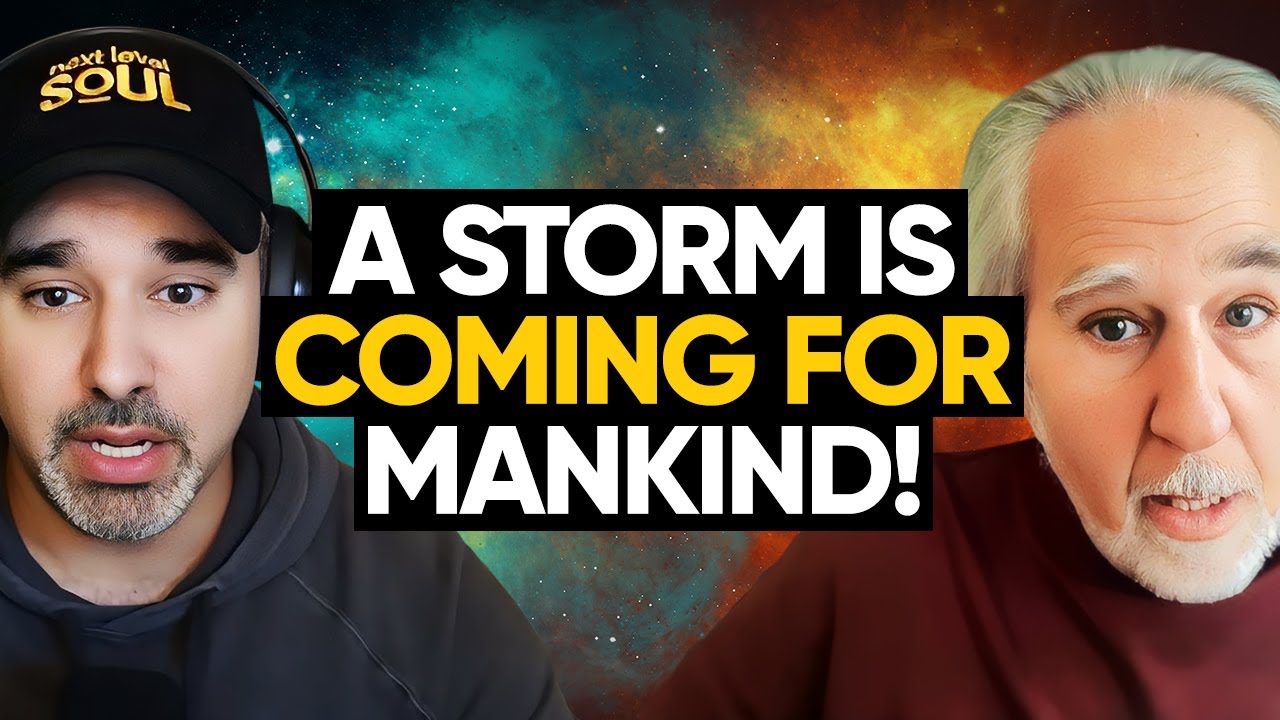
Secret to Reprogramming Your Brain with Bruce Lipton
Bruce Lipton names three ways he says a subconscious program can change: self-hypnosis, repetition and energy psychology. As an example of self-hypnosis, he describes playing a recording as you fall asleep, because he says you pass through the theta state on the way.

Unlocking Mankind’s Hidden Spiritual Power Through Meditation with Emily Fletcher
Emily Fletcher says her stressful Broadway career left her with debilitating insomnia and burnout, which led her to meditation. She also says not to judge a meditation by how it felt in the chair.

Healing Trauma Without Medication with Dr. Gregory Scott Brown
Psychiatrist and author Dr. Gregory Scott Brown outlines five pillars of self care: sleep, spirituality, nutrition, breathwork and movement. He says they work alongside therapy and medication, not in place of them.

Common Dreams and How to Decode Them with Kelly Sullivan Walden
Kelly Sullivan Walden says dreams are the language of the subconscious. She shares a habit for remembering them: stay still when you wake, replay the last snippet and write it down.

Ancient Dreams to Guide You with Dr. Bonnie Buckner
Dreamwork guide Dr. Bonnie Buckner shares a dream method she describes as rooted in Sufi tradition. Her tools include keeping a dream journal and re-entering the dream in waking meditation.
Sleep Stories and Meditations on Next Level Soul TV
Sleep meditation is easier with a guide. These three audio experiences live on Next Level Soul TV: a story library, a ten hour guided meditation and a five-part collection. Start with a Next Level Soul TV membership and the included titles are ready tonight.
Included with NLS TV membership
Soulful Sleep Stories
Tranquil guided narratives to ease you into deep sleep.

Members only
Celestial Dreams
A ten hour guided meditation for uninterrupted sleep.
Buy for $7.77 or included with NLS TV
Deep Sleep Meditations
Five calming guided meditations for deep, restful sleep.
Frequently Asked Questions About Sleep Meditation
What is sleep meditation?
Sleep meditation is a calm, guided or silent mindfulness practice done at bedtime to relax the body and quiet a busy mind. You follow the breath, the body or a gentle voice, and allow yourself to drift toward rest.
Does sleep meditation really work?
Many people find that a regular evening practice helps them wind down, and research on meditation is ongoing. It is a relaxation tool, not a medical treatment, and results vary from person to person. Persistent sleep trouble deserves a conversation with a doctor.
What is the best meditation for sleep?
The best one is the one you will actually do. A body scan is the most popular starting point, breath counting needs no audio, and a guided recording helps if you like a voice to follow. Try each for a night or two and keep your favorite.
What is the difference between sleep meditation and a sleep story?
A sleep story follows a gentle plot with a setting and a journey. A sleep meditation guides your attention through the breath, body or simple imagery, with much less narrative. See our guide to bedtime stories for adults if you prefer stories.
How long should a sleep meditation be?
Most are between 10 and 30 minutes, and a 15-minute routine is a good place to begin. Some soundscapes run for hours so the audio keeps going if you wake in the night.
Is it okay to fall asleep during meditation?
Yes. In a sleep meditation, falling asleep is the goal, not a lapse. In a daytime sitting practice, where the aim is to stay awake and aware, it is better to sit upright.
Can I do sleep meditation every night?
Yes. Sleep meditation is a gentle practice, and many people use it nightly because repetition turns it into a cue that the day is over. If any practice ever feels uncomfortable or distressing, stop and consider speaking with a health professional.
What is yoga nidra and is it the same as sleep meditation?
Yoga nidra, or yogic sleep, is a guided practice of deep relaxation held between waking and sleeping. It is a close cousin of sleep meditation, with a long yogic lineage and a more structured format.
Do binaural beats help you sleep?
Many listeners enjoy binaural beats as a calming background, but the research is mixed. Treat them as a pleasant atmosphere rather than a guarantee, and keep the volume low.
What should I do if my mind keeps racing?
Notice the thoughts, then return to your breath without scolding yourself. Counting ten exhales gives a busy mind a simple job. If the racing continues most nights, consider talking with a doctor.
Where can I find guided sleep meditations on Next Level Soul?
Browse the NLS Guided Meditations library, including Deep Sleep Meditations, End of Day Meditations, Soulful Sleep Stories and Celestial Dreams. Everything is included with a Next Level Soul TV membership.
When should I talk to a doctor about my sleep?
If you have trouble falling or staying asleep on most nights, feel unrefreshed for weeks, or have daytime exhaustion, speak with a doctor or qualified health professional. Sleep meditation can support a calm evening, but it does not replace medical care.
Go Deeper with NLS Mastery: Ancient Meditation for Inner Stillness
If you want to move from trying meditation to living it, this course is a direct path. Acharya Shunya, a lineage holder of non-dual wisdom, guides you toward inner stillness in lessons you can take at your own pace. Acharya Shunya teaches it in Ancient Meditation for Inner Stillness, part of NLS Mastery. Watch the course preview below.

Not Ready Yet? Watch Acharya Shunya’s Free Masterclass on Meditation, or explore all free masterclasses.


