
The best meditations for spiritual awakening are simple, repeatable practices that quiet the thinking mind and open awareness: breath awareness, body scans, mantra, loving-kindness, self-inquiry, open awareness, breathwork, walking, heart-centered meditation and silent sitting. Start with one, practice a few minutes daily, and let it grow.
This guide gives you step-by-step instructions for ten practices, a comparison table to help you choose, and a four-week plan to build a routine. It also covers common challenges and how to meditate safely.
If meditation ever stirs up distress, slow down and reach out for support. Gentle and steady beats intense and sporadic.
Key Takeaways
- Ten practices. Breath, body scan, mantra, loving-kindness, self-inquiry, open awareness, pranayama, walking, heart-centered and silent sitting.
- Start small. Five minutes a day builds more than an hour once a week.
- Choose by need. Anxious minds often prefer breath or body scans; restless energy suits walking or gentle breathwork.
- Go with care. Strong breathwork or long retreats can be intense. Learn from a teacher and see a professional if you feel unwell.
- Bring it home. The aim is to live with more awareness, not just to sit well.
What Are Meditations for Spiritual Awakening?
Meditations for spiritual awakening are contemplative practices that help you move from the thinking, striving mind toward a quieter, wider awareness. Traditions around the world describe them as ways to see through the sense of a separate self, soften habitual reactions and rest in something steadier. No single practice is the right one. The best meditation for awakening is the one you will actually do, with patience, most days.
This guide gathers ten time-tested practices, shows you how to try each, and offers a four-week plan to build a routine. If you are brand new, start with our beginner’s guide to meditation. If you want the bigger picture of the path, see our guide to spiritual awakening.
Ten Meditations at a Glance
| Practice | Best For | Time | Level |
|---|---|---|---|
| 1. Breath awareness | Calming the mind | 5 to 15 minutes | Beginner |
| 2. Body scan | Grounding and rest | 10 to 20 minutes | Beginner |
| 3. Mantra | Focus and devotion | 10 to 20 minutes | Beginner to intermediate |
| 4. Loving-kindness | Opening the heart | 10 to 15 minutes | Beginner |
| 5. Self-inquiry | Seeing through the ego | 10 to 20 minutes | Intermediate |
| 6. Open awareness | Glimpsing the witness | 5 to 20 minutes | Intermediate |
| 7. Pranayama | Energy and clarity | 5 to 10 minutes | Intermediate |
| 8. Walking meditation | Restless energy | 10 to 30 minutes | Beginner |
| 9. Heart-centered meditation | Gratitude and love | 10 to 15 minutes | Beginner |
| 10. Silent sitting | Deepening stillness | 20 to 40 minutes | Advanced |
How to Set Up Your Practice
A few simple choices make any meditation easier.
- Pick a time. Early morning or just before bed works well for many people. Consistency matters more than length.
- Choose a place. A quiet corner with a cushion or chair is enough. Keep your spine upright and your body relaxed.
- Start small. Five minutes a day beats an hour once a week.
- Expect a wandering mind. Noticing that you have wandered and gently returning is the practice, not a failure of it.
Ten Meditations for Spiritual Awakening
1. Breath Awareness
The foundation of many traditions. Following the breath gives the mind one simple thing to rest on.
- Sit comfortably and close your eyes or soften your gaze.
- Feel the breath at the nose, chest or belly.
- Silently note “in” and “out” if it helps.
- When your mind wanders, gently return to the breath.
2. Body Scan
A slow tour of the body that builds presence and releases held tension. It pairs well with the grounding practices many people find helpful.
- Lie down or sit with your eyes closed.
- Bring attention to your feet, then slowly move upward.
- Notice sensations without trying to change them.
- End by feeling the whole body at once.
3. Mantra Meditation
Repeating a sound or phrase gives the mind an anchor. Traditions such as Transcendental Meditation use a mantra, and a simple phrase such as “peace” or “I am” can work for beginners.
- Choose a word or phrase that feels calming.
- Repeat it silently with the breath or at its own pace.
- Let it fade into the background as the mind settles.
- When thoughts arise, return to the mantra gently.
4. Loving-Kindness
This practice cultivates warmth toward yourself and others. Many people find it softens the heart and loosens self-criticism.
- Place a hand on your heart.
- Silently offer phrases like “may I be safe, may I be at peace.”
- Extend the same wishes to a loved one, a neutral person and, when ready, someone difficult.
- Finish by wishing well to all beings.
5. Self-Inquiry
Rooted in non-dual teachings, self-inquiry turns attention toward the one who is aware. You ask “Who am I?” and look for the answer in direct experience, not in concepts.
- Sit quietly and ask, “Who is aware right now?”
- Notice thoughts, feelings and sensations without attaching to the story.
- Look for the one who is noticing, and rest there.
- Let go of answers and simply remain open.
6. Open Awareness and Glimpses
Loch Kelly, a psychotherapist and meditation teacher, teaches brief glimpses, small shifts from the thinking self into awareness rather than long effortful practice. You can try this several times a day.
- Pause and notice the space around your body.
- Let attention widen to include sounds and sights.
- Rest in the open, relaxed quality of simply being aware.
- Return to your day, and repeat later.
7. Pranayama and Breathwork
Yogic breath practices use rhythm and breath control to change energy and focus. Niraj Naik, who teaches Soma Breath, says a slow, smooth breath makes meditation easier and quiets the monkey mind. Begin gently. Strong or prolonged breathing can cause dizziness or distress for some people, so learn from a qualified teacher and stop if you feel unwell. If you have a medical condition, check with your doctor first.
- Sit tall and breathe through the nose.
- Inhale for four counts and exhale for six.
- Continue for three to five minutes.
- Return to natural breathing and sit quietly.
8. Walking Meditation
Ideal when sitting still feels too restless. Walk slowly and feel each step.
- Choose a short path indoors or outside.
- Walk slowly, noticing the lift, move and placement of each foot.
- When the mind wanders, return to the feeling of walking.
- Pause at each end, breathe and turn.
9. Heart-Centered Meditation
Resting attention at the center of the chest and recalling gratitude can open feelings of warmth and connection. Our guide to gratitude practices offers more.
- Place attention on the center of the chest.
- Recall someone or something you are grateful for.
- Let the feeling spread through the body.
- Rest in that warmth for several breaths.
10. Silent Sitting
Some traditions, such as zazen in Zen, simply sit with no technique at all. It can be a doorway to deep stillness, and it works best after you have built some steadiness with simpler practices.
- Sit upright with a relaxed, alert posture.
- Let your eyes rest half-open or closed.
- Allow thoughts and sensations to come and go.
- Simply be, without a goal.
Meditation Is Not a Way Around Your Wounds
Acharya Shunya, a lineage holder of non-dual wisdom, says that if spirituality helps you avoid your wounds, it is no longer spiritual. Loch Kelly makes a similar point when he says awakening does not erase trauma and inner psychological work still matters. Meditation can bring up old feelings. Meeting them with patience, and with professional support when needed, is part of the path. Our guide to healing from trauma spiritually offers a gentle starting point.
A Four-Week Plan to Build Your Practice
| Week | Daily Practice | Time | Focus |
|---|---|---|---|
| Week 1 | Breath awareness | 5 to 10 minutes | Showing up every day |
| Week 2 | Breath awareness plus body scan | 10 to 15 minutes | Settling the body |
| Week 3 | Loving-kindness or mantra | 10 to 15 minutes | Opening the heart |
| Week 4 | Self-inquiry or open awareness | 15 to 20 minutes | Resting as awareness |
Treat the plan as a guide. If a week feels too much, repeat it. If you miss a day, begin again the next morning with no judgment.
Common Challenges and What Helps
| Challenge | What Is Happening | What Helps |
|---|---|---|
| Restless mind | Thoughts feel louder when you slow down | Shorten sessions, try a mantra or walking meditation |
| Sleepiness | The body is finally resting | Meditate earlier in the day and sit upright |
| Strong emotions | Held feelings are surfacing | Breathe, stay with the body, and seek support if overwhelmed |
| Boredom or doubt | The mind wants novelty | Keep it simple and stay consistent for a few weeks |
| Unusual sensations | Energy or relaxation effects | Ground yourself, slow down, and see a doctor if worried |
Which Meditation Should You Start With?
Choose by what you need most right now. You can always combine practices as you grow.
| If You Feel | Try | Why |
|---|---|---|
| Anxious or scattered | Breath awareness or body scan | They give the mind a simple anchor and relax the body |
| Closed off or self-critical | Loving-kindness or heart-centered meditation | They invite warmth and self-compassion |
| Restless or full of energy | Walking meditation or gentle pranayama | They give movement and rhythm a place to go |
| Curious about who you are | Self-inquiry or open awareness | They turn attention toward awareness itself |
| Already steady and ready to go deeper | Silent sitting | It rests in stillness with no technique |
How Do You Know Meditation Is Working?
Progress is quiet. Rather than fireworks, people usually notice small shifts over weeks and months.
- You pause before reacting. A little more space opens between a trigger and your response.
- You return faster. You still wander, and you come back sooner and with less judgment.
- You feel more at ease in your body. Tension is noticed earlier and released more easily.
- Kindness comes more naturally. Toward yourself first, then toward others.
If your sessions feel flat for a while, that is normal. Teachers across traditions describe plateaus as part of the path. Keep showing up, and consider the stages of a spiritual awakening to see where your experience fits.
Bringing Meditation Into Daily Life
Formal sitting is a training ground. The real test of awakening is how you meet an ordinary day. Acharya Shunya says true realization moves into the body and the emotions we would rather bypass, which means practice belongs in the kitchen, the commute and the hard conversation too.
- Take three conscious breaths before opening your phone or starting a meeting.
- Eat one meal slowly without screens.
- Pause at doorways to feel your feet and arrive in the room.
- End the day by naming one thing you are grateful for.
These micro-practices add up. They keep awareness alive between sessions, and they make formal meditation feel like a natural extension of your life, not a separate task.
When Meditation Stirs Things Up
Deep practice can bring changes in sleep, mood and sensitivity as old patterns loosen. Our guide to spiritual awakening signs explains what people commonly report and how to ground yourself. If anything feels frightening or hard to manage, shorten your sessions, spend time outdoors, and speak with a doctor or therapist.
Where These Practices Come From
Most of these meditations come from long contemplative lineages, and knowing their roots can deepen your respect for them.
| Practice | Tradition | Core Idea |
|---|---|---|
| Breath awareness and insight | Buddhist, including Vipassana | Observe experience clearly as it arises |
| Mantra | Vedic and yogic traditions | Repeated sound steadies the mind |
| Loving-kindness | Buddhist | Cultivate goodwill toward all beings |
| Self-inquiry | Advaita Vedanta and non-dual teachings | Look for the self that is aware |
| Pranayama | Yoga | Work with breath to steady energy and mind |
| Zazen | Zen Buddhism | Sit with no technique |
You do not have to adopt any tradition to benefit. Many people borrow practices from several, as long as they approach them with respect and a willingness to learn from real teachers.
A Sample 15-Minute Awakening Meditation
If you want a ready-made session, try this blend of three practices.
| Minutes | Practice | What to Do |
|---|---|---|
| 0 to 3 | Arrive | Sit tall, take five slow breaths, and feel your body supported |
| 3 to 8 | Breath awareness | Follow the breath and return gently when you wander |
| 8 to 12 | Open awareness | Let attention widen to sounds and space, and rest in simply being aware |
| 12 to 15 | Heart | Place a hand on your chest, recall gratitude, and send good wishes to yourself and others |
Finish by moving slowly. Take a moment to notice how you feel before returning to your day. Over time, these few minutes can become the steady center of your morning.
Finding a Teacher or Community
A teacher can save you years of guesswork, especially for self-inquiry, breathwork and silent practice. Look for someone who is grounded, transparent and encourages questions. Be cautious of anyone who promises quick enlightenment, asks for blind devotion or discourages you from seeking medical or professional help.
- Start locally or online. A weekly sitting group or class gives rhythm and company.
- Try before you commit. Attend a session or watch a free talk before signing up for anything long or costly.
- Consider a retreat later. Silent retreats can be powerful, and they are best entered after you have a steady daily practice.
- Trust your discernment. If a practice or teacher feels off, you are allowed to step away.
You can also learn directly from teachers on Next Level Soul TV, where many of the guests mentioned in this guide share their work. Join Next Level Soul TV to keep exploring.
A Note on Care
Meditation is generally gentle, yet intense or prolonged practice can sometimes stir distress, anxiety or unusual experiences. This guide offers spiritual perspective and is not medical or mental health advice. Go slowly, learn from experienced teachers, and stop any practice that feels harmful. If you are struggling with persistent low mood, panic, loss of sleep, confusion or thoughts of harming yourself, please contact a doctor or licensed mental health professional. In the United States you can call or text 988 to reach the 988 Suicide and Crisis Lifeline at any time.
Watch: Teachers on Stillness, Awareness and Breath
These NLS guests speak about rescuing spirituality from performance, resting in awareness and using the breath to quiet the mind.
Acharya Shunya: What Is Fake Spirituality?
Acharya Shunya explains what she calls fake spirituality, why avoiding your wounds is not awakening, and how to cultivate discernment. Watch the full episode and read the show notes.

Loch Kelly: Awakening in a Chaotic World
Loch Kelly explains effortless mindfulness, why what you seek is already here, and why awakening still needs inner psychological work. Watch the full episode and read the show notes.

Niraj Naik: Breathwork, Awaken and Energize
Niraj Naik shares how an autoimmune illness led him to ancient breathing practices, and how breath, meditation and music work together. Watch the full episode and read the show notes.

Watch More on Next Level Soul TV
Next Level Soul TV has films and episodes on meditation and the spiritual path, including Awake: The Life of Yogananda and The Miracle Morning. Join Next Level Soul TV and keep exploring.
Go Deeper with Next Level Soul
- Spiritual Awakening: Meaning, Traditions and How to Integrate It
- How to Meditate: A Beginner’s Guide to Stress Relief and Inner Stillness
- Meditation Techniques for Beginners: 9 Simple Practices
- The Stages of a Spiritual Awakening
- Spiritual Awakening Signs
- Chakra Meditation: A Guided Practice for Each Energy Center
Sources and Further Reading
Spirituality for the Rest of Us™
Films, teachings and community on Next Level Soul TV.
Go Deeper with NLS Mastery: Ancient Meditation for Inner Stillness
If you want to move from trying meditation to living it, this course is a direct path. Acharya Shunya, a lineage holder of non-dual wisdom, guides you toward inner stillness in lessons you can take at your own pace. Acharya Shunya teaches it in Ancient Meditation for Inner Stillness, part of NLS Mastery. Watch the course preview below.
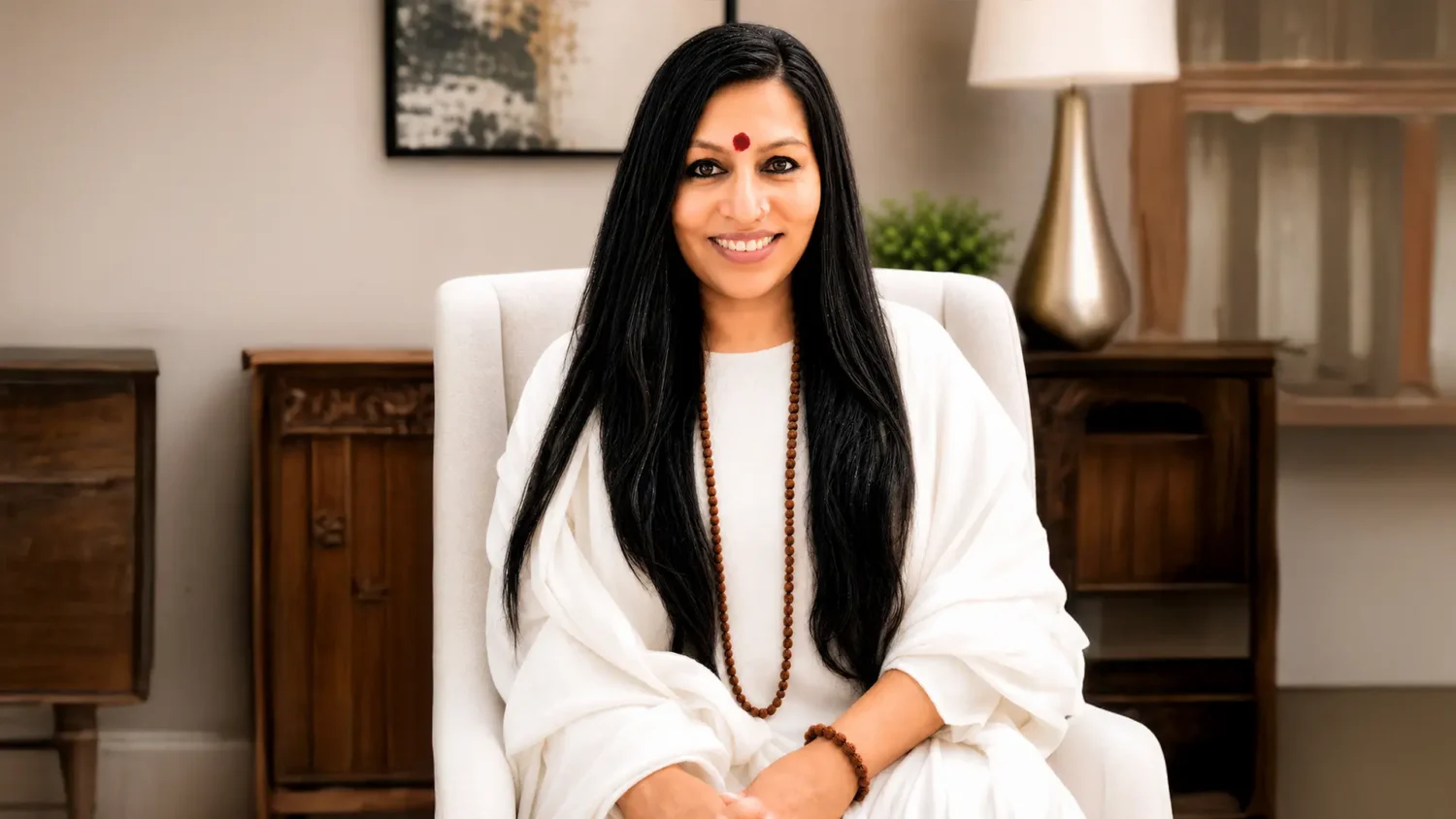
Not Ready Yet? Watch Acharya Shunya’s Free Masterclass on Meditation, or explore all free masterclasses.
Frequently Asked Questions
What is the best meditation for spiritual awakening?
There is no single best practice. Breath awareness is the most common starting point, and self-inquiry and open awareness are often used to look directly at awareness itself. Choose the one you will practice daily.
How do I meditate for a spiritual awakening?
Sit comfortably, pick one simple practice such as following the breath, and return gently when your mind wanders. Start with five minutes a day and build slowly.
How long should I meditate each day?
Five to fifteen minutes is a good start. Many people lengthen their sessions gradually, but regularity matters more than duration.
Can meditation cause a spiritual awakening?
Many people say a steady practice opens the door to awakening, while others describe awakening arriving on its own. Meditation is a way of preparing and supporting the process.
What is the easiest meditation for beginners?
Breath awareness and the body scan are the most beginner-friendly. Both give the mind something simple to rest on.
What is self-inquiry meditation?
Self-inquiry asks “Who am I?” and turns attention toward the one who is aware. It comes from non-dual traditions and is best approached with patience.
Is breathwork safe for spiritual awakening?
Gentle breathing practices are generally well tolerated, but strong or prolonged breathwork can cause dizziness or distress for some people. Learn from a qualified teacher and talk with your doctor if you have a medical condition.
Why do I feel emotional when I meditate?
Slowing down lets held feelings rise. Staying with the breath and body, and seeking support when needed, usually helps them pass.
What if I cannot quiet my mind?
A busy mind is normal. The practice is noticing and returning, not stopping thoughts. A mantra or walking meditation can help.
What time of day is best to meditate?
Early morning or evening works well for many people. Choose a time you can keep.
Can I meditate lying down?
Yes, especially for the body scan. If you tend to fall asleep, sit upright for most practices.
When should I get help while meditating?
If you feel distress, panic, confusion or unsafe, stop the practice and speak with a doctor or licensed therapist. In the United States, call or text 988 if you have thoughts of harming yourself.