
Sleep paralysis happens when your mind wakes up before your body does. The normal muscle relaxation of dream sleep, called REM atonia, is still switched on while you are aware, so you cannot move or speak for a short time. Science treats it as a common sleep phenomenon, and some practitioners of astral projection treat it as a doorway. This guide starts with the medical explanation, then explores the practitioner view with safety first.
Key Takeaways
- Sleep paralysis is a temporary inability to move or speak while falling asleep or waking up.
- It is linked to REM atonia, the body’s normal muscle relaxation during dreaming.
- Pressure, a felt presence or floating sensations are common and are understood as dream imagery spilling into waking awareness.
- See a doctor if episodes are frequent, cause anxiety about sleep or come with heavy daytime sleepiness.
- Some practitioners call the state a gateway to astral projection. That is belief and personal report, not a medical finding.
- Calm breathing is the common advice. Some people should avoid exploring it at all.
What Is Sleep Paralysis?
Sleep paralysis is a state that occurs while waking up or falling asleep, in which a person is aware but unable to move. Episodes typically last a few minutes, and many people have at least one in their lives. They can feel intense, which is why people often remember them vividly.
| Question | Sleep paralysis at a glance |
|---|---|
| What is it? | Awareness while the body is still in dream-sleep relaxation |
| When does it happen? | While falling asleep or waking up |
| How long does it last? | Usually a few minutes |
| Common sensations | Pressure on the chest, a felt presence, buzzing, floating |
| Common triggers | Sleep loss, irregular sleep schedules, stress, sleeping on the back |
| Who to ask about it? | A doctor or sleep specialist |
What Causes It? The Science of REM Atonia
During REM sleep, the stage most linked with vivid dreams, the brain keeps your muscles relaxed so you do not act out what you dream. That protective relaxation is REM atonia. Sleep paralysis is thought to occur when waking awareness overlaps with REM sleep, so you are conscious while atonia is still in place. Breathing carries on throughout, even if it can feel otherwise.
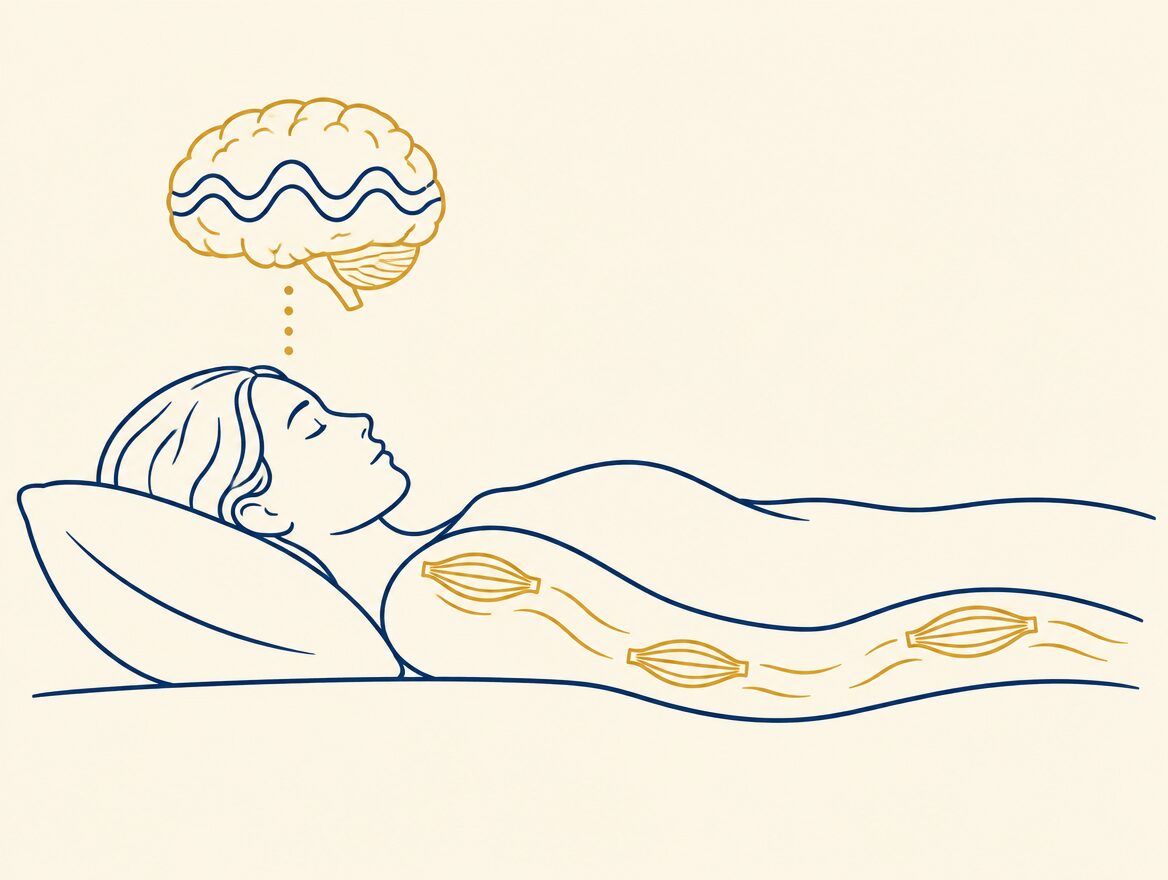
The frightening sensations have a natural explanation too. Researchers consider them dream imagery appearing while you are awake, often in the drifting state described as hypnagogia. The brain is still producing dream content, so a shadow or a pressure on the chest can feel real.
When to See a Doctor
Please see a doctor or sleep specialist if episodes are frequent, make you anxious about going to sleep, leave you very tired by day, or come with sudden sleep attacks or other symptoms. Frequent sleep paralysis can be associated with sleep disorders such as narcolepsy, and only a medical professional can tell you what is going on. Nothing here is medical advice, and we make no health promises.
Why Do Some People Link It to Astral Projection?
Many people describe floating, vibrations or a sense of rising during sleep paralysis, which are also classic out-of-body sensations. Practitioners see the state of a sleeping body with a waking mind as a threshold, and some describe it as a gateway into projection. Scientists see the same sensations as dream imagery. Both views are told here honestly, and neither is proven to the other’s satisfaction.
If you are curious about the practitioner side, start with our astral projection guide, then read about the silver cord, the tether practitioners say keeps you connected. Our article on lucid dreaming covers a gentler cousin of these states.
A Calm Way to Approach It
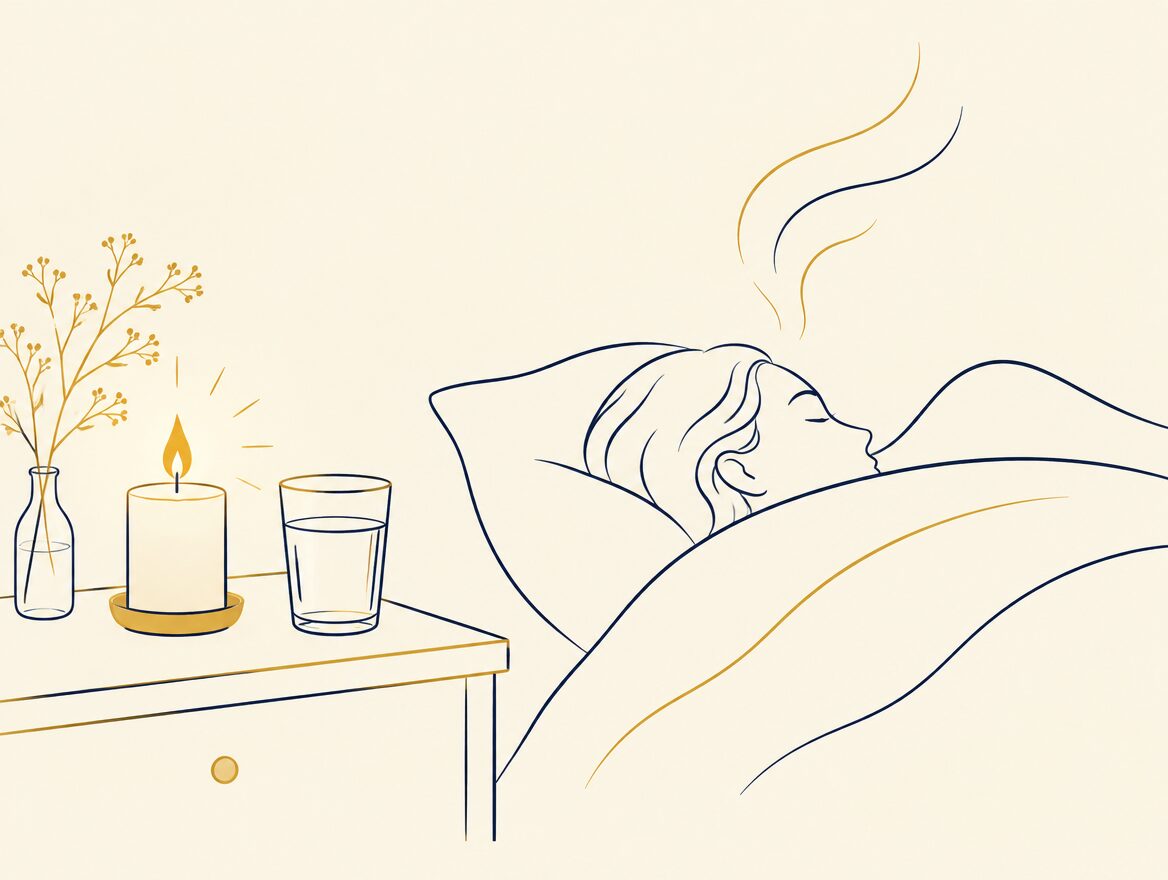
This is a practitioner-style approach to meeting an episode, not a way to bring one on. It is about staying calm if it happens.
- Remind yourself it is temporary, common and understood.
- Breathe slowly and focus on the breath rather than the struggle.
- Try a tiny movement, such as a finger or toe, or a slow blink.
- If it feels frightening, choose to wake and let the moment pass.
- Afterward, sit up, drink some water and ground yourself with our earthing and grounding guide.
Many people find a steady sleep schedule helps, and a doctor can advise you personally.
Who Should Avoid Trying It?
Please do not experiment if you have frequent or distressing sleep paralysis, anxiety or panic, a trauma history, dissociation or psychosis, a diagnosed sleep disorder, or heavy sleep loss. If you are under care for sleep or mental health, ask your clinician first. If you feel in crisis, call or text 988 in the United States.
Podcast Conversations to Explore Next
These Next Level Soul Podcast conversations pair well with this guide. Each guest shares what they say they experienced.

Jannecke Øinæs: The Benefits of Astral Projection
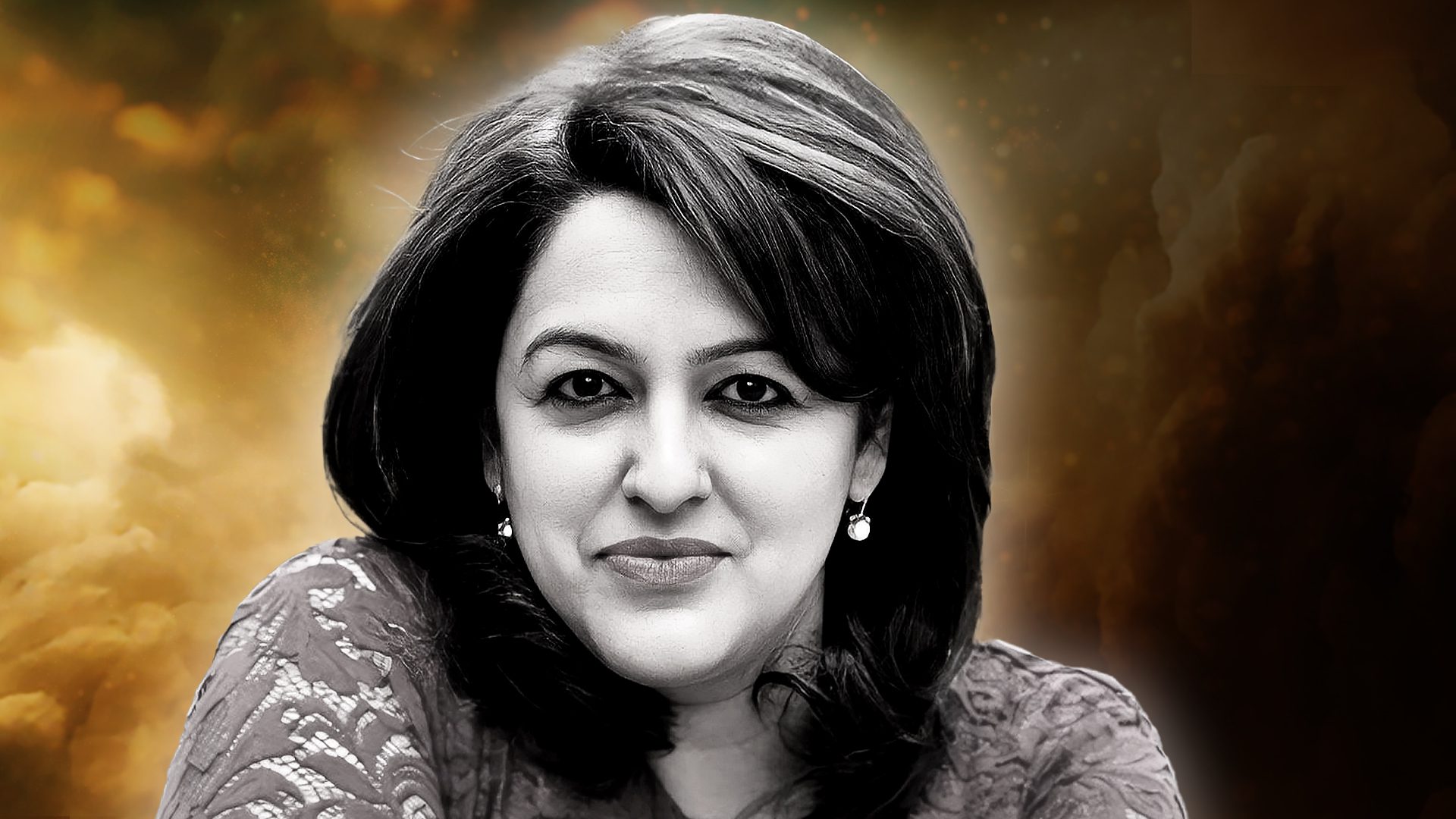
Jannecke Øinæs shares her inner journey, a vivid landscape she describes and her view of soul purpose. A good listen for anyone curious about astral projection from a practitioner. Watch the full episode and read the show notes.
Dr. Manmit Kumarr: A Scientist’s Out-of-Body Experience
Dr. Manmit Kumarr shares how a left-brained scientific career met an out-of-body experience, spirit guides and a change of direction. A helpful bridge between science and spirit. Watch the full episode and read the show notes.
Anton Grosz: A Scientist on Light, Dimensions and Oneness
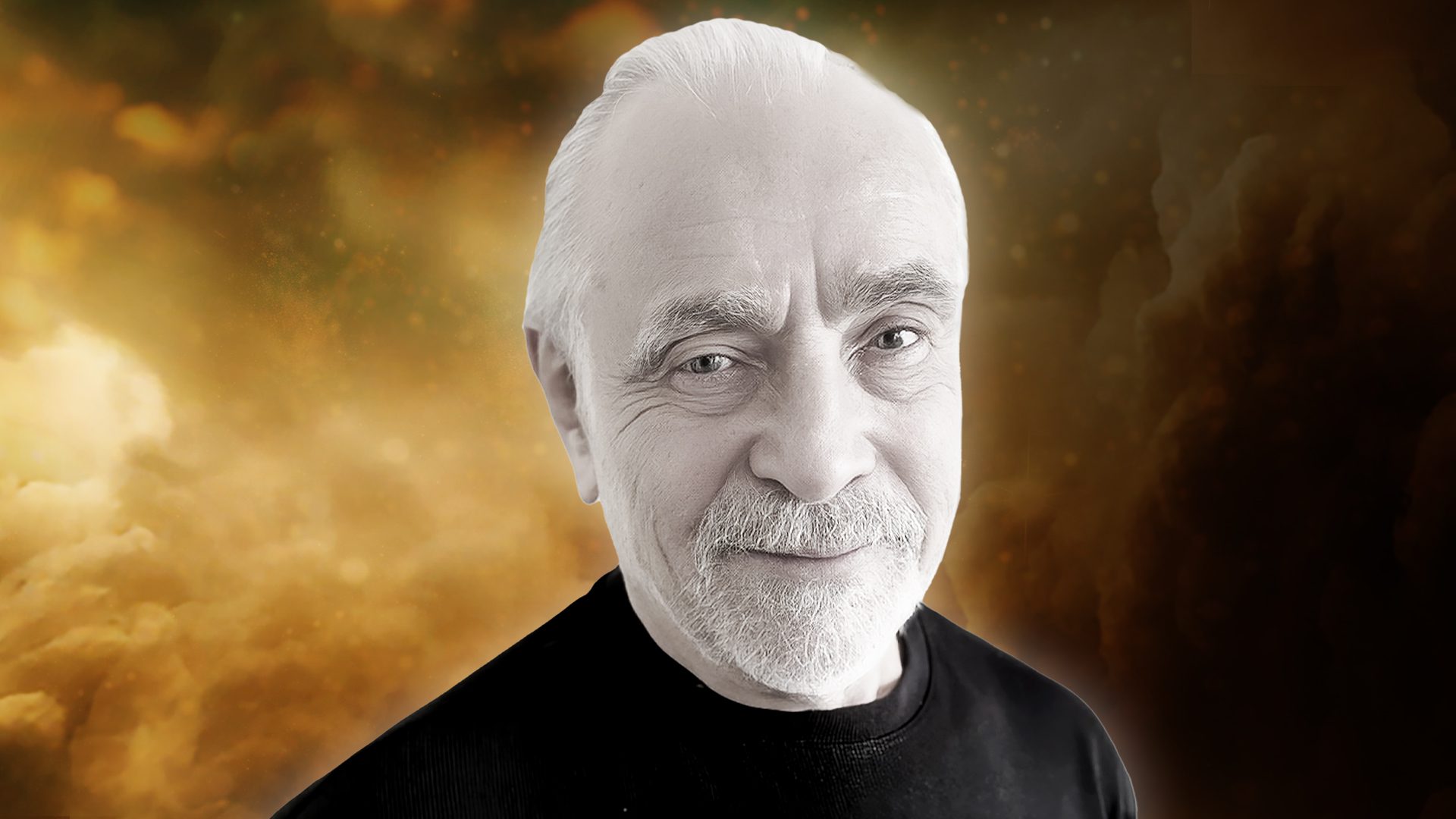
Anton Grosz shares what he says he experienced: light, many dimensions, deep peace and the idea that we are one. A reflective listen from a scientist’s point of view. Watch the full episode and read the show notes.
Sources and Further Reading
Spirituality for the Rest of Us™
Movies, teachings and community on Next Level Soul TV.
Go Deeper with NLS Mastery: Astral Therapy
If you are curious about the astral realms, there is a guided and careful way to explore them. Mariko Frederick teaches it in Astral Therapy, part of NLS Mastery. Watch the course preview below.

Frequently Asked Questions About Sleep Paralysis and Astral Projection
What is sleep paralysis?
Sleep paralysis is a temporary inability to move or speak while falling asleep or waking up, with awareness intact. Episodes usually last a few minutes.
What causes sleep paralysis?
It is thought to occur when waking awareness overlaps with REM sleep. Sleep loss, irregular schedules and stress are common triggers.
What is REM atonia?
REM atonia is the normal relaxation of most muscles during REM sleep. It helps keep you from acting out your dreams.
Is sleep paralysis dangerous?
For most people it is frightening but brief. If episodes are frequent, speak with a doctor.
Why do I feel a presence or pressure on my chest?
Researchers understand these as dream imagery appearing while you are awake. The brain is still producing dream content, so it can feel very real.
When should I see a doctor about sleep paralysis?
See a doctor if episodes are frequent, cause anxiety about sleep, leave you very tired by day or come with other symptoms. Sleep specialists can check for related sleep disorders.
Is sleep paralysis the same as astral projection?
No. Sleep paralysis is a recognized sleep phenomenon, while astral projection is a spiritual practice and belief. People sometimes connect them because of shared sensations.
Can sleep paralysis lead to astral projection?
Some practitioners say it can act as a gateway. That is personal report, and science explains the sensations as dream imagery.
How do I stay calm during sleep paralysis?
Remember it is temporary, breathe slowly and try a tiny movement of a finger or toe. Afterward, sit up and drink some water.
Who should avoid exploring astral projection through sleep paralysis?
Anyone with frequent or distressing episodes, anxiety, trauma, dissociation, psychosis or a sleep disorder should not experiment. Ask your clinician first.