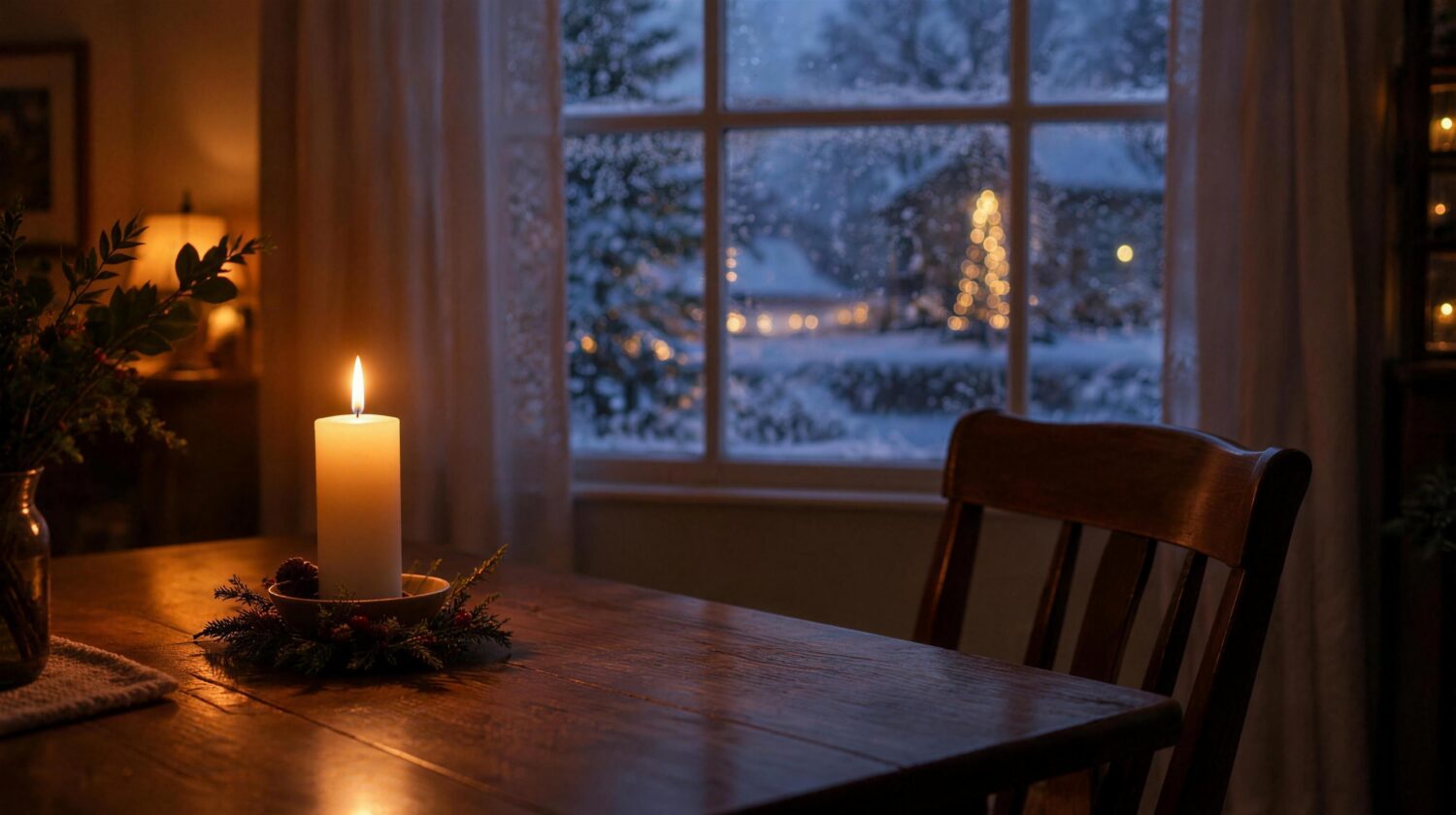
Grief during the holidays feels heavier because the season is built on togetherness, tradition and memory, and each of those points toward the person who is missing. This is a natural response to love, not a sign that you are grieving wrong. With small rituals, honest boundaries, steady self-care and the right support, you can move through the season with your loved one still held in your heart.
A gentle care note. If you are struggling, please reach out to a licensed grief counselor or therapist. If you are in the United States and feel you may be in crisis or thinking about harming yourself, call or text 988, the Suicide and Crisis Lifeline, any hour of the day or night. This article shares spiritual perspectives and everyday comfort ideas. It is not medical or mental health advice.
Key Takeaways
- Holiday grief is normal. Songs, smells, empty chairs and family traditions can bring a loss back with new force.
- There is no right way to grieve. Sadness, anger, numbness, laughter and relief can all appear in the same hour.
- Rituals help. A candle, a place at the table, a memory table or a letter gives love somewhere to go.
- Boundaries are kind. You may leave early, skip an event or change a tradition, and none of that is selfish.
- Many people report signs. Some describe dreams, scents, songs or timely symbols from loved ones. Experiences vary and nothing is guaranteed.
- Help is a strength. A licensed counselor, a grief group, or 988 in the US is always a valid choice.
Walking through the loss of someone close to you? You may also find comfort in our guides to why the veil is said to be thin and to building an ancestor altar.
What Is Grief During the Holidays?
Grief is the natural response to losing someone or something that mattered deeply. It can follow a death, a divorce, an estrangement, a pet’s passing, a miscarriage, or the end of a life you once knew. Grief during the holidays, sometimes called holiday grief, is what that same love feels like when the calendar fills with gatherings, music, food and expectations of joy.
The holidays ask us to look back and to look around the table. For someone who is grieving, both views include an absence. A recipe in a familiar handwriting, a coat that no longer hangs by the door, or the first quiet morning without a phone call can open the heart all over again.
It helps to know what this experience is not. It is not weakness, and it is not proof that you are failing to heal. In spiritual language, grief is love with nowhere to land. The holidays simply remove the usual distractions and let that love be felt more clearly.
Why Do the Holidays Make Grief Feel Heavier?
Many things come together in a few weeks, and each one can press on a tender place. Understanding them can take away some of the surprise and some of the shame.
- Tradition is memory in motion. Every ritual, from the first song of the season to the way the table is set, carries the voice and presence of the person you miss.
- The contrast is sharp. Lights, laughter and shop windows say “celebrate” while your heart says “something is missing.” Holding both at once is tiring.
- The calendar is full of firsts and anniversaries. First holidays, birthdays, wedding anniversaries and the day of a passing may all fall in the same stretch of weeks.
- Social pressure is loud. Cards, invitations and cheerful greetings can make you feel you have to appear fine.
- Dark, cold days affect many people. Shorter days, disrupted sleep and busy schedules can leave less energy for feeling.
- Others may avoid the subject. Friends often do not know what to say, so your loved one’s name may go unspoken at the very time you want to speak it.
Across cultures, many traditions mark the darker part of the year as a time when remembrance feels close. We explore this in our guides to Samhain and Day of the Dead, where honoring those who have died is part of the season itself. In that sense, your tender feelings are not out of place. They are part of a very old human pattern.
What Is Normal When You Are Grieving at the Holidays?
Almost everything is normal. Grief does not move in a straight line, and it rarely follows a schedule. The well-known five stages of grief, described by psychiatrist Elisabeth Kubler-Ross in her 1969 book On Death and Dying, were never meant as a strict checklist, and many people move through feelings in a different order or all at once. Colin Campbell, who lost his two children and shared his experience on our podcast, says grief does not arrive in neat stages and that many feelings can show up many times a day.
The table below lists common holiday reactions and what they may be telling you. It is a gentle guide, not a diagnosis.
| What you may feel | What it may mean | A kind response |
|---|---|---|
| Sudden tears at a song or smell | Memory is carrying love to the surface | Let the tears come, then breathe slowly and have water |
| Numbness or flatness | The heart is protecting you from too much at once | Rest, go slowly, and do not force a feeling |
| Anger at family, at the world, at the loss | Anger often sits beside love and pain | Move your body, write it out, and speak to someone you trust |
| Guilt about laughing or enjoying something | Joy can feel like disloyalty, though it is not | Remind yourself that your loved one would want you to feel light too |
| Dread of the holidays beforehand | Anticipation is often harder than the day itself | Plan a small ritual and a way to leave if needed |
| Exhaustion and trouble sleeping | Grief uses real energy | Protect your rest and say no to extras |
| Relief mixed with sadness | Common after a long illness or a hard relationship | Allow both feelings without judging either |
Some people want the holidays to be as normal as possible. Others want to skip them altogether. Both choices are valid. What matters is that the choice comes from your own heart and not from pressure.
Go Deeper with NLS Mastery: Awaken the Inner Medium
If grief has you longing to feel your loved one near, this course guides you to open your own intuition and learn how spirit communication works, with care and grounding. Nikki Dutta teaches it in Awaken the Inner Medium, part of NLS Mastery. Watch the course preview below.

How Can You Honor a Loved One During the Holidays?
Love does not end when a life does. Many people find that the holidays hurt less when the loved one is invited in, instead of pushed aside. Rituals give grief a shape, a time and a place, so it does not leak into every moment. Choose one or two of the ideas below, and let them change from year to year.
Light a Candle
A candle is one of the oldest symbols of remembrance. In Jewish tradition, a yahrzeit candle is lit on the anniversary of a death and burns for a full day. You do not need to follow that tradition to borrow the gesture. Light a candle at the start of your meal or each evening of the season, say your loved one’s name aloud, and let the flame hold your attention for a few quiet breaths.
Set a Place or Honor the Empty Chair
Some families set a place at the table, leave a chair open, or place a framed photograph where their loved one used to sit. Others find this too painful, and that is fine. If you try it, tell the people at the table beforehand so no one is caught off guard. A simple sentence works well: “We are keeping this seat open for Dad tonight.”
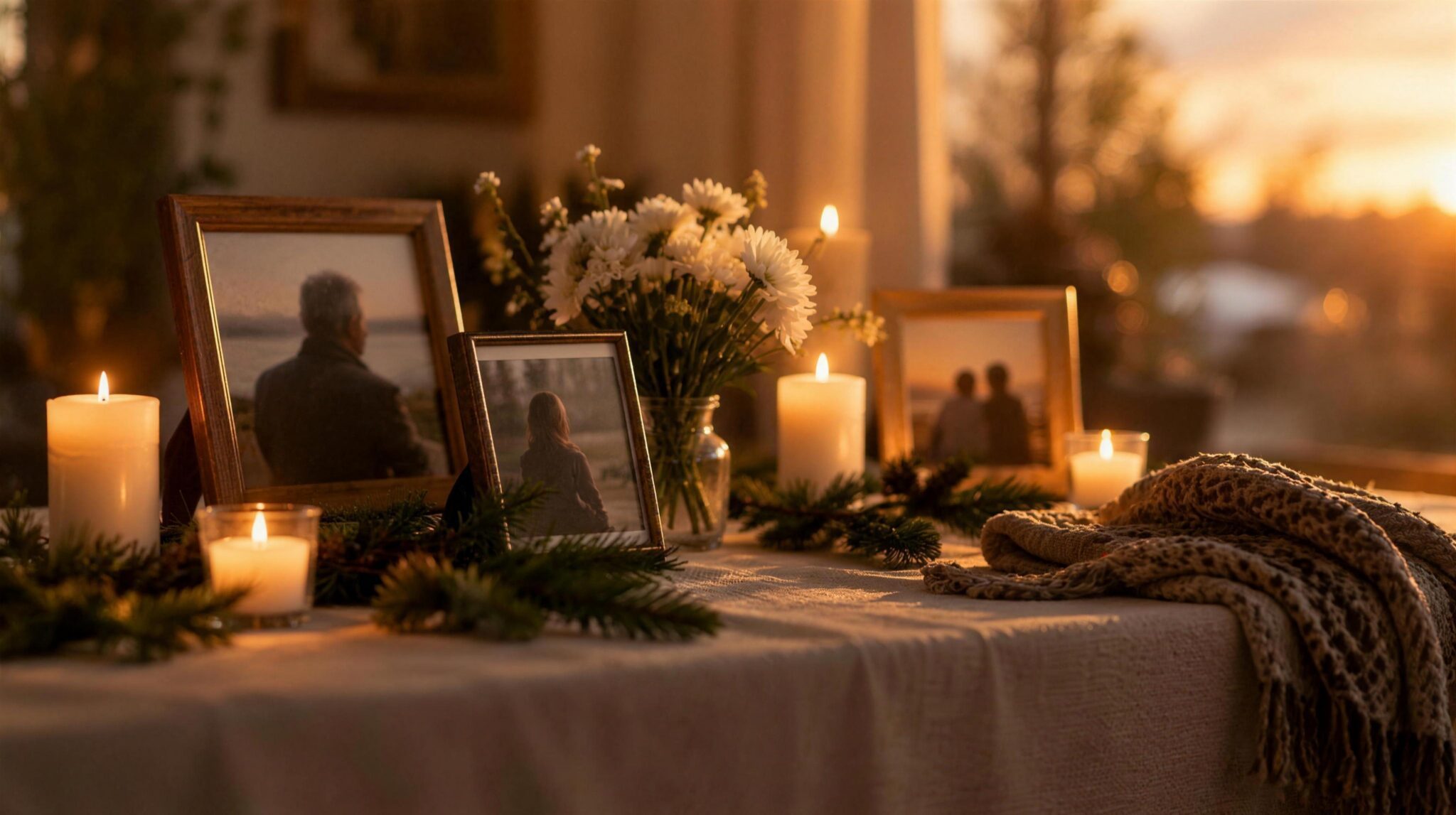
Create a Memory Table
A memory table, sometimes called a remembrance altar, gathers photographs, a favorite mug, a piece of jewelry, a handwritten note or a flower. In Mexico, families build ofrendas for Day of the Dead, and in many cultures ancestors are honored with a small altar. Our guide to the ancestor altar shows how to build one with care. Invite guests to add a photo or a written memory so the table becomes shared, living comfort.
Write a Letter
Many grieving people find peace in writing. Sit with a pen and tell your loved one what this year has been like. Say what you miss, what you are grateful for, what you wish you had said and what you hope for now. You can keep the letter, tuck it under a candle, read it aloud, or burn it safely and let the smoke carry your words upward. No one else needs to read it.

Make a Small Ritual of Your Own
A ritual does not have to be elaborate. These simple ideas are used by many families:
- A toast or a moment of silence before the meal, naming the person you miss.
- Their favorite dish prepared in their honor, or their recipe cooked together.
- A candlelit walk or a visit to a place they loved.
- An ornament chosen or made for them and hung on the tree each year.
- A donation or act of kindness in their name, such as feeding someone in need or helping a neighbor.
- Their music played softly while you gather, with permission to cry or dance.
- A cleansing and calming bath at the end of a heavy day, as described in our spiritual cleansing bath guide.
Some churches also hold “Longest Night” or “Blue Christmas” services around the winter solstice for people who are grieving, and many hospices and community centers offer grief groups during the season. These can be gentle places to be sad among people who understand.

God’s Miracle After Loss of Daughter with Nichole Clark
Nichole Clark shares what she says she learned after losing her daughter Emberley, including the conversations she began receiving in meditation and how they changed the way she sees pain, God and purpose.
How Do You Set Boundaries When You Are Grieving?
Boundaries are not walls. They are a way of protecting the little energy you have so that you can show up in the ways that matter most. Grief changes what you can handle, and it is fair to tell the people around you.
Simple Sentences You Can Use
| Situation | A gentle way to say it |
|---|---|
| You need to decline an invitation | “Thank you for thinking of us. This year I need a quieter holiday, but I am grateful you asked.” |
| You want to arrive late or leave early | “I would love to come for a little while. I may head home early, and that is okay.” |
| You do not want advice | “I do not need anything fixed right now. Listening is what helps me most.” |
| You want your loved one remembered | “Could we share a story about her tonight? It would mean a lot to me.” |
| You do not want to talk about it | “I appreciate your care. I would rather not talk about it today.” |
| You are changing a tradition | “We are trying something different this year. We may bring the old tradition back another time.” |
It is also fine to limit screen time and social media. Photographs of perfect celebrations can sharpen the sense that everyone else is okay. You are allowed to step away from anything that does not feed your peace.
How Do You Handle Family Gatherings When You Are Grieving?
Gatherings can bring comfort and ache in equal measure. A little planning can make them softer.
- Bring your own transportation so you can leave when you need to.
- Choose a trusted person to sit near, who knows to check in with you quietly.
- Pick a retreat spot, such as a bedroom, a porch or a walk around the block, where you can breathe.
- Plan the first five minutes. Walking in is often the hardest part. A friend by your side helps.
- Name the loss out loud. Many people are relieved when someone mentions the missing person. A brief line such as “We are thinking of Mom today” can ease the room.
- Create a code word with a loved one that means “I need a break.”
- Let children and elders in. They may also be grieving, and shared remembrance can bring everyone closer.
Colin Campbell says we grieve best in community and not alone, and that grief is the flip side of love. He also found practical comfort in the mourning customs of his wife’s Jewish tradition, even though he describes himself as an atheist. His advice to friends and family is simple: do not try to fix the pain. Reach out, listen, and keep reaching out. Those are good words to share with people who ask how they can help you.

Truth About Death and Loss Revealed with Colin Campbell
Filmmaker and professor Colin Campbell speaks openly about losing his two children, why he believes we grieve best in community, and how kindness and creative outlets helped him carry the pain.

The First Holiday Without Them Versus Later Years
The first holiday after a loss is often a fog. Many people say it feels unreal, as if they are watching their own life from a distance. Later years can bring a different kind of ache, as the world moves on and others expect you to be “better.” Neither stage is wrong. They simply ask for different kinds of care.
| The first holiday | Later holidays | |
|---|---|---|
| What it often feels like | Shock, numbness, a sense of unreality, waves of raw pain | Quieter sadness, sharp surprises, a longing that returns without warning |
| Common challenge | Deciding what to keep and what to change | Feeling that others expect you to have healed |
| Helpful approach | Keep plans simple and flexible, with a clear way to leave | Build lasting rituals, and share stories so the person stays part of the family |
| Reminder | You do not have to do everything the way it was | Grief that returns is love that remains, not a step backward |
Grief and Signs From Loved Ones at the Holidays
For many people, the holidays are also a season when a loved one feels close. Some describe a sense of presence in a quiet room. Others report dreams, a familiar scent, a song that plays at just the right moment, lights that flicker, a bird or butterfly that lingers nearby, or numbers and symbols that seem to arrive on cue. These experiences are often called after-death communication, or signs from loved ones.
It is worth being clear and kind about this. Some people find deep comfort in these moments and consider them real contact from the other side. Others see them as the mind and heart finding connection through memory and symbol. Researchers and skeptics offer other explanations, and we respect that. Nothing here is a guarantee, and you do not need to experience a sign to be loved, or to still be connected to the person you miss.
What People Commonly Report
| Type of experience | How people describe it |
|---|---|
| Dreams | Vivid, peaceful dreams in which the loved one looks well and speaks of love |
| Scents | A sudden whiff of perfume, tobacco, baking or flowers associated with the person |
| Music and radio | A favorite song at a poignant moment |
| Birds, butterflies and animals | A visitor that seems to linger or appear at meaningful times |
| Lights and electronics | Flickering lights, or devices that switch on or off |
| Numbers and symbols | Repeating numbers, coins, feathers or other small tokens |
| A sense of presence | Warmth, a gentle touch, or the feeling of someone beside you |
Suzanne Giesemann, a former Navy commander who became an evidential medium, says her stepdaughter Susan and Michael “Wolf” both died suddenly and that each left signs before they passed. On our podcast she shares what she calls the sign game: asking spirit to show a sign that confirms a message you can trust. Mark Anthony, a psychic medium, attorney and author, describes what he calls the afterlife frequency and says that who we are is eternal energy. These are their own views and experiences, offered for your consideration.

How to Speak with Your Loved Ones Beyond the Veil with Suzanne Giesemann
Suzanne Giesemann talks about the signs she says her stepdaughter and Wolf left before they passed, the film Wolf’s Message, and how anyone can learn to trust spirit.

The Afterlife Frequency and Proof of Spirit World with Mark Anthony
Psychic medium, attorney and author Mark Anthony shares what he calls the afterlife frequency, his electromagnetic soul theory, and what he says the other side is really like.
If you are curious, you can explore this topic further in our guides to the thin veil, synchronicity, shared death experiences and deathbed visions, and the glossary entry on mediumship. You may also find our near-death experience library comforting, since many people say these accounts changed how they think about loss.
If you ever seek a reading, be wary of anyone who charges large sums or promises certain messages while you are vulnerable, and trust your own feelings.
How Can You Help Children Grieve at the Holidays?
Children grieve too, though often in a different rhythm. A child may cry at breakfast and be laughing with friends an hour later. Grief counselors who work with children often note that this moving in and out of sadness is normal and healthy.
- Use honest, simple language. Say “died” and avoid phrases such as “went to sleep” or “we lost him,” which can confuse and frighten young children.
- Include them in remembrance. Let them choose a candle, draw a picture, hang an ornament or tell a story about the person.
- Tell them what to expect. Explain who will be there, what you might do, and that they can take a break at any time.
- Let them see your feelings. Tears and a calm explanation teach that sadness is safe and love continues.
- Keep routines steady. Meals, bedtimes and familiar rituals provide security when everything else feels different.
- Watch for signs of struggle, such as long-lasting changes in sleep, school, appetite or mood, and talk with their doctor or a child grief counselor if you are worried.
Teens often grieve privately. Offer space, and let them know you are available without pressing. Many teens appreciate a trusted adult outside the family to talk with.
Self-Care for Grief During the Holidays
Self-care is not a luxury when you are grieving. It is how you stay steady enough to feel what you need to feel.
- Protect your sleep. Keep a regular bedtime when you can, and rest without guilt when you cannot.
- Eat and drink water. Grief can make you forget your body.
- Move gently. A daily walk, stretching or yoga helps the nervous system release tension.
- Limit alcohol. It may seem to soften the pain, but it often deepens low moods and disrupts rest.
- Schedule rest and release. Plan an hour after each event to be alone, cry or breathe.
- Spend time in nature. Light, fresh air and the sight of trees or sky can quiet a crowded mind.
- Try meditation or prayer. Even five minutes of slow breathing and silence can ease the body. The free masterclasses on our site are a gentle place to start learning.
- Receive help. Let someone cook, drive, shop or sit with you.
- Say yes to joy when it comes. Laughing does not betray your loved one.
When Should You Seek Help for Grief?
Grief is not an illness, and most people do not need treatment for it. Still, there are times when professional support is wise. Please consider speaking with a licensed grief counselor, therapist, doctor, spiritual advisor or support group if you notice any of the following:
- Your pain feels unbearable, or you cannot function in daily life for a long stretch.
- You are not eating, sleeping or caring for yourself for many days in a row.
- You are using alcohol or other substances to get through each day.
- You feel intense guilt, hopelessness or a sense that life has no purpose.
- You are withdrawing from everyone who loves you.
- You have thoughts of ending your life or harming yourself.
Clinicians use the term prolonged grief disorder for grief that stays intensely disabling long after a loss. Only a trained professional can assess that, and help is available and effective.
If you are in crisis, please reach out now. In the United States, call or text 988 to reach the Suicide and Crisis Lifeline, free and open at any hour. If you are in immediate danger, call 911. If you live outside the US, please contact your local emergency number or crisis line. You are not a burden, and you do not have to carry this alone.
If you are looking for community, you can also find help and answers in our Help Center, or join others on a similar path at Next Level Soul TV.
Further Reading for Grief and Loss
These books are good companions in grief. Each link below goes to Amazon, and we may earn a small commission at no cost to you.
On Grief and Grieving by Elisabeth Kubler-Ross and David Kessler
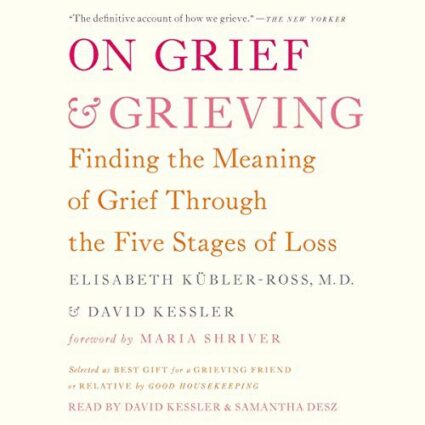
A compassionate look at grief that draws on Kubler-Ross’s work with the dying and Kessler’s years with the bereaved. It reframes the stages as signposts and not a checklist. See it on Amazon.
A Grief Observed by C. S. Lewis

A short, honest journal Lewis wrote after the death of his wife, with raw questions about faith, loss and love. See it on Amazon.
The Year of Magical Thinking by Joan Didion

Didion’s account of the year after her husband died suddenly, written with clarity and without false comfort. See it on Amazon.
It’s OK That You’re Not OK by Megan Devine
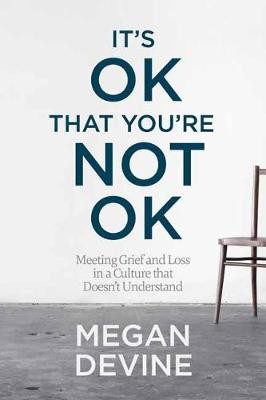
A gentle guide for people who are grieving and for those who love them, from a therapist who lost her own partner. See it on Amazon.

A Free Gift
Find a little calm and comfort this season.
Reading about grief is one thing. Finding moments of peace inside it is another. The free Sacred Awakening Toolkit is a collection of meditations, teachings and guidance to help you find calm, clarity and balance, one breath at a time.
- Exclusive Bashar Channeling (20 Min). An original channeling recorded exclusively for Next Level Soul, with direct insights from one of the most influential channeled teachings of our time.
- 5 Sacred Meditations. Calm the mind, open the heart and reconnect with inner presence.
- Bonus: Cosmic Chakra Meditation (30 Min). Align and activate your energy centers.
- Spiritual Awakening Roadmap PDF. A clear, grounded guide to the awakening process.
Free. Unsubscribe anytime. Your email is safe with us.
Frequently Asked Questions About Grief During the Holidays
Why is grief so hard during the holidays?
The holidays center on family, tradition and memory, and each of those reminds you of who is missing. Added pressure to appear cheerful, a crowded calendar and shorter, darker days can make the feelings even stronger.
How do you get through the holidays after losing someone?
Go gently and plan ahead. Choose a few meaningful traditions, set clear boundaries, build in time to rest, honor your loved one with a ritual such as a candle or a memory table, and lean on people who understand. Professional support is always a good option.
Is it normal to feel sad, angry or numb during the holidays?
Yes. Grief can bring sadness, anger, guilt, numbness, relief and even laughter, sometimes in the same hour. These reactions are common, and they do not mean you are grieving wrongly.
Should I keep my family traditions after a loss?
There is no rule. Some people keep everything the same for comfort, while others change the menu, place or routine to ease painful reminders. A balanced approach is to keep one or two traditions that matter most and adjust the rest for now.
How can I honor a loved one who has died at the holidays?
Light a candle, set a place at the table, build a memory table with photographs, write them a letter, cook their favorite dish, hang a special ornament, or do an act of kindness in their name. Choose what feels true to you.
Is it okay to skip the holidays when I am grieving?
Yes. You are allowed to decline invitations, leave early or hold a quiet day instead. Simple honesty helps, for example: “I need a quieter holiday this year, but thank you for thinking of me.”
What should I say to someone who is grieving during the holidays?
Keep it simple and kind. Say their loved one’s name, offer to listen without trying to fix the pain, and offer something specific such as a meal or a walk. Avoid phrases like “they are in a better place” unless you know it will comfort them.
How do I handle family gatherings when I am grieving?
Plan your own transportation, pick a quiet place to step away, sit near someone you trust and agree on a signal when you need a break. You may also share a story about your loved one to make space for remembrance.
Can loved ones send signs during the holidays?
Many people report dreams, scents, songs, birds, lights or a sense of presence that they feel come from a loved one. Others see these experiences as memory and symbol. Experiences vary, and no sign is guaranteed.
How do I help a child who is grieving at the holidays?
Use clear, honest words, keep routines steady and include the child in remembrance, such as choosing a candle or drawing a picture. Children often move in and out of sadness quickly. If you are worried, speak with their doctor or a child grief counselor.
How long does holiday grief last?
There is no set timeline. Many people find that the sharpest pain softens with time, yet it can return around birthdays, anniversaries and holidays. If your pain stays overwhelming or gets worse, please speak with a licensed grief counselor.
When should I seek professional help for grief?
Reach out if you cannot function in daily life, are not eating or sleeping, are relying on alcohol or other substances, feel hopeless, or have thoughts of self-harm. In the US, call or text 988 any time. A licensed grief counselor or therapist can help.
One more gentle reminder. If you are struggling, please reach out to a licensed grief counselor or therapist. In the United States, you can call or text 988 (Suicide and Crisis Lifeline) at any hour. You do not have to walk through this season alone. This article is for comfort and reflection and is not medical advice.
Sources and Further Reading
Grief (Wikipedia) · Five stages of grief (Wikipedia) · Elisabeth Kübler-Ross (Wikipedia) · Prolonged grief disorder (Wikipedia) · Veneration of the dead (Wikipedia) · Yahrzeit candle (Wikipedia) · Suicide and Crisis Lifeline, 988 (Wikipedia)