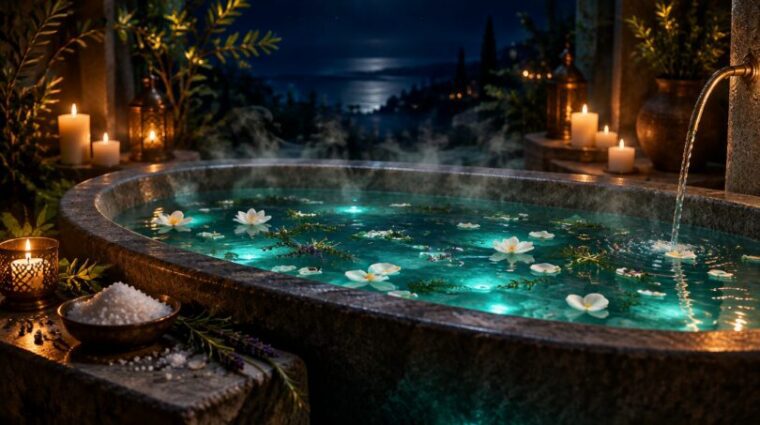
A spiritual cleansing bath is a warm bath taken with intention, often with salt, herbs or flowers, to mark a fresh start and help you feel clear and settled. People also call it a spiritual bath, a ritual bath or an energy cleansing bath.
It is an old idea with many roots, from salt baths and herbal baths in folk traditions across the Americas to the water practices of Japan and India. It is also something you can do tonight with items from your kitchen, a quiet room and about thirty minutes.
No gatekeeping here. You do not need a teacher, a title or a rare ingredient. You do need a few safety basics, and we cover those plainly below. This is a ritual for relaxation and reflection, not a medical treatment.
Key Takeaways
- A spiritual bath is a bath taken with a clear intention, usually with salt, herbs or flowers.
- Many cultures use ritual water, including hoodoo, curanderismo, Ayurveda, Japanese misogi and onsen, and simple salt baths.
- The simplest version is warm water, sea salt or Epsom salt, a quiet room and one clear sentence of intent.
- Safety comes first: patch test new ingredients, dilute essential oils, keep the water comfortably warm, never swallow herbs, and check with a doctor if you are pregnant or have a health condition.
- It is a ritual for calm and reflection, not a treatment for any condition.
What Is a Spiritual Bath?
A spiritual bath is a bath with a purpose. Instead of rushing through it, you slow down, set an intention, and let the water become a pause between one part of your life and the next. Many people take one after a hard week, near a new moon, at the end of a season, or after time around heavy emotions.
The word cleansing points to something symbolic. Water has stood for renewal in nearly every culture. When you step out of the tub, the idea is that you leave behind what you were carrying, the tension, the noise, the old story, and walk into the next hour a little lighter. Whether you understand that as energetic, emotional, or simply the effect of taking quiet time for yourself is entirely up to you.
Three things set a spiritual bath apart from an ordinary one:
- Intention. You decide why you are taking the bath before you get in.
- Attention. You stay present with the water, the breath and the body instead of scrolling.
- Closure. You end with a deliberate act, such as draining the tub while you let go of what you named.
Where Do Spiritual Baths Come From?
No single tradition owns the spiritual bath. Water and purification appear in many cultures, each with its own meaning. The overview below is a respectful starting point, not a manual. Where a tradition belongs to a living community, we point you toward learning from the people who carry it.
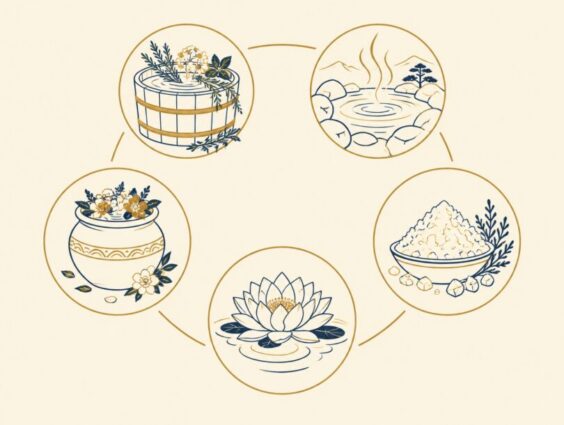
Salt baths
Salt has long been linked with purification, and salt baths appear in folk practice across Europe, the Americas and beyond. Sea salt is the most common choice because it is easy to find and feels simple and natural. For most people today it is the front door to a spiritual bath.
Hoodoo, curanderismo and Santeria baths
In hoodoo, a Black American folk tradition with African and Indigenous roots, ritual baths made with herbs and other natural items are part of everyday spiritual care. In curanderismo, the folk healing tradition of Mexico and the American Southwest, a limpia (a cleansing) can involve herbs, flowers and water, often guided by a curandero or curandera. In Santeria, also known as Regla de Ocha or Lucumi, herbal baths and washes belong to a living religious practice that is usually learned within a house or community.
If you feel drawn to any of these paths, the respectful route is to learn from practitioners who carry them. Treat what we share here as a general, simplified home ritual, not a replacement for those traditions.
Ayurveda
Ayurveda, the traditional system of India, includes abhyanga, a warm oil self-massage, along with herbs and warm water in daily self-care. It is not a spiritual bath in the strict sense, but it shares the same spirit of caring for the body as part of caring for the whole person.
Japanese misogi and onsen
Misogi is a Shinto purification practice that uses water, traditionally in a river, under a waterfall or in the sea. Onsen are Japan’s natural hot spring baths, a cultural tradition of soaking and rest with its own etiquette, including washing before you enter. Neither is a recipe for a home bath, but both show how closely water and renewal are linked.
Epsom salt
Epsom salt is magnesium sulfate, named for a bitter spring in Epsom, England. It is a long-standing bath favorite for soaking in warm water. It is a different mineral salt from sea salt, and many people combine the two for a spiritual bath.
What Goes in a Spiritual Cleansing Bath? An Ingredient Guide
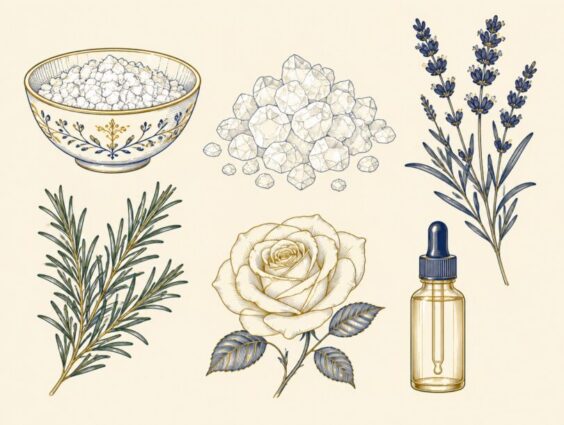
Keep it simple. One or two ingredients are plenty. The meanings in the table are traditional associations, not promises, and you are free to choose what feels right to you.
| Ingredient | Traditional association | How people use it | Good to know |
|---|---|---|---|
| Sea salt | Purification, grounding | Half a cup to one cup dissolved in warm water | Rinse afterward, it can dry the skin |
| Epsom salt | Release, rest | One to two cups dissolved in warm water | Check with your doctor first if you have a health condition |
| Lavender | Calm, peace | A small handful of dried flowers in a muslin bag | Patch test first |
| Rosemary | Clarity, protection | A few fresh sprigs or dried leaves in a muslin bag | Patch test first |
| Rose petals | Love, self-compassion | A handful of unsprayed fresh or dried petals | Use food-grade or bath-grade petals only |
| Chamomile | Gentleness, ease | Tea bags or dried flowers in a muslin bag | Skip if you react to daisy-family plants |
| Essential oils | Scent, mood | Three to five drops mixed into a tablespoon of carrier oil, then added | Always dilute. Never drop oils straight into the water |
Put loose herbs in a muslin bag or a clean cotton sock so they do not clog your drain. Use herbs and flowers sold for culinary or bath use, and never use a plant you cannot identify.
Spiritual Bath Safety: What to Know First
A spiritual bath should feel good. A few simple precautions keep it that way.
- Patch test. Dab a little of any new herb, oil or salt solution on your inner forearm, wait 24 hours, and skip the ingredient if you notice redness, itching or irritation.
- Dilute essential oils. Essential oils are concentrated and do not mix with water. Never pour them straight into the bath. Blend a few drops into a carrier oil, whole milk or unscented bath gel first, or leave them out if your skin is sensitive.
- Pregnancy and medical conditions. If you are pregnant, or you have a heart condition, blood pressure concerns, diabetes, a skin condition or any other health concern, talk with your doctor before using hot baths, Epsom salt, herbs or essential oils.
- Water temperature. Keep the water comfortably warm, not hot. Very hot water can cause dizziness. Stand up slowly, avoid alcohol beforehand, and never fall asleep in the tub.
- Do not swallow anything. Herbs, oils and salts are for the bath only. Do not eat them or drink the bath water, because some plants are toxic if ingested.
- Children and pets. Keep oils, salts and herbs out of reach of children and pets, since many essential oils are harmful to animals. Never leave a child alone in a bath, and ask a doctor before using oils around young children.
- Candles. Never leave a burning candle unattended, and keep flames away from towels and curtains.
This guide is for general information and reflection. It is not medical advice, and no bath treats or cures any condition. If you are struggling with your mental health, please reach out to a professional. In the United States you can call or text 988 at any time.
How to Take a Spiritual Cleansing Bath: A Step-by-Step Ritual
This ritual is original to Next Level Soul and built for home. Change any part of it. The power is within you, and the bath is simply a way to give it room.
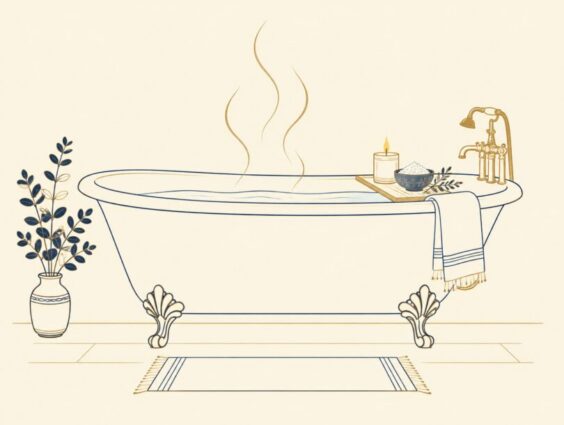
- Prepare the space. Clean the tub, set out a towel and dim the lights. Add a candle if you can keep an eye on it, or soft music if you like. Put your phone out of reach.
- Run a quick safety check. Have you patch tested new ingredients? Are any oils diluted? Is the water warm and not hot?
- Set your intention. Before the water runs, choose one short sentence about what you are ready to release and what you would like to welcome. Write it down if that helps.
- Draw the bath. Run warm water, add your salt and let it dissolve, then add your herb bag or diluted oil.
- Enter slowly and settle. Take three slow breaths and let your shoulders drop.
- Speak your intention. Say it aloud or silently. Picture the water holding whatever you are ready to put down.
- Soak for 15 to 20 minutes. Follow your breath. When thoughts arrive, let them drift past like petals on the surface. If you would like more guidance, see our guide on how to meditate.
- Release. As the tub drains, say thank you and let the water carry away what you named.
- Rinse, dry and rest. A quick rinse is fine, since salt can dry the skin. Moisturize, drink some water and give yourself a few quiet minutes.
- Close with gratitude. Jot down one line about how you feel. You are building a practice, not chasing a result.
Sample intentions
- “I release the tension I carried this week.”
- “I welcome calm and clear thinking.”
- “I let go of what is no longer mine to hold.”
- “I am enough, and I begin again.”
How Often Should You Take a Spiritual Bath?
There is no rule. Many people choose moments that already feel like thresholds: a new moon, the end of a season, a birthday, after a hard conversation or before a new chapter. Once or twice a month is common, and once a week is plenty for most.
No tub, or a tub that does not suit you? A warm foot soak in a basin with a spoonful of sea salt works, and so does a shower taken slowly with the same intention. Some people place a crystal beside the tub, never in the water, because some stones dissolve or are unsafe in water. Our guide to crystals for healing explains more.
Pairing Your Bath With Other Practices
A bath works well alongside other grounding habits. Try a few minutes of meditation first, and learn how to meditate if you are new. Arrange a calm corner at home with creating a sacred space at home. If you are curious about the body’s energy centers, explore the seven chakras, or read about aura colors and what people associate with each. For the bigger picture of caring for body, mind and spirit together, see holistic wellness.
Common Mistakes to Avoid
- Water that is too hot. Warm is enough.
- Undiluted essential oils. They can irritate the skin.
- Skipping the intention. The intention is what makes it a ritual.
- Expecting an overnight change. Treat it as a gentle pause, not a fix.
- Treating it as medical care. A bath can support your calm. It does not replace a doctor, therapy or professional support.
Listen and Watch on the Next Level Soul Podcast
These Next Level Soul Podcast conversations pair well with a quiet bath ritual.

Secret to Ancient Healing Method with Lee Holden
Qigong teacher Lee Holden talks with Alex Ferrari about breath, releasing tension, and the five branches of Chinese medicine. A good companion listen if the calm, body-first side of a bath ritual appeals to you. Watch the full episode and read the show notes.

Shamanic Healing with Your Spirit Guides with Julie Kramer
Shamanic practitioner Julie Kramer shares how journeying felt like coming home and how she partners with helping spirits. A fitting listen if earth-based traditions draw you toward ritual. Watch the full episode and read the show notes.

Ascension Mentor, Quantum Healer and Channeler with Rubia Lacerda
Medium and channeler Rubia Lacerda shares her journey, why she says the nervous system needs priming, and what she means by a dimensional shift. Worth a listen if you want to understand why slowing down matters. Watch the full episode and read the show notes.
Sources and Further Reading
Spirituality for the Rest of Us™
Movies, teachings and community on Next Level Soul TV.
Go Deeper with NLS Mastery: The Spiritual Alchemy of St. Germain
A cleansing bath clears what you have been carrying. If you want a deeper practice of transmutation and spiritual clearing, there is a course built around it. David Christopher Lewis teaches it in The Spiritual Alchemy of St. Germain, part of NLS Mastery. Watch the course preview below.
Frequently Asked Questions About the Spiritual Cleansing Bath
What is a spiritual cleansing bath?
A spiritual cleansing bath is a warm bath taken with intention, often with salt, herbs or flowers, as a ritual of release and renewal. It is also called a spiritual bath or ritual bath.
What is the difference between a spiritual bath and a regular bath?
A regular bath is mostly about getting clean or relaxing. A spiritual bath adds an intention, full attention and a deliberate closing act, such as letting go as the water drains.
What do you put in a spiritual bath?
Sea salt or Epsom salt is the simplest start. Some people add dried herbs such as lavender, rosemary or chamomile, unsprayed flower petals, or a few drops of well-diluted essential oil.
How do you take a spiritual bath at home?
Prepare the space, set one clear intention, draw a warm bath with salt, soak for 15 to 20 minutes while breathing slowly, then release the water and rinse. The full ritual is laid out step by step above.
How long should a spiritual bath last?
Most people soak for 15 to 20 minutes. Get out sooner if you feel dizzy, too warm or unwell.
How often can you take a spiritual bath?
There is no fixed schedule. Once or twice a month is common, and some people take one weekly. Choose a rhythm that feels good and leaves your skin comfortable.
Is a spiritual bath safe?
It is safe for most people when you keep the water warm, patch test ingredients, dilute essential oils and never swallow herbs. If you have a health condition or are unsure, check with your doctor first.
Can I use essential oils in a spiritual bath?
Yes, but only diluted. Mix a few drops into a carrier oil, whole milk or unscented bath gel before adding them, and skip oils if your skin is sensitive or you are around children or pets.
Is it safe to take a spiritual bath while pregnant?
Please talk with your doctor or midwife first. Hot water, Epsom salt, herbs and essential oils are all things to check with a professional during pregnancy.
Can I do a spiritual bath without a bathtub?
Yes. A warm foot soak with sea salt in a basin or a slow, intentional shower follows the same steps of intention, presence and release.
Do spiritual baths cure illness or remove negative energy?
No. A spiritual bath is a ritual for calm, reflection and symbolic release, not a medical treatment. Many people simply find it a gentle way to reset.
Do I need to follow a specific tradition?
No. A simple home ritual needs no tradition, though many practices have deep roots. If one calls to you, learn from practitioners who carry it and honor where it comes from.