
The best meditation books are Jon Kabat-Zinn’s Wherever You Go, There You Are for everyday mindfulness, Bhante Gunaratana’s Mindfulness in Plain English for step-by-step instruction, and Culadasa’s The Mind Illuminated for a full map of the path.
Below are 15 meditation books worth your time, grouped by where you are: just beginning, ready to go deeper, or drawn to the spiritual side of the practice. Each one comes with who it is for, so you can pick the right one tonight.
Key Takeaways
- Start with Kabat-Zinn or Gunaratana. Wherever You Go, There You Are and Mindfulness in Plain English are the two most common first reads.
- Want a plan? Real Happiness gives you a 28-day program, and Full Catastrophe Living gives you the eight-week course.
- To go deeper, try The Mind Illuminated, The Science of Enlightenment or Radical Acceptance.
- For the spiritual side, read Emily Fletcher, Dr. Tony Nader or Acharya Shunya, all of whom have been on our podcast.
- Keep it simple. A book teaches you the method. Ten quiet minutes a day teaches you the rest.
What Are Meditation Books?
Meditation books teach you how to train attention and awareness. Some give step-by-step instructions, some offer a daily program, and some explain the science or the spiritual tradition behind the practice.
The best ones work because you do them, not because you read them. Pair any book with a few minutes of practice each day. If you want to try before you buy, start with our guide to meditation techniques for beginners or a gentle guided meditation for anxiety.
Meditation Books at a Glance
| Book | Best for | Level | Style |
|---|---|---|---|
| Wherever You Go, There You Are | Daily mindfulness | Beginner | Mindfulness |
| Mindfulness in Plain English | How to sit | Beginner | Insight (vipassana) |
| The Miracle of Mindfulness | Meditation in motion | Beginner | Zen mindfulness |
| Real Happiness | A 28-day plan | Beginner | Mindfulness and kindness |
| Meditation for Fidgety Skeptics | Doubters | Beginner | Breath and mindfulness |
| Peace Is Every Step | Daily practices | Beginner | Zen mindfulness |
| Full Catastrophe Living | Stress and pain | Intermediate | MBSR program |
| The Mind Illuminated | A full roadmap | Advanced | Focus and insight |
| Radical Acceptance | Self-judgment | Intermediate | Compassion |
| The Science of Enlightenment | A framework | Intermediate | Analytic mindfulness |
| How to Meditate | Friendly guidance | Beginner | Tibetan-style sitting |
| Stress Less, Accomplish More | Busy schedules | Beginner | Mantra and mindfulness |
| Consciousness Is All There Is | Big ideas | Intermediate | Transcendental Meditation |
| Sovereign Self | Vedic wisdom | Intermediate | Vedic meditation |
| Becoming Supernatural | Habit change | Intermediate | Guided intention |
Types of Meditation in These Books
Meditation is not one technique. These books teach several, and knowing the names helps you choose.
| Style | What you do | Where to find it |
|---|---|---|
| Mindfulness | Rest attention on the breath, body or sounds without judging | Kabat-Zinn, Thich Nhat Hanh, Salzberg |
| Insight (vipassana) | Watch sensations and thoughts rise and pass to see how the mind works | Gunaratana, Young |
| Compassion practice | Offer kindness to yourself and others in silence | Salzberg, Brach |
| Mantra | Silently repeat a word or sound to settle the mind | Fletcher, Nader |
| Vedic meditation | Contemplative practice drawn from the Vedic tradition | Acharya Shunya |
| Guided intention | Follow a guided sequence to change habits of thought | Dispenza |
How Do I Choose the Right Meditation Book?
Start with what you want from meditation. If it is calm, pick Kabat-Zinn or Thich Nhat Hanh. If it is a clear method, pick Gunaratana or Pema Chödrön. If it is depth and a map of the path, pick Culadasa or Shinzen Young.
A few simple guides help:
- New and nervous? Start with Meditation for Fidgety Skeptics or Real Happiness.
- Always rushing? Try Stress Less, Accomplish More or Peace Is Every Step.
- Hard on yourself? Read Radical Acceptance.
- Curious about consciousness? Try Consciousness Is All There Is, then explore our guide to consciousness.
Looking for the wider path? See our list of the top spiritual books, or our meditations for spiritual awakening.
Start Here: Mindfulness for Beginners
These six books teach you how to begin. They keep the language simple, offer short practices and welcome busy or doubtful minds.
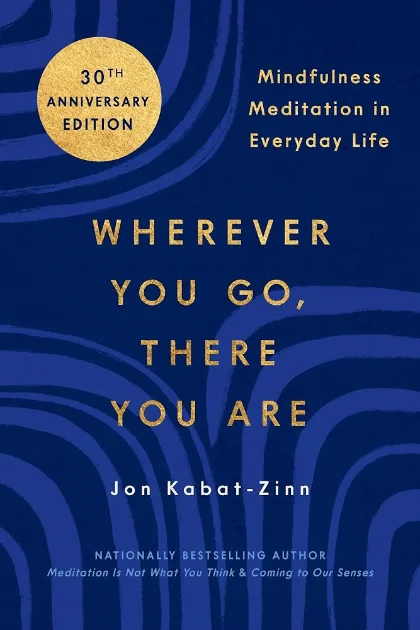
1. Wherever You Go, There You Are
Jon Kabat-Zinn (Hyperion, first published 1994)
Kabat-Zinn founded the Mindfulness-Based Stress Reduction program at the University of Massachusetts Medical School. This is his gentle, jargon-free introduction to bringing attention to ordinary moments.
The chapters are short and can be read in any order, so it works well as a book to keep by your bed.
Best for: First-time meditators who want mindfulness woven into daily life.
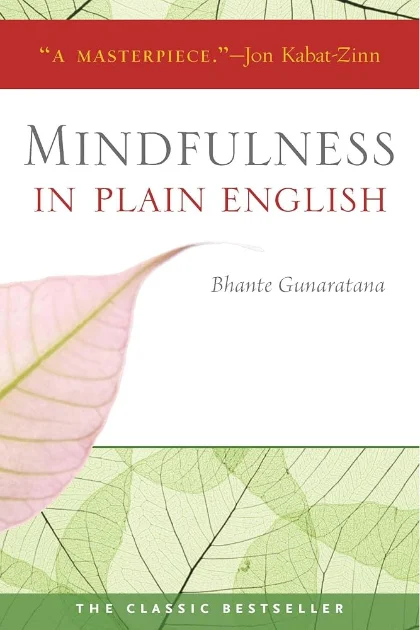
2. Mindfulness in Plain English
Bhante Henepola Gunaratana (Wisdom Publications, first published 1991)
A Buddhist monk explains vipassana, or insight meditation, in everyday language. He covers how to sit, what to do with your breath, and how to work with boredom, restlessness and doubt.
It is practical and patient, with the feel of a teacher answering your questions one by one.
Best for: Anyone who wants clear instructions for how to sit and begin.
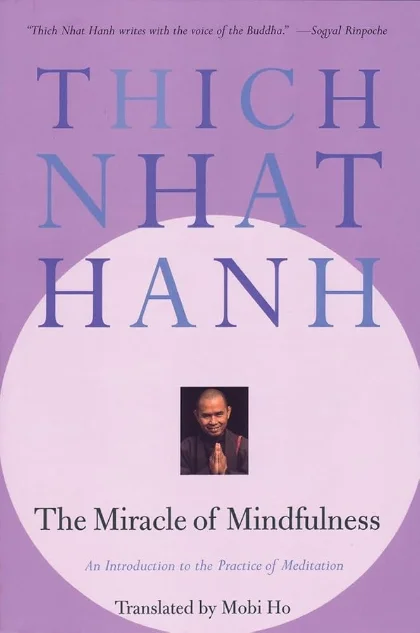
3. The Miracle of Mindfulness
Thich Nhat Hanh (Beacon Press, English edition 1976)
The Vietnamese Zen teacher shows how washing the dishes, drinking tea or walking can become meditation. The book also offers simple breathing exercises you can try in minutes.
It is warm, short and deeply human. For more, see our guide to mindfulness in daily life.
Best for: Readers who prefer meditation in motion to long sitting.
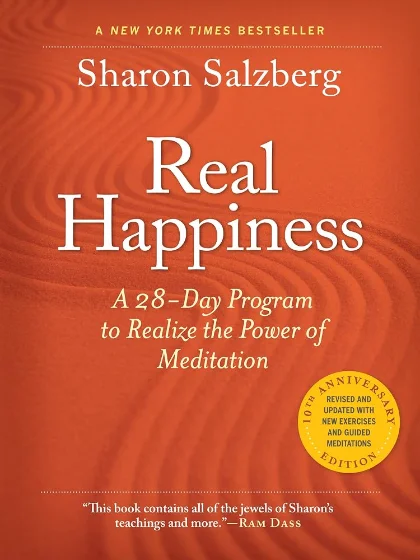
4. Real Happiness
Sharon Salzberg (Workman Publishing, 2010)
Salzberg, a co-founder of the Insight Meditation Society, lays out a 28-day program with guided meditations that build week by week.
The structure is the gift here. If you want a plan, a start date and a clear next step each day, this is the one.
Best for: Beginners who want a four-week plan to follow.
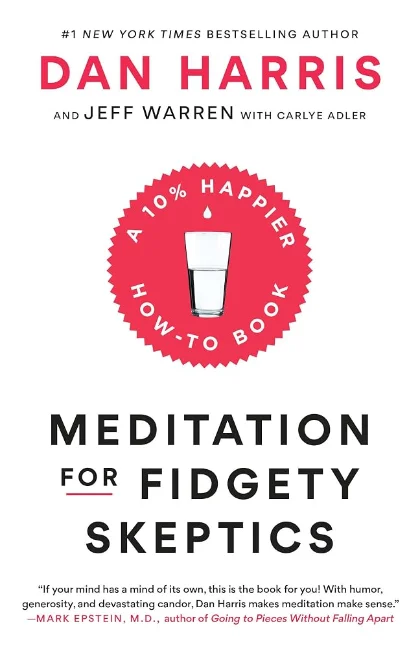
5. Meditation for Fidgety Skeptics
Dan Harris with Jeffrey Warren and Carlye Adler (Spiegel & Grau, 2017)
Harris, a television journalist, and meditation teacher Jeffrey Warren work through the questions skeptics ask: does this work, and can I do it if my mind is racing?
It is funny, direct and honest about what meditation will and will not do.
Best for: Doubters and busy minds who want meditation without the mystique.
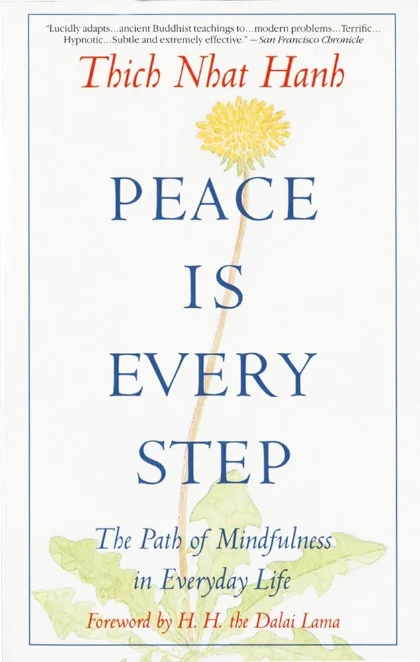
6. Peace Is Every Step
Thich Nhat Hanh (Bantam, 1991)
Short pieces on breathing, smiling, walking and being present in everyday life, written in the author’s simple, poetic voice.
Each page can stand alone, which makes it easy to read one a day and then try the practice it suggests.
Best for: Readers who want small, repeatable practices for a busy day.
Go Deeper: Training the Mind
Once you have a few weeks of practice, these five books give you structure, a roadmap and the tools to work with the hard parts.
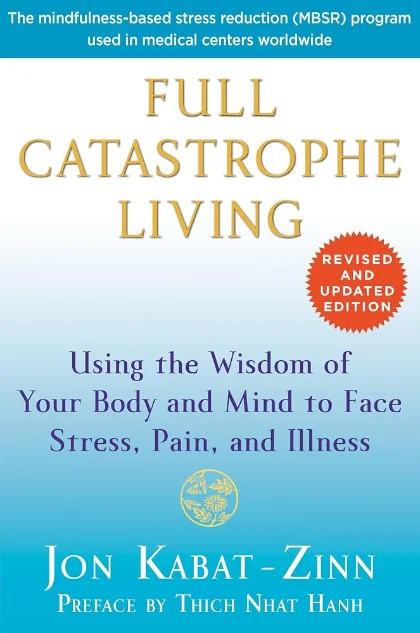
7. Full Catastrophe Living
Jon Kabat-Zinn (Delacorte, 1990; revised 2013)
The full guide to the eight-week Mindfulness-Based Stress Reduction program, including the body scan, mindful movement and sitting meditation.
It is a longer book than most on this list, and it is a manual more than a story. Read it with the companion recordings if you can.
Best for: People working with stress, pain or illness who want a structured program.
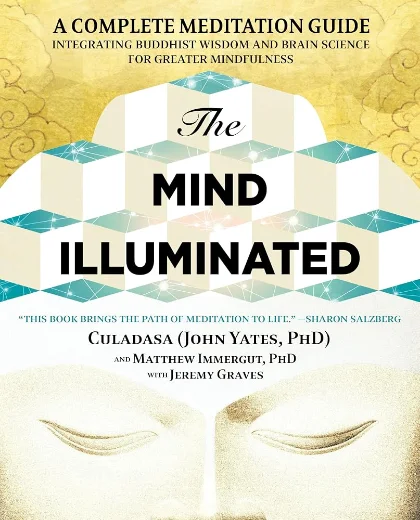
8. The Mind Illuminated
Culadasa (John Yates) with Matthew Immergut and Jeremy Graves (Atria Books, 2017 edition)
A detailed ten-stage map of meditation practice that blends Buddhist teaching with neuroscience. Each stage has its own challenges and exercises, from wandering thoughts to deep stillness.
It is a manual for the long haul, closer to a course than a casual read.
Best for: Dedicated practitioners who like a roadmap and want to measure progress.
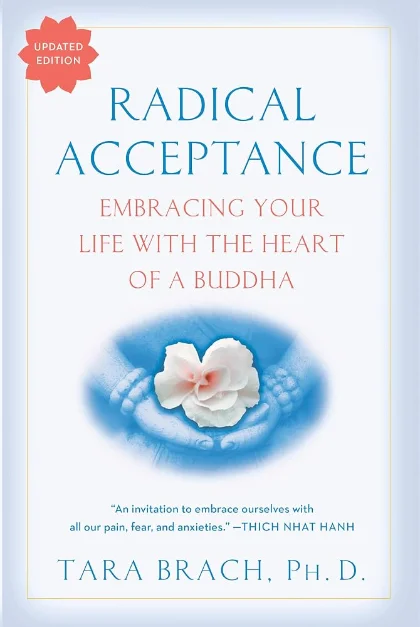
9. Radical Acceptance
Tara Brach (Bantam, 2003)
Brach, a psychologist and meditation teacher, writes about the feeling of not being good enough and how mindful, compassionate attention can soften it.
It combines stories, teaching and guided reflections, and it is especially kind to readers who judge themselves harshly.
Best for: Readers who meet shame or self-criticism when they sit.
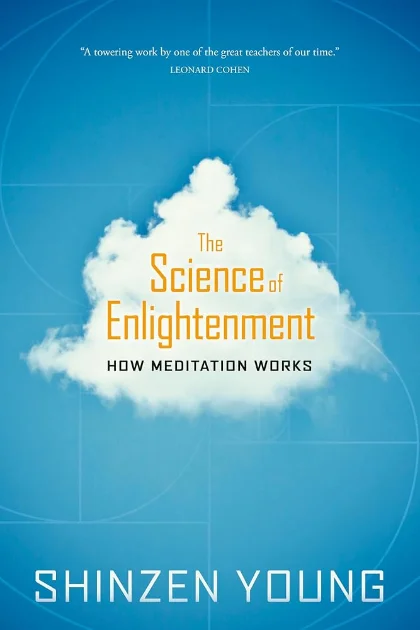
10. The Science of Enlightenment
Shinzen Young (Sounds True)
Young breaks mindfulness into three skills: concentration power, sensory clarity and equanimity. He then shows how to train each one with specific techniques.
The approach is precise and analytical, which suits readers who like to know how and why a practice works.
Best for: Analytical readers who want a clear framework behind the practice.
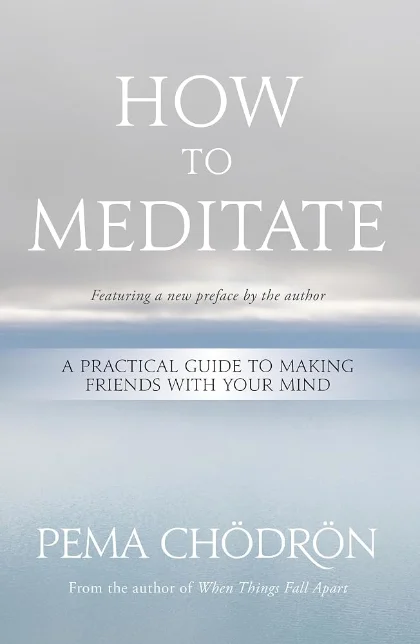
11. How to Meditate
Pema Chödrön (Sounds True)
Chödrön, an American Buddhist nun, offers a short practical guide to making friends with your own mind. She covers posture, working with thoughts and what to do when the mind runs away.
It is kind, humorous and honest about how ordinary the experience can feel.
Best for: Readers who want gentle, direct guidance on sitting practice.
Consciousness, Mantra and the Spiritual Side
These four books treat meditation as more than stress relief. They connect it to consciousness, ancient tradition and the inner life.
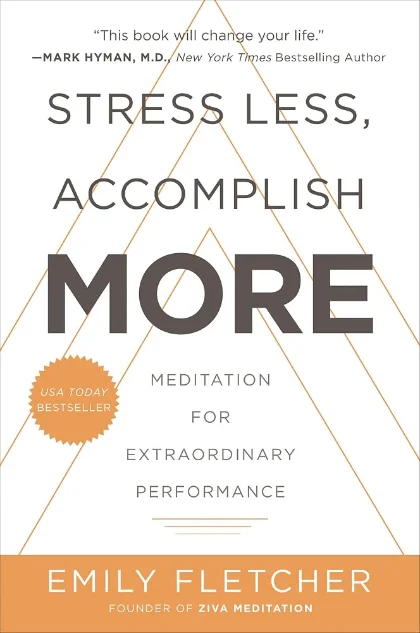
12. Stress Less, Accomplish More
Emily Fletcher (William Morrow, 2019)
Fletcher, a former Broadway performer, shares how stress led her to meditation. The book offers a short daily practice built for busy people, with the reasoning behind it.
Her approach is lively and practical. She joined us on the podcast to talk about meditation, bliss and presence.
Best for: Busy readers who want a short daily practice that fits real life.
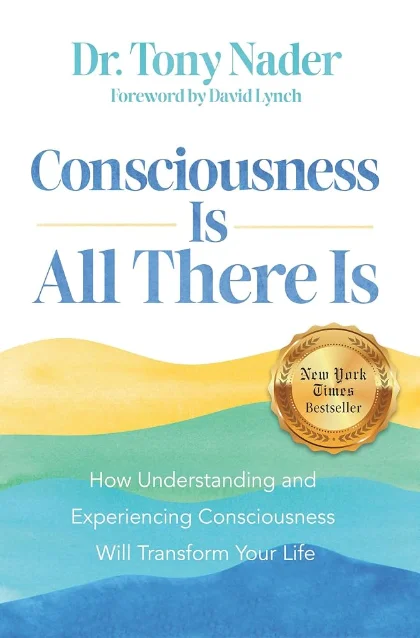
13. Consciousness Is All There Is
Dr. Tony Nader (Hay House, 2024)
Nader, a physician and neuroscientist who studied with Maharishi Mahesh Yogi, argues that consciousness is the basis of reality and links that idea to the meditation tradition he learned.
It is a deeper, more philosophical read than most books on this list. Our guide to Maharishi Mahesh Yogi adds background.
Best for: Readers drawn to the science and philosophy of consciousness.
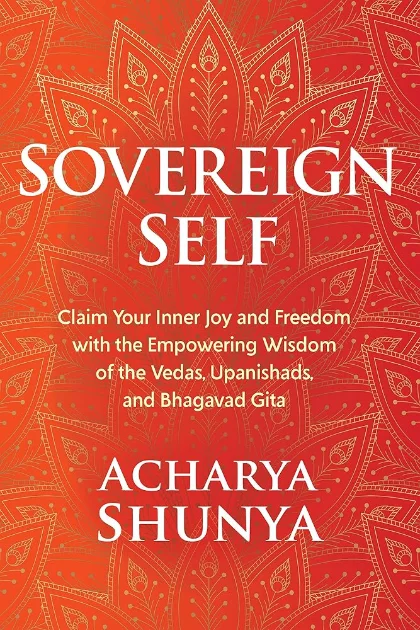
14. Sovereign Self
Acharya Shunya (Sounds True, 2020)
Acharya Shunya, who comes from a Vedic family lineage, draws on the Vedas and ancient Indian wisdom to guide readers toward inner freedom, with contemplative practice as part of the path.
Her voice is direct and warm. She teaches ancient meditation in our NLS Mastery course, listed at the end of this guide.
Best for: Readers who want meditation rooted in the Vedic tradition.
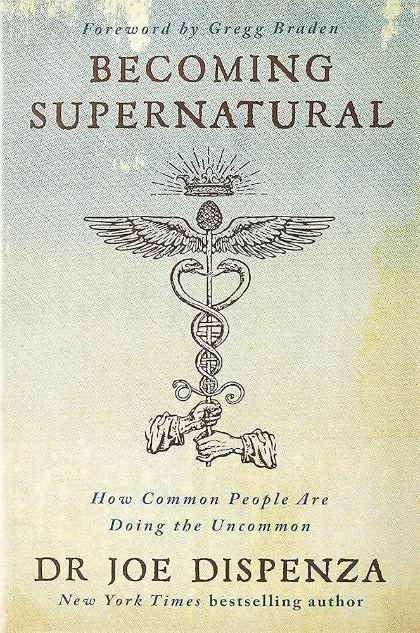
15. Becoming Supernatural
Dr. Joe Dispenza (Hay House, 2019)
Dispenza offers a series of meditations aimed at changing habits of thought and feeling, with brain science and stories from his workshops to explain why.
Some of his claims are debated, so read it as one teacher’s method. You can also see him in the film HEAL, which is on Next Level Soul TV.
Best for: Readers who want a structured, intention-based meditation program.
Three Simple Reading Paths
If you are not sure where to begin, choose a path and read two or three books in order. Each one builds on the last.
- I want calm: Wherever You Go, There You Are, then Peace Is Every Step, then Radical Acceptance. You move from noticing, to small daily practices, to being kind to yourself.
- I want a method: Mindfulness in Plain English, then How to Meditate, then The Mind Illuminated. You move from the basics, to friendly guidance, to a full roadmap.
- I want the spiritual side: Stress Less, Accomplish More, then Consciousness Is All There Is, then Sovereign Self. You move from a short daily practice, to the idea of consciousness, to Vedic wisdom.
How to Start a Meditation Practice From a Book
Reading about meditation is not the same as meditating, and the gap closes with a simple routine. Here is a plain way to begin:
- Pick a time you can keep, such as right after waking, and a place that feels calm.
- Set a timer for five minutes. You can lengthen it later.
- Sit comfortably with your back supported, and rest your attention on the breath.
- When your mind wanders, which it will, notice it and return gently. That return is the practice.
- Read one short section of your chosen book afterward, and try just one idea before moving on.
Keep a note of how you feel after a week. Many people find that the benefits show up quietly: a little more patience, a little more space between a feeling and a reaction. If you want company on the path, our free masterclasses bring teachers to you, and the Mastery course below goes deeper into ancient meditation.
Whichever book you choose, be patient with yourself. A restless mind is not a failed meditation, it is simply where most of us begin.
An Honest View of Meditation Books
A book can teach you a method, but only practice builds the skill. Many people find that five to ten minutes a day is plenty to start, and that missed days are part of the process, not a failure.
Meditation can bring up strong feelings, especially if you have a history of trauma or anxiety. If that happens, go slowly, try shorter sessions or eyes-open practice, and consider working with a teacher or therapist. Nothing here replaces medical or mental health care; if you are struggling, please reach out to a doctor or call or text 988 in the US.
As an Amazon Associate, Next Level Soul earns from qualifying purchases.
Hear It From the Guests
Prefer to listen? These Next Level Soul Podcast conversations feature authors from this list talking about meditation and consciousness in their own voices.

Unlocking Mankind’s Hidden Spiritual Power Through Meditation with Emily Fletcher
Emily Fletcher shares how Broadway stress led her to meditation, why she does not judge a session, and what she says about bliss, presence and wholeness. Watch the full episode and read the show notes.

How Transcendental Meditation Can Change the World with Dr. Tony Nader
Dr. Tony Nader explains why he says consciousness is all there is, his years with Maharishi and how to anchor yourself in a storm. Watch the full episode and read the show notes.
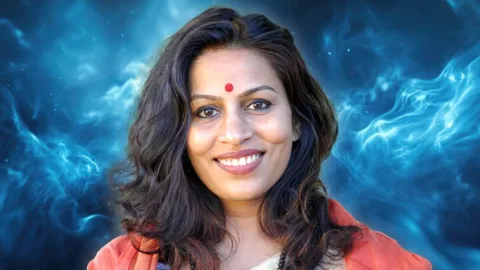
Roar Like a Goddess with Acharya Shunya
Acharya Shunya shares her family’s Vedic tradition, what it means to be aware, and how to calm the nervous system and keep joy alive. Watch the full episode and read the show notes.
Watch More on Next Level Soul TV
Next Level Soul TV is our own home for films, series, audiobooks and guided meditations. Here are six to start with.
Go Deeper with NLS Mastery: Ancient Meditation for Inner Stillness
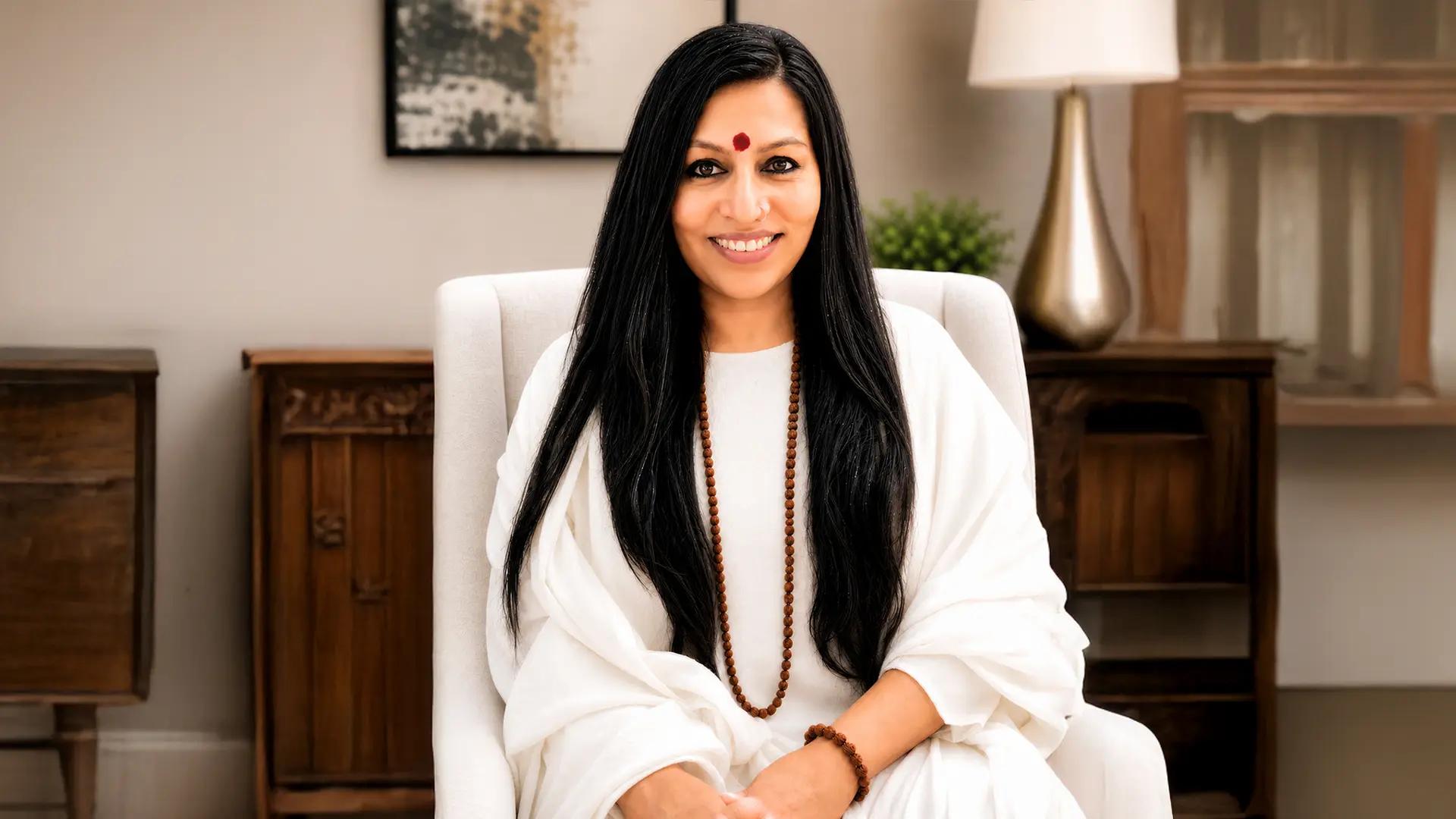
A course in ancient meditation, so what you read in these books becomes a practice you can keep. Acharya Shunya teaches it in Ancient Meditation for Inner Stillness, part of NLS Mastery. Watch the course preview below.
Sources and Further Reading
Spirituality for the Rest of Us™
Movies, teachings and community on Next Level Soul TV.
Frequently Asked Questions
What is the best meditation book for beginners?
Wherever You Go, There You Are by Jon Kabat-Zinn and Mindfulness in Plain English by Bhante Gunaratana are the two most common first picks. Both are clear, short on jargon and written for people just starting out.
Which meditation book is best for anxiety and stress?
Full Catastrophe Living teaches the eight-week Mindfulness-Based Stress Reduction program, and Radical Acceptance is gentle with self-criticism. Meditation can bring up strong feelings, so go slowly and seek support if you need it.
Do I need a teacher, or can I learn meditation from a book?
You can learn the basics from a book, and many people do. A teacher helps when you hit obstacles or want to go deeper, and some traditions, such as Transcendental Meditation, are taught in person by certified teachers.
What is the difference between mindfulness and mantra meditation?
Mindfulness rests your attention on something like the breath and notices what arises. Mantra meditation uses a silently repeated word or sound to settle the mind. Both are covered in this list.
How long should a beginner meditate each day?
Five to ten minutes is a good start. Short, regular sessions build the habit better than a long session once a week.
Is a book better than a meditation app?
They do different jobs. A book explains the why and the method, and an app gives you a voice and a timer. Many people use both. You can also try the guided meditations on Next Level Soul TV.
Which book explains the science of meditation?
The Mind Illuminated blends Buddhist teaching with neuroscience, and The Science of Enlightenment offers a clear framework for how attention can be trained. Both are more detailed than the beginner books.
What is the best book on Buddhist meditation?
Mindfulness in Plain English, The Miracle of Mindfulness and How to Meditate all come from Buddhist traditions, each with a different flavor: Theravada, Zen and Tibetan.
Which meditation book is best for busy people?
Stress Less, Accomplish More by Emily Fletcher is built around a short daily practice, and Peace Is Every Step offers tiny practices you can use anywhere.
Which meditation books cover the spiritual side of practice?
Consciousness Is All There Is by Dr. Tony Nader and Sovereign Self by Acharya Shunya connect meditation to consciousness and ancient tradition. Both authors have been guests on our podcast.
Where can I find guided meditations?
Next Level Soul TV has a Meditate section with guided sessions, and our guide to guided meditation for anxiety walks you through a gentle practice.
Can meditation help me connect with my spiritual side?
Many people say yes. Our guide to meditations for spiritual awakening offers ten practices, and our free masterclasses bring teachers to you.