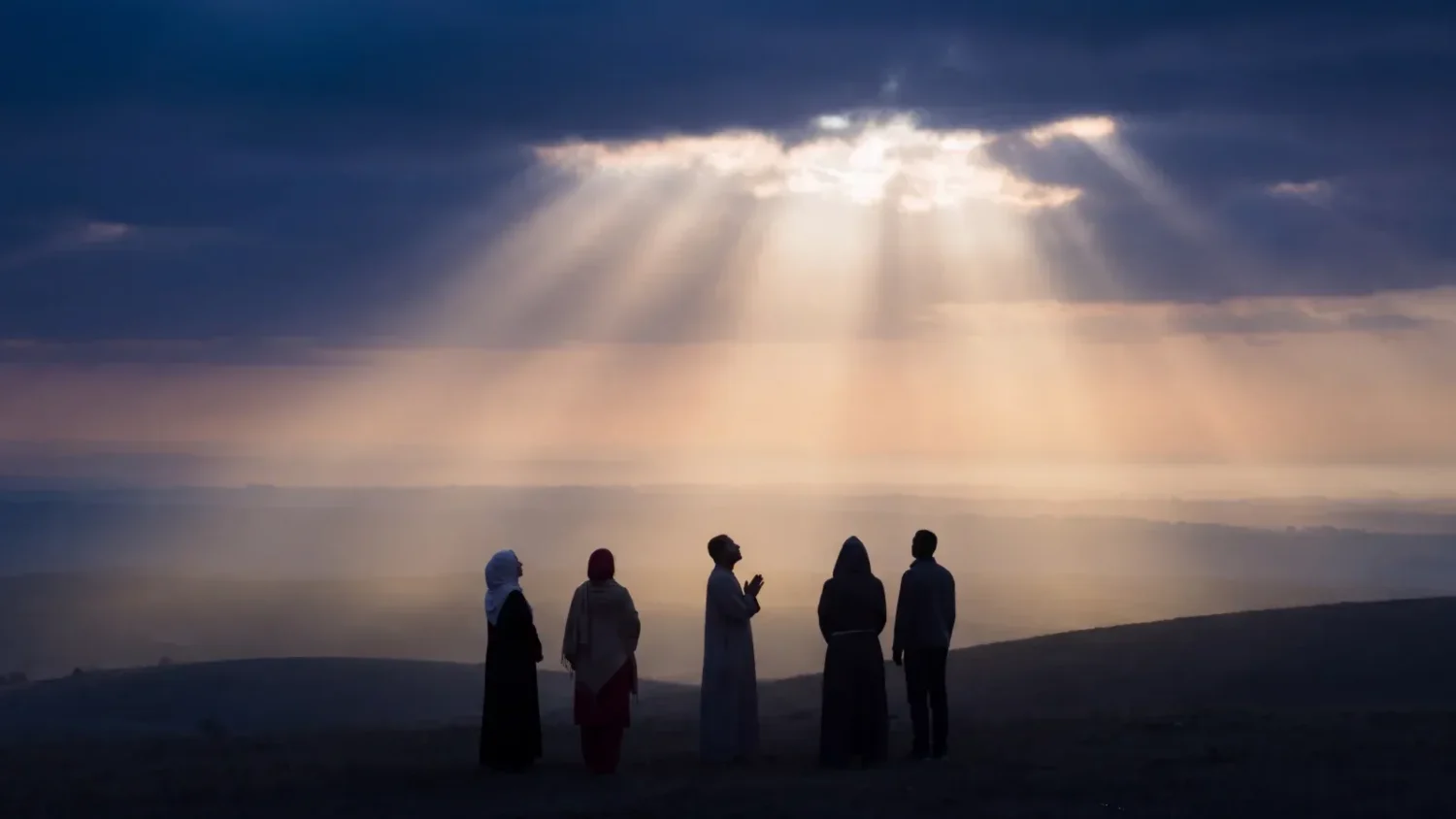
Near-death experiences cross religious lines. People who were raised Christian, Jewish, Muslim, Hindu or without any faith all report similar core elements, such as leaving the body, a light, a sense of love and a review of life, but they tend to describe who or what they met in the language of their own tradition. Christians often name Jesus, Hindus may describe messengers of the god of death, and many atheists simply say they met a presence they could not explain.
That raises a fair question. If the experience is real, why do the details differ? If it is only the brain, why do so many people find that it changes their beliefs? This guide looks at what people from different backgrounds report, what researchers say about culture and interpretation, and where the honest uncertainty lies.
It builds on our main guide to near-death experiences and includes interviews from our Divine Encounters series with Christians, a Jewish man, a Muslim woman, atheists and an agnostic.
Key Takeaways
- The core features people report are similar across faiths: leaving the body, a light, deep peace and a review of life.
- The interpretation differs. According to Wikipedia, in the United States the light is often identified as angels or deceased relatives, and Hindus often identify messengers of the god of death.
- Some Christians report meeting Jesus, and so do some people raised in other traditions, including a Jewish man and a Muslim woman we interviewed.
- Atheists and agnostics also report these experiences, and several describe losing their fear of death afterward.
- Researchers cannot yet say whether culture shapes the experience itself or only the words used to describe it.
Do Near-Death Experiences Depend on Religion?
Researchers who study the phenomenon generally find a shared skeleton with cultural clothing. The skeleton is the sense of leaving the body, moving toward a light, feeling unconditional love and reviewing one’s life. The clothing is who appears, what they are called and what the person concludes afterward. As our near-death experience guide explains in its section on cultures, the imagery follows cultural, philosophical and religious beliefs, which is why the same light may be called an angel in one country and something else in another.
Our guide includes the Hindu idea of Yama, the lord of death, as one example. For a plain definition of the larger ideas involved, see the glossary entries on heaven, reincarnation and karma.
| Background | Commonly reported | How it is often described |
|---|---|---|
| Christian | Light, love, a loving presence | Often identified as Jesus, God or angels |
| Jewish | A presence, a silhouette, a sense of being known | Described in personal rather than doctrinal terms in the interview below |
| Muslim | A divine encounter and a sense of mission | One guest describes meeting Jesus (Yeshua) and receiving a mission |
| Hindu | Beings who escort or question the person | Messengers of the god of death, according to Wikipedia |
| Atheist or agnostic | Presence, peace, loss of fear | Often described without religious labels, though some change their views |
Christian Near-Death Experiences
Many of the best-known accounts in the West are Christian in tone. Howard Storm, an art professor and self-described atheist, called out to Jesus during a frightening experience in 1985 and later became a pastor. Bridget Cook-Burch, who was raised Catholic, describes meeting Jesus and what she says he told her. See our guide to Jesus for more on how his teachings are understood.
She Died and Met Jesus with Bridget Cook-Burch.

Not every Christian account ends in certainty about doctrine. Some people come back asking harder questions about hell, judgment and who is included, which is a theme you will also see in the interviews below.
Jewish and Muslim Near-Death Experiences
Two of our Divine Encounters conversations are especially interesting because the guests were not raised Christian and yet describe an encounter they connect with Jesus.
A Priest Who Helps Lost Souls Cross Into the Next Realm with Father Nathan Castle. He describes helping souls cross over through dreams, prayer partners and protective prayer.

Muslim Woman’s Near-Death Journey with Rev. Honi Borden. She describes encountering Jesus (Yeshua) on January 8, 2012 and receiving a divine mission.

Both stories are first-person accounts, and we present them as such. A skeptic may point out that these guests live in cultures where Jesus is a familiar figure. A believer may reply that the encounter changed their lives regardless. We leave that to you.
Hindu and Eastern Near-Death Experiences
Accounts from Hindu traditions often include messengers of the god of death, and some modern Western guests describe teachers from Eastern lineages. Rev. Bill McDonald tells of a boy’s divine encounter with Mahavatar Babaji, connected to a palm leaf reading and open-heart surgery. For the larger ideas, see our glossary on nirvana and enlightenment.
A Boy’s Divine Encounter with Mahavatar Babaji with Rev. Bill McDonald.

Researcher Greg Shushan has also studied how ancient and non-Western cultures describe experiences that resemble modern near-death experiences, which supports the idea of a shared core with local details. Watch his conversation: Ancient Civilizations Described NDEs Long Before Modern Medicine.
Atheist and Agnostic Near-Death Experiences
One of the most striking patterns in our interviews is how many guests did not believe in anything beforehand. Betty Guadagno was an angry atheist and an addict. Lesley Lupo and Jose Hernandez were atheists, and Jose says he lost his fear and found peace. Tricia Barker was an agnostic who says she was surprised by who she met.
Angry Atheist and Addict Dies; Stunned by Who She Met with Betty Guadagno.

For skeptics, this is a point in favor of expectation not being the whole story, since these guests did not expect anything. For other skeptics, it shows only that a brain under stress can produce powerful experiences in anyone. Both readings fit the data so far.
What It Means for Your Own Beliefs
You do not have to decide what these stories prove to find them useful. Many people who report these experiences describe a lasting change: less fear of death, more kindness and a stronger sense that love matters most. That is a theme you can test in your own life through meditation, prayer, study and service, whatever tradition you practice. Our teaching on Christ consciousness explores the idea that the core of these experiences can be found in many paths.
Episodes to Watch Next
 Bridget Cook-Burch on Dying and Meeting JesusA woman raised Catholic describes her near-death experience and what she says Jesus told her.
 Father Nathan Castle, a Priest Who Helps Souls Cross OverA priest describes helping lost and traumatized souls cross into the next realm.
 Rev. Honi Borden, a Muslim Woman Who Encountered JesusA Muslim woman describes encountering Jesus (Yeshua) on January 8, 2012 and receiving a divine mission.
 Betty Guadagno, an Angry Atheist Stunned by Who She MetAn angry atheist and addict describes what happened when she died and who she says she met.
 Lesley Lupo, an Atheist Who Died and Saw Something ElseAn atheist woman shares what she says she saw after dying in a stampede.
 Jose Hernandez, an Atheist Who Overcame Fear and Found PeaceAn atheist describes how his near-death experience took away his fear and gave him peace.
 Tricia Barker, an Agnostic Surprised by Who She MetAn agnostic describes her near-death experience and the people she says she met in heaven.
 Rev. Bill McDonald and a Boy’s Encounter With Mahavatar BabajiA palm leaf reading, open-heart surgery and a divine encounter with Mahavatar Babaji.
Go Deeper: Books, Audiobooks and Meditations
Start with these books.
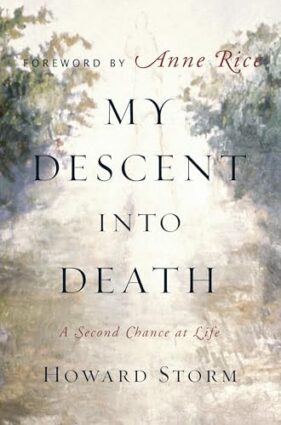 My Descent Into DeathHoward Storm’s account of a Christian conversion after a near-death experience.
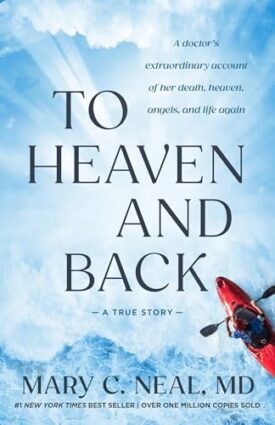 To Heaven and BackA physician’s Christian account of her near-death experience.
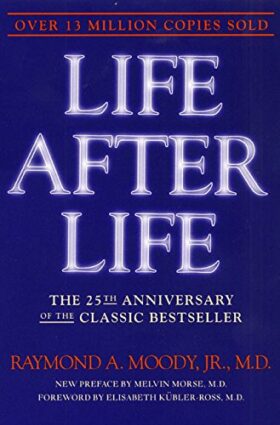 Life After LifeThe 1975 book that named the near-death experience.
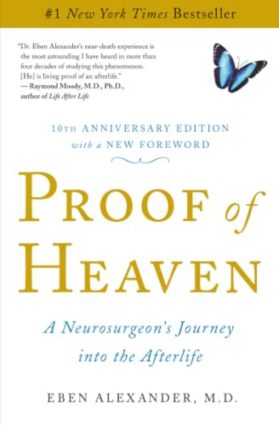 Proof of HeavenA neurosurgeon’s account of his 2008 coma.
For the Christian mystical tradition, explore our study guides Mystic Christianity and The Aquarian Gospel of Jesus the Christ. You can also browse all NLS TV audiobooks and audio courses, and find calm in our guided meditations. The free masterclasses and the gift page are good next stops.
Sources and Further Reading
Spirituality for the Rest of Us™
Movies, teachings and community on Next Level Soul TV.
Near-Death Experience Documentaries on Next Level Soul TV
Frequently Asked Questions About Near-Death Experiences and Religion
Do near-death experiences differ by religion?
The core features, such as leaving the body, a light and a review of life, are reported across traditions. The interpretation differs. According to Wikipedia, in the United States the light is often identified as angels or deceased relatives, while Hindus often identify messengers of the god of death.
Do Christians have near-death experiences?
Yes. Many well-known accounts are Christian in tone, including Howard Storm, who called out to Jesus during his 1985 experience, and Bridget Cook-Burch, who was raised Catholic and describes meeting Jesus.
Can a Jewish or Muslim person meet Jesus in a near-death experience?
Some people report this. In our interviews, Rev. Honi Borden, a Muslim woman, describes encountering Jesus (Yeshua) on January 8, 2012. This is a first-person account.
Do atheists have near-death experiences?
Yes. Several guests in our Divine Encounters series, including Betty Guadagno, Lesley Lupo and Jose Hernandez, describe themselves as atheists before their experience.
Does having a near-death experience make people religious?
Not always. Some people become more devout, some find a spiritual but non-religious outlook, and some keep their original beliefs while losing their fear of death. Many describe a stronger focus on love and kindness.
Are Hindu near-death experiences different?
They often include messengers of the god of death, according to Wikipedia, and some people describe teachers from Eastern lineages. The shared core of light and peace still appears.
Do skeptics think religion explains near-death experiences?
Skeptics say expectations and culture shape what people report, and the brain under stress may produce the experience. Supporters point to atheists and children who report similar elements without those expectations. The question is unresolved.
What is the difference between a near-death experience and a religious vision?
A near-death experience happens during a medical crisis or close brush with death, while a religious vision can occur at any time. They can share features, and some people interpret a near-death experience in religious terms afterward.
What does Next Level Soul say about near-death experiences and religion?
We present first-person accounts from many backgrounds, note what researchers and critics say, and invite you to draw your own conclusions. The shared themes of love, peace and meaning are what most guests emphasize.
Where can I hear these stories?
The Divine Encounters interviews with Castle, Borden, Guadagno, Lupo, Hernandez, Barker, McDonald and Cook-Burch are on Next Level Soul and linked above.
Go Deeper with NLS Mastery: Beyond the Veil
A grounded exploration of what lies beyond death and how that understanding changes how we live. Julie Ryan teaches it in Beyond the Veil, part of NLS Mastery. Watch the course preview below.