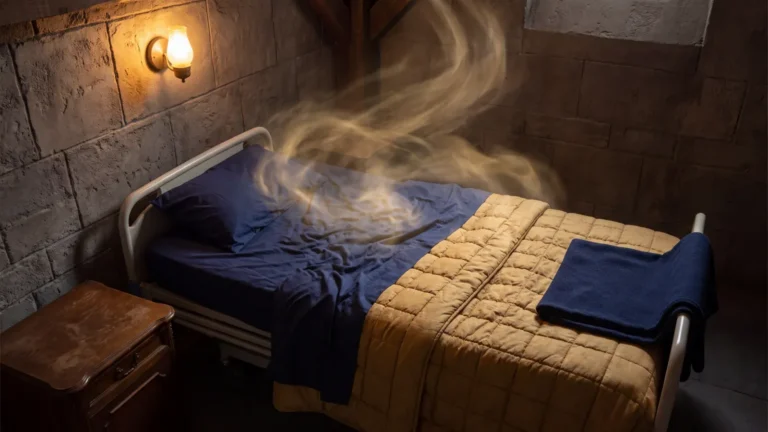
A life review in a near-death experience is the moment many experiencers say their life is shown back to them, often in vivid detail and often from the inside, so they feel how their words and choices landed on other people. Most describe it as a teaching rather than a trial. It is one of the most talked-about features of a near-death experience (NDE), and one of the most personal.
In this guide you will hear how five people on the Next Level Soul podcast describe their own reviews, what researchers say about the life review, and why so many experiencers insist it is not a judgment. You will also find a short evening practice for borrowing its wisdom while you are still here.
If you are new to the topic, start with our complete guide to near-death experiences, then come back for a close look at this one feature. You can also read the glossary entries on the life review and near-death experience.
Key Takeaways
- A life review is a part of the NDE in which people say their life is replayed and felt from the inside, including how their actions affected others.
- Most experiencers describe it as learning, not punishment. Dr. Jeffrey Long says there is essentially never any external judgment.
- Many say they felt both sides of an event: their own view and the other person’s.
- The lessons people name most often: everything matters, kindness ripples and love is the point.
- Researchers list the life review among the common features of NDEs, and its meaning is still debated.
- You can borrow the idea today with a five-minute evening reflection.
Audiobooks About Life After Death on Next Level Soul TV

What Is a Life Review in a Near-Death Experience?
A life review is a phenomenon widely reported in near-death experiences in which people see their life history in an instantaneous and rapid manifestation of autobiographical memory, according to the Wikipedia entry on life review. People often describe it as having their life flash before their eyes, and the experience often changes the way they view their life in a profound way.
Experiencers add three things the phrase leaves out. First, the review is often not a slideshow but a re-living. Second, many feel the emotions of the people they affected. Third, it tends to arrive inside a larger experience of light, love and understanding rather than as a stand-alone event.
Raymond Moody, who popularized the term near-death experience in his 1975 book Life After Life, was among the first to describe a panoramic review of life as a recurring element. Later researchers, including psychiatrist Bruce Greyson, built tools to study the whole pattern. Our NDE guide places the life review among the common features, alongside leaving the body, a tunnel, a light and a sense of being sent back.
Life Review vs. a Judgment
| Idea | What it suggests | What experiencers often say |
|---|---|---|
| Judgment | An outside authority weighs you and decides. | Many say no one sentenced them. Dr. Jeffrey Long says there is essentially never any external judgment. |
| Life review | You see and feel your life, including its effects on others. | A teaching moment, often tender, sometimes hard. |
| Memory replay | A fast playback of remembered events. | Closer to re-living, with feelings and sometimes the other person’s view added. |
How Experiencers Describe the Life Review
The accounts below come from Next Level Soul podcast guests. Each is shared in the guest’s own terms, with their wording attributed to them.
| Guest | How the review appeared | What stood out |
|---|---|---|
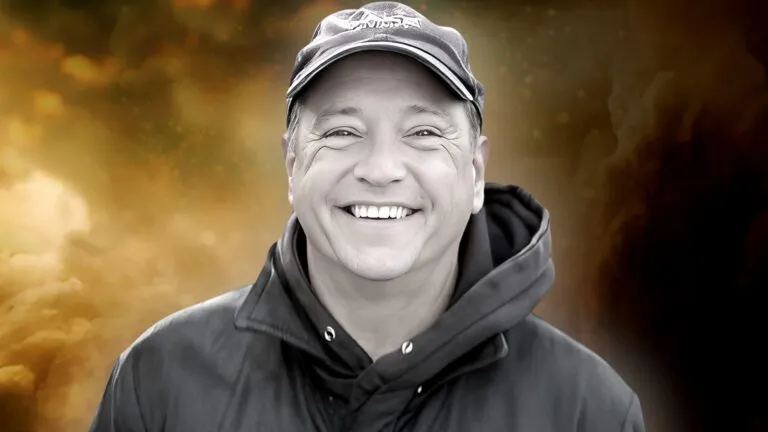
| William J. Peters | A review of his first 17 years running in the background after a skiing fall. | The focus was on how his actions affected others. He calls it a real lesson in karma, and his takeaway was that everything matters. |
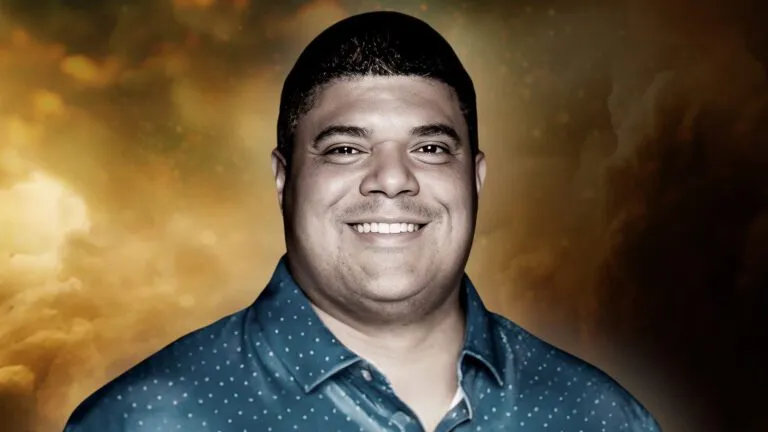
| Carlos Vivas | A dream-like visit that night in which he says Jesus showed him heaven, after he asked for a life review. | He says you can feel how you made others feel, in good times and bad. |
| Maria Lupita Gurulé | A living, holographic book and a platform of stretching pixels where moments could be pulled up. | She says it was not about blame, and she could switch roles to see what the other person experienced. |
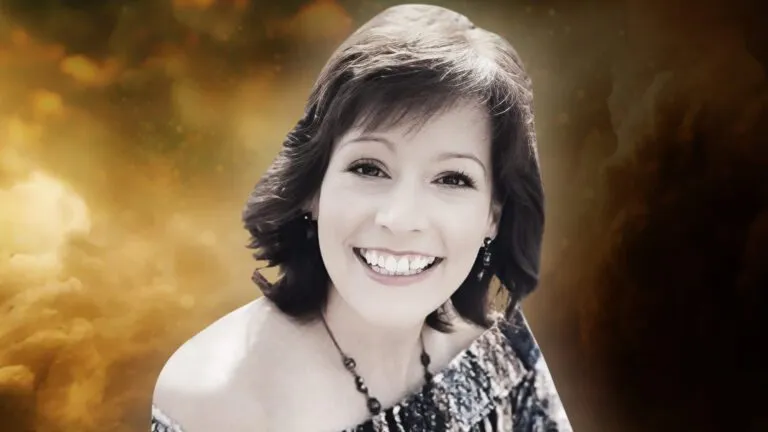
| Karen Thomas | A hologram-like review at a table of spiritual beings in a small room. | She felt the pain she had caused and the good that rippled out to the people they met afterward. |
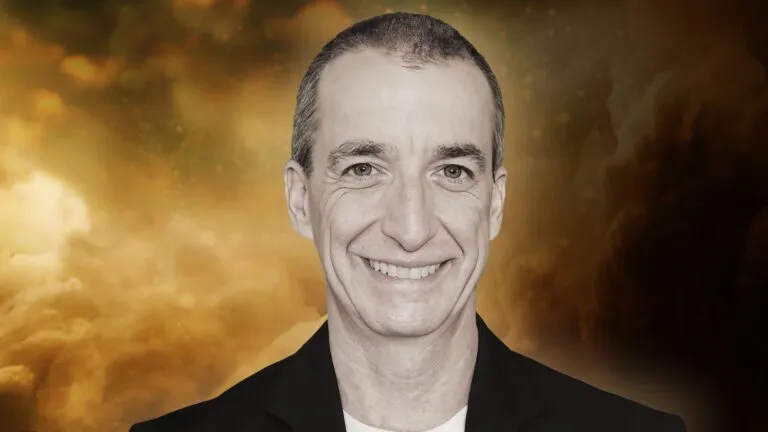
| Peter Panagore | A full knowing of his life up to age 21 after nearly freezing to death on an ice climb. | He felt the pain he had given others, then heard that it was not his fault and that he was loved as he was. |
William J. Peters: Everything Matters
William J. Peters says an ordinary suburban kid from the San Francisco area fractured his spine in a fall on a ski slope and found himself drifting above the mountain. While he took in a galaxy of light, he says, a review of his first 17 years played in the background, with its focus on how his actions affected other people.
He calls it “a real lesson in karma,” and says it was not pleasant. What stood out were times he had been unkind, selfish or mean. He does not describe it as a punishment but as information about how his choices landed. His takeaway is simple: everything matters. Learn more about karma in our guide.

Watch the full episode and read the show notes with William J. Peters on the Divine Encounters podcast.
Maria Lupita Gurulé: Not About Blame
Maria Lupita Gurulé describes four groups of beings during her experience, the first of which guided her through a life review she compares to “a soul technology that we’ve lost.” She stood on a platform where an expanse of pixels could be stretched out and fast forwarded, and she could find a moment and pull it up in what looked like a book.
The first task, as she tells it, was reviewing life events, including traumas and pain. She says it was not about what she had done wrong: “It was more of, let’s look at the life.” She could also switch roles and see what the other person was experiencing, including the decisions and the history that made them who they were.

Watch the full episode and read the show notes with Maria Lupita Gurulé.
Karen Thomas: The Ripple Effect
Karen Thomas, a physical therapist in Anchorage, says she went under anesthesia for a second back surgery and woke in the corner of the operating room. Later, in a smaller room where beings gathered around something like a conference table, her guide said, “we’re going to review your life up to this point.”
She describes being shown times she had hurt someone with her actions or words and times she had helped someone. She felt the pain another person had felt and the good they carried away and passed on. She also saw places where she thought she could have done better, and she adds that she knows something else happened that she does not remember.

Watch the full episode and read the show notes with Karen Thomas.
Peter Panagore: Utterly Known
Ice climber Peter Panagore describes a life review in which he says he felt, from the inside, the pain he had given other people up to age 21. He judged himself guilty and ashamed. Then, listening with what he calls the ear of the heart, he saw all of humanity carrying the same brokenness, and the message he received was that it was not his fault and that he was loved as he was. As he turned toward that love, he says, his suffering evaporated. Hear it in his full episode.
Carlos Vivas tells a different story of the same feature. After a rip current nearly took his life on Memorial Day, he says he asked for a life review in a night visit and was shown the good and the bad he had done, a reflection of what he did for others. His full account is in his Divine Encounters episode.
Is the Life Review a Judgment?
This is the question people ask most, and the answers from experiencers and researchers lean the same way. Dr. Jeffrey Long, who led the largest study of NDE aftereffects with over 800 people, says there is essentially never any sense of external judgment. A person can see how their actions affected others, loving and unloving, and form their own opinion, but nobody passes sentence. He tells of a public talk after which many people worried about things they were not proud of, and he says he had forgotten to add that caveat.

Watch the full episode and read the show notes with Dr. Jeffrey Long.
David Suich, who has spent 14 years studying NDE accounts, says the life review is less a judgment than an experience of your life from your own perspective and from the perspective of everyone you affected, so you feel what they felt. He shares a story of a man who had been a bully and had a very unpleasant life review, and who later, as a hospice worker, felt the good feelings of every elderly person he cared for. He calls it “emotional fireworks.” See his full episode.
Dr. Eben Alexander, a neurosurgeon who says he spent a week in a coma in 2008, describes life reviews as part of a realm he calls the Gateway Valley, where we relive events, make amends and try to do better. He says the judgment in a review comes from our own higher soul and soul group, not from a higher being. Listen to his episode on life between lives, and read our glossary entries on life between lives and heaven.
What Researchers Say
Researchers list the life review among the common features of near-death experiences, along with leaving the body, a tunnel or passage, a light and a sense of being sent back. In 1983, psychiatrist Bruce Greyson published the 16-item NDE Scale, the standard research tool, and it asks about experiences of this kind. In a well-known 2001 study in The Lancet, cardiologist Pim van Lommel and colleagues found that about 18 percent of cardiac arrest survivors reported a near-death experience.
There are two broad ways to read a life review. Brain-based explanations treat it as a memory phenomenon in a brain under stress. Consciousness-based explanations suggest awareness can continue when the brain is nearly offline, and point to the feeling of living others’ experiences as more than memory. Both sides are laid out in our complete NDE guide. This article simply shares what experiencers report.
What the Life Review Teaches
- Everything matters. Peters’ takeaway: small unkindnesses and small kindnesses both count.
- Kindness ripples. Thomas felt the good passed on to people her actions never directly touched.
- Judgment is not the point. Gurulé and Long both describe understanding without blame.
- Self-forgiveness is allowed. Panagore’s turn from shame to being loved as he was.
- Treat people with love even when your ego says they do not deserve it. Suich’s summary of the purpose of life reviews.
For the wider picture, see how experiencers talk about living with purpose, the power of gratitude and shared death experiences, where people also describe a shared life review.
A Gentle Evening Life Review You Can Try
You do not need a near-death experience to ask the question the life review asks. This five-minute reflection borrows its spirit. It is a reflective exercise, not therapy, and it should leave you feeling kinder, not heavier.
- Settle. Sit quietly and take three slow breaths.
- Replay the day. Let two or three moments with other people come to mind.
- Feel it from their side. Imagine how each moment felt to the other person.
- Forgive and repair. Release what you can, and note one small apology or thank-you.
- Choose one act. Decide one kind thing for tomorrow.
If you want guidance, try the End of Day meditations, the Releasing Shame meditation or the Daily Dose of Gratitude meditation, or explore the audio courses The Between and The Hidden Science of the Soul. If something painful comes up, a licensed therapist is the right partner.
Episodes to Watch Next
More Next Level Soul conversations on near-death experiences and the life review.
Sources and Further Reading
Spirituality for the Rest of Us™
Movies, teachings and community on Next Level Soul TV.
Near-Death Experience Documentaries on Next Level Soul TV
Frequently Asked Questions About the Life Review in a Near-Death Experience
What is a life review in a near-death experience?
A life review is the part of a near-death experience in which people say their life is shown back to them, often quickly, vividly and from the inside. Many describe feeling how their actions affected others. It is one of the best-known features reported in near-death experiences.
Does everyone who has a near-death experience have a life review?
No. Many experiencers report one, but not all do. Some describe only light, peace or a meeting with loved ones, and some say part of what they saw was kept from their memory afterward.
Is the life review a judgment?
Most people who describe it say it felt like learning rather than being sentenced. Dr. Jeffrey Long says there is essentially never any sense of external judgment, and Maria Lupita Gurulé says hers was not about blame. Some experiencers do describe seeing where they could have done better.
Do people really feel what others felt during a life review?
Many say so. William J. Peters, Carlos Vivas, Karen Thomas and David Suich all describe feeling how their words and actions landed on other people, the painful and the kind. These are personal accounts, shared as people described them.
How long does a life review last?
Accounts rarely give a clock-time length. Experiencers often describe time as behaving differently, with a whole life shown in a moment or playing in the background while they take in other things.
Is the life review the same as your life flashing before your eyes?
They overlap. The popular phrase describes a rapid replay of memories, and Wikipedia notes that people often use it for a life review. Experiencers add that they were not only watching but feeling, and sometimes seeing events through the eyes of the other person.
Can a life review happen without a near-death experience?
People also describe life reviews in shared death experiences, when someone is present at a loved one’s passing. Raymond Moody popularized that term, and the shared life review is one of the features people report.
Are life reviews ever frightening?
Some are hard. William J. Peters calls his unpleasant, and Peter Panagore says he first judged himself guilty and ashamed. Both go on to describe a turn toward love and understanding, and most accounts end that way.
What do people learn from a life review?
The lessons people name most often are that everything matters, that small kindnesses ripple outward, that love is the point and that self-forgiveness is allowed. Many say they live more gently afterward.
What does research say about the life review?
Researchers list it among the common features of near-death experiences, and the Greyson NDE Scale, the standard 16-item research tool, asks about experiences of this kind. What the life review means is still debated, with some researchers pointing to memory and the dying brain and others to consciousness.
How can I practice a gentle life review now?
Try a five-minute evening reflection: recall the day, notice moments of kindness and moments you wish you could redo, feel one of them from the other person’s side, forgive yourself and choose one small act for tomorrow. This is a reflection practice, not therapy.
Where can I hear real life review stories?
The Next Level Soul podcast has many near-death experience interviews. Start with William J. Peters, Maria Lupita Gurulé, Karen Thomas and Carlos Vivas, listed below with full video and show notes.
Go Deeper with NLS Mastery: Beyond the Veil
A grounded exploration of what lies beyond death and how that understanding changes how we live. Julie Ryan teaches it in Beyond the Veil, part of NLS Mastery. Watch the course preview below.