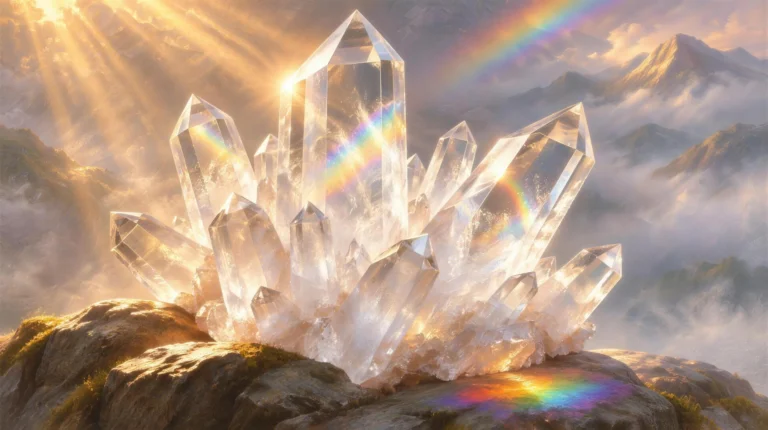
Winter solstice rituals are simple, intentional practices that mark the longest night of the year: lighting candles, sitting in the dark, writing down what you are ready to release, and welcoming the returning light at sunrise. You can build one at home in about 30 minutes with a candle, a notebook and a quiet room, and every step in this guide works for a solo practice or a whole family.
Key Takeaways
- A winter solstice ritual honors the turning point when the nights stop growing longer and the light begins to return.
- A complete home ritual has five parts: gather, darken, release, kindle and welcome.
- You only need a candle, paper, a pen and a few quiet minutes. An altar, a Yule log and a feast are lovely additions, not requirements.
- Cultures from Ireland and Persia to China and the Hopi and Zuni peoples have marked this night for thousands of years.
- Solo and family versions share the same shape. Children do best with shorter steps, warm food and one candle each.
- If you live in the Southern Hemisphere, your winter solstice falls in June, and the same ritual applies.
Looking for the astronomy and the deeper meaning of the day itself? A companion guide to the winter solstice is coming soon to Next Level Soul. This page is the practical one: what to do, step by step.
What Are Winter Solstice Rituals?
Winter solstice rituals are intentional acts that honor the shortest day and longest night of the year. In the Northern Hemisphere that moment arrives on December 21 or 22 each year. After it, the days slowly lengthen again, which is why so many traditions treat the solstice as a symbolic rebirth of the light.
A ritual is simply an action done with attention and meaning. When you light a candle on the longest night and name what you hope to welcome, you are doing what people have done for thousands of years. The tools change. The heart of it does not: pause, honor the dark, and turn toward the light.
Many spiritual seekers find this a natural time to look inward. Winter invites rest, reflection and honesty, and the solstice gives that mood a clear doorway. If you already follow the seasons through Samhain, the new moon or a full moon ritual, the solstice is the quiet midpoint of the dark half of the year.
When Is the Winter Solstice?
According to the astronomy summary on Wikipedia, the winter solstice occurs when a pole reaches its maximum tilt away from the Sun. In the Northern Hemisphere this is the December solstice, on December 21 or 22. In the Southern Hemisphere it is the June solstice, on June 20 or 21. The exact minute changes from year to year and depends on your time zone, so check a local almanac if you want to light your candle at the precise moment. Most people simply hold their ritual on the evening of the solstice and again at sunrise the next morning.
A Short History of Midwinter Rites
Long before calendars, people watched the sky and noticed that the Sun seemed to sink lower each day until, for a moment, it stood still. Wikipedia notes that the winter solstice has been a significant time in many cultures since prehistory, and that in parts of Europe it was seen as the symbolic death and rebirth of the Sun. Here are some of the traditions people draw on today.
| Tradition | Where | What is described |
|---|---|---|
| Newgrange | County Meath, Ireland | A Neolithic passage tomb aligned so the rising winter solstice sun shines through a roofbox and floods the inner chamber. |
| Stonehenge | Wiltshire, England | The monument is described as aligned to the winter solstice sunset. English Heritage permits access to the stones at the solstices. |
| Saturnalia | Ancient Rome | A seven-day festival of Saturn in December with a public banquet, gift-giving and a festive, carnival mood. |
| Yule | Germanic Europe | A winter festival observed around the solstice, later blended with Christmas. |
| Dongzhi | China and East Asia | The 22nd solar term of the traditional Chinese calendar, which marks the winter solstice. |
| Yalda Night | Iran and neighboring regions | Friends and family gather through the longest night to share fruit, nuts and poetry. Listed by UNESCO as intangible cultural heritage in December 2022. |
| Soyal | Zuni and Hopi peoples, American Southwest | A winter solstice ceremony to ceremonially bring the sun back, including purification and prayer sticks. |
| Uttarayana | India (Vedic tradition) | The northward movement of the Sun, a term tied to the Sun’s path in the Hindu calendar. |
The pattern across all of them is the same. People gather, honor the dark, light something, share food and speak a hope for the returning Sun. That pattern is the skeleton of every ritual in this guide.
A note on respect: some of these traditions, such as Soyal, belong to living communities with their own protocols. Learn from them with gratitude, and build your home practice from the universal elements of candlelight, stillness and intention rather than copying a sacred ceremony that is not yours.
How Do You Create a Winter Solstice Ritual at Home?
You create a winter solstice ritual by choosing a time, preparing a quiet space, and moving through five simple stages: gather, darken, release, kindle and welcome. You do not need special training, a particular belief system or expensive tools. You need honesty and a little time.
Here is the full process in plain steps.
Step 1: Choose your time
The most natural moment is the evening of the solstice, after sunset, when the night is at its longest. Some people light their first candle at the exact astronomical moment. Others begin at dusk and finish near midnight. If you cannot hold the ritual on the day itself, any evening within a few days of it will carry the same meaning.
Step 2: Prepare the space
Tidy the room, open a window for a minute to let fresh air through, and switch off screens. Dim or turn off the electric lights. If you like, sweep the floor or wipe down your table as a quiet gesture of clearing. Our guide to creating a sacred space at home has more ideas for setting a room apart.
Step 3: Ground and arrive
Sit comfortably and take five slow breaths. Feel your feet on the floor and your weight in the chair. Many people say a simple opening line such as, “I honor the longest night, and I welcome the returning light.” If you are new to sitting quietly, the beginner’s meditation guide can help you settle.
Step 4: Honor the dark
Sit for a few minutes in the dim room before you light anything. This is the heart of the solstice: not rushing past the dark, but resting in it. Notice what the dark brings up. Tiredness, grief, relief, peace. Let each one be there without fixing it.
Step 5: Release what you are ready to let go
Write on small pieces of paper what you are ready to release from the year behind you. Keep each one short and honest. The next sections walk through this step in detail.
Step 6: Kindle the light
Light a single candle. Say what you are calling in for the year ahead. Then light any additional candles one at a time, each with a short intention. Sit with the glow for a while.
Step 7: Close with gratitude
Finish by naming three things you are grateful for from the past year. Gratitude seals the ritual with warmth. If you want a longer practice for this, see the power of gratitude. Then blow out the candles, or let them burn safely, and share a warm drink or a simple meal.
Candle safety: never leave a burning candle unattended, keep flames away from curtains, evergreens and dry decorations, and keep a bowl of water or a snuffer nearby, especially with children and pets.
Go Deeper with NLS Mastery: Ancient Meditation for Inner Stillness
If the longest night is calling you inward, this course guides you into the ancient Vedic path of meditation and the stillness that is already within you. Acharya Shunya teaches it in Ancient Meditation for Inner Stillness, part of NLS Mastery. Watch the course preview below.

How Do You Set Up a Winter Solstice Altar?
A solstice altar is a small surface that gathers the symbols of the season in one place. It can be a windowsill, a shelf, a coffee table or a tray you carry from room to room. There is no right or wrong design. The only rule is that every item means something to you.

What to put on the altar
| Item | What it can represent |
|---|---|
| Candles (white, gold, red or yellow) | The returning light and the Sun |
| Evergreen branches (fir, pine, cedar, holly) | Life that continues through the dark season |
| Pinecones and seed pods | Potential and the seeds of the coming year |
| Dried orange slices or cinnamon sticks | Warmth, sweetness and the Sun’s color |
| A bowl of salt or water | Cleansing and the earth and water elements |
| A crystal such as clear quartz | Clarity and amplified intention |
| A journal and pen | Your release and intention writing |
| A photo or keepsake of a loved one | Remembrance and ancestors |
If you work with the four elements, you can place something for each: a feather or incense for air, a candle for fire, a bowl of water and a stone or pinecone for earth. Our guide to the four elements of nature explains how each one is traditionally understood.
Where to place it
Choose a spot where the altar can stay undisturbed for several days, ideally near a window so the first light of morning reaches it. If you want to think about how the energy of your space feels, feng shui master Marie Diamond shares a simple way to look at your home in this episode.

Feng Shui and Humanity’s Next 20 Years with Marie Diamond
Feng shui master Marie Diamond explains feng shui as the tai chi of your space and where to begin in your own home.
How Do You Hold a Solstice Vigil and Sunrise Welcome?
A solstice vigil is a slow, quiet watch through the longest night, ending with a greeting to the first light of the new day. It is one of the oldest forms of solstice ritual. At Newgrange in Ireland, the rising sun on the winter solstice is described as shining along the passage and into the inner chamber. Stonehenge is described as aligned to the winter solstice sunset. These places remind us that people have always gathered to watch the light turn.

A simple vigil plan
- Begin at dusk. Light one candle as the sun sets and say your opening words.
- Keep the night gentle. Read, journal, listen to quiet music, sit in meditation or simply rest. You do not have to stay awake all night. Even an evening vigil of two or three hours counts.
- Tend the light. Keep one flame lit safely, or relight it every hour as a reminder to return to your intention.
- Rise before dawn. Dress warmly and step outside, or sit by an east-facing window, about 30 minutes before sunrise.
- Greet the sun. When the first light appears, take three deep breaths and say, “Welcome back, light.”
- Offer thanks. Place a hand on your heart and thank the night for what it held and the dawn for what it brings.
Check your local sunrise time the evening before. If it is cloudy, the ritual works just as well. The light returns whether you can see it or not, and many people find that trusting this is part of the lesson.
Care note: if you are feeling heavy, lonely or low during the darkest weeks of the year, you are not alone. A vigil is a gentle practice, not a treatment. If you are struggling, please reach out to a licensed professional or a crisis line in your area.
What Is a Candle Lighting Rite for the Solstice?
A candle lighting rite is a short ceremony in which you light a series of candles, one at a time, to call back the light. It is easy to do and works for every age. The flame is the oldest symbol of the returning Sun, which is why candles appear in nearly every winter festival.
The seven candle rite
This version uses seven small candles. Each one holds a single quality you wish to welcome. Light them in order, speaking the words aloud or silently.
| Candle | Quality | Words to speak |
|---|---|---|
| 1 | Rest | “I welcome rest and a quiet mind.” |
| 2 | Health | “I welcome strength in my body.” |
| 3 | Love | “I welcome love in every form.” |
| 4 | Clarity | “I welcome clear sight and honest choices.” |
| 5 | Courage | “I welcome courage for the year ahead.” |
| 6 | Abundance | “I welcome enough, and more to share.” |
| 7 | Joy | “I welcome joy that returns with the light.” |
You can change the qualities to match your life. Some people use four candles for the four elements, or twelve for the months of the coming year. Begin in the dark room, light the first candle, pause, and let the room grow a little brighter with each flame. When all are lit, sit in the glow for at least five minutes.
A family candle circle
For families, give each person one candle in a safe holder. Go around the circle and let each person say one wish for the year or one thing they are thankful for. Light a shared center candle at the end, and say together, “The light is coming back.” Children often remember this part for years.
How Do You Do Release and Intention Writing?
Release and intention writing is a two-part practice. First you write down what you are ready to let go of. Then you write what you are inviting in. It is a favorite solstice ritual because the longest night naturally asks us to clear space before the light grows.
Part one: releasing
Sit with your notebook in the dim room. Finish these sentences on separate slips of paper:
- “This year I am ready to release…”
- “I forgive myself for…”
- “I no longer need to carry…”
Be specific and kind. When you have finished, fold each slip. Then choose a safe way to let them go. You can burn them one at a time over a fireproof bowl or in a fireplace, tear them into small pieces, or bury them in a plant pot or garden bed in the morning. Watch the paper change, and say, “I release this with thanks.”
Niko Kapoutsos, a medium and author, speaks in this episode about how releasing fear and pain connects to who we really are. It pairs well with this step.

How to Release Fear and Pain in This Life with Niko Kapoutsos
Medium and author Niko Kapoutsos explains the layers of awareness, identity and expression, and how releasing fear and pain connects to who we really are.
Part two: intention writing
After the release, turn to a fresh page. Write three to five intentions for the new cycle. Use present tense and simple, warm language, as if the light were already arriving.
- “I am building a calm, steady home.”
- “I make time each week for stillness.”
- “I speak honestly and listen well.”
Choose a word for the year as well, such as “trust,” “open,” “rooted” or “brave.” Write it on a card and keep it on your altar. If you enjoy working with intention in a structured way, our list of grounded manifestation techniques offers more practices to try after the solstice.
Michael Bernard Beckwith speaks about living with intention and without fear in this conversation with Alex.

Being Fearless and Living with Intention with Michael Bernard Beckwith
Michael Bernard Beckwith shares how a childhood glimpse of something bigger set him on a lifelong path, and how asking better questions can change what you see.
Journal prompts for the longest night
- What did this year teach me that I did not expect?
- What am I most proud of, even if no one else saw it?
- What feels heavy that I am ready to set down?
- What small light do I want to tend in the coming months?
What Is a Yule Log and How Do You Use One in a Ritual?
A Yule log is a specially chosen log burned on a hearth as a winter tradition. According to Wikipedia, the first solid evidence for the custom comes from 1184 as a Christmas eve tradition, and scholars still debate its older roots, with theories ranging from medieval Christmas customs to surviving pagan ritual. Folklorist Linda Watts describes the English custom as burning a portion of the log each evening until Twelfth Night, then keeping the remainder for luck. Today, Christians and modern pagans both keep the tradition in their own ways.

A simple Yule log ritual
- Choose the log. Use any safe, seasoned hardwood or a small log you can hold. Some families gather it together on a winter walk.
- Dress it. Tie on a ribbon, a sprig of evergreen or a slip of paper with your intention.
- Name what you are burning away. Before lighting the fire, speak the thing you are leaving in the old year.
- Light it. Use a piece of the previous year’s log if you have one, a tradition many households describe. Otherwise light it with a long match and say, “Let the light begin again.”
- Sit with the fire. Watch the flames for a few minutes in silence, then share a toast or a story.
- Keep a piece. Save a small charred piece in a safe place to start next year’s fire.
No fireplace? Use a small log candle, a cluster of candles on a tray, a fire pit outdoors where it is permitted, or a Yule log cake as a symbolic stand-in. The meaning lives in the intention, not the equipment.
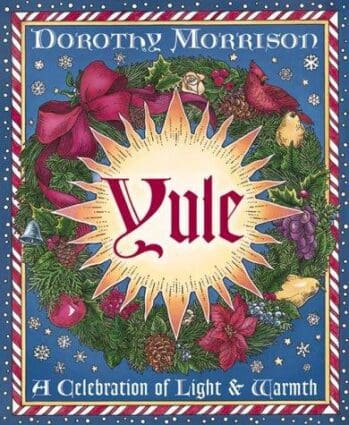
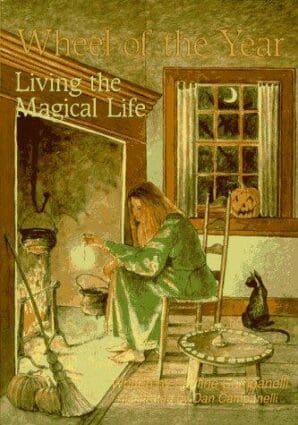


As an Amazon Associate, Next Level Soul may earn from qualifying purchases at no extra cost to you.
What Is a Winter Solstice Meditation Script?
This short guided meditation takes about ten minutes. Read it slowly to yourself, record it in your own voice, or read it aloud to a partner or family. Pause for a breath wherever you see a line break.
Sit comfortably. Let your eyes close or soften your gaze toward the candle.
Take a slow breath in, and let it go with a sigh. Again. Breathe in, and release.
Feel the weight of your body being held by the chair, the floor, the earth beneath the winter ground.
Imagine the longest night. The sky is wide and dark and full of stars. You are not afraid of it. You are held by it.
Notice that even in the deepest dark, something quiet is waiting. A seed beneath the snow. A warmth in your chest. A small, steady flame.
Place your attention on that flame in your heart. With each breath, let it grow a little brighter, a little warmer.
Silently name one thing you are releasing. Watch it dissolve into the dark like smoke.
Now name one thing you are welcoming. See it as a small light, and let it join the flame in your heart.
Feel the light spreading through your chest, your arms, your hands, your whole body. You are a keeper of the light.
Take three more slow breaths. When you are ready, open your eyes and look at the candle. The light is coming back.
Meditation traditions have long used stillness to meet the dark. Acharya Shunya, who comes from a family that has taught the Vedas for generations, shares in this conversation that each of us passes through some darkness and has to own our story.
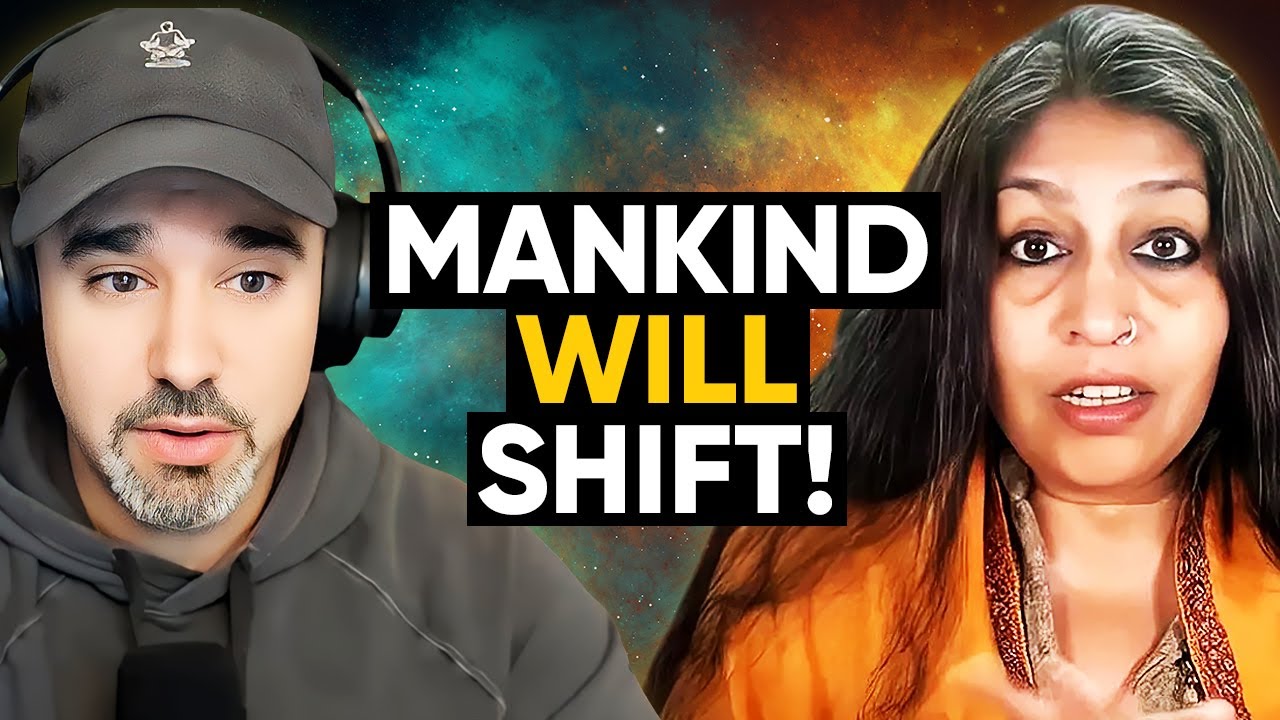
Roar Like a Goddess with Acharya Shunya
Acharya Shunya shares what the Vedas mean by awareness, how to hold effort and surrender together, and how to meet fear, pain and ego with love.
Solo Ritual or Family Ritual: What Is the Difference?
The structure is the same. What changes is the length, the pace and the language. A solo ritual can be quiet and deep. A family ritual should be warm, simple and a little playful.
| Element | Solo version | Family version |
|---|---|---|
| Length | 30 to 60 minutes, or a full vigil | 15 to 30 minutes |
| Opening | Five slow breaths and a spoken line | Everyone says one word that describes how they feel |
| Candles | Seven candle rite or one candle | One candle per person and a shared center candle |
| Release | Written slips, burned or buried | Draw or write a worry, then tear it up together |
| Intention | A written list and a word for the year | Each person shares one wish aloud |
| Meditation | The ten-minute script | A two-minute breath: “smell the cocoa, blow out the candle” |
| Sunrise | A quiet greeting outdoors | Breakfast by the east window |
| Food | Tea, soup or a simple meal | A shared feast, cookies or hot cocoa |
Tips for including children
- Keep each step under five minutes and let children hold or place things.
- Use LED candles for toddlers, with real candles for adults only.
- Offer art supplies so they can draw a sun, a star or a wish.
- Tell the story simply: the nights have been getting longer, and tonight the light turns around.
What Do You Eat and Drink on the Winter Solstice?
Food turns a ritual into a celebration. Winter solstice feasts across cultures lean toward warmth, preserved fruit, nuts and things that glow with the color of the Sun.
- Root vegetables and soup. Carrots, parsnips, beets and potatoes honor the earth, resting in the dark.
- Citrus and orange foods. Oranges, clementines and pumpkin carry the Sun’s color.
- Nuts and dried fruit. Seeds and preserved fruit speak of potential held through winter. Yalda Night is traditionally marked with fruit and nuts, and pomegranates and watermelons are especially significant.
- Warm spiced drinks. Mulled cider, spiced tea or hot cocoa with cinnamon.
- Bread and baked goods. Sharing bread is a symbol of community. A Yule log cake is a sweet nod to the hearth tradition.
- A shared dish. Cooking together, even something simple, is part of the ritual.
Before you eat, take a moment to say thanks for the food, the hands that grew it and the people at your table.
What Is a Simple Winter Solstice Ritual Outline?
If you want everything on one page, here is the full ritual in order. Print it, keep it on your altar, or save it on your phone.
| Step | What you do | Time |
|---|---|---|
| 1. Prepare | Tidy the space, dim the lights, set the altar | 10 minutes |
| 2. Arrive | Five slow breaths and an opening line | 3 minutes |
| 3. Honor the dark | Sit in the dim room without lighting anything | 5 minutes |
| 4. Release | Write, then burn, tear or bury what you are letting go | 10 minutes |
| 5. Kindle | Light the candle or candles, speaking each intention | 5 minutes |
| 6. Intend | Write three to five intentions and a word for the year | 10 minutes |
| 7. Meditate | Read or listen to the ten-minute script | 10 minutes |
| 8. Give thanks | Name three gratitudes | 3 minutes |
| 9. Share a meal | Warm food and drink | Open |
| 10. Welcome the dawn | Optional sunrise greeting | 15 minutes |
Can You Adapt Solstice Rituals for the Southern Hemisphere or a Small Space?
Yes. In the Southern Hemisphere, the winter solstice falls around June 20 or 21, and the ritual works the same way. The longest night is the longest night wherever you live. If you follow the Wheel of the Year, you may also notice that the festival names are reversed in the south.
If you live in a small apartment, use a tray as your altar, a few tea lights in a safe holder and a notebook. If you cannot burn paper indoors, tear your release slips into small pieces and dissolve them in a bowl of water, then pour the water onto soil outside. If you cannot light candles at all, a lamp covered with a warm cloth or a string of warm lights can stand in for the flame.
What Do You Do After the Solstice?
The solstice is a doorway, not a finish line. Return to your altar in the days that follow and reread your intentions. If you want to go further, NLS offers free live classes with teachers across many traditions on the free masterclasses page, and the NLS Mastery library offers full courses. You can also explore the Next Level Soul Podcast for conversations with guests on meditation, intention and the seasons of the soul. If you ever need help with your account or the platform, visit the Help Center.
Keep the Light Going
Explore free masterclasses and conversations with spiritual teachers, and carry the solstice light into the new year.
Frequently Asked Questions About Winter Solstice Rituals
What are winter solstice rituals?
Winter solstice rituals are intentional practices that honor the longest night of the year and welcome the returning light. Common elements include candles, quiet reflection, release and intention writing, and a shared meal.
When is the winter solstice?
In the Northern Hemisphere the winter solstice falls on December 21 or 22. In the Southern Hemisphere it falls on June 20 or 21. The exact moment varies each year and by time zone.
How do I create a winter solstice ritual at home?
Choose an evening, tidy and dim your space, sit quietly in the dark, write what you are releasing, light a candle for each intention, and close with gratitude. The whole ritual can take 30 minutes or less.
What do I need for a winter solstice ritual?
At minimum you need a candle, a piece of paper and a pen. Optional additions are evergreen branches, a Yule log, crystals, incense, warm food and a journal.
What is the best time of day for a solstice ritual?
Most people hold their ritual after sunset on the evening of the solstice, when the night is longest. Some also greet the sunrise the next morning to welcome the returning light.
What is a solstice vigil?
A solstice vigil is a quiet watch through the longest night, usually with a candle, ending at sunrise. You can keep it for a few hours in the evening or stay through the night, whichever feels right.
What is a Yule log, and do I need a fireplace?
A Yule log is a log burned on the hearth as a winter tradition. You do not need a fireplace. A log candle, a cluster of candles, an outdoor fire pit where allowed, or a Yule log cake can serve as a symbolic substitute.
What should I write in a release and intention ritual?
Write what you are ready to release, such as habits, fears or resentments, and then write three to five present-tense intentions for the coming year. Keep both short, specific and kind.
How can I do a winter solstice ritual with kids?
Keep it short and warm. Give each child a candle in a safe holder or an LED candle, ask for one wish, add art and snacks, and end with a shared “the light is coming back” cheer.
What foods are traditional for the winter solstice?
Root vegetables, soups, citrus, nuts, dried fruit, spiced drinks, bread and a Yule log cake are common. On Yalda Night in Iran, fruit, nuts, pomegranates and watermelon are eaten.
Is it respectful to take part in solstice traditions from other cultures?
It can be, when you do so with gratitude and learn the context. Draw on universal elements like candlelight and gratitude, and leave sacred ceremonies, such as Soyal, to the communities that hold them.
Can I do a winter solstice ritual if I feel sad or overwhelmed?
Yes, and many people find the quiet comfort of the ritual helpful. It is a gentle practice, not a treatment. If you are struggling, please reach out to a licensed professional or a crisis line in your area.
Sources and Further Reading
Winter solstice (Wikipedia) · Newgrange (Wikipedia) · Stonehenge (Wikipedia) · Yule log (Wikipedia) · Yalda Night (Wikipedia) · Soyal (Wikipedia) · Saturnalia (Wikipedia)