The best gift for someone who is grieving is usually one that lightens their load or keeps their loved one close: a cooked meal, an afternoon of practical help, a framed photograph, a candle, a handwritten memory, or a book that says it is okay to be a mess. It does not have to be expensive or clever. It has to say, quietly, I see your loss, and I am not going anywhere.
If you are reading this, someone you care about is hurting, and you want to do something. That instinct is good. Most of us freeze, because grief is big and a gift feels small. Here is the gentle truth: the gift matters less than the presence that comes with it. A casserole delivered with a hug will outlast a perfect present delivered with a rush and a script.
This guide begins with presence and compassion, then moves into specific ideas: gifts of time and help, memorial keepsakes, comfort items, books on grief and the afterlife, spiritual comfort, gifts for children, and gifts for the first holiday. It also covers what to say, what to avoid, and when to point a friend toward professional support. Take what fits and leave the rest.
Key Takeaways
- Presence beats presents. A visit, a call, a meal or an offer to handle one specific task is often worth more than any object.
- Be specific. “Let me know if you need anything” puts the work on them. “I am bringing dinner Thursday” does not.
- Keepsakes keep the bond alive. Photos, candles, memory books, plantings and handwritten stories honor the person without pushing the griever to move on.
- Books and films can be companions. Choose gently, and offer them as an invitation, never as an assignment.
- Skip the fix-it gifts. Avoid anything that hints at closure, a timeline, or a silver lining.
- Keep giving after the first month. Grief outlasts the casseroles. Birthdays, anniversaries and holidays are when a small gift lands hardest and helps most.
- A gift that keeps giving. For someone who is open to it, a Next Level Soul TV gift membership, with Mastery included, offers comfort, understanding and a wider view of life and the afterlife, at their own pace.

What Does Someone Who Is Grieving Actually Need?
Grief is the natural response to losing someone or something we love. It can show up as sadness, but also as numbness, anger, exhaustion, guilt, relief, confusion, forgetfulness, and sudden waves in ordinary places like the grocery store. There is no correct order and no deadline. Two people mourning the same person can feel completely different things on the same day.
Because of that, the most useful gifts tend to meet a few simple needs:
- Practical relief. Grief is tiring. Meals, errands, paperwork help, childcare and household chores quietly return energy to someone who has none.
- Permission to feel. Gifts that say “you do not have to be okay” help more than gifts that cheer.
- Remembrance. Most mourners fear that the world will forget. Anything that says the name out loud, or keeps a memory visible, is a comfort.
- Company. Loneliness often arrives after the funeral, when everyone else returns to normal life. A standing invitation to walk, have tea or sit in silence is a gift that keeps going.
- Meaning and hope, offered lightly. Many people find comfort in the belief that love continues beyond death. Others do not. Spiritual gifts work best when they are offered as an invitation, never as an answer.
Keep these five needs in mind as you read. Nearly every idea below serves at least one of them.
What to Say to Someone Who Is Grieving, and What to Skip
Words travel with the gift. A thoughtful present can be undone by a well-meant sentence that lands badly, and a clumsy present can be redeemed by a few honest words. The aim is not to find the perfect phrase. It is to be real, brief and kind.
| Instead of saying | Try saying | Why it helps |
|---|---|---|
| “They are in a better place.” | “I am so sorry. I am thinking of you both.” | It does not argue with how they feel or assume what they believe. |
| “I know exactly how you feel.” | “I cannot imagine how much this hurts. I am here.” | Every loss is personal. Curiosity and humility land better than comparison. |
| “Let me know if you need anything.” | “I am dropping off dinner Thursday. No need to answer.” | It removes the burden of asking and replying. |
| “At least they lived a long life.” | “Tell me about them, if you feel like it.” | It opens the door to memories instead of closing it with a silver lining. |
| “Everything happens for a reason.” | “This is so unfair. I am here for as long as you need.” | It honors the pain rather than explaining it away. |
| “You should try to stay strong.” | “You do not have to hold it together with me.” | It gives permission to cry, rage or fall silent. |
When you truly do not know what to say, “I am so sorry” and a hug or a quiet presence are enough. Using the person’s name is a gift in itself. Many mourners say they fear the name will vanish from conversation, so hearing it feels like warmth.
A short handwritten note is one of the most treasured items a grieving person can receive. Write a specific memory if you have one: a laugh, a kindness, something they said. The world moves on quickly, but a note can be reread on the hard days for years.
Gifts of Presence: Meals, Help and Time
If you only read one section, read this one. The gifts that people remember most after a loss are rarely objects. They are acts. Grief drains executive function, so decisions as small as “what should I eat” become heavy. Take one decision off their plate and you have given a real gift.

Meals and Food
- Cook a meal and deliver it in disposable or labeled containers, so they never need to return a dish. Include simple reheating instructions on a note.
- Organize a meal train among friends, neighbors or coworkers, with different people covering different days. Ask first about allergies and preferences.
- Send groceries or a basket of easy staples: bread, fruit, soup, tea, snacks, coffee. Visitors will be coming and going, and the kitchen needs to keep up.
- Bring breakfast on a hard morning, such as the day of a service or the first morning home alone.
- Think about the weeks ahead. The first week fills with food. Weeks three, six and ten are often empty. A meal in those weeks is remembered.
Practical Help
- Mow the lawn, rake leaves, shovel snow, or take out the trash and bins.
- Run specific errands: pharmacy, post office, dry cleaning, school pickups.
- Walk or feed the dog, or take pets for a day so the house can be quiet.
- Offer to sit with them while they make difficult phone calls, or help organize paperwork, thank-you notes and accounts, if they want the help.
- Drive relatives from the airport, or host out-of-town family so the griever does not have to.
- Clean the house before guests arrive, or take the laundry for a week.
Time and Company
- Offer a standing weekly date. A walk on Tuesdays, tea on Sunday afternoons. Routine gives structure when days feel shapeless.
- Sit in silence. You do not have to fill the quiet. Many mourners say the friends they treasure most were the ones who could simply stay.
- Invite them out, and accept a no. Say “No pressure, the invitation is open” and mean it.
- Say the name. Share a story about the person. Ask whether they would like to talk about them.
- Check in at the odd times. A text on a random Wednesday often matters more than a card on the day of the funeral.
When you offer help, name the task and the time: “Can I pick up your kids on Wednesday?” works better than “Call me if you need something.” Most grieving people will not call. They will say yes to a specific, kind offer.
Memorial and Keepsake Gifts
Remembrance gifts say the thing many mourners most need to hear: they mattered, and they will not be forgotten. They are especially meaningful when they are personal, so look for a small detail that belongs to the person you are honoring, such as a favorite flower, song, saying or color.

Memory Books, Photos and Handwritten Treasures
- A memory book or box. Collect short notes and stories from friends and family, then bind them or place them in a keepsake box. Hearing how many lives were touched is a deep comfort.
- A memory jar. Invite guests at a service or gathering to write a favorite memory on a slip of paper. Give the filled jar to the family afterward.
- A framed photograph. Choose one the family may not have seen: a candid moment, a laugh, a favorite place. Ask permission from someone close if you are unsure.
- A photo book. Gather pictures from friends and relatives into one volume with captions.
- Handwriting turned into art. A treasured recipe card, a signature or a short note in their own handwriting can be framed, stitched onto a towel or engraved on a small keepsake. Seeing a loved one’s handwriting again is powerful.
- A playlist of their songs. Share it with the people who loved them, and tell the stories behind a few tracks.
- A letter. Write down what you learned from them, or one moment you will never forget. This is often the gift people keep longest.
Candles, Altars and Rituals of Remembrance
- A memorial candle. Lighting a candle is one of the oldest human gestures of love and remembrance. A simple, unscented pillar or a candle in a glass holder is lovely. Some people light one each evening, on birthdays or at family meals.
- A small remembrance shelf or altar. A frame, a candle, a plant and a few personal objects can become a quiet place to sit. Our guide to the ancestor altar and dumb supper explains how people across traditions create a place to honor those who have crossed.
- A wind chime or bell. Some families find comfort in a sound that stirs on a breeze and reminds them of their person.
- A card about All Souls Day. If the loss is recent, a note that explains this November tradition of remembering the dead can offer a gentle ritual for the days ahead.
Plantings and Living Memorials
- A tree or shrub. Plant one in the garden, a park or a place with meaning, with permission from the owner or local authority. A living memorial grows as the grief softens.
- A perennial garden, bulbs or a potted plant. Spring bulbs planted in autumn are a quiet promise of return.
- A garden stone, plaque or bench. Pick something modest and ask the family first about wording and placement.
- A donation in their name. Choose a cause the person loved, such as an animal shelter, a library, a hospice, or a nature trust. Send a card to the family to say it was made. You do not need to mention an amount.
Memorial Jewelry and Wearable Keepsakes
Jewelry can keep someone close in a way that is private and portable. Ask yourself whether the person you are giving to is the kind of person who wears jewelry, and keep the design simple and personal.
- A pendant or bracelet with an initial, a name or a date.
- A birthstone piece chosen for the person who has died, or for the person grieving.
- An engraved handwriting or fingerprint piece. Many jewelers can reproduce a signature or a message from a note.
- Keepsake jewelry designed to hold a small amount of ashes or hair. This is deeply personal, so offer it only if the family has chosen cremation and you know they would welcome it. When unsure, ask a close relative before you give it.
- A small charm or token in a favorite shape such as a feather, a dragonfly, a heart or a tree. Many people find comfort in these symbols, and they can start conversation about signs and remembrance if the griever wants it.
Not every grieving person wants to be reminded all day. Always pair a keepsake with a note that says there is no pressure to display or wear it.
Comfort Gifts for the Body and the Home
Grief lives in the body. People describe heaviness, tiredness, a tight chest, a feeling of being cold. Comfort gifts do not solve anything, and that is the point. They simply say: rest, be warm, be cared for.
- A soft blanket, shawl or throw. Something to curl up with on the couch. Many people say they used it daily in the first months.
- Warm socks or slippers and a robe for the long days at home.
- Tea, cocoa or coffee in a good mug, with a few treats on the side.
- A journal and a good pen. Writing can be a safe place to put thoughts that have no one to hear them. Include a note that says there is no right way to use it, and that it can be a place for letters, lists or a single line a day. You might pair it with a gratitude practice prompt if the person welcomes one.
- A plant or flowers. Choose a hardy plant that does not demand much, or cut flowers in colors the person loved. Skip heavily scented blooms if you are unsure, and check for pet allergies.
- A care package. Bundle tissues, a candle, soup mix, tea, a small book and a note. Add a “no need to reply” card.
- A gift card for groceries, takeout or a house cleaning service. It hands back time, and nobody has to cook or decide.
- A massage, a gentle class or a quiet walk in nature. Offer to go along if they would like company, or to arrange childcare so they can go alone.
From the Next Level Soul Shop
If you would like to give something soft from us, the Next Level Soul Shop has a few quiet comforts. None of it is needed, and a handwritten note will always carry the real gift. You can also browse the Next Level Soul Shop for more.

Next Level Soul Serenity Pillow
A calming square pillow for the couch, the bed or a quiet corner.

A soft unisex hoodie with a roomy front pocket for long, cold days.
Books for Grief and Loss
A good book on grief tells a mourner that what they feel is normal and survivable. Bad timing can make a book feel like homework, so offer it kindly and say there is no need to read it now. Some people open a grief book a week after the loss. Others pick it up a year later. The following titles are widely read and respected.
Book links below are Amazon search links. If you buy through them, Next Level Soul may earn a small commission at no extra cost to you.
| Book | Author | Why it can help |
|---|---|---|
| On Grief and Grieving | Elisabeth Kubler-Ross and David Kessler | A thoughtful look at the stages of grief, written to say there is no single path through loss. |
| A Grief Observed | C. S. Lewis | A short, raw account of mourning his wife. Good for a reader who wants honesty over comfort. |
| The Year of Magical Thinking | Joan Didion | A clear-eyed memoir of the year after her husband died. Suits readers who like literary writing. |
| It’s OK That You’re Not OK | Megan Devine | A kind, plain-spoken guide that challenges the idea that grief is something to fix. It also helps friends know how to support someone. |
| Option B | Sheryl Sandberg and Adam Grant | A story of loss and resilience that mixes personal experience with practical ideas about carrying on. |
| When Things Fall Apart | Pema Chodron | A gentle Buddhist perspective on staying present with pain, offered in short chapters you can dip into. |
| Bearing the Unbearable | Joanne Cacciatore | Short, compassionate essays on love, loss and the many shapes grief takes, including the loss of a child. |
| Finding Meaning: The Sixth Stage of Grief | David Kessler | For readers further along who are asking how to carry love forward and find purpose again. |
Choose one book, not five. A stack of titles can feel like a to-do list. Write a short inscription on the first page, and say, “Read it whenever, or never.”
Books on the Afterlife and Life After Death
For people who find comfort in the idea that consciousness continues, books on near-death experiences, mediumship and the soul’s journey can be a lifeline. These are the stories of people who say death was not the end of love. Not every mourner shares this view, so ask yourself whether the person would welcome it. If you know they are spiritually curious, or they have started asking big questions about where their loved one has gone, these titles can open a door.
| Book | Author | What it offers |
|---|---|---|
| Life After Life | Raymond Moody | The classic that brought the term near-death experience to the public, drawing on accounts from people who came back. |
| Proof of Heaven | Eben Alexander | A neurosurgeon’s account of what he says he experienced during a serious illness. |
| Dying to Be Me | Anita Moorjani | A personal story of a near-death experience and what it taught her about love and fear. |
| Hello from Heaven | Bill and Judy Guggenheim | A collection of accounts from people who report contact with loved ones who have died. |
| The Light Between Us | Laura Lynne Jackson | A medium’s story of connection with those who have crossed and what they have asked her to share. |
| Talking to Heaven | James Van Praagh | A well-known medium’s reflections on love that continues and how to make sense of loss. |
| Journey of Souls | Michael Newton | Case studies of life between lives, drawn from hypnotic regression sessions. |
| Final Gifts | Maggie Callanan and Patricia Kelley | Two hospice nurses share what they have learned from the words and gestures of the dying. Valuable for anyone who sat at a bedside. |
If the person you are supporting is curious, our guide to near-death experiences explains what people report and why so many find hope in it. When it goes live, our collections of near-death experience stories and near-death experience books go further. Our guide to shared death experiences and deathbed visions is a gentle read for anyone who was present at a passing. For a wider reading list beyond grief, see our guide to the best spiritual books.
Spiritual Comfort: Films, Audiobooks, Courses and Conversations
At Next Level Soul, we believe love is not erased by death, and that many people find real peace in learning what near-death experiencers, mediums and mystics have reported about the afterlife. Beliefs vary widely, so treat everything in this section as an invitation, never a lesson. If the person you are supporting is open to it, these resources can offer warmth, language and company in the long evenings.
Afterlife Films and Shows on Next Level Soul TV
Next Level Soul TV is our home for spiritual films, series, audiobooks and courses. These titles speak directly to loss, the near-death experience and life beyond the veil. Some can be intense, so consider offering to watch together or suggesting the person start when they feel ready.

Afterlife: What Happens When You Die
Interviews, near-death experiences and ancient wisdom around humanity’s oldest question.

Authors, science professors and mediums look for evidence of life beyond death.

Life After Death and Beyond with James Van Praagh
A well-known medium on his decades of work as a survival evidence medium.

A film that looks at death with curiosity and hope instead of fear.

A man declared brain dead stays aware as loved ones say goodbye. Heavy, so best for someone ready.
Also on Next Level Soul TV is Divine Encounters: Near Death Experiences and Beyond, a series of stories from people who went to the edge of life and came back with new insight.
For more ideas, see our guide to spiritual awakening movies.
Audiobooks for the Long Evenings
Grief makes reading hard. Concentration drops and eyes tire. Audiobooks let someone listen in bed, on a walk, or while looking at the ceiling. Next Level Soul TV has a growing audio library, including titles on life, death and what may come after:

By Edward C. Randall. A lawyer’s investigation into whether consciousness survives physical death.

By Yogi Ramacharaka, Next Level Soul Edition. The soul’s journey, reincarnation and spiritual evolution.
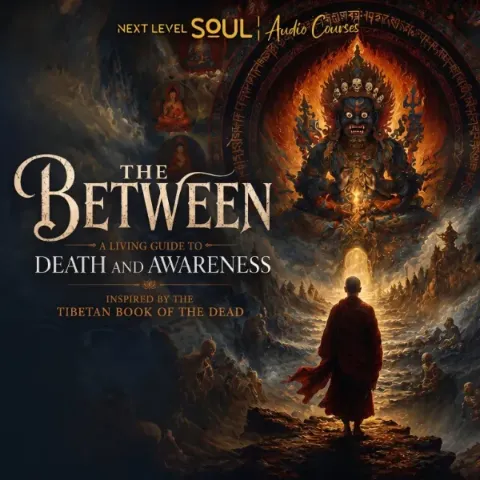
A living guide to death and awareness inspired by the Tibetan Book of the Dead, which gently addresses the fear of death.
Our best spiritual audiobooks guide has more suggestions, and the Egyptian Book of the Dead study guide is a thoughtful companion for readers who want ancient views on death and rebirth.
Audio Courses and Guided Practices
Our narrated audio courses are a quiet way to learn something new without a screen. Two that suit a seeker in mourning:

A gentle beginner’s guide to the spirit world, how mediumship works and how to begin safely.
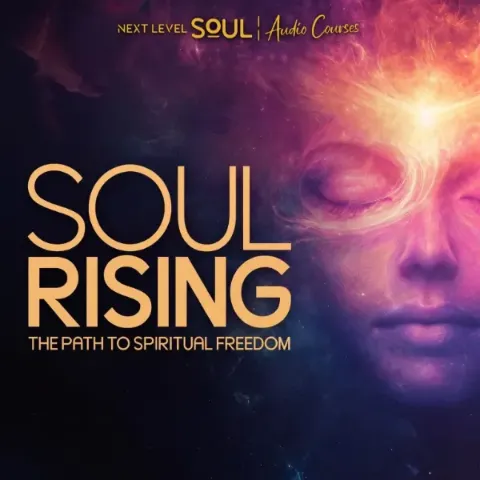
A narrated course on the path to spiritual freedom, step by step.
Many people also find peace in meditation, especially guided meditation that does not ask them to do anything but breathe and listen. The Meditate section of Next Level Soul TV is a good place to start, and a short note saying “Try it when you can’t sleep” makes the offer feel soft.
Podcast Conversations About Death, Loss and What Comes After
Sometimes the best comfort is another person’s voice telling the truth. These Next Level Soul podcast conversations are worth sharing with someone who wants to talk about death and the afterlife. Each has a full episode and show notes:




Dr. Raymond Moody on near-death experiences
A conversation with the man who named the phenomenon.

Scarlett Heinbuch on a love beyond death
A near-death account centered on reunion with a loved one.

Animal Souls in the Afterlife with Karen Anderson
For anyone who has lost a pet.
For readers curious about the language, our glossary explains terms like deathbed visions, life review, heaven, reincarnation and spirit guides in plain English. Our guides to terminal lucidity and why the veil is said to be thin in the autumn are also gentle reads.
A Live Course for Someone Ready to Go Deeper
Some grieving people reach a point where they want more than comfort. They want to understand. For that person, a guided course with a trusted teacher can be a beautiful gift to suggest. Beyond the Veil: The Soul’s Journey Home by Julie Ryan is part of NLS Mastery and explores what happens as we transition from this life. You can browse the full NLS Mastery library for other teachers and topics. Offer it gently, and only when the person has shown interest.

Live-taught courses from trusted teachers, including Beyond the Veil on the soul’s journey home.
Gifts for Grieving Children and Teens
Children grieve in bursts. They may cry, then go out to play, then ask a startling question at dinner. That is normal. The best gifts for young mourners give them language, a way to express feelings, and the sense that a steady adult is around.

For Younger Children
- Picture books about love and loss. Widely used titles include The Invisible String by Patrice Karst, The Memory Box by Joanna Rowland, Badger’s Parting Gifts by Susan Varley and The Fall of Freddie the Leaf by Leo Buscaglia. Read them together, not alone.
- A memory box to decorate and fill with small treasures.
- A soft toy or a keepsake bear, sometimes made with a piece of the loved one’s clothing, if the family agrees.
- Art supplies and a drawing journal. Many children say with crayons what they cannot say aloud.
- A flashlight, nightlight or comfort object for bedtime, which is often when the hardest feelings come out.
For Teens
- A journal or sketchbook with no instructions attached.
- A playlist, or a gift card for music, since music is a common grief language for teens.
- A book written for them. The Grieving Teen by Helen Fitzgerald is a guide written directly to teens.
- A trip out. A walk, a drive, a meal or a game. Teens often open up sideways, while doing something else.
- A quiet check-in text with no pressure to reply.
The biggest gift for a young person is consistency: the same adult turning up week after week. Tell their teachers if the family agrees, so someone at school knows to be gentle.
Gifts for the First Holiday Without Them
The first birthday, anniversary and holiday season after a loss are among the hardest stretches. Gifts at these times work best when they honor the absence instead of papering over it.
- A personalized ornament with their name, handprint or a favorite symbol, to hang on the tree each year.
- A candle for the table to light in memory at dinner.
- A framed photo or recipe that brings the person into the day.
- A stocking, a place setting or a small shrine if the family wants to keep a tradition going.
- A “holiday survival” basket with tissues, tea, an easy meal, a candle and a no-expectations note.
- An offer to take on a task. Cook the dish they usually made, drive to the airport, host a quiet dinner, or take the kids for an afternoon.
- A standing invitation. “You are welcome at our table. Come for ten minutes or stay all night.”
- A note on the morning of the day itself. Many mourners say a single message of remembrance on a holiday morning was the kindest thing they received.
For more on navigating the season, see our guide to grief during the holidays.
Gifts for Someone Grieving a Pet
The loss of a pet is a real and often unacknowledged grief. A friend who simply says “I am so sorry, I know how much they meant to you” is already giving a gift.

- A framed photo or portrait of the animal.
- A paw-print keepsake or a small garden stone with their name.
- A tree, shrub or flower planted in their honor.
- A donation to a shelter or rescue in the pet’s name.
- A handwritten note sharing a memory of the animal.
Avoid saying “you can always get another one.” For comfort of a spiritual kind, you might share the Karen Anderson conversation on animal souls in the afterlife.
A Gift That Keeps Giving
Of everything in this guide, one gift keeps arriving long after the flowers fade. A Next Level Soul TV gift membership gives a full year of films, series, audiobooks, audio courses, podcasts and guided meditations about life, death and what may come after, with Next Level Soul Mastery included. For the right person, it may be the most lasting gift of all: not a way to fix grief, but a gift of comfort, understanding and a wider view of life and the afterlife, to explore whenever they are ready.

How the Gift Works
You choose the gift and send the details to your loved one in whatever way feels right, such as a card, an email or a note tucked into a book. They redeem their code, and their year begins, at their own pace. Every gift includes NLS Mastery, so they can go deeper with trusted teachers when the heart is ready.
Mastery Included: Beyond the Veil and More
For someone who wants to understand more, Beyond the Veil: The Soul’s Journey Home by Julie Ryan explores what happens as we transition from this life, a gentle path toward comfort and a wider view of life and the afterlife. You can also browse the Mastery courses on Next Level Soul TV.
A Few Ways to Give It Gently
- Write a short note that says no one needs to use it right away.
- List two or three titles you think they might love, like the afterlife films above. It turns a big library into an easy first step.
- Time it kindly. The first week is crowded with flowers and visitors. A gift in month two or three, when the house is quiet, often lands better.
- Check that the person is spiritually open. If you are not sure, choose a memorial or comfort gift instead.
Gifts and Gestures to Avoid
Most mistakes come from good hearts and poor timing. These are worth skipping:
- Anything that hints at closure. Plaques that say “time heals” or items that suggest moving on.
- Overly cheerful gifts. Bright cards with exclamation points, or gifts meant to “cheer you up.”
- Religious or spiritual items you are not sure they would welcome. A rosary for someone who is not Catholic, or a book about heaven for someone who is angry with God, can sting.
- Gifts that create work. Plants that need constant care, elaborate baskets with decisions to make, or anything that calls for a thank-you note. Say plainly that no reply is needed.
- Alcohol, unless you know it would be welcome.
- Replacements. A new pet, a new baby item for someone who lost a baby, or a “new start” gift.
- Clearing out belongings. Never discard or rearrange a loved one’s things without being asked.
- Unasked advice. A stack of self-help books, a plan for how to feel, or a timetable.
- Extravagance. A big gift can make the receiver feel indebted. Thoughtful and small is better.
Quick Picks by Situation
| Situation | Gift idea | Gentle note |
|---|---|---|
| The first week after a loss | A cooked meal or groceries | Say no reply is needed. |
| A close friend who is overwhelmed | A specific offer of help, such as school pickups or yard work | Name the day and time. |
| A colleague or neighbor | A handwritten card and a small plant | Keep it simple and warm. |
| Someone who loves remembrance | A framed photo, memory book or candle | Share a memory in writing. |
| A spiritually curious mourner | An afterlife audiobook, film or a Next Level Soul TV gift membership | Offer it as an invitation. |
| A bookworm | One grief book of your choice | Say there is no need to read it now. |
| A child | A picture book and a memory box | Read it together. |
| Someone facing the first holiday | A personalized ornament or a quiet invitation | Send a note that morning. |
| Someone who lost a pet | A framed photo or a planting | Name the animal. |
| Months later | A calendar reminder to call on the anniversary | Nobody else is still checking in. |
How to Give a Gift Gracefully
- Start with a note. Even three lines. Mention the person by name.
- Make it easy to receive. Leave it on the porch, ring and step back, or send it with a courier. Say plainly that no reply or visit is needed.
- Ask a close relative about preferences if you are unsure, especially for jewelry or religious items.
- Do not wait for the funeral. Days after, weeks after and months after are all good times. The hardest period is often after the crowds go home.
- Mark the dates. Put the birthday, the anniversary and the first holidays in your calendar. A text on those days says I remember.
- Keep going. The gift that matters most is the one you give again in three months, six months and a year.
When Grief Needs More Than a Gift
A gift cannot replace support. Most grief is a natural part of loving someone, but sometimes it becomes too heavy to carry alone. If someone you care about is not eating or sleeping for long stretches, withdrawing from everyone, or struggling to function weeks and months after the loss, gently suggest talking with a counselor, a grief support group, a faith leader or their doctor. Many hospices also offer bereavement support to the wider community. You could offer to help them find a group or to drive them to a first meeting.
If anyone speaks about wanting to die or to harm themselves, take it seriously. In the United States you can call or text 988 to reach the Suicide and Crisis Lifeline, or contact local emergency services right away. This guide is meant as friendly company and not as medical or therapeutic advice.
More Gift Guides from Next Level Soul
Shopping for someone else on your list? Our guides to gifts for spiritual people and meditation gifts are gentle places to continue, and our guide to the best spiritual books is a lasting companion for any reader.
Sources and Further Reading
Spirituality for the Rest of Us™
Movies, teachings and community on Next Level Soul TV.
Frequently Asked Questions
What is a good gift for someone who is grieving?
The best gifts are simple and caring: a cooked meal, an offer of specific help, a framed photo, a memorial candle, a handwritten memory, a plant or a gentle book. Choose something that lightens their load or keeps their loved one close, and say that no reply is needed.
What should you not give someone who is grieving?
Avoid anything that hints at closure, such as “time heals” plaques, and anything overly cheerful or demanding, like high-maintenance plants or gifts that need a thank-you note. Skip religious items if you are unsure of their beliefs, and never clear out or rearrange a loved one’s things without being asked.
What do you say when giving a gift to someone who is grieving?
Keep it short and sincere: “I am so sorry. I am thinking of you, and no need to reply.” Use the loved one’s name and share a brief memory if you have one. Avoid phrases like “they are in a better place” or “I know how you feel.”
Is it appropriate to send flowers to someone who is grieving?
Yes, flowers remain a traditional and welcome gesture. Choose a mild scent, check for pet or allergy concerns, and consider a potted plant that will last. Include a note with the person’s name and a few kind words.
What are good gifts for someone who lost a parent?
A framed photo of the parent, a memory book from friends and family, a handwritten recipe turned into a keepsake, a memorial candle, or a meal and practical help are all good choices. A card with a memory of the parent is often treasured most.
What can you give someone who has lost a child?
Offer presence before presents. Say the child’s name, bring a meal, handle chores, and remember birthdays and anniversaries. A gentle keepsake, such as a framed photo, a candle or a planting, may help, but ask a close relative first and follow the family’s lead.
When is the best time to give a gift to someone grieving?
Anytime. The first days bring many visitors and flowers, so a gift in the second or third month, when the house is quiet, can mean even more. Birthdays, anniversaries and holidays are also meaningful times for a small, thoughtful gesture.
What are the best books for someone who is grieving?
Widely read choices include On Grief and Grieving by Elisabeth Kubler-Ross and David Kessler, A Grief Observed by C. S. Lewis, The Year of Magical Thinking by Joan Didion, and It’s OK That You’re Not OK by Megan Devine. For readers open to spiritual ideas, Life After Life by Raymond Moody is a classic.
What spiritual gifts can comfort someone who is grieving?
A memorial candle, a small remembrance altar, an afterlife film or audiobook on Next Level Soul TV, a guided meditation, or a podcast conversation about the afterlife can offer comfort. Offer them as invitations, since beliefs about death vary from person to person.
Can I give a Next Level Soul TV membership to someone grieving?
Yes, if the person is open to spiritual stories. Every Next Level Soul TV gift includes Mastery, so they can explore afterlife films, audiobooks and courses such as Beyond the Veil at their own pace, for comfort, understanding and a wider view of life and the afterlife. Add a note saying there is no rush, and list a few titles to start with.
How can I help a grieving child?
Be steady and honest, read a picture book together, and offer art supplies, a memory box or a journal. Children grieve in bursts, so let them play and ask questions when they are ready. Keep routines familiar, and let their school know if the family agrees.
How can I support someone who is grieving beyond giving a gift?
Show up, listen without fixing, say the loved one’s name and offer specific help. Keep checking in after the first month, mark the anniversary and holidays, and gently suggest a counselor or grief support group if the person is struggling to function over time.
Go Deeper with NLS Mastery: Beyond the Veil
A grounded exploration of what lies beyond death and how that understanding changes how we live. Julie Ryan teaches it in Beyond the Veil, part of NLS Mastery. Watch the course preview below.