A shared death experience happens when someone who is not dying seems to share part of another person’s passing. Along with deathbed visions and terminal lucidity, these experiences are changing how many people think about the end of life. This guide explains each one, what research says, and how to support someone who is dying.
Key Takeaways
- Raymond Moody named shared death experiences in 2010.
- About 88 percent of patients in a 2014 hospice study reported end-of-life dreams or visions.
- Terminal lucidity is sudden clarity before death, and the cause is unknown.
- These experiences are reported often and not rigorously studied.
- If you are caring for someone dying, listen, tell the care team and look after yourself.
In This Guide
- What Are Shared Death Experiences?
- Watch: Afterlife: Beyond the Light
- Shared Death vs Near-Death vs Deathbed Visions
- Common Features People Report
- Deathbed Visions and the Research Behind Them
- Terminal Lucidity: The Surprising Clearing
- What Science Can and Cannot Say
- If You Are Caring for Someone Who Is Dying
- How These Experiences Affect Grief
- The Four Things That Matter Most
- Hospice and Palliative Care
- How Cultures Mark Death
- Journal Prompts
- Death and the Journey in the World’s Traditions
- Channeled and Visionary Teachings on Death
- The Researchers
- Watch and Listen on Next Level Soul
- Books on Shared Death and the End of Life
- Watch and Listen on Next Level Soul TV
- Where to Go Next
- Frequently Asked Questions
- Go Deeper: Beyond the Veil: The Soul’s Journey Home
What Are Shared Death Experiences?
A shared death experience (SDE) happens when a person who is not dying seems to share part of a dying person’s passing. Visitors, family members or caregivers report seeing a light fill the room, sensing the dying person leave their body, watching scenes from their life, or hearing music. The term was popularized by psychiatrist Raymond Moody in Glimpses of Eternity (2010, with Paul Perry).
It is related to, but different from, a near-death experience (NDE), in which the experiencer is the one who nearly dies. Our complete guide to near-death experiences covers that side of the story.
Watch: Afterlife: Beyond the Light
Afterlife: Beyond the Light is a documentary built around the people who have lived these moments. Everyday men and women describe leaving their bodies, moving through light or mist, and feeling an overwhelming peace, a sense of homecoming. Alongside them are researchers including Dr. Raymond Moody, author of Life After Life, and William Peters of the Shared Crossing Project, who has spent years listening to those who were present at the threshold when someone else crossed.
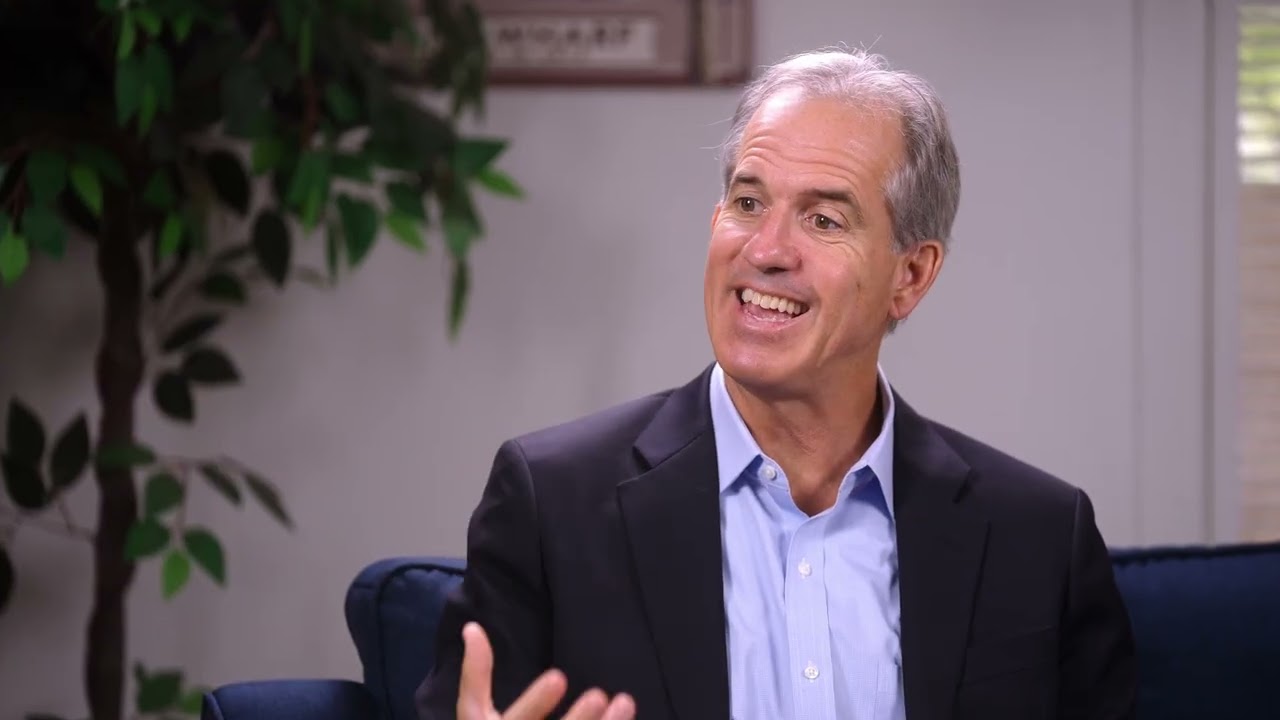
What stays with you is the tone. These are quiet, human accounts, and they keep pointing to the same truth the mystics have always named: consciousness is larger than the body, and love is present at the edge of life. The film runs 1 hour 13 minutes, is rated TV-14, and is coming to Next Level Soul TV on November 3.
Shared Death vs Near-Death vs Deathbed Visions
| Experience | Who Has It | Typical Features |
|---|---|---|
| Near-death experience | A person who nearly dies | Tunnel, light, life review, sense of leaving the body |
| Shared death experience | A bystander, family member or caregiver | Shared light, sense of the dying person leaving, scenes of their life |
| Deathbed vision | The dying person | Visions of deceased loved ones, sense of being welcomed |
| Terminal lucidity | A dying person with severe cognitive loss | Sudden clarity shortly before death |
Common Features People Report
- Presence of light in the room, often described as warm and loving.
- Out-of-body sensation of leaving with or watching the dying person.
- Life review scenes of the dying person’s life, seen by the observer.
- Beings or loved ones who seem to come to welcome the dying person.
- Music or a sense of peace that lingers afterward.
- Lasting comfort and a changed view of death.
These are reports, not measurements. They matter because they are consistent, emotionally powerful and often change how people grieve.
Deathbed Visions and the Research Behind Them
Accounts of the dying seeing loved ones go back centuries. Physicist William Barrett collected cases in Death-Bed Visions (1926). In At the Hour of Death (1977), Karlis Osis and Erlendur Haraldsson surveyed doctors and nurses in the United States and India, finding similar visions of deceased relatives across cultures. A 2014 study led by Dr. Christopher Kerr at Hospice Buffalo, published in the Journal of Palliative Medicine, found that about 88 percent of patients interviewed reported dreams or visions near the end of life, often of deceased loved ones, and that these brought comfort. Researchers disagree about the cause: medication, brain changes or something more. The experiences are common enough that palliative care guides now tell families not to dismiss them.
Terminal Lucidity: The Surprising Clearing
Terminal lucidity, also called paradoxical lucidity, is when a person with severe dementia, brain injury or other conditions suddenly becomes alert and speaks clearly, often within hours or days of death. Biologist Michael Nahm and colleagues reviewed cases in a 2012 paper in Archives of Gerontology and Geriatrics. In 2018 the U.S. National Institute on Aging held a workshop on the topic, calling for more study. Nobody knows the cause. Some scientists look for brain-chemistry explanations, and others see it as a hint that consciousness is more than the brain. It is rare, and families should not expect it, but if it happens it can be a gift for goodbye.
What Science Can and Cannot Say
Skeptics point to oxygen loss, medication and the emotional state of the bedside. Supporters note that shared experiences involve healthy bystanders and sometimes include details the observer could not know. Cardiologist Pim van Lommel’s 2001 study in The Lancet found that 18 percent (62 of 344) of cardiac-arrest survivors reported an NDE, which shows how common such experiences are, though it concerns NDEs and not shared deaths. The honest conclusion is that SDEs have not been studied rigorously, and the stories remain stories. They deserve respect and further research.
If You Are Caring for Someone Who Is Dying
- Listen without arguing if they describe visitors or visions. It is usually calming.
- Tell the care team so they can rule out medical causes like infection or medication effects.
- Stay present, speak gently and say what you need to say.
- Take care of yourself. Rest, eat and ask for help.
- Write down what you experience afterward. Memory fades.
How These Experiences Affect Grief
People who report a shared death experience often describe less fear of death and a sense that their loved one is at peace. That does not erase sorrow. Grief remains, and it deserves time and support. If you are struggling, a grief counselor or hospice bereavement service can help. In the U.S., you can reach the 988 Suicide and Crisis Lifeline by calling or texting 988 if you are in crisis.
The Four Things That Matter Most
Hospice physician Ira Byock wrote The Four Things That Matter Most (2004). He suggests that people at the end of life, and those with them, often need to say four things: please forgive me, I forgive you, thank you, and I love you. They are simple, and they are often the most healing words at a bedside.
Hospice and Palliative Care
Hospice teams focus on comfort and dignity at the end of life. They include nurses, aides, social workers, chaplains and volunteers, and they support families too. Ask your doctor for a referral, or search for a Medicare-certified hospice in your area. Many hospice chaplains are comfortable hearing about visions and spiritual experiences.
How Cultures Mark Death
| Tradition | Practice |
|---|---|
| Hinduism | Chanting and prayers at death; cremation rites |
| Tibetan Buddhism | Readings from the Bardo Thodol to guide the dying |
| Christianity | Last rites, prayer and vigil |
| Judaism | Reciting the Shema; sitting shiva |
| Islam | Reciting the shahada; community prayers |
Journal Prompts
- What do I want to say to the people I love?
- What would make a peaceful end of life for me?
- What helped me feel close to someone after they died?
Death and the Journey in the World’s Traditions
| Tradition | Text or Teaching | What It Says About the Passage |
|---|---|---|
| Ancient Greece | Plato’s Phaedo | The soul separates from the body and is judged |
| Ancient Egypt | Book of the Dead | The heart is weighed against a feather |
| Tibetan Buddhism | Bardo Thodol | Lights and visions guide the dying through intermediate states |
| Christian mysticism | Ars moriendi (15th century) | Manuals for dying well |
| Swedenborg | Heaven and Hell (1758) | The dying are met by angels and awaken in a spiritual world |
| Yogananda | Autobiography of a Yogi (1946) | Describes the astral world after death |
Channeled and Visionary Teachings on Death
| Source | What It Teaches |
|---|---|
| Edgar Cayce readings | Death is a birth into another plane; loved ones meet us |
| Seth (Jane Roberts) | Consciousness continues; death is a change of focus |
| Robert Monroe, Far Journeys (1985) | Maps of afterlife “focus levels” from his out-of-body explorations |
| Neale Donald Walsch, Conversations with God | Describes death as a return to unity and love |
| The Aquarian Gospel (1908) | Presents Jesus teaching the continuity of life |
These sources agree on a few themes: death is not an end, loved ones greet us, and love matters most. They are inspirations, not evidence. See our guide to astral projection and the guide to spirit guides.
The Researchers
| Researcher | Work | Contribution |
|---|---|---|
| Raymond Moody | Life After Life (1975), Glimpses of Eternity (2010) | Named the near-death and shared death experience |
| Kenneth Ring | Life at Death (1980) | Early systematic NDE study |
| Michael Sabom | Recollections of Death (1982) | A cardiologist’s early NDE study |
| Pim van Lommel | The Lancet (2001) | A prospective study of cardiac-arrest survivors |
| Peter and Elizabeth Fenwick | The Art of Dying (2008) | Studied end-of-life experiences in the UK |
| Sam Parnia | AWARE study (2014) | Tested awareness during cardiac arrest |
| Penny Sartori | The Wisdom of Near-Death Experiences (2014) | A nurse’s study of ICU patients |
Watch and Listen on Next Level Soul
- Jewish Man Meets Jesus in the Afterlife with Dr. Laurence Brock. A near-death story and its message. Listen to the episode
- He Drowned in His Own Blood, Then Met Jesus with Jason Janas. A dramatic near-death account. Listen to the episode
- One Month Beyond the Veil with Dr. Spirit Sunshine. A young girl’s near-death revelation. Listen to the episode
- Ancient Civilizations Described NDEs with Greg Shushan. How ancient cultures understood near-death experiences. Listen to the episode
- Messages from the Other Side with Michael G. Reccia. Communication from beyond. Listen to the episode
Books on Shared Death and the End of Life
- Glimpses of Eternity by Raymond Moody with Paul Perry. The book that named shared death experiences.
- After by Bruce Greyson. A psychiatrist on near-death experiences.
- Consciousness Beyond Life by Pim van Lommel. A cardiologist’s research.
- At the Hour of Death by Karlis Osis and Erlendur Haraldsson. The classic deathbed-vision survey.
- Final Gifts by Maggie Callanan and Patricia Kelley. Hospice nurses on what the dying communicate.
As an Amazon Associate, Next Level Soul earns from qualifying purchases.
Watch and Listen on Next Level Soul TV
These titles from the Next Level Soul TV catalog go deeper into this topic.
- The Life After Death Project. Film on NLS TV.
- Afterlife: What Happens When You Die. Show on NLS TV.
- Afterlife: Beyond the Light. Film on NLS TV.
- Hospice Nurse REVEALS What Happens Moments Before We Die with Julie McFadden. Episode.
- Her Dying Father PROVED Love Never Dies (Shared Death Experience) with Amber Kasic. Episode.
- What Happens at Deathbed Visions with Julie Ryan. Episode.
- What Happens As You Die with Dr. Christopher Kerr. Episode.
- The End of Life with Death Doula Dr. Martha Jo Atkins. Episode.
- Through the Gates. Audiobook on NLS TV.
- The Between. Audio course.
Where to Go Next
- Near-death experiences: the complete guide
- What is consciousness?
- Reincarnation
- The Akashic Records
- Top 20 spiritual books
- Go deeper with Next Level Soul Mastery, our collection of in-depth courses.
Frequently Asked Questions
What Is a Shared Death Experience?
A shared death experience happens when someone who is not dying seems to share part of another person’s passing, such as seeing light, feeling the person leave or watching scenes of their life. Raymond Moody popularized the term in 2010.
How Is It Different From a Near-Death Experience?
In an NDE, the person who nearly dies has the experience. In an SDE, a bystander or caregiver has it.
What Is Terminal Lucidity?
A sudden return of clarity in a dying person with severe cognitive impairment, often shortly before death. Michael Nahm and colleagues reviewed cases in 2012.
What Are Deathbed Visions?
Visions reported by the dying, often of deceased loved ones. A 2014 study at Hospice Buffalo found about 88 percent of patients reported dreams or visions near the end of life.
Are Shared Death Experiences Real?
They are real as reported experiences, and researchers do not agree on their cause. They have not been rigorously studied.
Should I Tell the Care Team About Visions?
Yes. They can rule out medical causes such as infection or medication, and they can support the dying person.
Can These Experiences Help With Grief?
Many people say they find comfort and less fear of death. Grief still needs time, and counseling can help.
Where Can I Learn More?
Start with our guide to near-death experiences and with Raymond Moody’s Glimpses of Eternity.
Go Deeper: Beyond the Veil: The Soul’s Journey Home with Julie Ryan
Those who sit at a bedside know that something sacred happens at the threshold. Julie Ryan, a psychic medium and medical intuitive, teaches what unfolds as the soul returns home in her Next Level Soul Mastery course.
In this exclusive NLS Mastery course, Julie Ryan, psychic medium and medical intuitive, gently takes you beyond the veil to reveal what truly happens as we die. Drawing on thousands of end-of-life scans and her own Twelve Phases of Transition®, Julie walks you through every stage of the soul’s return home, from the first loved ones who arrive to the angels who carry us through. You’ll learn to communicate with spirit yourself, recognize what is unfolding at a loved one’s bedside, and trade fear for understanding. Grounded, compassionate, and deeply practical, this is a teaching you’ll carry for the rest of your life and share with the people you love.

What you will walk away with
- Tune in to spirit
- Understand the passage home
- Be present at the bedside
- Trade fear for understanding
7 lessons, part of Next Level Soul Mastery, our collection of in-depth courses.
Go Deeper with NLS Mastery: Beyond the Veil
A grounded exploration of what lies beyond death and how that understanding changes how we live. Julie Ryan teaches it in Beyond the Veil, part of NLS Mastery. Watch the course preview below.