
Shadow work is the practice of getting to know the parts of yourself that you have pushed out of sight, such as anger, shame, envy, neediness, and even hidden gifts, so that they stop running your life from behind the scenes. The idea comes from the Swiss psychiatrist Carl Jung, who called these hidden parts the shadow. This guide explains where the idea came from, how to spot your own shadow, and how to begin working with it safely, step by step.
Key Takeaways
- Shadow work means meeting and integrating the unconscious parts of your personality that you have disowned, rather than fighting or hiding them.
- The shadow is a concept from Carl Jung, the founder of analytical psychology. It holds both difficult traits and unlived strengths, sometimes called the golden shadow.
- The clearest signs of shadow are strong emotional triggers, harsh judgments of others, and patterns that keep repeating in your life.
- Projection is the main way the shadow shows itself: we see in other people what we cannot yet see in ourselves.
- Good shadow work is slow, kind and curious. Journaling, meditation, dream work and inner child work are the most common tools.
- Shadow work can stir up painful memories. If you have trauma, work with a licensed therapist. In the United States you can call or text 988 at any time for crisis support.
New to inner work? Start with our guide to the subconscious mind, then come back here. The shadow lives in that hidden layer, and it helps to understand it first.
What Is Shadow Work?
Shadow work is the deliberate, ongoing practice of turning toward the parts of yourself that you do not like, do not admit to, or never learned to express. These are the traits, feelings, memories and impulses that were pushed out of awareness because they did not feel safe, acceptable or loved. In the language of depth psychology, they form your shadow.
The goal of shadow work is not to become a different person. It is to become a whole one. When you can see your anger, your jealousy, your need for approval or your fear of being seen, they lose much of their hidden power. You get to choose what to do with them, instead of being pushed around by them. Many people also find, to their surprise, that the shadow holds creativity, boldness, tenderness and joy that they locked away long ago.
If you are looking for a short definition for reference, our shadow work glossary entry gives one. This guide goes much further, with the history, the signs, the practices and a full 30-day plan.
Shadow work in plain words
Think of your personality as a house. You live in a few well-lit rooms: the friendly one, the capable one, the responsible one. Other rooms have been closed since childhood. You do not remember what is in them, but you feel a draft. Shadow work is the decision to open those doors, one at a time, with a lamp and good company.
It is a practice, not an event. Most people return to it again and again over many years, going a little deeper each time. It sits at the meeting point of psychology and spirituality, which is why it appears in therapy rooms, in meditation halls, in books on spiritual awakening and in many wisdom traditions under different names.
Where Does the Shadow Come From? Carl Jung’s Idea
The shadow as a psychological idea belongs to Carl Gustav Jung (1875 to 1961), a Swiss psychiatrist who founded analytical psychology. Jung started out working closely with Sigmund Freud, then went his own way in the years around 1912 and 1913 and spent the rest of his life mapping what he called the psyche. His ideas about the unconscious, archetypes, dreams and individuation are still taught widely today.

What Jung meant by the shadow
In Jung’s model, the conscious personality, which he called the ego, grows by identifying with some qualities and rejecting others. A child who learns that anger gets punished may push anger out of awareness. A child who learns that being shy is safer than being bold may bury boldness. Everything that does not fit the self-image gets sent down into the unconscious. That collection of rejected material is the shadow.
Jung wrote that the shadow is not simply evil. It is whatever the conscious mind does not recognize in itself, and it can hold both negative and positive qualities. He also taught that the less we admit our shadow, the more it tends to act on its own, often at the worst moments. His fuller discussion of the shadow, together with the anima, animus and the Self, appears in his late work Aion (1951).
One of Jung’s most quoted ideas, in paraphrase, is that you do not become enlightened by imagining figures of light, but by making the darkness conscious. That is the spirit of shadow work: awareness, not perfection.
The persona: the mask that creates the shadow
Jung also described the persona, from the Latin word for the mask worn by actors. The persona is the face you show the world: your professional manner, your social polish, the version of you that fits in. It is useful, and everyone has one. The trouble starts when we identify with it so completely that anything outside the mask has to go somewhere. The more rigid the persona, the larger and more active the shadow tends to be.
A familiar cultural image is Robert Louis Stevenson’s Strange Case of Dr Jekyll and Mr Hyde (1886), often cited as a story about a respectable surface that splits from a hidden side. The poet Robert Bly offered another image in A Little Book on the Human Shadow: an invisible bag we drag behind us, into which we stuff the parts of ourselves that others disliked, and which we spend much of adult life trying to empty.
Jung’s key terms at a glance
| Term | What it means | How it relates to shadow work |
|---|---|---|
| Ego | The conscious center of identity, the “I” you know | Decides what feels acceptable and what gets pushed away |
| Persona | The social mask you present to others | The more rigid it is, the more is left in the shadow |
| Shadow | The disowned or unrecognized parts of the personality | The main subject of shadow work |
| Personal unconscious | Forgotten, repressed or never-noticed personal material | Where most personal shadow material is stored |
| Collective unconscious | Inherited patterns and images shared across humanity | Source of archetypes, including a shared, cultural shadow |
| Archetype | A universal pattern such as the hero, the mother or the trickster | The shadow itself is described as an archetype |
| Individuation | The lifelong process of becoming whole | Shadow integration is considered a key step |
| Self | The totality of the psyche, conscious and unconscious | The wholeness that shadow work moves toward |
For a deeper look at Jung’s own idea, read our companion article, Carl Jung Shadow: What It Is and How to Integrate It. Our piece on Jung’s idea of synchronicity explores another of his big ideas, the meaningful coincidence.
The personal shadow and the collective shadow
Jung distinguished between the personal shadow, which comes from your own life story, and the collective shadow, which belongs to families, cultures and whole societies. A family may share an unspoken rule that nobody talks about money, grief or anger. A culture may disown certain feelings or groups and project them outward. When whole groups refuse to look at what they carry, the results can be seen in history. Personal shadow work is the human-sized place to begin, though it is helpful to remember that you did not create every pattern you carry. Many were handed down.
What Lives in the Shadow?
People often assume the shadow is a basement full of monsters. In practice it is far more ordinary and far more interesting. Here is what commonly lives there.
- Difficult emotions you were taught to suppress: anger, grief, jealousy, shame, fear, sadness.
- Selfish or aggressive impulses that you judge in yourself, such as wanting more, wanting to say no, or wanting someone to fail.
- Needs you learned were too much: attention, comfort, rest, closeness, praise.
- Memories and experiences that felt too painful to hold, which stay as undigested feeling.
- Unlived gifts: creativity, leadership, humor, sensuality, spiritual sensitivity, the courage to be seen.
The last item is important. The shadow is not only a bin for the unpleasant. It is a container for anything that did not get welcomed. A child who was told “do not be so loud” may have put away a natural leader. A child who was teased for sensitivity may have put away intuition. We return to this in the section on the golden shadow below.
Why do shadow work? The benefits people report
People come to shadow work for many reasons: a relationship that keeps failing in the same way, a creative block, a burst of anger they do not understand, or a quiet feeling that life is smaller than it should be. Practitioners and writers in this field describe a number of benefits, which are best understood as common experiences rather than guarantees.
- Less reactivity. When you know what your triggers point to, you can pause before you respond.
- Better relationships. Taking back projections makes room for seeing other people as they are, not as mirrors.
- More self-compassion. Meeting the parts you judged, and finding they were trying to protect you, tends to soften the inner critic.
- More energy. Holding things out of awareness takes effort. Many people feel lighter when they stop.
- Access to hidden gifts. Creativity, boldness and intuition often return together with the feelings that were set aside.
- A more grounded spiritual path. Shadow work helps keep spiritual practice honest. It is a safeguard against what some teachers call spiritual bypassing, which means using meditation, positivity or beliefs to avoid feelings you do not want to feel.
If you are on a spiritual path, shadow work is not a detour from it. Many traditions teach that real awakening includes meeting what is difficult in yourself. Our guide to the dark night of the soul describes one of the classic ways this encounter arrives.
Go Deeper with NLS Mastery: Becoming Nobody
If shadow work has you asking who you really are beneath the roles and stories, this course goes straight to that question. Kyle Cease teaches it in Becoming Nobody, part of NLS Mastery, with lessons on facing the fear of knowing yourself, healing through the heart, and how the world mirrors your inner state. Watch the course preview below.

Signs You Are Running From Your Shadow
The shadow is unconscious by definition, so you cannot see it directly. You can, however, see its footprints. The signs below are common ones. Having a few of them does not mean anything is wrong with you. It means you are human, and that you have material available to work with.
- Strong emotional reactions that feel bigger than the situation. A small comment lands like a punch.
- Intense dislike of certain people, especially those who are loud, needy, arrogant, lazy or “fake.” The stronger the dislike, the more likely it is pointing at something in you.
- Intense admiration or envy of others. What we idolize or resent often shows what we have not claimed.
- Repeating patterns in relationships, jobs or money, where different people and places somehow produce the same story.
- Harsh self-criticism and a constant sense of not being enough, or its opposite, a polished image that never cracks.
- Saying “I would never” with great force. The words “never” and “always” about yourself are worth noticing.
- Slips and sabotage: forgetting something important, procrastinating on what you say you want, or undermining success just as it arrives.
- Moral certainty and judgment, a strong urge to correct, expose or condemn others.
- Numbness or flatness, as if some part of life has lost its color. Suppressing difficult feelings often dims the pleasant ones too.
- Compulsions such as overworking, overeating, scrolling, shopping or people-pleasing, used to avoid a feeling.
- A sense of being two people: the one who shows up in public and the one who comes out at home or in private.
- Bodily tension that has no medical cause and eases when you finally name a feeling. Please check physical symptoms with a doctor first.
Everyday examples
| What you notice | What the shadow might be holding | A question to ask |
|---|---|---|
| You cannot stand people who brag | Your own wish to be seen and celebrated, perhaps once shamed | Where did I learn that wanting attention was wrong? |
| You never say no and then feel resentful | Anger and your right to boundaries | What would I say if I were not afraid of disappointing anyone? |
| You mock “woo-woo” things you secretly wonder about | Longing for meaning, or fear of being foolish | What part of me wants to believe, and what part is afraid? |
| You are drawn to confident, free-spirited people | Your own unlived freedom and spontaneity | What would I do this week if I let myself be freer? |
| You feel sick with envy at a friend’s success | An ambition you gave up on or never allowed | What exactly do I want that they have? |
| You explode over small things at home | Stored stress or unspoken needs from elsewhere | What have I been swallowing all week? |
What Is Projection and How Does It Reveal the Shadow?
Projection is the unconscious habit of seeing in other people the qualities we cannot see in ourselves. In psychology, it is described as a defense mechanism in which unwanted feelings or traits are attributed to someone else. In Jung’s thinking, projection is how the shadow gets noticed: because we cannot look at it directly, it appears on the screen of other people’s faces.
Projection is not always about negative traits. We can project our own greatness, wisdom or beauty onto teachers, celebrities and partners. The early days of a love affair or a spiritual mentorship often carry a good deal of this. Eventually the screen goes blank and we have to look at what we put there.
How projection works in daily life
Here is a common pattern in four steps.
- A quality is rejected early. You learn, perhaps wordlessly, that being selfish, needy or loud is unsafe.
- It goes underground. You stop seeing it in yourself. It becomes part of the shadow.
- You meet it in someone else. A coworker who takes up space, a sibling who asks for help, a stranger online who boasts.
- You react strongly. You feel disgust, anger or judgment. The charge is out of proportion, because part of the charge belongs to you.
A simple test: if a trait mildly annoys you, it is probably about them. If it hits you like a punch, there is probably something of yours in it. That is a rule of thumb, not a scientific measurement, but many practitioners find it useful.
Taking your projections back
Withdrawing a projection does not mean the other person is blameless. Someone can truly behave badly and you can still have a strong reaction rooted in your history. The practice is to ask two questions at once: What is really going on with them? and What is this stirring in me? Holding both keeps you honest and keeps you out of excuses on either side.
Dr. Joe Vitale makes a related point from the world of the Law of Attraction: the conscious mind can state a wish all day while the subconscious runs another program in the background. In this conversation he also teaches the Hawaiian practice of Ho’oponopono as an inside job.

The Dark Side of the Law of Attraction with Joe Vitale
Dr. Joe Vitale explains how the subconscious can run a different program than our conscious wishes, and shares the Ho’oponopono practice as an inside job.
Triggers: The Doorway to Your Shadow
A trigger is any person, place, word or situation that sets off an outsized emotional reaction. In shadow work, triggers are treated less as problems and more as signals. They tell you exactly where an old wound or disowned part is sitting just beneath the surface, and they give you a live, in-the-moment chance to meet it.
The anatomy of a trigger
- The event. Someone interrupts you, ignores your message, or criticizes your work.
- The sensation. Heat in the face, a knot in the stomach, tight shoulders, a lump in the throat.
- The story. “They do not respect me.” “I am always overlooked.” “I am not good enough.”
- The old memory. Often below awareness, a younger scene that felt exactly like this one.
- The reaction. Shutting down, lashing out, pleasing, or fleeing.
The power move in shadow work is to slow the chain after step one. You do not need to fix anything yet. Just notice the sensation and the story separately. Many people find that simply naming the story (“I am telling myself I am being dismissed”) loosens its grip.
Trigger or boundary? Both can be true
One caution matters here. Not every strong reaction is a shadow issue. Sometimes your reaction is a healthy alarm that someone has crossed a line. Shadow work does not ask you to tolerate mistreatment, or to decide that every hurt is your own projection. The skill is to separate the present facts from the old charge. You can set a boundary and explore the history behind how strongly you felt it.
A simple trigger log
Keep a note on your phone for one week. Each time you feel a charge, write four short lines: what happened, what you felt in your body, what story your mind told, and what it reminded you of. By the end of the week you will almost always see a pattern. That pattern is your map.
The Golden Shadow: Your Hidden Strengths
The shadow is not only dark. Writers in the Jungian tradition use the phrase golden shadow for the positive qualities that you have disowned: talents, confidence, creativity, leadership, joy. If dark shadow is what you were ashamed of, golden shadow is what you were never allowed to be proud of.

How to spot your golden shadow
The golden shadow also appears through projection, but in the form of admiration. The trick is to notice what you adore or envy in others and ask whether that quality lives in you in seed form.
- Who do you admire so much that it almost hurts? List three people and the exact qualities you admire.
- Whose success makes you quietly bitter? What do you secretly wish you had permitted yourself?
- What compliments do you instantly deflect? Often those point to a real strength you keep at a distance.
- What did you love to do as a child before you learned it was silly, selfish or impractical?
Once you have the qualities, try this: write each one as “I am ______” and then write one small way you can show it this week. If you admire someone’s fearlessness, speak up once in a meeting. If you envy someone’s creativity, spend twenty minutes making something with no goal at all.
Dark shadow and golden shadow compared
| Aspect | Dark shadow | Golden shadow |
|---|---|---|
| What it holds | Qualities you judge: anger, greed, pettiness, neediness | Qualities you were never allowed to own: power, beauty, talent, joy |
| How it shows | Disgust, irritation, judgment of others | Awe, envy, idealizing others |
| Typical message | “I could never be like that.” | “I could never be that good.” |
| What integration looks like | Healthy anger, honest limits, self-compassion | Confidence, creative risk, owning your gifts |
How to Do Shadow Work: A Step-by-Step Practice
There is no single official method. Therapists, Jungian analysts, coaches and spiritual teachers each have their own. The eight steps below pull together the common threads into a practice you can use on your own for everyday material. For anything that feels heavy, please bring in a professional, as explained in the safety section further down.
Step 1: Prepare safe ground
Choose a time when you are not exhausted, hungry or in crisis. Find a private spot, silence your phone, and have something grounding nearby: a glass of water, a blanket, a candle, or a pet. Decide in advance how long you will work (twenty minutes is plenty) and how you will end, for example with a walk, a shower or a call with a friend. Shadow work goes better when it has edges.
Step 2: Notice the charge
Start with something real from the last few days: a trigger, an argument, a flash of envy, a pattern that keeps repeating. Pick something at a three or four out of ten in intensity, not a ten. Learn the skill on smaller material before you approach the biggest things.
Step 3: Name what you feel and where you feel it
Say what is present in plain words: “I feel ashamed,” “I feel furious,” “I feel invisible.” Then locate it in the body. Tight chest? Heat in the face? A hollow stomach? Staying with a physical sensation for a minute or two, without trying to change it, is often more effective than thinking about it.
Step 4: Separate the facts from the story
Write two columns. In one, list only what a camera would have recorded. In the other, list what your mind added: motives, predictions, judgments. The shadow lives mostly in the second column. Notice any words that feel absolute, like “always,” “never,” “everyone” or “nobody.”
Step 5: Ask the shadow questions
These questions open the door. Use the ones that fit and let the answers arrive slowly.
- When did I first feel this way? How old was I?
- Who does this person or situation remind me of?
- What did I learn about this feeling growing up? Was it allowed in my family?
- Where do I do the very thing I am judging, even in a small or hidden way?
- What is this feeling trying to protect me from?
- What would I have to admit if I stopped blaming?
Step 6: Look for the gift
Every disowned trait has a healthy form. Anger can become clear boundaries. Envy can become a map to your desires. Selfishness can become self-respect. Neediness can become the courage to ask. Write down the trait and then its mature version, and describe one small action that would express it this week.
Step 7: Give the shadow a voice
Jung developed a method called active imagination, in which you let an inner figure speak while you stay awake and observant. A simple version is a written dialogue. Picture the disowned part as a character, give it a name if you like, and ask it questions: What do you want me to know? What are you afraid will happen if I ignore you? Write whatever comes with your non-dominant hand if you wish, and let the answers surprise you. Treat what emerges as information to consider, not as orders to follow.
Step 8: Integrate through small, real actions
Insight without action fades. Integration means letting the new understanding shape behavior. Say the honest sentence. Take the break. Apologize if you owe an apology, and also forgive yourself. Close with a short ritual, such as placing a hand on your heart and saying, “I see you, and you belong here.” Then do something ordinary and kind for your body.
Dr. Andrew Holecek, a Tibetan Buddhist practitioner and author, speaks about going into month-long retreats in total darkness. He says the darkness does not do anything to you, it simply shows you who you are, a theme every shadow worker will recognize.

The Magic of Dark Medicine with Dr. Andrew Holecek
Dr. Andrew Holecek talks about month-long dark retreats, lucid dreaming and shadow work, and what he says darkness can teach us about ourselves.
How often should you practice?
Short and steady beats long and rare. Ten to twenty minutes a few times a week is enough for most people. Take a rest day whenever you feel flooded. If a session leaves you shaky, do something grounding and come back later or with support. Depth comes from repetition, not from forcing a breakthrough.
Shadow Work Journaling: How to Write Your Way In
Journaling is the most popular entry point because it is private, free and slow. Writing gives the shadow a place to speak without an audience. It also helps you notice patterns across days and weeks that you would miss in the moment.

A simple journaling method
- Set a timer for ten to fifteen minutes and write by hand if you can.
- Begin with a prompt and write without editing. Let sentences be messy.
- Stay with the body. Every few minutes, check in with the physical sensations and note them.
- Finish with a kind line. End with one sentence of compassion, for example, “Anyone who went through this would have learned to protect themselves too.”
- Close the book. Take a breath, stretch, and do something grounding.
Starter shadow work prompts
Here are some prompts to start with. Choose one per session rather than answering all of them at once.
- What qualities do I judge most harshly in other people?
- What did I learn as a child about anger, crying, needing help or taking up space?
- Which emotion do I avoid most, and what do I do instead of feeling it?
- What do I pretend not to care about?
- What would people be shocked to learn about my inner life, and why does that feel dangerous?
- Who do I envy, and what exactly do I envy?
- When have I behaved in a way that surprised or embarrassed me?
- What are the messages I was given about who I should be?
- What part of me do I hide in order to be liked?
- What is the story I tell about myself that may be only partly true?
- What do I need but never ask for?
- If my shadow had a voice, what is the first thing it would say?
- What gift did I have as a child that I learned to hide?
- Which of my reactions would a loving friend call out gently?
- What am I most afraid would happen if I fully let myself be seen?
For a much larger collection, see our guide to shadow work prompts, with 64 journal questions. Whichever set you use, remember the golden rule of this practice: curiosity before judgment.
Common journaling pitfalls
- Rumination. If you write the same complaint in the same words for days, you are circling, not digging. Change the question or take a break.
- Self-attack. Shadow work is not an audit of your flaws. If your writing turns cruel, pause and write to yourself as you would to a friend.
- Skipping the ground. Always end with something calming.
- Reading too much into it. A prompt answer is a clue, not a verdict.
Shadow Work Meditation: Sitting With What Is Hidden
Meditation and shadow work support each other. Meditation builds the steadiness to look at difficult material without being swept away. Shadow work gives meditation something honest to look at. If you are new to the practice, start with our guides on how to meditate and beginner meditation techniques, then add the practice below.

A ten-minute shadow meditation
- Arrive (2 minutes). Sit comfortably. Feel your feet and seat. Breathe slowly, with a longer exhale than inhale. Let the body settle.
- Anchor (1 minute). Choose an anchor: the breath at the nostrils, or the feeling of your hands. Return to it whenever you feel pulled away. This is your safe base.
- Invite (2 minutes). Bring to mind a mild trigger from this week. Do not relive it in detail. Just let the feeling arise in the body.
- Locate (2 minutes). Find where it lives. Describe it quietly to yourself: size, temperature, texture, movement. Keep breathing around it.
- Greet (2 minutes). Silently say to the sensation, “I see you. I am listening.” Notice if an image, a word or a memory appears. You do not have to chase it.
- Return (1 minute). Come back to the anchor. Open your hands, stretch, and take a long exhale. Note anything you want to write about later.
If at any point the feeling becomes too strong, open your eyes, look around the room, name five things you can see, and put your feet firmly on the floor. You are always allowed to stop.
Why mindfulness helps
The skill most useful in shadow work is the ability to observe a feeling without becoming it. In the language of mindfulness, you learn to say “there is anger here” rather than “I am anger.” That small gap is where choice begins. Our glossary entries for mindfulness and meditation give brief definitions of both terms.
Inner Child Work and the Shadow
The inner child is a popular term for the emotional part of you that holds your earliest experiences, needs and wounds. The idea has roots in Jung’s writing on the child archetype and was popularized for general readers by recovery and self-help authors in the late twentieth century. Shadow work and inner child work overlap strongly, because many of the things we exile into the shadow were exiled when we were small.
How the inner child and the shadow connect
A child who was shamed for crying learns to hide sadness. A child who was praised only for achievement learns to hide rest. The adult version of that child may still run the same rules. When a trigger hits and you suddenly feel five years old, you may be hearing from a part that never got what it needed. Shadow work helps you notice it. Inner child work helps you respond to it.
Clinical psychologist Dr. Shefali, author of The Conscious Parent, brings Western psychology and Eastern spirituality together here. She talks about how children reveal our own ego, control and expectations, and what it means to wake up to your own inner baggage and raise your own inner child.

Conscious Parenting with Dr. Shefali
Clinical psychologist Dr. Shefali explains how children mirror our ego and unfinished inner work, and why raising your own inner child matters.
Simple inner child practices
- Find a photo. Place a picture of yourself as a child where you can see it. Ask what that child needed most.
- Write a letter. Write from your adult self to your younger self. Say what you wish someone had said.
- Write back. Using your non-dominant hand, let the child answer. Many workbooks suggest this simple switch because it can loosen the habit of editing.
- Play. Do something purely for fun: color, dance, climb, build, sing. The child often speaks through play.
- Offer one kindness. When triggered, silently ask, “What do you need right now?” and give one small thing: a glass of water, a pause, a hug of your own arms.
Be gentle with this one. Memories of neglect or abuse can surface, and these deserve professional support. See the safety section below. For a broader look at emotional recovery, read our article on spiritual and emotional healing from trauma.
Dreams and the Shadow
Jung believed that dreams are one of the main ways the unconscious speaks. If the shadow is the part of us we do not see in waking life, dreams are where it often shows up in costume. He observed that the shadow in a dream commonly appears as a figure of the same sex as the dreamer, someone threatening, shabby, seductive or simply unwelcome. Many people also report dreams of being chased, which some dream workers read as an invitation to turn around and meet whatever is giving chase.
Dream guide Machiel Klerk teaches courses that draw on Jungian and spiritual psychology, including shadow work and dream work. In this conversation he explains that nightmares are important for growth, and that integrating what scares us works better than pushing it away.

Understanding the Meaning of Your Dreams with Machiel Klerk
Dream guide Machiel Klerk explains why a dream is an interactive environment rather than a letter to decode, and why integrating what scares us works better than pushing it away.
How to work with shadow dreams
- Record at once. Keep a notebook beside the bed and write before you move or check your phone. Even a single image or feeling is enough.
- Note the feeling first. What did you feel in the dream, and on waking? Feeling often matters more than the plot.
- Ask about the figure. If a threatening or unpleasant character appears, ask: What quality does this figure have that I avoid in myself? What does it want?
- Treat symbols as personal. Dream dictionaries can be a starting place, but your own associations count more. What does a “snake,” “flood” or “basement” mean to you?
- Re-enter in meditation. Sit quietly, return to the scene and ask the figure what it needs. Dr. Bonnie Buckner, in our conversation about ancient dreamwork, describes a similar approach of keeping a dream journal and re-entering the dream in waking meditation.
- Take one waking action. Let the dream change one small thing in daily life.
Kelly Sullivan Walden, a dream author and certified clinical hypnotherapist, describes dreams as the language of the subconscious. She compares sleep to a relay race in which the tired conscious mind hands the baton to the subconscious and takes it back in the morning, which is why waking slowly helps dreams stay with you.

Common Dreams and How to Decode Them with Kelly Sullivan Walden
Kelly Sullivan Walden describes dreams as the language of the subconscious and shares simple ways to remember and work with them.
Lucid dreaming and the shadow
Some practitioners use lucid dreaming, the state of knowing you are dreaming while you dream, to meet shadow figures on purpose. A common instruction is to ask a dream figure, “Who are you and what do you want to show me?” rather than fighting or fleeing. Our complete guide to lucid dreaming covers the basics. As with any shadow practice, if nightmares are frequent or frightening, speak with a doctor or therapist.
Shadow Work in Relationships
Relationships are where the shadow does most of its work, because close people know exactly which doors to knock on. Partners, parents, children, friends and coworkers all act, without meaning to, as mirrors. This is why the same conflict can feel so familiar across different relationships.
Romantic partners
Early romance is often a time of strong projection. We may see in the other person everything we hope for, including qualities of our own golden shadow. Later, when the idealization fades, the same person can seem to carry everything we dislike. Shadow work asks both people to take responsibility for their half of the dance. Common patterns include the pursuer and the withdrawer, the caretaker and the one who is cared for, and the critic and the one who feels never good enough.
Family and parenting
Family is where many of our rules about feeling and behavior were first set. Triggers around parents or children often point to older wounds. Parents may notice that a child’s behavior irritates them most when it echoes something they were once punished for. As Dr. Shefali discusses in the video above, children can act as powerful teachers of our unfinished inner work.
Work and friendships
At work, shadow material shows up as envy of colleagues, a harsh reaction to authority, perfectionism, fear of being exposed, or a need to be the hero. With friends, it may appear as keeping score, avoiding conflict, or going quiet when someone else shines. Each is a clue.
Practices for relationships
- Pause before blame. Use the sentence, “When you do X, I feel Y, and I notice I tell myself Z.”
- Ask what this reminds you of. Before the argument, check whether the heat is past or present.
- Share the shadow, carefully. With a trusted partner or friend, practice saying, “I notice I get defensive when…” Vulnerability invites vulnerability, though it should be done with someone who is safe.
- Thank your mirrors. Someone who triggers you is giving you information. You can learn from it and still keep your boundaries.
- Remember that it takes two. Shadow work is about your side of the pattern. It never excuses harmful, abusive or controlling behavior from anyone.
For more on loving yourself while you do this work, read our guide to self-love, which pairs naturally with shadow practice.
Shadow Work Across Spiritual Traditions
The word “shadow” is modern and psychological, but the idea that we carry hidden parts and must meet them is very old. The traditions below approach it in their own languages. These are broad summaries, not complete accounts, and each tradition has many schools.
| Tradition | Related idea | How it is approached |
|---|---|---|
| Vedic and yogic teaching | Samskaras, deep impressions left by past experience | In yoga philosophy, such impressions shape perception and reaction until they are seen clearly through practice and self-inquiry |
| Buddhism | Mara, the tempter, and the practice of facing aversion and craving | In the traditional story of the Buddha’s awakening, Mara’s challenges come to him as he sits; he meets them without fighting or fleeing, a model for mindful presence |
| Taoism | Yin and yang, with a seed of each inside the other | The dark and the light are not enemies. Balance, not victory of one side, is the aim |
| Sufism | The nafs, often translated as the self or lower self | Sufi teachers describe working with the nafs through awareness, discipline and love as part of spiritual refinement |
| Christian mysticism | The dark night, described by St. John of the Cross | A season of inner emptiness and purification that many mystics saw as part of a path toward union |
| Jungian psychology | The shadow and individuation | Integrating the shadow is understood as a step toward wholeness |
If the Christian mystics’ view of the dark night speaks to you, read our full guide to the dark night of the soul. Our glossary also has an entry for the dark night of the soul.
Is Shadow Work Safe? Care, Limits and When to Get Help
A care note. Shadow work can stir up painful memories and strong emotions, including trauma. It is not a substitute for therapy or medical care. If you are struggling, please reach out to a licensed mental health professional or a crisis line. In the United States, you can call or text 988 to reach the 988 Suicide and Crisis Lifeline at any time. If you are in immediate danger, call your local emergency number. If you live outside the United States, contact your local crisis service.
Most everyday shadow work is gentle: noticing irritation, writing about envy, learning to say no. But the same practices can touch deeper material. A prompt about childhood may open a memory that is more than you can handle alone. That does not mean you did something wrong. It means the work has reached something that deserves skilled support.
Signs to pause and seek support
- You feel overwhelmed, panicked, numb or disconnected for long stretches after a session.
- You are having flashbacks, intrusive memories or nightmares that disrupt sleep or daily life.
- You are thinking about harming yourself or others.
- You have a history of trauma, abuse, severe depression, an eating disorder or a dissociative condition and want to explore childhood material.
- You are using alcohol, drugs or other behaviors to cope with what comes up.
Working with a licensed therapist, especially one trained in trauma-informed or Jungian approaches, is a wise choice for deeper work. A good therapist helps you pace the process. The aim is not to push through, but to move at a speed your nervous system can handle.
Grounding tools to keep close
- Five senses check. Name five things you can see, four you can touch, three you can hear, two you can smell and one you can taste.
- Feet on the floor. Press your feet down and feel the weight of your body in the chair.
- Cold water. Hold a cold glass or splash water on your face.
- Orienting. Look slowly around the room and name where you are, the date and one thing that is safe right now.
- Move. Walk, stretch or shake out your hands.
Psychologist Daniel Siegel uses the phrase window of tolerance for the zone in which we can feel strong emotion and still think clearly. Shadow work works best inside that window. If you notice yourself leaving it, slow down and use the tools above.
Shadow Work Myths and Misunderstandings
Myth: The shadow is the evil side of you
Jung’s shadow is simply what the ego does not recognize. It contains aggression and pettiness, yes, but also vitality, creativity and sensitivity. Calling it evil leads people to fight it, which gives it more power.
Myth: Shadow work means dwelling on the negative
Done well, shadow work ends in more freedom and more kindness, not more rumination. If you notice you are stuck in self-blame, you have wandered off the path.
Myth: You do it once and you are done
Nobody finishes. The shadow is renewed by every new role, relationship and stage of life. Think of it as lifelong gardening, not a one-time repair.
Myth: Light and love are enough
Positivity, affirmations and meditation are valuable, but they can become a way of skipping over pain. Many teachers describe this as spiritual bypassing. Debbie Ford’s well-known book title, The Dark Side of the Light Chasers, points to the same trap.
Myth: The goal is to destroy the ego
The ego is needed to live in the world. Shadow work is not about killing it, but about loosening its need to control the story. Teachers such as Kyle Cease speak about becoming “nobody” as a path to freedom, which is a spiritual way of letting identity relax rather than a call to erase yourself.
Myth: Everything you dislike in others is your shadow
Not always. Some behavior really is harmful, and you are right to dislike it. The skill is to tell apart facts, boundaries and projections, and to be honest about which is which.
Myth: It has to be dramatic
Some sessions bring tears. Many bring a quiet, ordinary insight. A powerful practice can be as simple as noticing a sigh, a clenched jaw or a sentence you did not quite say.
Myth: Shadow work replaces therapy
It does not. It can complement therapy, and many therapists use shadow-related ideas, but self-guided work is not a treatment for any mental health condition.
Shadow Work Compared With Related Practices
People often ask how shadow work differs from other forms of inner work. They overlap, and many people use several together. This table shows the main differences.
| Practice | Main focus | Best for | Who guides it |
|---|---|---|---|
| Shadow work | Meeting disowned parts of the self | Triggers, repeating patterns, projection, hidden strengths | Self-guided, or with a coach, teacher or therapist |
| Talk therapy | Treating mental health conditions and processing experience | Trauma, depression, anxiety, deeper wounds, safety | A licensed professional |
| Jungian analysis | Exploring the unconscious through dreams and symbols | Long-term depth work with a trained analyst | A trained Jungian analyst |
| Inner child work | Healing early emotional needs and wounds | Childhood patterns, self-parenting | Self-guided or with a therapist |
| Meditation | Building steady, nonjudgmental awareness | Calming the mind and observing feelings | Self-guided or a teacher |
| Journaling | Expressing and tracking thoughts and feelings | Noticing patterns over time | Self-guided |
| Dream work | Learning from the language of dreams | Symbols, nightmares, recurring images | Self-guided or a dream guide |
Shadow Work at NLS vs Elsewhere
Shadow work is available in many forms. You can find it in therapy offices, in books, in apps, in live workshops, and in online learning platforms. Each has strengths, and none is the only right way. Some people want a structured program with a teacher. Others want a community, or a private practice they can do at home. The fairest answer to “where should I start?” is to choose the format that lets you go at a pace you can sustain.
At Next Level Soul, shadow work is part of a broader spiritual path. You can hear conversations with guests on the Next Level Soul Podcast, such as those with Machiel Klerk on dreams, Dr. Andrew Holecek on darkness and Dr. Shefali on inner work. Our NLS Mastery courses, such as Kyle Cease’s Becoming Nobody, offer guided teaching from experienced teachers. And our free masterclasses let you try a teacher before you commit. Other platforms, including programs like Mindvalley, also offer personal growth courses, and you may find a style that suits you there too. If you are comparing options, our guide to choosing a spiritual growth program can help you weigh them.
30-Day Shadow Work Starter Plan
This plan is built to be gentle. Each day takes ten to twenty minutes. Feel free to repeat a week, skip a day or stretch it to 60 days. Take a break whenever you feel overwhelmed, and review the safety section before you begin. You will need a notebook and a pen.
Week 1: Notice (Days 1 to 7)
- Day 1: Set your intention. Write why you are doing this and what kind of self-kindness you will bring. Read the safety section again.
- Day 2: Baseline. Write about who you present to the world. Who is the person in your persona?
- Day 3: Trigger log begins. Each time you feel a strong charge, jot down what happened, what you felt in your body and what story arose.
- Day 4: Judgments list. Write down five people you strongly dislike or judge and the exact qualities that bother you.
- Day 5: Admiration list. Write down five people you admire or envy and the qualities you admire.
- Day 6: Body scan. Do the ten-minute shadow meditation above and note where emotions live in your body.
- Day 7: Review and rest. Read the week’s notes. Underline any pattern. Do something nourishing.
Week 2: Name (Days 8 to 14)
- Day 8: Family rules. Write what your family taught you about anger, sadness, money, success and needs.
- Day 9: The first memory. Choose one trigger and ask when you first felt this way. Keep it light.
- Day 10: Facts and story. Take another trigger and split it into facts and the story your mind added.
- Day 11: Turn the judgments. Look at Day 4. For each quality, ask where you do the same, even in a small way.
- Day 12: Meet the golden shadow. Look at Day 5. For each quality you admire, write how it lives in you in seed form.
- Day 13: Inner child letter. Write a short, kind letter to your younger self.
- Day 14: Review and rest. What is the single biggest pattern you see so far?
Week 3: Listen (Days 15 to 21)
- Day 15: Dialogue. Pick one disowned trait and write a conversation with it. Ask what it wants you to know.
- Day 16: Dream recall. Start a dream journal. Record anything you can remember on waking.
- Day 17: The gift in the shadow. For one disowned trait, write its mature form and one small way to live it.
- Day 18: Relationship mirror. Choose one person who triggers you. Write what they might be showing you, and also what boundary you may need.
- Day 19: Meditation. Repeat the shadow meditation with a different trigger.
- Day 20: Self-compassion. Write a note to yourself as you would to a good friend going through this.
- Day 21: Review and rest. Notice what has softened. Celebrate a small change.
Week 4: Integrate (Days 22 to 30)
- Day 22: One honest sentence. Say something true that you have held back, in a safe setting.
- Day 23: Boundary practice. Say a clear no to something small.
- Day 24: Express the gift. Do one thing that uses your golden shadow: speak up, create, ask, lead, play.
- Day 25: Apology or forgiveness. If it feels right, make an amends. Forgive yourself for one old mistake.
- Day 26: Dreams and symbols. Reread your dream journal. Is there a recurring figure or theme?
- Day 27: Body care. Do something physical and kind for your body: a bath, a walk, a stretch.
- Day 28: Ritual. Create a small ritual of welcome, such as lighting a candle for the part of you that you have been learning to accept.
- Day 29: Look back. Reread your intention from Day 1 and write what has changed.
- Day 30: Choose your next step. Decide whether to continue on your own, join a course, or work with a therapist or guide.
Tip: Pair this plan with a weekly check-in with a trusted friend or a support group. Saying a thing aloud to a safe person often completes what writing begins.
Books for Exploring the Shadow
If you want to read further, these six books make a balanced shelf, from Jung’s own voice to modern guides. The links go to Amazon, and we may earn a small commission at no cost to you.
Meeting the Shadow by Connie Zweig and Jeremiah Abrams

A widely read 1991 anthology of essays on the shadow from many voices. A strong place to see how the idea reaches into culture, creativity and relationships. See it on Amazon.
Owning Your Own Shadow by Robert A. Johnson

A short, plain-spoken Jungian introduction. Johnson explains how the shadow forms and why owning it matters more than fighting it. See it on Amazon.
The Dark Side of the Light Chasers by Debbie Ford
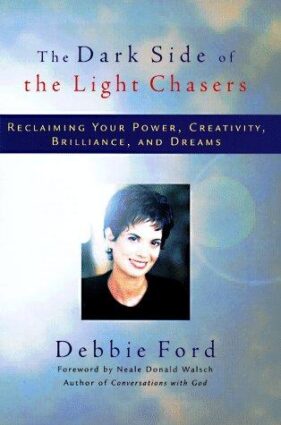
A popular self-help guide first published in 1998 that brought shadow work to a wide spiritual audience, with exercises for meeting the parts you have judged. See it on Amazon.
A Little Book on the Human Shadow by Robert Bly

A slim, poetic book by poet Robert Bly, known for its image of the long bag we drag behind us. Short enough to read in one sitting. See it on Amazon.
Memories, Dreams, Reflections by C. G. Jung
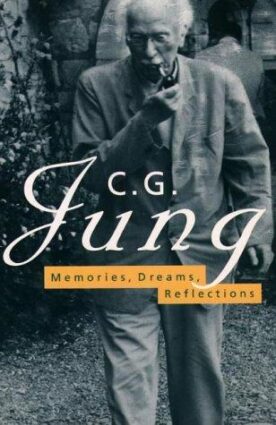
Jung’s reflective account of his own inner life, recorded with Aniela Jaffé and published after his death. It shows his encounters with the unconscious in his own words. See it on Amazon.
Recovery of Your Inner Child by Lucia Capacchione
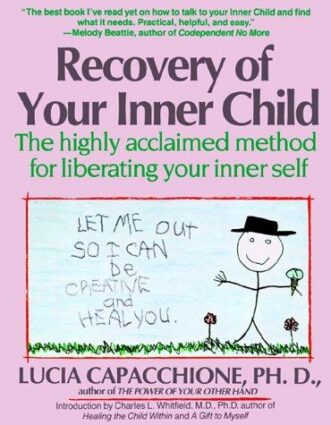
A hands-on 1991 workbook that uses writing and drawing with the non-dominant hand to reach the inner child. Gentle and practical. See it on Amazon.
Related Reading on Next Level Soul
- Subconscious Mind: What It Is and How to Work With It
- Self Love: Meaning, Practices and How to Start
- Dark Night of the Soul: Meaning, Signs and How to Move Through It
- Spiritual Awakening: Meaning, Traditions and How to Integrate It
- Lucid Dreaming: How It Works, How to Do It and Its Spiritual Roots
- Intuition Development: A Complete Guide to Inner Knowing
- Spiritual and Emotional Healing From Trauma
- Best Books for Spiritual Awakening: 14 Reads for Every Stage
Need help with your Next Level Soul account or membership? Visit the Help Center.
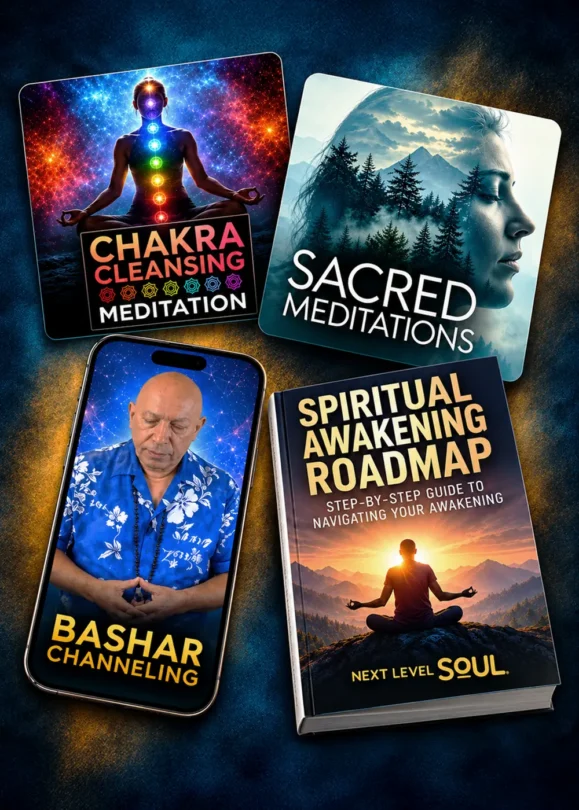
A Free Gift
Meet your shadow, then find your inner calm.
Reading about shadow work is one thing. Finding your own inner stillness is another. The free Sacred Awakening Toolkit is a collection of meditations, teachings and guidance to help you find calm, clarity and balance.
- Exclusive Bashar Channeling (20 Min). An original channeling recorded exclusively for Next Level Soul, with direct insights from one of the most influential channeled teachings of our time.
- 5 Sacred Meditations. Calm the mind, open the heart and reconnect with inner presence.
- Bonus: Cosmic Chakra Meditation (30 Min). Align and activate your energy centers.
- Spiritual Awakening Roadmap PDF. A clear, grounded guide to the awakening process.
Free. Unsubscribe anytime. Your email is safe with us.
Frequently Asked Questions About Shadow Work
What is shadow work?
Shadow work is the practice of exploring the unconscious parts of your personality that you have pushed away, such as difficult emotions, unmet needs and unlived strengths. The aim is to understand and integrate them so they stop driving your behavior from behind the scenes.
Who came up with the shadow?
The shadow comes from the Swiss psychiatrist Carl Jung, founder of analytical psychology. He used it to describe the part of the personality that the conscious ego does not identify with.
What does Jung mean by the shadow?
For Jung, the shadow is whatever we reject or fail to recognize in ourselves. It can include aggressive or shameful traits, and it can also include positive qualities that were never allowed to develop.
What are signs of shadow work being needed?
Common signs include strong emotional triggers, harsh judgments of other people, repeating relationship patterns, self-sabotage and a sense of being split between a public self and a private self. Having some of these signs is normal and is not a sign that something is wrong with you.
What is projection in shadow work?
Projection is the unconscious habit of seeing in other people the traits we cannot see in ourselves. It is one of the main ways the shadow becomes visible, because strong reactions to others often point to something of ours.
What is the golden shadow?
The golden shadow is the set of positive qualities you have disowned, such as creativity, confidence, leadership or joy. It often shows up as admiration or envy of other people.
How do I start shadow work?
Begin with small steps: keep a trigger log, notice your judgments, and write about one feeling a day. Set a time limit, keep grounding tools nearby, and consider following the 30-day plan in this guide.
Is shadow work dangerous?
For most people, light shadow work such as noticing triggers and journaling is safe, but it can stir up painful memories or trauma. If you have a trauma history or feel overwhelmed, work with a licensed therapist and use grounding tools. In the United States you can call or text 988 for crisis support.
Should I do shadow work alone or with a therapist?
Everyday patterns can be explored on your own. For trauma, abuse, severe depression or intense emotions, it is wiser to work with a licensed therapist, ideally one trained in trauma-informed or Jungian approaches.
How long does shadow work take?
It is a lifelong practice rather than a project with an end date. Many people notice shifts in reactivity and self-compassion within weeks of steady practice, while deeper integration unfolds over months and years.
How often should I do shadow work?
Ten to twenty minutes, a few times a week, is enough for most people. Rest days matter, and you can pause whenever you feel flooded.
What is shadow work journaling?
It is a writing practice in which you respond to prompts about triggers, judgments, family rules and hidden feelings. The method is to write freely, stay aware of your body, and end with a line of self-compassion.
Can meditation help with shadow work?
Yes. Meditation builds the steady awareness needed to observe difficult feelings without being swept away. Many people sit with a mild trigger, locate it in the body, and greet it with curiosity.
How are shadow work and inner child work connected?
Many things we push into the shadow were rejected in childhood, so the two overlap. Shadow work helps you notice a disowned part, and inner child work helps you respond to it with care.
Can dreams show my shadow?
Jung considered dreams a main way the unconscious speaks, and shadow figures often appear as unwelcome or threatening characters, commonly of the dreamer’s own sex. Keeping a dream journal and asking what a figure wants can be useful starting points.
How does shadow work affect relationships?
Close relationships are where projection is strongest, so they offer rich material. Taking back projections can reduce blame and increase empathy, though shadow work never excuses harmful behavior from anyone.
Is shadow work the same as therapy?
No. Shadow work is a self-development practice that can complement therapy, but it does not treat mental health conditions. A licensed professional can provide diagnosis and treatment.
What is the difference between the shadow and the ego?
The ego is your conscious sense of “I,” the identity you know and present. The shadow is everything the ego has left out, which is why the more rigid the ego, the more active the shadow tends to be.
Is shadow work only about negative traits?
No. The shadow holds unlived strengths as well as difficult feelings. Many people find that integrating the shadow brings back creativity, boldness and joy.
What books should I read to learn about the shadow?
Good starting points are Owning Your Own Shadow by Robert A. Johnson, Meeting the Shadow edited by Connie Zweig and Jeremiah Abrams, The Dark Side of the Light Chasers by Debbie Ford, and Jung’s Memories, Dreams, Reflections.
Sources and Further Reading
Shadow (psychology) (Wikipedia) · Carl Jung (Wikipedia) · Analytical psychology (Wikipedia) · Psychological projection (Wikipedia) · Individuation (Wikipedia) · Inner child (Wikipedia) · Active imagination (Wikipedia) · 988 Suicide and Crisis Lifeline (official site)