Spiritual healing practices are ways of caring for the whole person, body, mind and spirit, through touch, prayer, breath, sound, meditation and intention. People have used them for thousands of years, from laying on of hands and shamanic journeys to Reiki and qigong. This guide explains how the main practices work, where they come from, how to choose a practitioner, and how to use them alongside medical care.
Key Takeaways
- Spiritual healing practices work with prayer, touch, breath, sound and intention to support the whole person.
- The life force has many names: prana, qi and ki.
- Reiki was founded by Mikao Usui in 1922; shamanic healing is far older.
- Many people find these practices calming and meaningful; the research on direct healing effects is limited.
- Choose a practitioner by training, honesty and comfort, and never stop medical treatment.
- Use spiritual healing alongside, never instead of, medical care.
In This Guide
- What Spiritual Healing Is
- Spiritual Healing Practices at a Glance
- The Main Practices in Depth
- A Brief History of the Idea
- Mystical and Channeled Roots
- What the Research Says
- What a Session Can Feel Like
- Simple Practices You Can Do at Home
- How to Choose a Practitioner
- Safety Notes
- Learn More on Next Level Soul
- Books on Energy Healing
- Watch and Listen on Next Level Soul TV
- Sources and Further Reading
- Where to Go Next
- Frequently Asked Questions
What Spiritual Healing Is
Spiritual healing is the idea that we are more than a physical body, and that care for the spirit, the emotions and the subtle life force can bring a deeper sense of wholeness. It is not one technique. It is a wide family of practices that includes prayer, meditation, hands-on and hands-off energy work, breathwork, sound, ritual and guided journeys. What they share is the belief that healing is more than fixing a symptom. It is about coming back into balance with yourself, with others and with something greater.
The life force goes by many names: prana in India, qi (chi) in China, ki in Japan. Different traditions describe it differently, but they agree on the basic picture. A subtle energy animates the body, flows through it, and can become blocked or depleted by stress, grief, trauma and fear. Practices that calm the mind, open the breath and bring loving attention are said to help it move again.
Two terms are often used for the same ground. Energy healing usually points to practices that work with the energy body, such as Reiki, qigong and pranic healing. Spiritual healing is the wider umbrella. It includes energy work, but also prayer, devotion, shamanic work and contemplative practice. This guide covers both.
Spiritual healing practices complement medical care and do not replace it. Many people use them for relaxation, comfort during illness, grief and a sense of meaning. If you are unwell, see a doctor first, and let your spiritual practice sit beside your treatment.
Spiritual Healing Practices at a Glance
Here are the main practices people use today, with where each one comes from and how it is usually done.
| Practice | Origin | How It Is Practiced |
|---|---|---|
| Reiki | Japan; Mikao Usui, 1922 | Practitioner places hands lightly on or just above the body while the client rests |
| Prayer and laying on of hands | Ancient and worldwide; central to Christian healing traditions | Spoken or silent prayer, often with a gentle touch on the head, shoulders or hands |
| Meditation | Yogic, Buddhist, Taoist and Christian contemplative traditions | Sitting quietly and resting attention on the breath, a word, an image or the heart |
| Sound healing | Many traditions, including chanting, bowls and gongs | Lying or sitting while bowls, gongs, tuning forks or voices create sustained tones |
| Breathwork | Yogic pranayama; modern methods from the 20th century | Guided patterns of slow, deep or rhythmic breathing, often with music |
| Crystal work | Ancient lore; revived in the modern New Age movement | Stones held, worn or placed on the body or in a room with an intention |
| Shamanic healing | Indigenous traditions worldwide; Michael Harner’s core shamanism, 1970s | Drumming, journeying and ritual to seek guidance and restore balance |
| Pranic healing | Choa Kok Sui, 1980s | Scanning and “cleansing” the energy body with the hands, then “energizing” it |
| Qigong | China; thousands of years | Slow movement, breath and focus to guide qi |
| Healing Touch | Janet Mentgen, 1980s | Nurse-developed hands-on and hands-off sequences |
| Therapeutic Touch | Dolores Krieger and Dora Kunz, 1970s | Hands moved over the “energy field” without touching |
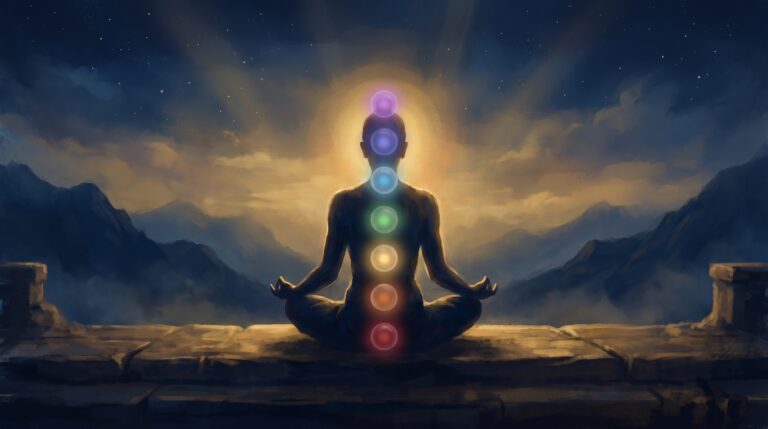
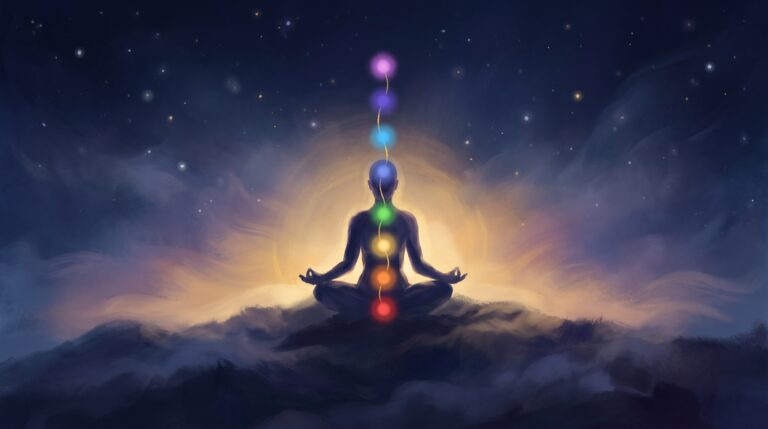
| Chakra balancing | Yogic and Theosophical roots | Working with the seven energy centers through meditation, color, sound or touch |
| Polarity therapy | Randolph Stone, 1950s | Touch and movement to balance energy flows |
The Main Practices in Depth
Reiki
Reiki is a Japanese practice founded by Mikao Usui in 1922. The word is often explained as “universal life energy.” In a session you lie or sit fully clothed while the practitioner rests their hands lightly on or just above your body in a series of positions. Sessions often last 30 to 60 minutes. Most people describe warmth, deep relaxation or a quiet sense of being cared for. Reiki is taught in levels, and many practitioners also teach clients to give themselves Reiki at home. The U.S. National Center for Complementary and Integrative Health (NCCIH) describes it as a complementary approach and notes that it has not been clearly shown to work for any health purpose.
Prayer and Laying on of Hands
This may be the oldest spiritual healing practice of all. In many faiths, people pray for the sick and place their hands on the person being prayed for. The Gospel accounts of Jesus healing by touch and word inspired Christian healing ministries that continue today, and similar acts of blessing exist in Jewish, Muslim, Hindu and indigenous traditions. In practice it can be as simple as sitting with someone, offering a prayer for their peace and resting a hand on their shoulder. The heart of it is presence and compassion.
Meditation
Meditation turns attention inward so the mind can settle. Many people use it as their daily spiritual healing practice because it needs no equipment and no practitioner. Styles include breath awareness, mantra, loving-kindness, visualization and silent sitting. People often report that a regular practice helps them meet pain, fear and grief with more spaciousness. If you are new, start with five minutes. Our meditation guide walks you through it, and our guided meditation for anxiety is a gentle place to begin.
Sound Healing
Sound has been used for devotion and healing in many cultures through chanting, drumming, bells, bowls and gongs. In a typical session you lie down while a practitioner plays sustained tones, and you simply listen and breathe. Many people find the long, resonant sound deeply relaxing and say it helps them let go of mental chatter. You can also try humming, toning or chanting on your own. Voice and breath together are a very old form of prayer.
Breathwork
Breath is the most direct bridge between body and spirit. In yoga, pranayama means working with the breath to direct prana. Modern breathwork methods use longer guided sessions of deep or rhythmic breathing, often with music, to release tension and emotion. Slow breathing with a long exhale is a gentle practice anyone can try. Stronger methods can bring on dizziness or intense emotion, so learn them from a trained guide and avoid them if you are pregnant or have a heart, lung or seizure condition unless your doctor says it is fine. Hear one of the best-known voices on the subject in our conversation with Wim Hof on the mystical power of the breath.
Crystal Work
Crystal work is the practice of holding, wearing or placing stones on the body or in a space with an intention such as calm, protection or clarity. Stones have been treasured in spiritual traditions for a very long time, and they are often paired with the chakras. For many people the crystal works as a focus for intention, much like a candle or a prayer bead. See our guide to crystals for healing for the most common stones and how people use them.
Shamanic Healing
Shamanic traditions exist in cultures around the world. A shamanic practitioner uses drumming, rattles, song and ritual to enter a focused state, often called a journey, to seek guidance, restore balance and help others. In the 1970s the anthropologist Michael Harner developed “core shamanism,” which draws on features common to shamanism worldwide so that people outside those cultures can learn the methods, and he and Sandra Harner founded the Foundation for Shamanic Studies in 1979. If you feel called to this path, look for a teacher who honors the living traditions the practices come from. Hear a respected voice in our conversation with Alberto Villoldo on the ancient path to healing your body.
Pranic Healing and Qigong
Pranic healing was developed by Choa Kok Sui in the 1980s. The practitioner scans the energy body with the hands, sweeps away what feels stagnant, then directs fresh prana to the area. Qigong has roots in China that reach back thousands of years. It is a self-practice of slow movement, breath and focus meant to cultivate and guide qi. One is usually done to a client and the other by yourself, but both share the same picture of a life force that can be tended.
Chakra Balancing
The chakras are seven energy centers described in yogic and later Theosophical teachings, running from the base of the spine to the crown of the head. Chakra balancing uses meditation, color, sound, visualization or touch to bring attention to each center. Read our full guide to the seven chakras, and our guide to kundalini energy for the rising current yogic teachers describe.
Spiritual Healing for Emotional Pain
Many people come to spiritual healing in a time of grief or hurt. Spiritual practices can offer comfort, ritual and meaning when words fall short. They work best beside good professional support. Our guide on healing from trauma spiritually explains how to bring spiritual practice into recovery without skipping the help of a therapist.
A Brief History of the Idea
| When | Who | Idea |
|---|---|---|
| Ancient China | Huangdi Neijing (Yellow Emperor’s Classic) | Health depends on the free flow of qi |
| Ancient India | Upanishads and yoga texts | Prana animates the body |
| 1770s | Franz Mesmer | “Animal magnetism” as a healing fluid |
| 1840s | Karl von Reichenbach | The “od” force |
| 1922 | Mikao Usui | Founds Reiki on Mount Kurama in Japan |
| 1970s | Dolores Krieger | Therapeutic Touch taught to nurses |
| 1979 | Michael and Sandra Harner | Found the Foundation for Shamanic Studies |
| 1987 | Barbara Brennan | Hands of Light introduces the “human energy field” |
Modern spiritual healing blends Eastern ideas with Western esotericism and with very old prayer and ritual traditions. It is helpful to see all three strands.
Mystical and Channeled Roots
| Source | Teaching |
|---|---|
| Jesus’s healing ministry | Gospel accounts of healing by touch and word inspire Christian healing traditions |
| Edgar Cayce readings | Hundreds of trance readings gave health advice and spoke of the body’s energies |
| Theosophy and Alice Bailey | Teach that subtle bodies and energy centers shape health |
| Paramahansa Yogananda | Taught that prana can be recharged through meditation and exercises |
| Seth (Jane Roberts) | Teaches that beliefs and consciousness shape health |
| Rudolf Steiner | Developed anthroposophic medicine from his spiritual research |
Hear a related perspective in our NLS Mastery course with Julie Ryan. Read about Edgar Cayce and the Seth Material, and our overview of channelers and mediums.
What the Research Says
The evidence is limited. The U.S. National Center for Complementary and Integrative Health says Reiki has not been clearly shown to work for any health purpose, and that studies on pain, anxiety and similar concerns have mostly been small and of mixed quality. In 1998, nine-year-old Emily Rosa published a simple test in the Journal of the American Medical Association: 21 Therapeutic Touch practitioners tried to sense her hand through a screen, and they did no better than chance. Researchers also note that relaxation, caring touch and positive expectation can truly help people feel better, even if no energy field is involved.
The takeaway is balanced: these practices can be soothing and meaningful, they have not been shown to heal disease, and the best use is alongside medical care. NCCIH also reports that Reiki has not been shown to cause harmful effects.
What a Session Can Feel Like
If you have never had a session, it helps to know what to expect. You will usually be asked a few questions about what brings you in, then invited to lie down or sit comfortably, fully clothed. Many practitioners play soft music or work in silence. Depending on the practice, you may feel gentle warmth, tingling, heaviness, a deep sigh, tears or nothing at all. All of those are normal, and none is a sign that you are doing it wrong.
A good practitioner will explain what they are about to do, ask permission before touching you, and let you stop at any time. Afterward, drink water, rest if you need to, and write down anything you noticed. Some people feel energized, others feel sleepy. Give yourself a quiet hour if you can.
Simple Practices You Can Do at Home
- Rub your palms together for 20 seconds, then hold them a few inches apart and notice any warmth or tingling.
- Breathe slowly for two minutes, lengthening the exhale.
- Place a hand on your heart and one on your belly, and rest for three minutes.
- Shake out your body for one minute to release tension.
- Spend time in nature, barefoot if possible.
- Sit in silence for five minutes. See our meditation guide.
- Offer a simple prayer or blessing for yourself, someone you love or someone who is struggling.
- Hum or chant one low note on a long exhale and feel the vibration in your chest.
Start with one practice for a week, notice how you feel, and build from there. Consistency matters more than length.
How to Choose a Practitioner
- Ask about training, lineage and experience. Requirements vary widely, so ask what certification they hold and who taught them.
- Get referrals from people you trust, and from your doctor if you can.
- Be wary of anyone who claims to cure serious illness or promises guaranteed results.
- Never stop medical treatment because of energy work, and tell your care team about the practices you use.
- Agree on price and session length in advance, and be cautious about large packages paid up front.
- Look for someone who asks permission before touching, explains what they do, and respects your boundaries.
- Trust your comfort: you can stop at any time.
The NCCIH offers a helpful checklist on selecting a complementary health practitioner, including researching credentials and making sure your practitioner is willing to work with your medical team.
Safety Notes
Gentle spiritual healing practices are generally low risk, but they are not a replacement for diagnosis or treatment. See a doctor for symptoms that are new, severe or persistent. Take extra care with breathwork and strong physical practices if you are pregnant or have a heart, lung or seizure condition. If you are in emotional crisis, contact a mental health professional. In the U.S., call or text 988.
Learn More on Next Level Soul
- NLS Mastery: Julie Ryan, Beyond the Veil with Julie Ryan. A deeper course on connecting beyond the veil. View the course
- The Seven Chakras. The seven energy centers. Read the guide
- Crystals for Healing. Stones and intention. Read the guide
- Aura Colors. The field around the body. Read the guide
- Healing From Trauma Spiritually. Spiritual practice alongside professional support. Read the guide
Books on Energy Healing
- Hands of Light by Barbara Brennan. A bestselling guide to the human energy field.
- The Reiki Sourcebook by Bronwen and Frans Stiene. A detailed look at Reiki.
- Energy Medicine by Donna Eden. Practical daily routines.
- Anatomy of the Spirit by Caroline Myss. Chakras and health.
- The Healing Power of Reiki by Raven Keyes. A beginner guide.
As an Amazon Associate, Next Level Soul earns from qualifying purchases.
Watch and Listen on Next Level Soul TV
These titles from the Next Level Soul TV catalog go deeper into this topic.
- The Alchemy of Healing. Audio course.
- Unlocking The Secrets of Energy Healing & More with Oliver Niño. Episode.
- The Ancient Path to Healing Your Body with Alberto Villoldo. Episode.
- Quantum Energy Healing Technique with Bradley Nelson. Episode.
- Energy Healing to Awaken Intuition with Sydney Campos. Episode.
- The Mystical Power of the Breath with Wim Hof. Episode.
- The Science of Psychic Healing. Audiobook on NLS TV.
- Chakra Cleansing Meditations. Guided meditations on NLS TV.
- Astral Therapy & Deep Soul Healing with Mariko Frederick. Episode.
Sources and Further Reading
- National Center for Complementary and Integrative Health: Reiki. What Reiki is and what research shows.
- NCCIH: Selecting a Complementary Health Practitioner. Tips for researching credentials and coordinating with your medical team.
- Foundation for Shamanic Studies: About. History of the foundation and core shamanism.
- Emily Rosa on Wikipedia. Background on the 1998 Therapeutic Touch study published in JAMA.
Where to Go Next
- The seven chakras
- Crystals for healing
- Aura colors
- Kundalini energy
- How to meditate
- Go deeper with NLS Mastery, our collection of in-depth courses.
Spirituality for the Rest of Us™
Movies, teachings and community on Next Level Soul TV.
Go Deeper: Watch HEAL
Watch HEAL on Next Level Soul TV Not Ready Yet? Read Our HEAL Review
Frequently Asked Questions
What Are Spiritual Healing Practices?
Spiritual healing practices are ways of supporting the whole person, body, mind and spirit, through prayer, touch, breath, sound, meditation and intention. Examples include Reiki, laying on of hands, sound healing, breathwork and shamanic healing.
What Is the Difference Between Spiritual Healing and Energy Healing?
Energy healing works with the subtle life force, as in Reiki, qigong and pranic healing. Spiritual healing is the wider umbrella and also includes prayer, devotion, meditation and shamanic work.
Does Spiritual Healing Work?
Many people find these practices calming and meaningful, and relaxation and caring touch are real benefits. Research has not shown that they heal disease, so use them alongside medical care.
What Is Reiki?
A Japanese practice founded by Mikao Usui in 1922, in which a practitioner places hands lightly on or above the body to promote relaxation and balance.
What Is the Difference Between Reiki and Qigong?
Reiki is usually done by a practitioner to a client. Qigong is a self-practice of movement, breath and focus.
What Is Prana?
The Sanskrit word for life force or vital breath in Indian philosophy. In China it corresponds to qi, and in Japan to ki.
Is Prayer a Form of Spiritual Healing?
Yes. Prayer and laying on of hands are among the oldest spiritual healing practices, found in Christian and many other traditions. Many people pray for comfort, strength and peace during illness.
What Did the Emily Rosa Study Show?
In 1998, 21 Therapeutic Touch practitioners could not detect a hidden hand better than chance, which challenged the claim that they could sense an energy field.
How Do I Choose a Spiritual Healer?
Ask about training and experience, get referrals from people you trust, agree on price in advance and avoid anyone who promises to cure serious illness. See the practitioner section above and the NCCIH checklist.
Is Spiritual Healing Safe?
Gentle practices are low risk, but do not delay medical care. See a doctor for new or serious symptoms, and take care with strong breathwork if you have a heart, lung or seizure condition.
Can I Use Spiritual Healing Along With Medical Treatment?
Yes, and that is the best way to use it. Tell your doctor about the practices you use, and never stop a prescribed treatment because of energy work.
How Do I Start Spiritual Healing at Home?
Try slow breathing, palm rubbing, mindful rest, a short prayer and meditation. See our meditation guide.