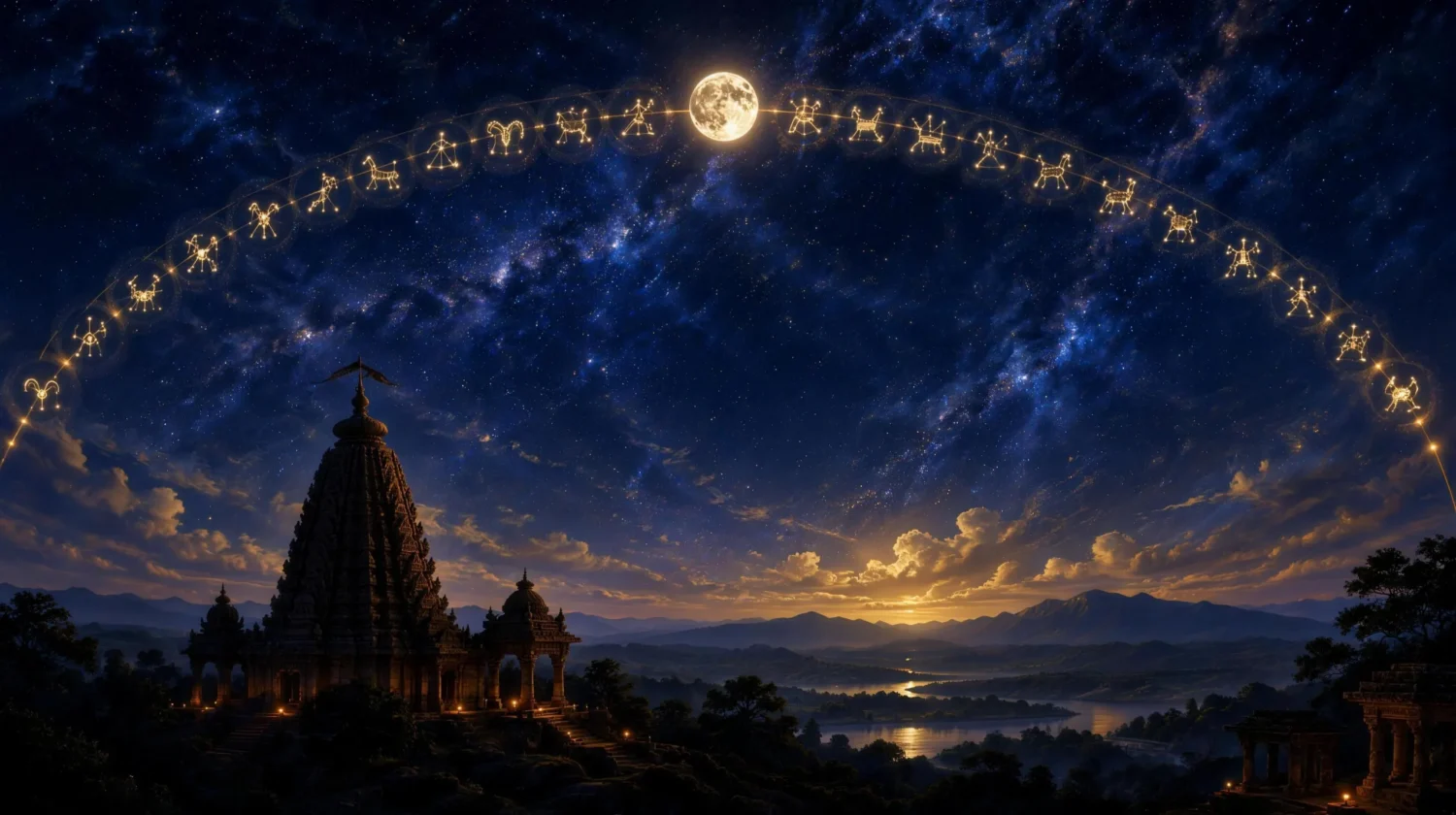
Nakshatras are the 27 lunar mansions of Vedic astrology: equal sectors of the sky, each 13°20′ wide, that the Moon moves through in about 27 days. Your birth nakshatra is the mansion the Moon occupied when you were born, and in Vedic tradition it shapes your temperament, your relationships and the rhythm of your life.
Key Takeaways
- There are 27 nakshatras, each spanning 13°20′ of the zodiac and divided into four padas of 3°20′.
- Each nakshatra has a ruling planet, a deity and a symbol. The nine rulers repeat three times in a fixed order.
- Your birth nakshatra is set by the Moon’s sidereal position at birth, so you need your date, exact time and place.
- The nakshatra adds detail to your Moon sign and sets the starting point of the Vimshottari dasha timing system.
- Tradition uses nakshatras for compatibility matching and for choosing auspicious moments (muhurta). These are tools of a living tradition, not guarantees.
New to astrology? Start with our guide to astrology, signs, birth charts and cosmic cycles, then return here for the Vedic view of the Moon.
What Are Nakshatras?
A nakshatra is a lunar mansion: one of 27 equal divisions of the ecliptic, the Sun’s apparent path through the sky. The Sanskrit word is usually translated as star or lunar mansion. Think of the Moon as a traveler who stays one night in each of 27 houses as she circles the heavens. Each house has its own character, its own guardian deity and its own symbol.
The Moon takes about 27.3 days to return to the same background stars, so she spends roughly one day in each nakshatra. Because every mansion measures 13°20′ (360 degrees divided by 27), the whole wheel closes neatly. Each nakshatra is further divided into four quarters called padas, which gives 108 padas in all, a number sacred in Indian tradition.
Nakshatras belong to Vedic astrology, also called Jyotisha, the traditional astrology of India. In that system the Moon is the mirror of the mind, and the mansion she occupies colors the inner life: habits, instincts, emotional style and the lessons the soul brings. Many practitioners say the nakshatras describe a person more intimately than the zodiac sign, because they speak to the mind and the deeper pattern of karma rather than only to outward personality.
Nakshatras are also one of the five limbs of the panchanga, the traditional Hindu almanac, alongside the lunar day (tithi), the weekday (vara), yoga and karana.

Inside the Mysterious & Ancient Vedic Astrology with Vish Chatterji
Vedic astrologer and author Vish Chatterji explains why he sees Vedic astrology as a spiritual path, and what the tradition says about the soul, karma and the divine within.
The 27 Nakshatras at a Glance
Here is the full list in order, beginning with Ashwini at the start of sidereal Aries. The ruling planet is the lord of the Vimshottari dasha for that mansion. Deities and symbols follow classical Vedic and Puranic sources, and some traditions give more than one symbol, so you will see small differences between books.
| # | Nakshatra | Ruling planet | Deity | Symbol | Ruling traits |
|---|---|---|---|---|---|
| 1 | Ashwini | Ketu | The Ashvins, divine physician twins | Horse’s head | Speed, healing, fresh starts |
| 2 | Bharani | Venus | Yama, lord of dharma and death | Yoni, the womb | Endurance, intensity, responsibility |
| 3 | Krittika | Sun | Agni, the sacred fire | Razor or flame | Purification, sharp discernment, drive |
| 4 | Rohini | Moon | Brahma, the creator | Chariot or ox cart | Beauty, growth, abundance |
| 5 | Mrigashira | Mars | Soma, lord of the lunar nectar | Deer’s head | Curiosity, seeking, gentle restlessness |
| 6 | Ardra | Rahu | Rudra, the storm god | Teardrop or diamond | Storm, tears, transformation, intellect |
| 7 | Punarvasu | Jupiter | Aditi, boundless mother of the gods | Bow and quiver | Renewal, optimism, generosity |
| 8 | Pushya | Saturn | Brihaspati, teacher of the gods | Flower, cow’s udder or circle | Nourishment, duty, devotion |
| 9 | Ashlesha | Mercury | The Nagas, serpent beings | Coiled serpent | Intuition, magnetism, penetrating insight |
| 10 | Magha | Ketu | The Pitris, the ancestors | Royal throne | Lineage, authority, dignity |
| 11 | Purva Phalguni | Venus | Bhaga, lord of good fortune | Front legs of a bed or hammock | Pleasure, creativity, rest |
| 12 | Uttara Phalguni | Sun | Aryaman, god of friendship and contracts | Back legs of a bed | Patronage, loyalty, service |
| 13 | Hasta | Moon | Savitar, the solar deity of inspiration | Open hand or fist | Skill, craft, resourcefulness |
| 14 | Chitra | Mars | Tvashtar, the divine craftsman | Bright jewel or pearl | Artistry, magnetism, brilliance |
| 15 | Swati | Rahu | Vayu, the wind | Young shoot swaying in the wind | Independence, flexibility, diplomacy |
| 16 | Vishakha | Jupiter | Indra-Agni, king of the gods joined with fire | Triumphal archway or potter’s wheel | Determination, ambition, focus |
| 17 | Anuradha | Saturn | Mitra, god of friendship and alliance | Lotus | Devotion, friendship, perseverance |
| 18 | Jyeshtha | Mercury | Indra, king of the gods | Circular amulet, earring or umbrella | Seniority, protection, courage |
| 19 | Mula | Ketu | Nirriti, goddess of dissolution | Bunch of tied roots | Root truth, investigation, upheaval |
| 20 | Purva Ashadha | Venus | Apas, the cosmic waters | Elephant’s tusk or winnowing fan | Invincibility, purification, persuasion |
| 21 | Uttara Ashadha | Sun | The Vishvadevas, the universal gods | Elephant’s tusk or planks of a bed | Lasting victory, integrity, patience |
| 22 | Shravana | Moon | Vishnu, the preserver | Ear or three footprints | Listening, learning, wisdom |
| 23 | Dhanishta | Mars | The eight Vasus, gods of abundance | Drum or flute | Rhythm, prosperity, courage |
| 24 | Shatabhisha | Rahu | Varuna, lord of the cosmic waters | Empty circle | Healing, mystery, independent thought |
| 25 | Purva Bhadrapada | Jupiter | Aja Ekapada, the one-footed unborn one | Sword or front legs of a funeral cot | Intensity, transformation, asceticism |
| 26 | Uttara Bhadrapada | Saturn | Ahirbudhnya, the serpent of the deep | Back legs of a funeral cot or twins | Depth, restraint, wisdom |
| 27 | Revati | Mercury | Pushan, the shepherd god and guide of travelers | Fish or drum | Guidance, kindness, safe passage |
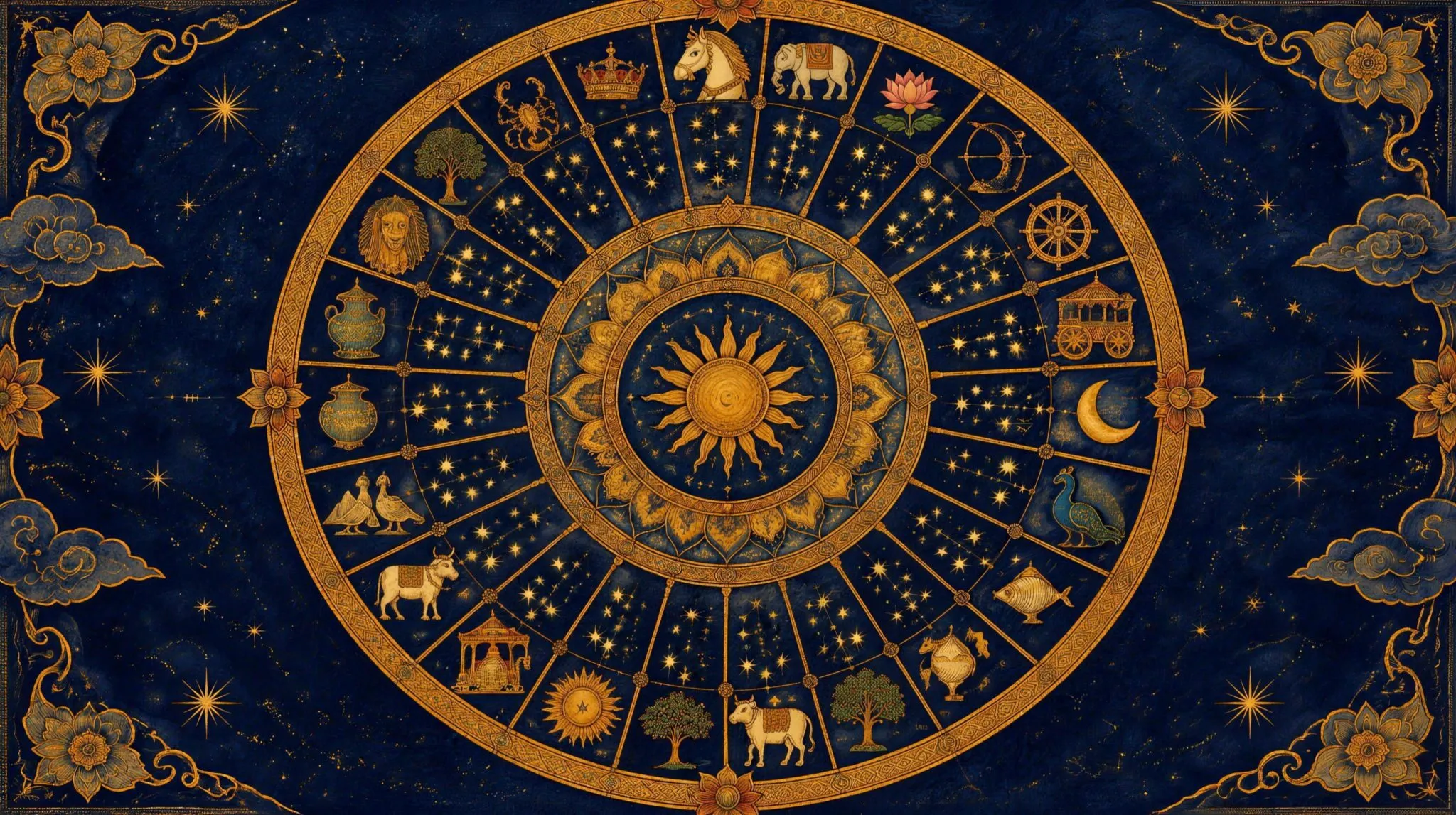
Notice the pattern in the planet column. The nine rulers run Ketu, Venus, Sun, Moon, Mars, Rahu, Jupiter, Saturn, Mercury, and then the sequence repeats twice more. Rahu and Ketu are the lunar nodes, the two points where the Moon’s path crosses the Sun’s. In Vedic astrology they are treated as shadow planets with a strong karmic meaning.
Where Do the Nakshatras Come From?
The Vedic roots
The nakshatras are very old. According to Wikipedia’s summary of the scholarship, the Taittiriya Samhita and the Shatapatha Brahmana record 27 of them, while the Atharvaveda lists 28, including an extra asterism called Abhijit. The Vedanga Jyotisha, the first Indian astronomical text that lists them, treats them as markers for keeping time and for fixing the days of ritual. In the earliest lists the sequence begins with Krittika, the Pleiades, and it has been suggested that the Pleiades once marked the start of the year. Later compilations begin with Ashwini, the start of sidereal Aries.
Why 27 and sometimes 28? The Moon’s true circuit takes about 27.3 days, so 27 divisions suit it best. Wikipedia notes that an older reckoning, with the Moon moving about 13 degrees a day, gave a circuit near 28 days, which is one reason early lists have 28. Abhijit still appears in some timing traditions, although most modern charts use 27.
The story of Daksha’s daughters
The classical epics tell the nakshatras as a family story. In the Mahabharata and the Harivamsa, the 27 nakshatras are the daughters of the sage Daksha, and all of them are wives of Chandra, the Moon god. Chandra favored one wife, Rohini, above the rest. Daksha, their father, cursed him for neglecting the others, and in the telling that curse is the reason the Moon waxes and wanes each month.
Read as symbol, the story says something tender: the Moon, who mirrors our minds, must give each part of life its turn. When we favor one mansion, one feeling, one habit, the others call for balance.
Lunar mansions around the world
India is not alone. Scholars note that Chinese astronomy has its 28 xiu, and Arabic tradition has the manazil al-qamar, also 28 stations of the Moon. Many ancient cultures watched the Moon move against the fixed stars and gave each stop a name. The nakshatras are the Indian form of that universal practice, enriched with deities, myth and a detailed psychology.
Go Deeper with NLS Mastery: Ancient Meditation for Inner Stillness
If the Vedic lens draws you in, this course offers a practice from the same ancient Indian tradition of wisdom: meditation for inner stillness. Acharya Shunya teaches it in Ancient Meditation for Inner Stillness, part of NLS Mastery. Watch the course preview below.

Nakshatras 1 to 9: Ashwini to Ashlesha (Aries to Cancer)
These nine mansions cover sidereal Aries, Taurus, Gemini and Cancer. They carry the energy of beginnings, growth, curiosity and care, and they hold the oldest layer of the Vedic story. Star identifications differ slightly between books, so treat them as pointers.
1. Ashwini: The Healer’s Horse
Ruler: Ketu · Deity: The Ashvins, divine physician twins · Symbol: Horse’s head · Span: Aries 0°00′ to 13°20′ · Star: Beta and Gamma Arietis
Ashwini opens the cycle. In Vedic tradition its deities are the Ashvins, twin physicians of the gods who ride swiftly to anyone in need. The horse’s head fits: Ashwini themes are speed, first steps and quick relief. People linked with this mansion are often described as energetic, direct and drawn to healing work or new beginnings. The shadow side, teachers say, is rushing ahead before the ground is ready. Its ruler Ketu adds a note of detachment, a sense of starting from nothing each time. It is a fitting place to begin any journey.
2. Bharani: The Bearer
Ruler: Venus · Deity: Yama, lord of dharma and death · Symbol: Yoni, the womb · Span: Aries 13°20′ to 26°40′ · Star: 41, 35 and 39 Arietis
Bharani is often rendered as the bearer. Its deity is Yama, the lord of death and dharma in Vedic lore, and its symbol is the yoni, the womb, the gateway through which life passes. Together they point to the weight of birth, endurance and endings. Tradition links Bharani with passion, responsibility and the capacity to carry heavy things without complaint. Venus rules it, so beauty, pleasure and desire are part of the story. The growth path is learning to hold limits with grace, so that what you carry becomes strength rather than burden.
3. Krittika: The Cutting Flame
Ruler: Sun · Deity: Agni, the sacred fire · Symbol: Razor or flame · Span: Aries 26°40′ to Taurus 10°00′ · Star: The Pleiades
Krittika is identified with the Pleiades. Its deity is Agni, the sacred fire of the Vedas, and its symbol is a blade or flame. The Sun rules it. In Vedic tradition this is the mansion of purification: fire burns away what is false and a razor cuts to the point. People linked with Krittika are described as sharp, honest, driven and sometimes severe in their judgments. The lesson is warmth with the blade, using discernment to clarify rather than to wound. Krittika straddles Aries and Taurus, so it carries both a spark and a steady glow.
4. Rohini: The Fruitful One
Ruler: Moon · Deity: Brahma, the creator · Symbol: Chariot or ox cart · Span: Taurus 10°00′ to 23°20′ · Star: Aldebaran
Rohini is often rendered as the red one or the growing one, and it is identified with the bright star Aldebaran. In the Puranic story the Moon loved Rohini above his other wives, and the Moon is her ruler. Her deity is Brahma, the creator, and her symbol is a chariot or cart. Tradition links Rohini with beauty, fertility, charm, comfort and creative growth. It is considered one of the most fruitful mansions. The challenge is attachment: what grows richly can also cling. Rohini invites gratitude and the practice of tending what you love without possessing it.
5. Mrigashira: The Searching Deer
Ruler: Mars · Deity: Soma, lord of the lunar nectar · Symbol: Deer’s head · Span: Taurus 23°20′ to Gemini 6°40′ · Star: Lambda Orionis, the head of Orion
Mrigashira means the deer’s head, and its star group sits in the head of Orion. The ruler is Mars, the deity is Soma, the lunar nectar of the Vedas, and the symbol is a gentle searching face. Together they paint a seeker: curious, soft-eyed, always following a scent over the next hill. Tradition links this mansion with restlessness, a love of travel and learning, and refined taste. The gift is wonder. The caution is never arriving. Mrigashira asks what you are really looking for, and whether the search has quietly become your home.
6. Ardra: The Storm Before the Clearing
Ruler: Rahu · Deity: Rudra, the storm god · Symbol: Teardrop or diamond · Span: Gemini 6°40′ to 20°00′ · Star: Betelgeuse
Ardra means moist or wet, and its image is a teardrop. It is identified with Betelgeuse in Orion. Rahu rules it and the deity is Rudra, the storm god, a fierce form of the divine later linked with Shiva. Ardra is the storm before the clearing. Tradition ties it to emotional intensity, a sharp mind, upheaval and the tears that wash a person clean. Those linked with it are often described as brilliant thinkers who have known hardship. The growth lesson is to let the storm pass through you, trusting that rain makes the ground ready.
7. Punarvasu: The Return of the Light
Ruler: Jupiter · Deity: Aditi, boundless mother of the gods · Symbol: Bow and quiver · Span: Gemini 20°00′ to Cancer 3°20′ · Star: Castor and Pollux
Punarvasu is often rendered as the return of the light, or becoming good again. It is identified with the twin stars Castor and Pollux. Jupiter rules it, Aditi, the boundless mother of the gods, is its deity, and a bow and quiver is its symbol. The arrow leaves and the quiver welcomes it home. Tradition describes the mansion as one of renewal, optimism, generosity and a capacity to begin again after loss. The caution is complacency, leaning on fresh starts instead of learning the lesson. At its best Punarvasu is a home you can always come back to.
8. Pushya: The Nourisher
Ruler: Saturn · Deity: Brihaspati, teacher of the gods · Symbol: Flower, cow’s udder or circle · Span: Cancer 3°20′ to 16°40′ · Star: Stars in Cancer, including Delta Cancri
Pushya means nourishing. Tradition regards it as one of the most auspicious mansions, and later muhurta teaching often prizes it for beginnings. Saturn rules it, Brihaspati, the teacher of the gods, is its deity, and its symbols include a flower, a cow’s udder and a circle. Think of a gift freely given with discipline behind it. People linked with Pushya are described as caring, steady, dutiful and devoted to guiding others. The shadow is overgiving, or a rigidity that confuses duty with love. Its gift is nourishment that lasts.
9. Ashlesha: The Coiled Serpent
Ruler: Mercury · Deity: The Nagas, serpent beings · Symbol: Coiled serpent · Span: Cancer 16°40′ to 30°00′ · Star: Stars in Hydra, including Epsilon Hydrae
Ashlesha is often rendered as the clinger or the embracer, and its symbol is a coiled serpent. The deities are the Nagas, serpent beings of Indian lore connected with hidden wealth and wisdom. Mercury rules it. In Vedic tradition the serpent is not only a threat; it is also depth, secret knowledge and the coiled energy teachers call kundalini. People linked with Ashlesha are described as perceptive, magnetic and protective of their inner world. The lesson is trust: loosening the coil that holds too tightly and using insight to heal rather than to control. Its end marks a sensitive junction, a gandanta, with Magha.
Nakshatras 10 to 18: Magha to Jyeshtha (Leo to Scorpio)
The middle nine move through sidereal Leo, Virgo, Libra and Scorpio. Here the themes turn to lineage, craft, relationship and power, from the ancestral throne of Magha to the guarded authority of Jyeshtha.
10. Magha: The Throne of Lineage
Ruler: Ketu · Deity: The Pitris, the ancestors · Symbol: Royal throne · Span: Leo 0°00′ to 13°20′ · Star: Regulus
Magha means the mighty. Its symbol is a royal throne, and its deities are the Pitris, the ancestors, whose blessing is said to pass down through family and lineage. Regulus, the heart of the lion, is its star, and Ketu is its ruler. The picture is of a person who inherits something large: a name, a duty, a quiet authority. Tradition links Magha with dignity, leadership, pride in heritage and reverence for those who came before. The shadow is entitlement. The growth path is to honor the lineage by living it well, while freeing yourself from any part of it that no longer serves.
11. Purva Phalguni: The Resting Place
Ruler: Venus · Deity: Bhaga, lord of good fortune · Symbol: Front legs of a bed or hammock · Span: Leo 13°20′ to 26°40′ · Star: Delta and Theta Leonis
Purva means former, and this mansion is paired with the one that follows it, Uttara Phalguni. Its symbol is the front legs of a bed or a hammock. Bhaga, the deity of good fortune and shared joy, presides, and Venus rules. This is the mansion of rest, pleasure, romance, play and creative enjoyment. People linked with it are described as warm, sociable and artistic. The caution is indulgence, resting so long that the work never begins. Its lesson is that joy is part of the path, and that fortune rewards those who also give.
12. Uttara Phalguni: The Keeper of Promises
Ruler: Sun · Deity: Aryaman, god of friendship and contracts · Symbol: Back legs of a bed · Span: Leo 26°40′ to Virgo 10°00′ · Star: Denebola
Uttara means latter, and this is the partner of the mansion before it. Its symbol is the back legs of the same bed. The deity is Aryaman, the god of friendship, contracts and hospitality, and the Sun rules it. Where Purva Phalguni rests, Uttara Phalguni commits. Tradition links it with generosity, loyalty, service and the keeping of promises. People linked with it are often described as dependable helpers and good patrons. The shadow is overextending, giving until you are empty. The lesson is balanced exchange, in which kindness flows both ways.
13. Hasta: The Skilled Hand
Ruler: Moon · Deity: Savitar, the solar deity of inspiration · Symbol: Open hand or fist · Span: Virgo 10°00′ to 23°20′ · Star: Stars of Corvus, including Delta Corvi
Hasta means hand, and its symbol is an open palm or a fist. Savitar, the solar deity who stirs the world to life each dawn, is its deity, and the Moon is its ruler. A Moon-ruled mansion with a hand suggests sensitivity expressed through craft. Tradition links Hasta with skill, healing touch, wit, resourcefulness and the ability to make things work. The shadow is anxious perfectionism, or cleverness used to avoid feeling. The growth path is to let the hand serve the heart, making and mending as a form of prayer.
14. Chitra: The Bright Jewel
Ruler: Mars · Deity: Tvashtar, the divine craftsman · Symbol: Bright jewel or pearl · Span: Virgo 23°20′ to Libra 6°40′ · Star: Spica
Chitra means bright or brilliant, and its symbol is a jewel or pearl. The deity is Tvashtar, the divine craftsman, and Mars rules the mansion. The star is Spica. Chitra is design with energy behind it: the builder who makes beauty. Tradition links it with artistry, magnetism, ambition and a flair for presentation. People linked with it are often described as drawn to architecture, craft or any work where form matters. The shadow is surface over substance. The lesson is that the finest jewel is cut from within, and shines most when it is true.
15. Swati: The Swaying Shoot
Ruler: Rahu · Deity: Vayu, the wind · Symbol: Young shoot swaying in the wind · Span: Libra 6°40′ to 20°00′ · Star: Arcturus
Swati is symbolized by a young shoot swaying in the wind, and some sources add a coral. The deity is Vayu, the wind, and Rahu rules. Its star is Arcturus. The picture is independence and flexibility: a plant that bends without breaking. Tradition links Swati with freedom, trade, diplomacy, restlessness and a gift for adapting. People linked with it are described as self-reliant and sensitive to atmosphere. The shadow is drifting without roots. The lesson is to take root where you are, while keeping the freedom to move with life.
16. Vishakha: The Archway of Triumph
Ruler: Jupiter · Deity: Indra-Agni, king of the gods joined with fire · Symbol: Triumphal archway or potter’s wheel · Span: Libra 20°00′ to Scorpio 3°20′ · Star: Stars of Libra, including Alpha and Beta Librae
Vishakha is often rendered as forked or branching, and it is symbolized by a triumphal archway or a potter’s wheel. Its dual deity is Indra-Agni, the king of the gods joined with sacred fire, and Jupiter rules it. The picture is purposeful striving toward a goal, passing under the arch only after effort. Tradition links Vishakha with determination, ambition, competitiveness and the courage to finish what you start. It spans Libra and Scorpio. The shadow is single-minded pursuit that overlooks the people along the way. The lesson is that a goal means most when the road to it is honest.
17. Anuradha: The Lotus of Devotion
Ruler: Saturn · Deity: Mitra, god of friendship and alliance · Symbol: Lotus · Span: Scorpio 3°20′ to 16°40′ · Star: Stars of Scorpio, including Delta Scorpii
Anuradha is symbolized by a lotus. The deity is Mitra, the god of friendship and alliance, and Saturn rules it. Its stars lie in Scorpio. Tradition links Anuradha with devotion, loyal friendship, perseverance and the ability to flourish in hard conditions, as a lotus blooms from mud. People linked with it are often described as organizers who gather others into a circle. The shadow is clinging to friendships past their season. The lesson is steady devotion without need of reward, a lotus open to the light.
18. Jyeshtha: The Eldest
Ruler: Mercury · Deity: Indra, king of the gods · Symbol: Circular amulet, earring or umbrella · Span: Scorpio 16°40′ to 30°00′ · Star: Antares
Jyeshtha means eldest, and its symbols include a circular amulet, an earring or a protective umbrella. The deity is Indra, king of the gods, and Mercury rules. Its star is Antares, the heart of Scorpio. The mansion carries the weight of seniority: protecting others, holding authority, shouldering responsibility. Tradition links Jyeshtha with courage, intensity, capability and a sense of standing alone. The shadow is pride, or a need to prove oneself. It forms a junction with the next mansion, Mula, known as a gandanta. The lesson is that true seniority serves rather than rules.
Nakshatras 19 to 27: Mula to Revati (Sagittarius to Pisces)
The final nine run through sidereal Sagittarius, Capricorn, Aquarius and Pisces. They lead the Moon from the uprooting of Mula through victory, learning, healing and surrender, and back to the doorway of Ashwini.
19. Mula: The Root
Ruler: Ketu · Deity: Nirriti, goddess of dissolution · Symbol: Bunch of tied roots · Span: Sagittarius 0°00′ to 13°20′ · Star: Shaula and nearby stars in the tail of Scorpius
Mula means root, and its symbol is a bunch of tied roots. The deity is Nirriti, the goddess of dissolution and decay in the Vedic world, and Ketu rules. Its stars are in the tail of the scorpion, including Shaula. The theme is going to the root: uprooting what is false so that truth can grow. Tradition links Mula with investigation, intensity, upheaval and spiritual seeking. Its reputation for hardship is one reason it is treated with care in timing, yet many teachers read it as radical honesty. The lesson is that what falls away was ready to go.
20. Purva Ashadha: The Unconquered Waters
Ruler: Venus · Deity: Apas, the cosmic waters · Symbol: Elephant’s tusk or winnowing fan · Span: Sagittarius 13°20′ to 26°40′ · Star: Delta Sagittarii
Purva Ashadha is symbolized by an elephant’s tusk or a winnowing fan. Its deity is Apas, the cosmic waters, and Venus rules it. Water cleanses, and the fan separates grain from chaff. Ashadha is often rendered as unconquered. Tradition links this mansion with invincibility, purification, persuasion and an optimistic fighting spirit. People linked with it are described as enthusiastic and inspiring. The shadow is overconfidence. The lesson is that real strength flows like water: patient, adaptable and hard to turn back.
21. Uttara Ashadha: The Later Unconquered
Ruler: Sun · Deity: The Vishvadevas, the universal gods · Symbol: Elephant’s tusk or planks of a bed · Span: Sagittarius 26°40′ to Capricorn 10°00′ · Star: Sigma Sagittarii (Nunki)
Uttara Ashadha is the later unconquered one. Its symbol is also an elephant’s tusk, or the planks of a bed, and its deities are the Vishvadevas, the universal gods. The Sun rules. It spans the end of Sagittarius and the start of Capricorn. Tradition links Uttara Ashadha with lasting victory, integrity, principled leadership and patience. Where its partner begins with fire, this mansion finishes with endurance. The shadow is rigidity, or a heavy sense of duty. The lesson is that a victory built on principle outlasts a victory built on force.
22. Shravana: The Listener
Ruler: Moon · Deity: Vishnu, the preserver · Symbol: Ear or three footprints · Span: Capricorn 10°00′ to 23°20′ · Star: Altair and neighboring stars in Aquila
Shravana means hearing, and its symbol is an ear or three footprints. Vishnu, the preserver, is its deity, and the Moon rules it. The three footprints recall Vishnu’s three strides across the cosmos. Tradition links Shravana with listening, learning, scripture, memory and the passing on of wisdom. People linked with it are described as thoughtful, receptive and respectful of teachers. The shadow is hearing everything and acting on little, or being swayed by gossip. The lesson is listening as a spiritual practice: hearing the quiet, the teacher and the heart.
23. Dhanishta: The Drum of Abundance
Ruler: Mars · Deity: The eight Vasus, gods of abundance · Symbol: Drum or flute · Span: Capricorn 23°20′ to Aquarius 6°40′ · Star: Stars of Delphinus
Dhanishta is often rendered as the wealthiest, and it is symbolized by a drum or flute. The deities are the eight Vasus, elemental gods of abundance, and Mars rules. Its stars are in Delphinus, the dolphin. Tradition links Dhanishta with rhythm, music, prosperity, courage and an ability to rally a group. People linked with it are often described as energetic, enterprising and fond of the beat of life. The shadow is restlessness, or chasing wealth for its own sake. The lesson is that true abundance is harmony: sound, people and purpose moving in time.
24. Shatabhisha: The Hundred Healers
Ruler: Rahu · Deity: Varuna, lord of the cosmic waters · Symbol: Empty circle · Span: Aquarius 6°40′ to 20°00′ · Star: Gamma Aquarii
Shatabhisha means a hundred healers, and its symbol is an empty circle. The deity is Varuna, lord of the cosmic waters and moral order, and Rahu rules. Its stars are in Aquarius. Tradition links the mansion with healing, mystery, privacy, independent thought and a reach for hidden knowledge. The empty circle can suggest the void, or a doorway to what lies beyond the ordinary. People linked with it are often described as private and unconventional. The shadow is isolation. The lesson is that medicine and truth are found by those willing to go alone, and then return to share what they found.
25. Purva Bhadrapada: The Burning Sword
Ruler: Jupiter · Deity: Aja Ekapada, the one-footed unborn one · Symbol: Sword or front legs of a funeral cot · Span: Aquarius 20°00′ to Pisces 3°20′ · Star: Markab and Scheat in Pegasus
Purva Bhadrapada is symbolized by a sword, or the front legs of a funeral cot. The deity is Aja Ekapada, the one-footed unborn one, a fiery form linked with lightning and the rising sun. Jupiter rules. Its stars are Markab and Scheat in Pegasus. Tradition links it with intensity, transformation, asceticism and the willingness to burn away the lesser self. Words about funeral cots can sound grim, yet the symbol speaks of crossing, not of loss. The shadow is fanaticism or burnout. The lesson is fire in service of compassion.
26. Uttara Bhadrapada: The Deep Waters
Ruler: Saturn · Deity: Ahirbudhnya, the serpent of the deep · Symbol: Back legs of a funeral cot or twins · Span: Pisces 3°20′ to 16°40′ · Star: Algenib in Pegasus and Alpha Andromedae
Uttara Bhadrapada is symbolized by the back legs of the funeral cot, or by twins. The deity is Ahirbudhnya, the serpent of the deep, and Saturn rules. Where Purva Bhadrapada burns, this mansion is the calm ocean floor after the fire. Tradition links it with depth, restraint, compassion, wisdom and a gift for meditation. People linked with it are described as steady and profound. The shadow is withdrawal or heavy melancholy; if sadness lingers, please reach out to a licensed professional or a crisis line. The lesson is a stillness that carries strength.
27. Revati: The Guide Home
Ruler: Mercury · Deity: Pushan, the shepherd god and guide of travelers · Symbol: Fish or drum · Span: Pisces 16°40′ to 30°00′ · Star: Zeta Piscium
Revati is often rendered as the wealthy one, and it closes the cycle. Its symbol is a fish or a drum, and the deity is Pushan, the shepherd god who guides travelers and herds safely home. Mercury rules, and the stars lie at the end of Pisces. Tradition links Revati with kindness, protection, safe passage and a gift for guiding others through transitions. It marks a gandanta with Ashwini, where the cycle ends and begins again. The shadow is dreaminess, or over-trusting. The lesson is that every ending is a path home, and every guide was once lost.
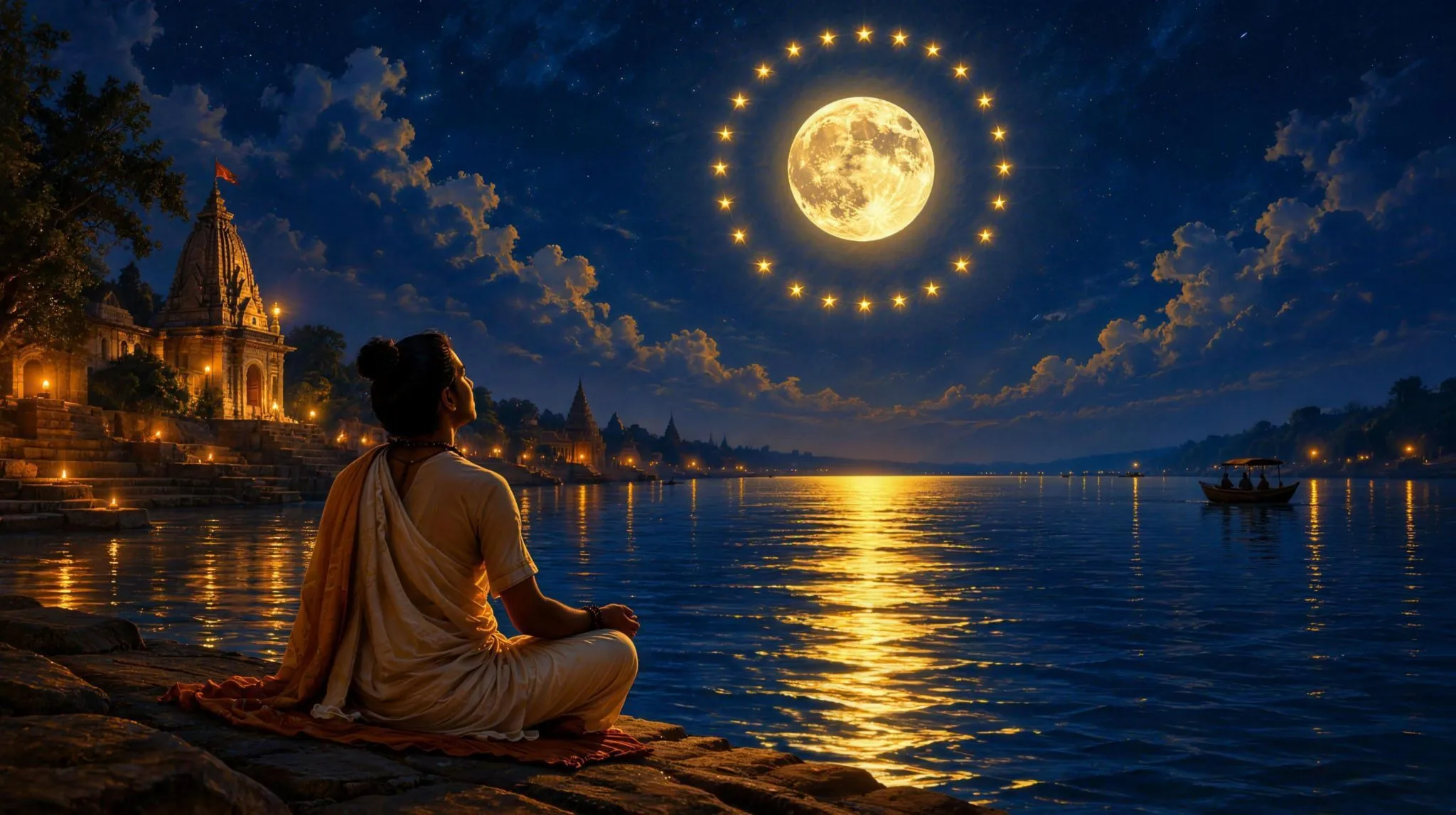
How Do You Find Your Birth Nakshatra?
Your birth nakshatra, called janma nakshatra, is the mansion the Moon occupied at the moment of your birth. Finding it takes three steps.
- Gather your birth data. You need your date, place and the most exact time you can find. The Moon travels about 13 degrees a day, so a few hours can change your pada, and sometimes your nakshatra.
- Calculate the sidereal Moon. Vedic charts use the sidereal zodiac, which is measured against the stars. Most Indian software applies the Lahiri ayanamsa (also called Chitrapaksha). A free Vedic chart calculator will do this for you. Do not use the Moon sign from a Western tropical chart.
- Match the Moon to a mansion. Divide the Moon’s sidereal longitude by 13°20′. The whole number plus one gives the nakshatra number.
Here is a worked example. Suppose the sidereal Moon stands at 100° of the zodiac (which is 10° of Cancer). Divide 100 by 13.33 and you get 7.5. Seven whole mansions are complete, so the Moon is in the 8th, Pushya. The remainder, 6°40′, falls in the third quarter, so the Moon is in Pushya pada 3.
If you only know your Moon sign, this table shows which mansions fall inside it.
| Sidereal Moon sign | Nakshatras inside it |
|---|---|
| Aries | Ashwini, Bharani, Krittika (first pada) |
| Taurus | Krittika (padas 2 to 4), Rohini, Mrigashira (first two padas) |
| Gemini | Mrigashira (last two padas), Ardra, Punarvasu (first three padas) |
| Cancer | Punarvasu (last pada), Pushya, Ashlesha |
| Leo | Magha, Purva Phalguni, Uttara Phalguni (first pada) |
| Virgo | Uttara Phalguni (padas 2 to 4), Hasta, Chitra (first two padas) |
| Libra | Chitra (last two padas), Swati, Vishakha (first three padas) |
| Scorpio | Vishakha (last pada), Anuradha, Jyeshtha |
| Sagittarius | Mula, Purva Ashadha, Uttara Ashadha (first pada) |
| Capricorn | Uttara Ashadha (padas 2 to 4), Shravana, Dhanishta (first two padas) |
| Aquarius | Dhanishta (last two padas), Shatabhisha, Purva Bhadrapada (first three padas) |
| Pisces | Purva Bhadrapada (last pada), Uttara Bhadrapada, Revati |
What Are Padas?
Pada means step or foot. Each nakshatra is divided into four padas of 3°20′, and the Moon takes roughly six hours to cross one. Nine padas fit into every sign, so the 108 padas line up with the 108 navamsas, the ninth-part divisions that Vedic astrologers use to study inner purpose and relationships.
| Pada | Position inside the nakshatra |
|---|---|
| First pada | 0°00′ to 3°20′ |
| Second pada | 3°20′ to 6°40′ |
| Third pada | 6°40′ to 10°00′ |
| Fourth pada | 10°00′ to 13°20′ |
Because a pada belongs to both a nakshatra and a navamsa, it gives a finer tone to the same mansion. Two people born in Rohini but in different padas can feel quite different. In India each pada also has a traditional naming syllable, so a child born in Ashwini pada 1 is often given a name starting with Chu, pada 2 with Che, pada 3 with Cho and pada 4 with La.
Nakshatra vs Moon Sign: What Is the Difference?
Your Moon sign (rashi) and your nakshatra both come from the Moon, but they measure at different scales. The sign tells you the broad emotional climate. The nakshatra tells you the particular room within it.
| Feature | Moon sign (rashi) | Nakshatra |
|---|---|---|
| Number of divisions | 12 | 27 |
| Width | 30° | 13°20′ |
| Time the Moon stays | About 2.25 days | About 1 day |
| Ruled by | One of seven visible planets | One of nine planets, including Rahu and Ketu |
| Speaks to | Emotional style and temperament | Deeper instincts, karmic pattern and timing |
A useful picture: the Moon sign is the country, the nakshatra is the village. Two people with a Moon in Cancer might share a caring nature, yet one in Pushya lives it as steady duty while one in Ashlesha lives it as protective intuition. The nakshatra also sets the first dasha of your life, which we turn to below.

What Vedic Astrology Says About Humanity’s Near Future with Dr. Katy Jane
Dr. Katy Jane, a classically trained Vedic astrologer, explains why she sees karma as curriculum and how Jyotish tracks the lessons of the soul.
How Do Nakshatras Relate to the Sidereal Zodiac?
Western astrology uses the tropical zodiac, which is anchored to the seasons: 0° Aries is the spring equinox. Vedic astrology uses the sidereal zodiac, which is anchored to the fixed stars. The two were close together about 1,700 years ago. Because the Earth wobbles on its axis, a slow drift called the precession of the equinoxes has pulled them apart by about one degree every 72 years. The gap, called the ayanamsa, is currently about 24 degrees.
In practice this means your sidereal planets usually sit about one sign earlier than in a Western chart, and the nakshatras are always counted on the sidereal wheel. That is why a Western horoscope cannot tell you your nakshatra, and why many people discover a new Moon sign when they first try Vedic astrology.
The precession is also the root of the ancient idea of great ages. Astrologer Heather Ensworth speaks about the Yuga cycles in her conversation with Alex. You can read more in our guide to the Yugas and Sri Yukteswar’s 24,000-year map of consciousness.

Astrology, Karma, and the Path Ahead for Humanity with Heather Ensworth
Astrologer and clinical psychologist Heather Ensworth explains the Yuga cycles, a 24,000-year cycle of rising and falling consciousness, and her view of the years 2025 to 2032.
Nakshatras and the Vimshottari Dasha
The most important job the nakshatra does is to start your timeline. In the Vimshottari system, taught in classical texts such as the Brihat Parashara Hora Shastra, life is divided into planetary periods called dashas that add up to 120 years. The planet ruling your birth nakshatra gives you your first dasha, and the part of it already used up at birth depends on how far the Moon had travelled through the mansion.
| Planet | Dasha length | Nakshatras it rules |
|---|---|---|
| Ketu | 7 years | Ashwini, Magha, Mula |
| Venus | 20 years | Bharani, Purva Phalguni, Purva Ashadha |
| Sun | 6 years | Krittika, Uttara Phalguni, Uttara Ashadha |
| Moon | 10 years | Rohini, Hasta, Shravana |
| Mars | 7 years | Mrigashira, Chitra, Dhanishta |
| Rahu | 18 years | Ardra, Swati, Shatabhisha |
| Jupiter | 16 years | Punarvasu, Vishakha, Purva Bhadrapada |
| Saturn | 19 years | Pushya, Anuradha, Uttara Bhadrapada |
| Mercury | 17 years | Ashlesha, Jyeshtha, Revati |
Vedic astrologers read each dasha as a chapter of life with its own theme and lessons.
How Are Nakshatras Used in Compatibility?
In India, relationship matching often begins with the nakshatras of the two people’s Moons. The traditional method is called Ashtakoota or Guna Milan, which scores eight factors (kootas) out of 36 points. Many practitioners treat 18 points as the minimum for a workable match, although this threshold is a convention of the tradition, not a law.
| Koota | Points | What it looks at |
|---|---|---|
| Varna | 1 | Spiritual outlook and ego |
| Vashya | 2 | Mutual attraction and influence |
| Tara | 3 | Health and fortune together |
| Yoni | 4 | Instinct and physical harmony |
| Graha Maitri | 5 | Mental rapport, through the friendship of the Moon-sign lords |
| Gana | 6 | Temperament |
| Bhakoot | 7 | Emotional bond and family welfare |
| Nadi | 8 | Energy balance and health |
The Gana koota sorts the nakshatras into three temperaments: Deva (divine), Manushya (human) and Rakshasa (fierce). Traditionally, similar temperaments are seen as the easiest match.
| Gana | Nakshatras |
|---|---|
| Deva | Ashwini, Mrigashira, Punarvasu, Pushya, Hasta, Swati, Anuradha, Shravana, Revati |
| Manushya | Bharani, Rohini, Ardra, Purva Phalguni, Uttara Phalguni, Purva Ashadha, Uttara Ashadha, Purva Bhadrapada, Uttara Bhadrapada |
| Rakshasa | Krittika, Ashlesha, Magha, Chitra, Vishakha, Jyeshtha, Mula, Dhanishta, Shatabhisha |
A care note: a matching score is one lens, not a verdict on love. Rakshasa does not mean a person is harmful. If a relationship is causing you distress, please reach out to a licensed counselor or a crisis line.
Nakshatras and Muhurta: Choosing Auspicious Timing
Muhurta is the Vedic art of choosing a favorable moment to begin something. The word also names a unit of time of about 48 minutes. Classical muhurta teaching looks at the nakshatra the Moon occupies that day and groups the mansions by their nature, then suggests what each group suits.
| Group | Nakshatras | Traditionally suited to |
|---|---|---|
| Fixed (Dhruva) | Rohini, Uttara Phalguni, Uttara Ashadha, Uttara Bhadrapada | Lasting works: foundations, planting, long commitments |
| Swift (Kshipra) | Ashwini, Pushya, Hasta | Quick starts: trade, learning a craft, healing |
| Soft (Mridu) | Mrigashira, Chitra, Anuradha, Revati | Art, music, friendship, romance |
| Movable (Chara) | Punarvasu, Swati, Shravana, Dhanishta, Shatabhisha | Travel and anything that moves |
| Fierce (Ugra) | Bharani, Magha, Purva Phalguni, Purva Ashadha, Purva Bhadrapada | Bold, confrontational work |
| Mixed (Mishra) | Krittika, Vishakha | Mixed or ordinary tasks |
| Sharp (Tikshna) | Ardra, Ashlesha, Jyeshtha, Mula | Intense or ending work, not gentle beginnings |
Practitioners also take care around the three gandanta junctions, where a water sign meets a fire sign: the end of Ashlesha and start of Magha, the end of Jyeshtha and start of Mula, and the end of Revati and start of Ashwini. These are treated as sensitive knots between endings and beginnings. Remember that muhurta is guidance from a tradition, and it should never delay medical care or an urgent decision.
How Can You Work With Your Nakshatra?
You do not need to be an astrologer to work with your mansion. Try these simple practices.
- Learn your deity and symbol. Sit with the image for a few minutes and notice what it stirs in you.
- Mark your return day. The Moon returns to your birth nakshatra about every 27 days. In India that day is traditionally kept as a personal day of prayer or reflection.
- Meditate. Our meditations for spiritual awakening and the chant in our Ganesh mantra guide are gentle places to start.
- Journal. Where do my strengths from this mansion show up? Where does its shadow appear? What would the deity ask of me this month?

Evolutionary Astrology: Decoding Your Soul’s Journey with Ricky Williams
Astrologer Ricky Williams talks about evolutionary astrology and how a birth chart can describe the journey of the soul.
Books on the Nakshatras
These books are good places to continue. Each link goes to Amazon, and we may earn a small commission at no cost to you.
The Nakshatras by Dennis M. Harness
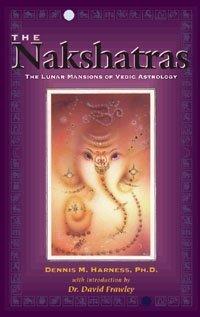
A well-known English guide to the 27 mansions, covering their deities, symbols and meanings. See it on Amazon.
Light on Life by Hart de Fouw and Robert Svoboda
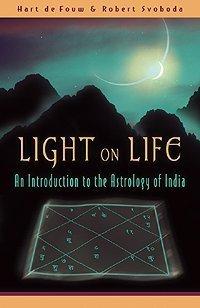
An accessible introduction to the astrology of India. See it on Amazon.
Astrology Decoded by Vish Chatterji
The book by our podcast guest Vish Chatterji, a Vedic astrologer who frames the tradition as a spiritual path. See it on Amazon.
Keep Exploring with Next Level Soul
Take the next step on your path with a free masterclass or the Next Level Soul TV library of conscious films and teachings.
A Free Gift
Study the stars, then find your inner calm.
Reading about the lunar mansions is one thing. Finding your own inner stillness is another. The free Sacred Awakening Toolkit is a collection of meditations, teachings and guidance to help you find calm, clarity and balance.
- Exclusive Bashar Channeling (20 Min). An original channeling recorded exclusively for Next Level Soul, with direct insights from one of the most influential channeled teachings of our time.
- 5 Sacred Meditations. Calm the mind, open the heart and reconnect with inner presence.
- Bonus: Cosmic Chakra Meditation (30 Min). Align and activate your energy centers.
- Spiritual Awakening Roadmap PDF. A clear, grounded guide to the awakening process.
Free. Unsubscribe anytime. Your email is safe with us.
Frequently Asked Questions About Nakshatras
What are nakshatras?
Nakshatras are the 27 lunar mansions of Vedic astrology. Each is a 13°20′ sector of the zodiac with its own ruling planet, deity and symbol, and the Moon passes through one about every day.
How many nakshatras are there?
There are 27 in most modern Vedic charts. Some older lists, such as the Atharvaveda, count 28 by adding an extra asterism called Abhijit.
How do I find my nakshatra?
Find the sidereal position of your Moon at birth using your date, exact time and place, then match it to the 27 mansions. A free Vedic chart calculator that uses the Lahiri ayanamsa will do this in seconds.
What is the difference between a nakshatra and a Moon sign?
The Moon sign is a 30° division of the zodiac, and the nakshatra is a finer 13°20′ division inside it. The sign describes the broad emotional climate and the nakshatra adds a more specific pattern.
What are the padas of a nakshatra?
Each nakshatra is divided into four padas of 3°20′, which gives 108 in all. A pada is also a navamsa, a ninth-part division of a sign, and the Moon crosses one in about six hours.
Which nakshatra is the most auspicious?
No nakshatra is bad. Tradition names Pushya as especially favorable for beginnings, and the fixed and soft groups are often chosen for lasting or gentle works. Every mansion carries a gift and a lesson.
What are the ruling planets of the nakshatras?
The nine Vimshottari rulers repeat three times in a fixed order: Ketu, Venus, Sun, Moon, Mars, Rahu, Jupiter, Saturn and Mercury. Ashwini, Magha and Mula are all ruled by Ketu.
What is a dasha?
A dasha is a planetary period in the Vimshottari system, which spans 120 years. The ruler of your birth nakshatra gives your first dasha, and the sequence unfolds from there.
Are nakshatras used for compatibility?
Yes. Indian matchmaking traditionally uses Ashtakoota, which scores eight factors out of 36 based on the two Moon nakshatras. It is a traditional tool and one lens among many.
What is muhurta?
Muhurta is the Vedic practice of choosing a favorable time to begin something, such as a journey, a ceremony or a new venture. The Moon’s nakshatra on that day is one of the main factors.
What is a gandanta?
A gandanta is the junction where a water sign meets a fire sign: the end of Ashlesha and start of Magha, the end of Jyeshtha and start of Mula, and the end of Revati and start of Ashwini. Tradition treats these as sensitive points.
Can I use my Western chart to find my nakshatra?
No. Western charts use the tropical zodiac, while nakshatras are counted on the sidereal zodiac. The two differ by about 24 degrees, so you need a sidereal calculation.
Do nakshatras decide my fate?
Vedic teachers generally describe the chart as a map of tendencies and lessons, not a sentence. Dr. Katy Jane puts it this way on the podcast: karma is curriculum, not destiny.
Sources and Further Reading
Nakshatra (Wikipedia) · Hindu astrology (Wikipedia) · Ayanamsa (Wikipedia) · Lunar station (Wikipedia) · Muhurta (Wikipedia) · Panchangam (Wikipedia) · Ashvini (Wikipedia)