
Ho’oponopono is a Hawaiian practice of making things right. In its traditional form it is a family forgiveness and reconciliation gathering, led by an elder, where people pray, speak honestly, ask for forgiveness and let the hurt go. In its modern form it is a silent inner practice built on four phrases: I’m sorry, please forgive me, thank you, I love you.
Key Takeaways
- Ho’oponopono comes from a Hawaiian word meaning to put things right, to set in order, to correct.
- The traditional practice is a family process of prayer, honest talk, confession, forgiveness and release. Hawaiian scholar Mary Kawena Pukui recorded it from her own upbringing.
- In 1976, the healer Morrnah Simeona adapted it into a self-help process that anyone could use alone.
- Dr. Ihaleakala Hew Len and Joe Vitale brought the four phrases to a worldwide audience in Zero Limits (2007).
- The modern practice is about cleaning your own inner world, not blaming yourself and not excusing harm done to you.
- You can start in one minute: bring a person or problem to mind, say the four phrases silently, and return to them whenever the feeling returns.
This guide covers the Hawaiian roots, the modern teachers, a step-by-step practice, daily routines, relationships, grief, money, journal prompts, honest criticism and 18 questions answered. Joe Vitale appears twice in our own conversations, linked below. For a gentler everyday companion, see our guide to self love.
What Is Ho’oponopono?
Ho’oponopono (written in Hawaiian as Hoʻoponopono, with a small glottal stop mark called the ʻokina) is pronounced roughly ho-oh-poh-noh-poh-noh. It is a Hawaiian practice of reconciliation and forgiveness. When people search for it today, they usually mean one of two things, and it helps to keep them apart from the start.
- Traditional ho’oponopono. A group process, often within an extended family. A respected elder or healer opens with prayer, the problem is named, each person is heard, and the family moves through confession, forgiveness and release until the relationship is set right again.
- Modern ho’oponopono. A private, self-directed practice that grew out of Morrnah Simeona’s 1976 adaptation and Dr. Hew Len’s later teaching. Its best-known tool is the four-phrase mantra: I’m sorry. Please forgive me. Thank you. I love you.
Both share the same heart. Something has gone out of balance, and the way back is honesty, humility, forgiveness and love. They differ in who takes part, what the words mean, and what the practice is for. We will walk through each, then show you how to practice.
What does the word mean?
The Hawaiian word is built from two parts. The particle hoʻo turns a noun into an action, and pono means goodness, uprightness, balance, the right and proper way. The root word ponopono means to put to rights, to set in order, to tidy up, to make things neat and right. So ho’oponopono is literally “to make right” or “to make good.”
The Hawaiian Dictionary compiled by Mary Kawena Pukui and Samuel Elbert gives a second meaning that explains the cultural practice: mental cleansing, through family conferences in which relationships were set right through prayer, discussion, confession, repentance, and mutual restitution and forgiveness. That one sentence is the traditional practice in miniature.
Why so many people are searching for it
Ho’oponopono is searched tens of thousands of times a month in the United States alone. We think the reason is simple. Almost everyone carries a quarrel, a regret, a grief or a worry they cannot solve by thinking harder. A practice that says start with a quiet apology and a thank you feels both achievable and deeply human. It asks nothing but a few honest words, and it can be done on a bus, in a kitchen or at a bedside.
It also fits the way many seekers already think. If you have read about the Law of Attraction, shadow work or forgiveness in other traditions, you will find familiar threads here. Our guide to manifestation and the Law of Attraction explains how those ideas developed, and our glossary entry on shadow work covers the inner-work side.
The Hawaiian Origins of Ho’oponopono
To understand the practice, it helps to start where it began: in the Hawaiian family, the ʻohana, and in a worldview where relationships carry spiritual weight.
Roots across the Pacific
Similar forgiveness practices are found on islands throughout the South Pacific, including Samoa, Tahiti and New Zealand. In many Polynesian cultures, a person’s errors (called hara or hala in various island languages) were thought to cause illness. Some traditions held that error angers the gods. Others held that it attracts harmful spirits, or that the guilt itself makes a person sick. Across these cultures, a common answer was a rite of confession and atonement, because secrecy was seen as the thing that gives trouble its power. When the wrong is spoken and made right, it loosens its hold.
Hawaiian historians of the nineteenth century recorded a related belief. Illness could follow the breaking of a kapu, a sacred law, and the sufferer could not recover until they atoned, often with help from a praying priest (kahuna pule) or a healing priest (kahuna lapaʻau). Forgiveness was sought from the gods, or from the person with whom there was a dispute. The word ho’oponopono was not always used in those early accounts, but the pattern is clear.
Mary Kawena Pukui and the written record
Much of what the wider world knows about traditional ho’oponopono comes from Mary Kawena Pukui (1895 to 1986), a Hawaiian scholar, author, composer and educator. She was born in Kaʻū on the island of Hawaiʻi and raised in part by her grandmother in the traditional way. She worked at the Bernice P. Bishop Museum, co-wrote the definitive Hawaiian-English Dictionary, and published more than fifty scholarly works. In 1958 she recorded her memories of family life in The Polynesian Family System in Kaʻū, Hawaiʻi, and her two-volume Nānā i ke Kumu (Look to the Source) became a trusted resource on Hawaiian customs.
Pukui described ho’oponopono as extended family members meeting to make right broken family relationships. Some families met daily or weekly to keep small problems from growing. Others gathered when someone became ill, because they believed illness could come from the strain of anger, guilt, blame and lack of forgiveness. Kupuna (elder) Nana Veary wrote that when a child in her family fell ill, her grandmother would ask the parents a simple question: What have you done? Healing, in that view, required the forgiveness of the whole family.

Manifest Your Dream Life with Jonathan Hammond
Jonathan Hammond joins Alex Ferrari from Maui to talk about healing relationships, the seven Huna principles and the Hawaiian shamanic view of reality. He shares his own perspective and tradition.
What the ʻohana teaches
Three ideas sit underneath the traditional practice, and they will matter again when we reach the modern version.
- Relationships are sacred. A rift between two people is not only a private matter. It affects the family, the home and the health of the people in it.
- Harmony is kept up, not just repaired. Some families held ho’oponopono as a regular habit, the way we might brush our teeth, so that grievances never piled up.
- Aloha is the container. Many Hawaiians consider the spirit of aloha, which includes love, respect, compassion and welcome, central to the practice. The process works because everyone in the circle is committed to the relationship surviving.
How Traditional Ho’oponopono Works
A traditional session is not a casual chat. It has a shape, and the shape is part of why it works. Accounts of the practice describe these stages.
| Stage | What happens | Why it matters |
|---|---|---|
| Opening prayer | The family gathers, usually led by the most senior member, and the session opens with prayer. | It sets the tone: this is a sacred act, not an argument. |
| Naming the problem | The matter is stated plainly and the wrong is discussed. | Nothing can be mended while it stays vague or hidden. |
| Honest sharing | Each person speaks in turn. Family members are expected to work the problem through and not hold fast to the fault. | Every feeling is acknowledged, including the injured ones. |
| Silence | One or more periods of quiet are taken for reflection on the tangle of emotions and injuries. | It cools the heat and lets the heart catch up. |
| Confession and repentance | Those who caused harm own it. Regret is spoken. | Responsibility is taken without being used as a weapon. |
| Forgiveness and release (kala) | Everyone releases one another and lets go. | The word kala carries the idea of untying and setting free. |
| Cutting off the past (ʻoki) | The group agrees the matter is closed and will not be raised again as a grievance. | It protects the healed relationship from the old story. |
| Closing feast (pani) | The event ends with a shared meal, often including limu kala, a seaweed whose name echoes the word for release. | Food and laughter seal the peace. The matter is complete. |
If the family could not resolve the problem alone, they could turn to a respected outsider. In one form used by the family of the kahuna Makaweliweli on Molokai, the end of the process was marked by giving the forgiven person a lei made from the fruit of the hala tree. The symbol is simple and lovely: a garland of peace placed around the one who was once at fault.
Traditional ho’oponopono today
The traditional form is still alive. In the late twentieth century, courts in Hawaiʻi began referring juvenile and adult offenders to an elder who would conduct ho’oponopono with the offender’s family, as a form of alternative dispute resolution. The session is run in the traditional way, without court interference, by a practitioner the family selects from a list of court-approved providers. Some native practitioners also offer ho’oponopono to people who might otherwise seek family counseling. Educators have also taught the traditional process, including a 2000 address on the subject to the United Nations by Malia Craver, who worked with the Queen Liliʻuokalani Children’s Centers for more than thirty years.
Many people see a family resemblance to restorative justice, the approach that brings together the person who caused harm, the person harmed and their community to make things right. You can read about that tradition on Wikipedia. The two are not the same thing, but both rest on the idea that relationship, not punishment, is where healing happens.
Go Deeper with NLS Mastery: The Divine Law of Love
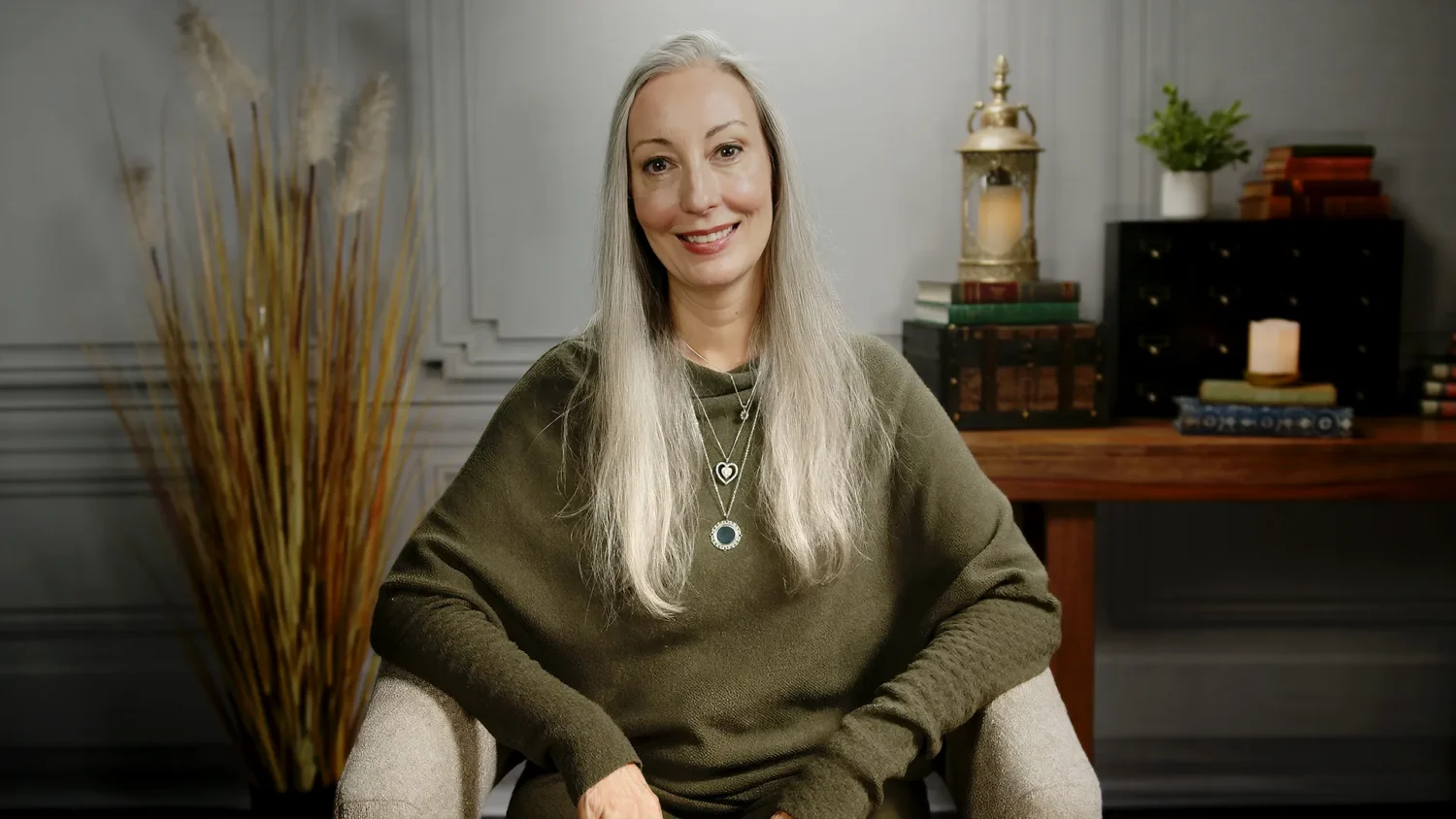
If ho’oponopono stirs the wish to move from fear to love, this course takes that shift further, with a focus on clearing old patterns that shape how we love and relate. Anjie Hipple teaches it in The Divine Law of Love, part of NLS Mastery. Watch the course preview below.
Morrnah Simeona: The Modern Version Begins
The step from a family circle to a practice you can do alone belongs largely to one woman.
Morrnah Nalamaku Simeona (1913 to 1992) was born in Honolulu to native Hawaiian parents. Her mother, Lilia, was one of the last recognized kahuna laʻau kahea, a priest who heals with words. Morrnah worked as a lomilomi (Hawaiian massage) practitioner and for ten years owned and ran health spas at the Kahala Hilton and the Royal Hawaiian hotels. In 1983 she was recognized as a kahuna lapaʻau, a healer, and honored as a Living Treasure of Hawaiʻi by the Honpa Hongwanji Mission of Hawaiʻi.
What she changed in 1976
In 1976 she began adapting traditional ho’oponopono to the realities of modern life. She widened it from a family matter into a general problem-solving process for anyone, and she shifted it from a group event to a psycho-spiritual self-help practice. Her version drew on her Protestant and Catholic education and on her studies of philosophies from India and China and of the American seer Edgar Cayce. Like the traditional practice, it kept prayer, confession, repentance and forgiveness. Unlike it, it understood problems largely as the working out of karma, the idea that what we experience reflects what we have done, in this life or others.
Her process, which she called Self I-Dentity through Ho’oponopono (often shortened to SITH), is described as a fourteen-step prayer process. It works with three aspects of the self, commonly given in Hawaiian terms as the unihipili (the subconscious, or child self), the uhane (the conscious, or talking self) and the aumakua (the superconscious, or higher self), so that all three are balanced and connected to the Divine Creator. She taught that when a prayer ends with the words “and it is done,” human effort ends and the divine work begins. She did not use a mantra or conditioning exercises. The four-phrase mantra that many people now associate with ho’oponopono is more closely tied to the teaching of her student, Dr. Hew Len.
She taught widely. She presented trainings and lectures to the United Nations, in nearly a dozen U.S. states and in more than fourteen countries, including Germany, the Netherlands, Switzerland, France, Russia and Japan. She founded Pacifica Seminars in the 1970s and the Foundation of I, Inc. in 1980, and she organized the First World Symposium on the Identity of Man in 1982. She wrote three textbooks titled Self I-Dentity through Ho’oponopono, called Basic 1, 2 and 3. She died in Germany in 1992.
A note on respect. Simeona was a native Hawaiian healer who adapted the practice on purpose, and she was criticized for it by some Hawaiian traditionalists. Both facts are part of the story. We return to this in the section on honest context.

Dr. Hew Len and the State of Zero
Dr. Ihaleakala Hew Len is a psychologist who took his first class with Morrnah Simeona in 1982. He trained as an instructor under her and taught beside her as she traveled through the Americas, Europe, the Middle East and Asia. After she died in 1992, he returned to Hawaiʻi and carried on the work. He made no claim to be a kahuna.
Hew Len’s emphasis was different from hers. Where Simeona’s process was a structured prayer, his teaching centered on a state he called zero: the place of no limits, no memory and no stored identity, where inspiration can arrive freely. To reach it he used the four phrases, repeated silently, as a way to clean what he called memories or programs running in the mind. Underneath was his idea of 100 percent responsibility: everything you experience is in your life, so everything you experience is, in some sense, yours to clean. The problem, in this view, is never only out there. It is also in how you hold it.
The hospital story
The tale that made Hew Len famous is told in Joe Vitale’s writing and interviews. In the story, Hew Len worked in the 1980s at a Hawaii State Hospital unit for patients described as criminally insane. He never treated the patients in the usual way. Instead he reviewed their files and worked on himself with ho’oponopono, asking what in him had created what he saw. Over time, the story goes, patients improved and the unit eventually closed.
It is a memorable story, and it is easy to see why it spread. Treat it as the account that introduced the practice to a wide audience, as told by Vitale and Hew Len, rather than as a documented case history. We could not find independent records that establish the details, and we come back to that below.
Joe Vitale and Zero Limits
Joe Vitale is an author and marketer, a teacher in the film The Secret, and the person most responsible for bringing ho’oponopono to a global audience. He heard the hospital story, tracked down Hew Len, and eventually studied with him. The result was Zero Limits: The Secret Hawaiian System for Wealth, Health, Peace, and More, written with Dr. Hew Len and published by Wiley in 2007. Vitale followed it with At Zero in 2013.
Zero Limits made the four phrases famous and framed them as a way to take responsibility without guilt. The book describes cleaning as a daily habit, and it also describes other cleaning tools, such as blue solar water, which we leave to the book. If you want the full story of Vitale’s life and work, our guide to Joe Vitale, The Secret and The Attractor Factor series covers his path from copywriter to teacher.
We have sat down with Joe on the Next Level Soul podcast twice. In his first conversation he calls ho’oponopono an inside job, and he describes the method this way: whatever bothers you is data inside you, so you go within and say the four phrases silently to the divine. He explains them as shorthand for apologizing for any belief that created the situation and for thanking the divine for correcting your perception. He presents this as his own understanding, not as medical advice.

Transform Your Life with Ho’Oponopono with Joe Vitale
Joe Vitale joins Alex Ferrari to talk about persistence, money as a tool, and Ho’oponopono as an inside job built on four silent phrases.
Alex likened the idea to rebooting a computer instead of throwing it against the wall, and that image is a good one to hold. You are not fixing the other person’s machine. You are restarting your own.
Traditional vs Modern Ho’oponopono: A Comparison
The same word now covers quite different things. This table keeps them straight, and it is based on how the practice is described in Hawaiian scholarship and in the writings of Simeona, Hew Len and Vitale.
| Traditional Hawaiian ho’oponopono | Simeona’s Self I-Dentity (1976) | Hew Len and Vitale (Zero Limits, 2007) | |
|---|---|---|---|
| Who takes part | An extended family, led by a senior member or a respected helper | One person, with the Divine Creator and the three selves | One person, silently, wherever they are |
| Main aim | Restore good relationships among family members and with the divine | Release karmic and memory burdens through prayer | Reach “zero”: no limiting memory or identity |
| How problems are understood | Wrongdoing, strained relationships, broken kapu, and the hurt that follows | The working out of karma and stored memories | Programs and memories inside you, projected onto your experience |
| Method | Prayer, honest discussion, silence, confession, forgiveness, release, closing feast | A fourteen-step prayer process, no mantras | Four silent phrases repeated as a cleaning tool |
| Who is responsible | Those who caused harm own it; the family heals together | You are the creator of your life circumstances | 100 percent responsibility for everything in your experience |
| Where it came from | Hawaiian culture, recorded by scholars such as Pukui | Simeona, a Hawaiian kahuna lapaʻau, adapting the tradition | Hew Len, a psychologist, teaching with Vitale as author |
| Typical setting | Family home, community, and today some Hawaiʻi courts | Seminars and personal prayer | Daily personal practice, books, audio and workshops |
Neither the older nor the newer form is a fake of the other. They answer different needs. The traditional form mends a relationship between real people in the same room. The modern form helps you meet your own reactions, memories and fears with compassion when the other person is not in the room or cannot be changed.
The Four Phrases: I’m Sorry, Please Forgive Me, Thank You, I Love You
The four phrases are the part of ho’oponopono most people carry away with them. Each one does a different job. Teachers present them in different orders, and Vitale gave them as “I love you, I’m sorry, please forgive me, thank you” in our conversation. You can use the order that feels natural to you. What matters is saying them with feeling and without a script in your head about who is guilty.
1. “I’m sorry”
This is not self-punishment, and it is not an admission that the whole mess is your fault. In the modern practice, it is an apology for whatever part of you, known or unknown, is in some way part of the situation: a belief, a memory, a pattern, an old fear. Vitale explains it as shorthand for apologizing for any belief that created the situation. You do not need to know exactly what you are sorry for. You are simply saying: I take part in this, and I am willing to look.
2. “Please forgive me”
You are asking to be released from the weight of the thing. You can address it to the divine, to your higher self, to life, to the person involved or to the part of you that was hurt. In the traditional form, forgiveness is spoken between real people. In the modern form, it is usually spoken inwardly, to the divine, as a request for the knot to be untied.
3. “Thank you”
Gratitude is the turning point. It says: I trust the cleaning is happening, and I am grateful for what this situation is showing me. Vitale describes it as thanking the divine for correcting your perception. Gratitude has its own long tradition, and our guide to the power of gratitude offers more ways to build it into daily life.
4. “I love you”
Love is the solvent. You can say it to the divine, to yourself, to the person, to the situation, even to the feeling that is hurting. Saying “I love you” to a painful emotion can feel odd at first, then surprisingly soft. It tells the feeling it is allowed to be here.
What the phrases are not
- They are not a way to forgive someone on the outside while staying in an unsafe situation. Forgiving is not the same as reconciling, and it never means returning to harm.
- They are not a spell for getting what you want. Used that way, they turn into another form of striving.
- They are not a replacement for an apology you owe someone, or for therapy, medical care or legal help.
- They do not have to be spoken aloud. Most modern teachers describe them as silent.
Cleaning and Memory: How the Modern Practice Frames It
The modern practice has its own vocabulary, and it can sound strange at first. Understanding the vocabulary makes the practice much easier to enter.
What does “cleaning” mean?
In Zero Limits and in Vitale’s interviews, “cleaning” means working inwardly to release the memories, beliefs and programs that distort how you see a situation. The picture is something like a computer running old software. You are not blamed for the software. You are simply invited to notice it and to clear it. When you feel a spike of anger, fear, envy or shame, that is treated as the signal that a memory has been triggered. You say the four phrases, and you let the memory be cleaned.
What does “memory” mean here?
The word is broader than “something you remember.” It includes beliefs formed in childhood, family patterns, cultural messages, ancestral stories and the habits of reaction that run without asking permission. If you grew up believing money is dangerous, that love is earned, or that you are too much, those are memories in this sense. They are quietly shaping what you notice and what you expect.
This will sound familiar to anyone who has explored inner-child work, emotional release or subconscious patterns. Dr. Bradley Nelson’s Emotion Code, for example, is a different method with a different vocabulary, but it begins with a similar question: what old emotion are we still carrying? In our conversation with him, Dr. Nelson shares his own perspective and personal experience on releasing what he calls trapped emotions. It is not ho’oponopono, and it is offered for reflection, not as medical advice.

How to Release Toxic Emotions with Dr. Bradley Nelson
Dr. Bradley Nelson explains the Emotion Code, his method for finding and releasing what he calls trapped emotions, and why he believes the key is the subconscious mind.
The idea of 100 percent responsibility
This is the idea that most divides readers, so it is worth being careful. In Hew Len’s teaching, taking 100 percent responsibility means that whatever shows up in your experience is a chance to clean something inside you. It is not the claim that you caused another person’s cruelty or that victims are to blame for what was done to them. Vitale describes the point as responsibility in the sense of opportunity, not blame.
Many people find a more useful way into the idea by thinking of it as response-ability: the ability to choose how you respond, and to work on the one thing you can truly change, which is your own inner state. You can honor that and still say, clearly, that harm is harm, and that safety, boundaries and justice matter.
A plain-language psychological lens
Without needing to accept any metaphysics, you can see why the practice is soothing. Saying “I’m sorry” and “thank you” in a charged moment interrupts the spiral of blame. Repetition gives the mind something steady to do while the body calms. Naming love in the middle of conflict shifts the emotional tone. Many traditions that use prayer, chant or mantra work in a similar way. Spiritual practice and mental-health care can sit side by side, and for deeper wounds the best companion to a practice like this is often a trained counselor.

How to Practice Ho’oponopono: Step by Step
Here is a simple way to begin. It follows the modern four-phrase practice, with a few touches borrowed from the spirit of the traditional process. Give it ten minutes the first time, and then let it shrink to a minute or less once it is familiar.
- Find a quiet place and settle. Sit comfortably. Take three slow breaths, longer on the exhale. Let your shoulders drop. If it helps, place a hand over your heart.
- Name what is here. Bring to mind the person, memory, worry or feeling you want to clean. Say it in one plain sentence in your mind: “I am angry at my brother,” “I am afraid about money,” “I miss my mother.” Do not argue the case. Just name it.
- Feel it in your body. Notice where the feeling lives: a tight chest, a hot face, a hollow stomach. Stay with the sensation for a few breaths without trying to fix it.
- Open with a simple intention. Silently ask the divine, your higher self, or whatever word you use for the sacred, to help you see clearly and release what is ready to be released. You can use your own words. A traditional family session begins with prayer, and so can you.
- Say the four phrases silently. Slowly: I love you. I’m sorry. Please forgive me. Thank you. Direct them inward and upward, not as an accusation to anyone. Let each phrase land before you say the next.
- Repeat. Say the cycle for several minutes, or until the intensity softens. Some days it will soften quickly. Some days it will not, and that is also fine. If your mind wanders, return to the words as you would return to a breath.
- Rest in silence. In the traditional process, silence has its own place. Stop saying the words, and sit for a minute or two in the quiet that follows. Notice what has changed, even slightly.
- Close with thanks. End with a sincere thank you, as the old gathering ended with a shared meal. Take a sip of water, stretch, and write one line about what you noticed.
A one-minute version. When you only have a moment: breathe once, name the feeling, say the four phrases three times, breathe again. That is a complete round.
Tips that help
- Feeling beats words. A sincere “I’m sorry” said once is worth more than a hundred mechanical ones. Slow down enough to mean it.
- Include yourself. Many people find they have been unkind to themselves for years. Try saying the phrases to the part of you that is hurting.
- Use a gentle anchor. Some people say the phrases to a beat, with a breath, with beads, or while walking. Pick one that feels natural.
- Expect the unexpected. Old feelings can surface. That is normal. If they become overwhelming, stop, ground yourself by feeling your feet on the floor, and seek support.
- Do not force an outcome. The practice is the point. If a conversation, a decision or a feeling of peace follows, let it arrive in its own time.
What to Expect When You Start
People describe the early days of the practice in a few common ways, and knowing them ahead of time can save you from second-guessing yourself.
- It may feel awkward. Saying “I love you” to a person who hurt you, or to your own anger, can feel false at first. Keep going gently. The words can be a doorway before the feeling arrives.
- Feelings may rise before they settle. When you give a hurt your attention, it can feel louder for a short time. Breathe, keep your feet on the floor, and take breaks when you need them.
- Small shifts are real shifts. You may notice you reply a beat slower, laugh a little sooner, or sleep a little better. These are the early signs of a practice taking root.
- Some days nothing seems to happen. That is normal. A tidy room still needs tidying tomorrow.
- Your circumstances may or may not change. The most reliable change is in you: your tone, your patience, your willingness to listen. Treat any outer change as a welcome extra, not a promise.
It also helps to keep the practice simple. You do not need special objects, a perfect room or a teacher on call. You need a few sincere words, a little privacy and a willingness to meet yourself with kindness.
Daily Ho’oponopono Routines
Teachers of the modern practice stress that it is meant to be used often. Think of it less like a ceremony and more like keeping a room tidy. These routines help it become a habit.
| Moment | Practice | Time |
|---|---|---|
| On waking | Place a hand on your heart and say the four phrases for the day ahead, for the people in it, and for anything you are worried about. | 2 to 3 minutes |
| When triggered | The moment you feel irritation, jealousy, fear or shame, say the phrases silently before you speak or reply. | 30 to 60 seconds |
| Commute or walk | Use the rhythm of your steps. Send the phrases to the people and places you pass, or to the traffic you are stuck in. | 5 to 10 minutes |
| Before a hard conversation | Clean your side first. Ask for clarity, for kindness and for the words that will help. | 2 to 5 minutes |
| Bedtime review | Think back over the day. For anything that nags at you, say the phrases once and let it go. | 5 minutes |
| Weekly deep session | Pick one long-standing situation, sit with the full eight-step practice, and journal afterward. | 15 to 20 minutes |
A seven-day starter plan
- Day 1. Learn the four phrases and say them for two minutes on waking.
- Day 2. Add one trigger. Each time you feel irritation, say them once.
- Day 3. Clean a small, present worry: a bill, a deadline, a minor quarrel.
- Day 4. Sit with the full eight-step practice about one person. Journal for five minutes.
- Day 5. Say the phrases to yourself, for something you criticize about yourself.
- Day 6. Choose a longer-standing hurt and practice with it for ten minutes.
- Day 7. Review the week. What changed in how you react? Write three lines and say a thank you.
Ho’oponopono for Relationships
The practice began as a way to heal family relationships, so this is where it feels most at home. It can help with partners, parents, children, siblings, friends and coworkers.
When there is conflict
Before you reach for the argument, try a round of the four phrases. You are not asking yourself to agree with the other person. You are clearing the heat so you can speak from steadiness. Many people notice they can say what they need to say more plainly once the charge has dropped.
When someone is far away or estranged
You can do the practice even when the person is not available, or when contact is not safe or wise. The modern form takes place entirely inside you, so you are not waiting on anyone’s cooperation. You might imagine them in front of you and say the phrases, or simply hold their name in mind. Whether you ever reconnect is a separate decision.
When the relationship is with yourself
For many people the hardest person to forgive is the one in the mirror. Try the phrases with a specific memory: “I’m sorry for the way I spoke to myself after that mistake. Please forgive me. Thank you for carrying me through. I love you.” Our guide to self love offers more gentle practices to pair with it.
Care note. If a relationship involves abuse, control or fear for your safety, ho’oponopono is not a reason to stay or to take the blame. Forgiveness can be an inner act while you also protect yourself. If you are struggling, please reach out to a licensed professional or a crisis line. In the United States, you can call or text 988 to reach the Suicide and Crisis Lifeline.
Ho’oponopono for Grief and Loss
Grief often carries a quiet freight of unfinished business: words not said, apologies not offered, anger that has nowhere to go. The four phrases offer a way to say them anyway.
- “I’m sorry” can hold the regret of what you did or did not do, and the sorrow of what you could not change.
- “Please forgive me” can be spoken to the one who died, to the divine, or to your own tender heart.
- “Thank you” can honor what they gave you, including the hard lessons.
- “I love you” says what love still says after death.
You can build a small ritual around it. Light a candle, place a photograph or a flower near you, say the phrases, and sit in silence. Some people do this on anniversaries or in the quiet of early morning. Our guide to honoring your ancestors with an altar offers a simple structure for remembering loved ones that pairs naturally with the practice.
Grief has its own pace, and no practice can hurry it. Ho’oponopono does not replace grief counseling, support groups or time. Think of it as a companion, not a cure.
Care note. If your grief feels unbearable or you have thoughts of harming yourself, please reach out to a licensed professional or a crisis line right away. In the United States, call or text 988.
Ho’oponopono for Money and Abundance
This is where Joe Vitale’s name comes up most often, because Zero Limits promised, in its subtitle, a system for wealth as well as health and peace. Many readers come to ho’oponopono hoping it will help with money. Here is a grounded way to use it.
Instead of treating the phrases as a technique for attracting cash, use them to clean the feelings about money that already live in you: fear of lack, shame about earning, guilt about wanting more, envy of those who have more, old family stories about being poor or being greedy. Notice the charge, name it, and say the four phrases. As the charge fades, you often make clearer decisions, which is a practical benefit whatever your beliefs.
A simple money practice
- Sit with your bank balance, a bill or a pay stub in front of you. Breathe.
- Notice what you feel: tightness, dread, shame, excitement.
- Name it: “I feel afraid I will not have enough.”
- Say the four phrases for the fear, for the memory behind it, and for the part of you that learned it.
- Take one practical action afterward: pay the bill, make the call, update the budget.
In our conversation, Joe also reframed money as a way to express appreciation. He says that paying a bill reminds him to be grateful for the lights or the roof it represents. In his view this turns money from something to fear into a tool for a mission. He frames these as his opinions, not a promise of any result, and we do too. Practice does not replace earning, budgeting or financial advice from a qualified professional.

The Dark Side of the Law of Attraction with Joe Vitale
Joe Vitale explores the shadow side of the Law of Attraction, the divine delay, how gratitude builds trust, and how the four phrases of Ho’oponopono can clean up your perception of anger and fear.
If you are exploring manifestation alongside ho’oponopono, our guides to Law of Attraction tips and manifestation techniques offer grounded practices, and they pair well with a cleaning practice that comes first.
Ho’oponopono and the Law of Attraction
Because Joe Vitale is known both for the Law of Attraction and for Zero Limits, many readers wonder how the two fit together. Our reading is that they sit at different ends of the same hallway. The Law of Attraction, as popularly taught, emphasizes choosing intentions and feeling your way toward them. Ho’oponopono, as Vitale teaches it, emphasizes cleaning the inner static that gets in the way, so that what you do choose can come from a clearer place.
In our second conversation, Joe talks about what he calls the divine delay, the idea that many delays come from our own beliefs and from vetoing our wishes. He says reality is shaped by thought, emotion and repetition, and that we can interrupt the process. He ends intentions with the words “this or something better,” and he suggests choosing intentions that serve you and at least three other people. For him, trust begins with gratitude, which is where the four phrases end: thank you.
You do not have to accept any of this to try the practice. If you prefer a plainer view, think of ho’oponopono as a way to calm and clear your mind before you act on a goal. If you want to explore both together, our guide to manifestation versus the Law of Attraction traces how these ideas developed and where they differ.
Journaling with Ho’oponopono
Journaling gives the practice a place to land. Writing slows the mind, makes patterns visible, and lets you see change over weeks. Try this simple format after a session: What I named. What I felt in my body. What came up after the four phrases. One small thing I will do or let go of today.
Journal prompts
For clearing a situation
- What is the situation I keep replaying, in one honest sentence?
- What am I feeling in my body when I think about it?
- What belief about myself or the world does this feeling point to?
- Where did I first learn that belief? Whose voice does it sound like?
- What would “I’m sorry” mean here, said without blame?
- What would it feel like to be forgiven for this?
For relationships
- Who am I carrying anger or hurt toward right now?
- What do I wish I could say to them, and what do I need to hear myself?
- What is one thing I am grateful for about this person, even if it is small?
- What boundary do I need, with or without forgiveness?
For self-forgiveness and gratitude
- What am I still punishing myself for?
- If a dear friend had done what I did, what would I say to them?
- What lesson did this teach me that I can thank it for?
- Write a letter beginning “I love you” to the part of you that is hurting. You do not have to send it to anyone.
Criticisms and Honest Context
A practice this popular deserves a clear-eyed look. Here are the main questions people raise, and how we weigh them.
Cultural questions: whose practice is it?
Ho’oponopono is a Hawaiian cultural and spiritual practice. Some Hawaiian practitioners and scholars have said that the version made famous by Zero Limits is quite different from the traditional family process, and that it can feel like a borrowing that has lost its roots. Morrnah Simeona herself was criticized by some Hawaiian traditionalists for adapting the practice, even though she was a native Hawaiian healer. Others see her adaptation as a living, evolving tradition. Dr. Hew Len made no claim to be a kahuna.
We think the respectful path is to be honest about the lineage. If you practice the modern four-phrase method, know that it comes from a particular line of teachers and is not the same as the traditional family process. If the Hawaiian roots matter to you, read Pukui’s Nānā i ke Kumu, learn from Hawaiian teachers, and support Hawaiian cultural organizations. You can read more about the broader question of borrowing across cultures in this overview of cultural appropriation (Wikipedia).
The hospital story
The most famous claim in the modern ho’oponopono story is that Hew Len healed a ward of patients simply by working on himself. As far as we can find, the details have not been independently documented in the public record, and accounts differ. We share the story as it is told, as the tale that introduced the practice to many people, and we encourage you to treat it as inspiration rather than as medical evidence. The practice does not need that story to be useful.
Responsibility versus blame
The idea that you are responsible for everything you experience can be misread in painful ways. Taken too far, it can lead people to blame themselves for illness, poverty or abuse. That is not what the practice intends, and it is not what we are saying. Cleaning your inner state is something you can do. It does not make another person’s harmful choices your fault, and it does not remove your right to safety and justice.
Spiritual bypassing
Any forgiveness practice can be used to skip the hard parts: grief that needs feeling, anger that points to a boundary, a conversation that needs to happen. Real forgiveness does not rush. If you notice the four phrases being used to avoid a feeling, pause, name it, and let it be felt first.
What do we know about whether it works?
The traditional family process has a long cultural record and is used today within Hawaiʻi’s own community and court-referral programs. The modern four-phrase practice is a spiritual method, and we are not aware of controlled studies of it. Research on forgiveness in general, including programs taught by Dr. Fred Luskin, suggests that learning to forgive can be taught and can lower stress. Many people simply report feeling calmer and kinder after practicing. We invite you to try it, notice what shifts, and keep what serves you.
Care note. Ho’oponopono is a spiritual practice, not medical or mental-health treatment. If you are struggling, please reach out to a licensed professional or a crisis line. In the United States, you can call or text 988.
Ho’oponopono and Similar Practices
If you are curious how ho’oponopono compares with other forgiveness and cleansing practices, this table may help.
| Practice | Where it comes from | How it is similar | How it differs |
|---|---|---|---|
| Loving-kindness (metta) meditation | Buddhist tradition, silently repeating wishes of goodwill for self and others | Repeated silent phrases that cultivate love and soften resentment | Directs wishes of well-being, rather than apology and forgiveness |
| Prayers of confession | Many faith traditions, including Christian and Jewish practice | Honest acknowledgment, repentance and the asking of forgiveness | Typically addressed to God, with set texts and community rites |
| Restorative justice | Modern justice practice, drawing on indigenous traditions | Brings together those harmed and those who caused harm to make things right | Structured around specific harm and legal or community contexts |
| Shadow work | Depth psychology and modern spiritual practice | Looks at hidden parts of the self and what triggers us | Works with integration and understanding rather than a fixed set of phrases |
| Radical forgiveness | Colin Tipping, modern self-help method | Reframes a hurtful event as a chance to heal | Uses a worksheet and a worldview of the soul’s plan |
Our entries on mantra and meditation give more background on the repeated-phrase side of the practice. If you are drawn to the heart side of healing, our guide to the heart chakra is a natural companion.
Practicing with Respect and Care
If you take up ho’oponopono, a few commitments will keep your practice honest and grounded.
- Name the lineage. When you share the practice, say whether you are describing the traditional Hawaiian process, Simeona’s Self I-Dentity, or the Zero Limits four-phrase method.
- Learn from the source. Read Pukui, and seek Hawaiian voices on the traditional practice.
- Keep it humble. Avoid promising results to others, especially around health or money.
- Protect your safety. Forgiveness never requires you to stay near harm.
- Pair it with action. Make the call, pay the bill, set the boundary, have the conversation.
Books on Ho’oponopono and Forgiveness
These books are good starting points. Each link below goes to Amazon, and we may earn a small commission at no cost to you.
Zero Limits by Joe Vitale and Dr. Ihaleakala Hew Len
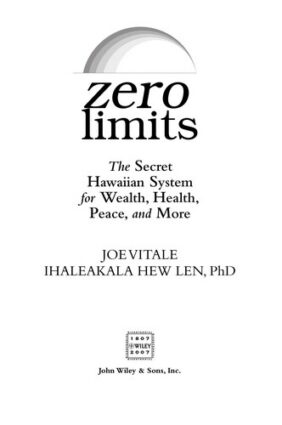
The book that brought the four phrases to the world, with the hospital story, the idea of the zero state and 100 percent responsibility. Published by Wiley in 2007. His follow-up, At Zero (2013), goes further into the practice. See it on Amazon.
Nānā i ke Kumu (Look to the Source) by Mary Kawena Pukui

The classic two-volume Hawaiian resource on customs and traditions by Pukui and her co-authors, including traditional ho’oponopono. The best place to meet the original practice. See it on Amazon.
Tales from the Night Rainbow by Koko Willis and Pali Jae Lee

A Hawaiian family’s account of Hawaiian traditions and healing, cited in scholarly writing on ho’oponopono, from the voice of a native family. See it on Amazon.
Radical Forgiveness by Colin Tipping
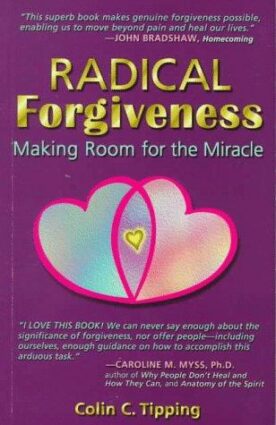
A practical, step-by-step approach to releasing grievances that complements the cleaning side of ho’oponopono. See it on Amazon.
The Book of Forgiving by Desmond Tutu and Mpho Tutu
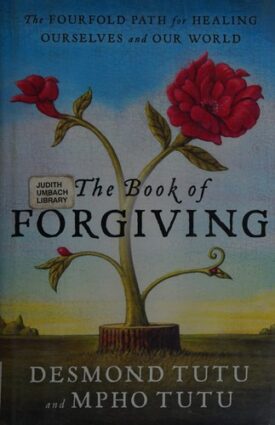
A fourfold path of telling the story, naming the hurt, granting forgiveness and renewing or releasing the relationship, from two writers who saw forgiveness at work in the world’s hardest places. See it on Amazon.
Forgive for Good by Fred Luskin
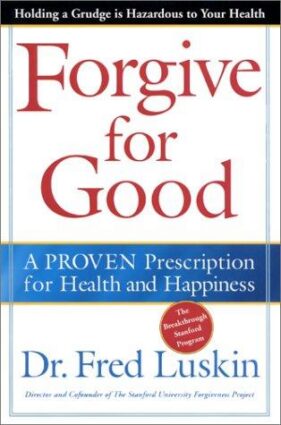
A research-informed program for letting go of grudges, from the Stanford Forgiveness Projects. A strong grounded companion to any spiritual forgiveness practice. See it on Amazon.
For more reading across traditions, see our list of best books for spiritual awakening.
More Conversations to Explore
- Joe Vitale. His story and the practice in Transform Your Life with Ho’oponopono, and the shadow side of manifestation in The Dark Side of the Law of Attraction.
- Jonathan Hammond. A Hawaiian shamanic perspective on healing relationships in his Next Level Soul conversation.
- Dr. Bradley Nelson. Releasing old emotional baggage in How to Release Toxic Emotions.

Keep the practice going
Explore more guidance, teachers and courses in the Next Level Soul community.
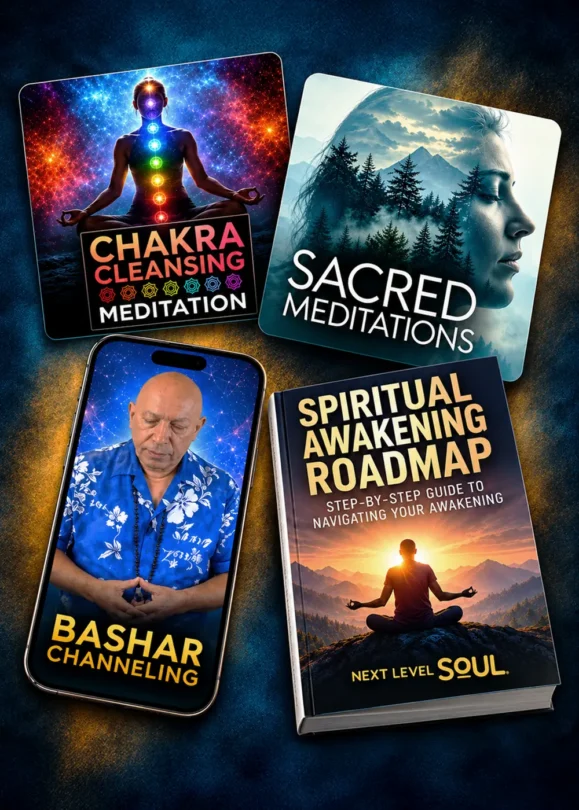
A Free Gift
After the cleaning, find your inner calm.
Reading about ho’oponopono is one thing. Settling into your own inner stillness is another. The free Sacred Awakening Toolkit is a collection of meditations, teachings and guidance to help you find calm, clarity and balance.
- Exclusive Bashar Channeling (20 Min). An original channeling recorded exclusively for Next Level Soul, with direct insights from one of the most influential channeled teachings of our time.
- 5 Sacred Meditations. Calm the mind, open the heart and reconnect with inner presence.
- Bonus: Cosmic Chakra Meditation (30 Min). Align and activate your energy centers.
- Spiritual Awakening Roadmap PDF. A clear, grounded guide to the awakening process.
Free. Unsubscribe anytime. Your email is safe with us.
Frequently Asked Questions About Ho’oponopono
What is ho’oponopono?
Ho’oponopono is a Hawaiian practice of reconciliation and forgiveness. Traditionally it is a family gathering led by an elder to make relationships right. In its modern form it is a silent inner practice built on four phrases: I’m sorry, please forgive me, thank you, I love you.
How do you pronounce ho’oponopono?
It is pronounced roughly ho-oh-poh-noh-poh-noh. The apostrophe stands for the Hawaiian glottal stop, called the okina, and in Hawaiian it is written Hoʻoponopono.
What does ho’oponopono mean?
The word means to make right, to put in order or to correct. It is built from the particle hoʻo, which makes a verb, and pono, which means goodness, balance and the right way.
What are the four phrases of ho’oponopono?
The four phrases are I’m sorry, please forgive me, thank you and I love you. Teachers present them in different orders, and they are usually repeated silently.
Does the order of the four phrases matter?
Teachers give the phrases in different orders, and in our conversation Joe Vitale gave them as I love you, I’m sorry, please forgive me, thank you. Use the order that feels natural to you and say each one with real feeling.
How do you do ho’oponopono step by step?
Settle with a few slow breaths, name the person or feeling you want to clean, notice it in your body, set a simple intention, then silently repeat the four phrases. Rest in silence afterward and close with thanks.
How long should I practice each day?
A round can take as little as one minute. Many people practice for a few minutes in the morning, say the phrases whenever they feel triggered, and take a longer session once a week.
Who created modern ho’oponopono?
Morrnah Simeona, a Hawaiian healer recognized as a kahuna lapaʻau, began adapting the traditional family process into a self-help practice in 1976. Her student Dr. Ihaleakala Hew Len later taught the four-phrase approach that Joe Vitale made famous in Zero Limits.
Who is Dr. Ihaleakala Hew Len?
Dr. Hew Len is a psychologist who studied with Morrnah Simeona beginning in 1982 and taught with her around the world. He co-authored Zero Limits with Joe Vitale in 2007 and made no claim to be a kahuna.
What is Zero Limits about?
Zero Limits: The Secret Hawaiian System for Wealth, Health, Peace, and More, was written by Joe Vitale with Dr. Hew Len and published by Wiley in 2007. It presents the four phrases as a way to clean the memories and beliefs that limit you, with the aim of reaching a state called zero.
What is the Hawaii State Hospital story?
In the story told by Joe Vitale, Dr. Hew Len worked at a Hawaii State Hospital unit for patients described as criminally insane and healed it by working on himself rather than treating the patients. We could not find independent records establishing the details, so we share it as the story that introduced the practice.
What is the difference between traditional and modern ho’oponopono?
Traditional ho’oponopono is a group process in which a family prays, talks honestly, confesses, forgives and releases together. Modern ho’oponopono is a private practice, often a silent four-phrase mantra, aimed at cleaning your own memories and beliefs.
Can ho’oponopono heal a relationship if the other person does not know about it?
The modern practice happens inside you, so it does not need the other person’s participation. It can soften your own reactions and help you respond with more steadiness, but it cannot control what the other person does.
Can ho’oponopono help with grief?
Many people use the four phrases to say what was left unsaid, to ask for forgiveness and to give thanks for the one they lost. It can be a gentle companion to grief, but it does not replace counseling or support. If you are struggling, please reach out to a licensed professional or a crisis line.
Can ho’oponopono help with money?
Joe Vitale and others teach it as a way to clean fear, shame and old beliefs about money. We offer it as a practice for your inner state, not a guarantee of any financial result, and it does not replace budgeting or professional financial advice.
Is ho’oponopono a religion?
It is a practice, not a religion. The traditional form is rooted in Hawaiian spirituality and prayer, and Morrnah Simeona’s version drew on Christian and other influences. People of many beliefs use the modern version.
Is it appropriate for non-Hawaiians to practice ho’oponopono?
Many people do, and the modern version was shared widely by Hawaiian and non-Hawaiian teachers. The respectful approach is to name the lineage, to learn about the traditional Hawaiian practice, and to avoid claiming that the modern method is the same as the old family process.
Is there evidence that ho’oponopono works?
The traditional family process has a long cultural record and is still used in Hawaiʻi. We are not aware of controlled studies of the modern four-phrase practice, though research on forgiveness in general suggests it can be learned and can ease stress. Many people report feeling calmer and kinder after practicing.
Should I say the phrases aloud or silently?
Most modern teachers describe the phrases as silent, and Joe Vitale describes saying them silently to the divine. You can say them aloud if that helps you stay with them, as long as you say them sincerely.
Sources and Further Reading
Hoʻoponopono (Wikipedia) · Morrnah Simeona (Wikipedia) · Mary Kawena Pukui (Wikipedia) · Restorative justice (Wikipedia) · Cultural appropriation (Wikipedia)