
The Science of Psychic Healing is Yogi Ramacharaka’s 1906 guide to the main forms of psychic healing, from pranic energy and breathing to suggestion, mental healing and spiritual healing. The author explains the ideas behind each method and offers practices to go with them. This study guide walks through all 21 chapters in plain language, then hands you a workbook to try the ideas on your own life.

Listen While You Study
The audiobook is available on Next Level Soul TV. Play a chapter, then come back here for the notes and the workbook prompt.
Key Takeaways
- The book maps the whole field. Ramacharaka sorts psychic healing into several methods and teaches each one in turn.
- Breath is the doorway. The pranic chapters teach rhythmic breathing as a way to gather vital energy and steady the mind.
- Mind and body are partners. The author says the instinctive mind runs the body and responds to clear, calm suggestion.
- Words and thoughts matter. Several chapters show how wording, tone and focused thought shape the way we feel.
- Use it alongside real care. These are traditional teachings, so keep qualified medical advice in your plan.
The Book at a Glance
| Detail | What to Know |
|---|---|
| Author | Yogi Ramacharaka, a pen name linked to William Walker Atkinson |
| First published | 1906, Yogi Publication Society, Chicago |
| Chapters | 21 |
| Tradition | Yogic philosophy and early twentieth-century mental healing |
| Audiobook | Available on Next Level Soul TV |
What Is The Science of Psychic Healing About?
The Science of Psychic Healing is a practical overview of the ways people have tried to help the body heal through energy, thought and spirit. The author starts with the body and the mind that runs it, then moves through several methods, one at a time, explaining the principle behind each before describing how to practice it.
Throughout, the author teaches in a clear, teacherly voice and keeps the focus on method and attitude. Today it reads as an early twentieth-century window into how Yogic ideas and mental healing met. Treat it as a spiritual and historical teaching, and keep qualified medical care in your own plan.
The Board: 21 Chapters
Each square is a chapter. Tap one to jump to its study notes.
- 1The Purpose
- 2Body Laws
- 3Instinctive Mind
- 4Cell Mind
- 5Three Forms
- 6Pranic Principles
- 7Pranic Practice
- 8Pranic Breathing
- 9Pranic Treatments
- 10Self Treatment
- 11Thought-Force
- 12Suggestion
- 13Suggestion Practice
- 14Suggestive Treatments
- 15Self-Suggestion
- 16Mental Healing
- 17Mental Methods
- 18Metaphysical
- 19Spiritual Healing
- 20Spiritual Practice
- 21Concluding Advice
Chapter-by-Chapter Study Notes
These notes are our own summary, written to help you follow the book. Each one ends with a small practice you can try this week.
The Purpose of the Book
The opening chapter explains what the author hopes to do. He says he wants to lay out the main forms of psychic healing in one place, so readers can see how they differ and what they share. He presents the book as a practical guide that explains principles first and methods second. He asks the reader to come with an open but thoughtful mind, and to test the ideas against personal experience.
Natural Laws of the Body
Here the author describes the body as an organism with its own natural tendency toward health. He says healing is first of all a natural process, and that the healer’s role is to support it rather than replace it. The chapter lays the groundwork for everything that follows, because each method in the book is presented as a way of working with the body’s own healing intelligence.
The Instinctive Mind
The author introduces what he calls the instinctive mind, the part of us that runs the body’s functions without conscious effort. He says this mind handles breathing, digestion and repair, and that it responds to instruction and suggestion. This idea becomes the key to the rest of the book, since several healing methods are explained as ways of speaking to that deeper level of mind.
Mind in Cells, and Cell Communities
This chapter extends the idea of mind down to the level of the cell. The author says each cell shows a kind of intelligence, and that groups of cells form communities that cooperate as organs. He uses this picture to explain how a thought or a mental image could influence the body. Read it as the author’s model of the body, not as settled science.
The Three Forms of Psychic Healing
The author divides the field of psychic healing into broad forms and says each works in its own way. This chapter is a map of the territory ahead. He explains that understanding each form helps the reader see what each one offers, and what the person and the situation may call for. The rest of the book follows the plan set out here, one form at a time.
The Principles of Pranic Healing
Here the author introduces prana, the Yogic term for the vital energy that animates living things. He says this energy can be gathered, directed and shared, and that the healer works by passing it to the person in need. The chapter explains the principles behind pranic healing and ties it to the Yogic teachings found in the author’s other books.
The Practice of Pranic Healing
This chapter turns the principles into practice. The author describes how the healer prepares, what attitude to hold, and how the energy is directed to the person being helped. He stresses calm, steady attention and care for both healer and patient. Treat it as the author’s description of a traditional approach, and use common sense and medical advice alongside it.
Pranic Breathing
Breath is the bridge to prana in this tradition, and this chapter focuses on it. The author describes rhythmic breathing as a way to gather vital energy and steady the mind before healing work. He ties the practice to the breathing exercises taught in the Yogi books. The lesson is simple: the quality of your breath shapes the quality of your attention.
Pranic Treatments
Here the author gives his methods for treating another person with prana. He describes treating the whole body as well as specific areas, using the hands and focused attention. The chapter reads like a manual, with clear stages to follow. As always, the book presents these as traditional practices, and a reader with a health concern should seek qualified medical care first.
Auto-Pranic Treatments
Auto-pranic means self-treatment, and this chapter shows how to apply the same ideas to yourself. The author describes directing energy to a part of your own body while holding a calm, confident attitude. The emphasis is on regular, gentle practice rather than effort or force. It makes the earlier chapters usable on your own, without needing anyone else.
Thought-Force Healing
The book now moves from energy to thought. The author says thought is a real force that can be sent out and directed, and that a healer can use focused thought to help another person. He describes the mental attitude the practice requires, including steady attention and an expectation of good. This chapter is the bridge into the mental methods that follow.
Suggestive Healing
Suggestion is the next method. The author explains that the instinctive mind accepts clear suggestions, and that words and mental pictures can guide it toward health. He discusses why suggestion works as a tool of influence and notes that it should be used with respect and good intent. The chapter sets the principles that the next three chapters turn into practice.
Practice of Suggestive Healing
Here the author describes how suggestion is applied in practice. He covers the manner of the healer, the way suggestions are phrased, and the importance of a calm, confident tone. He stresses that the best suggestions are positive, simple and direct. For a modern reader, the useful takeaway is how much wording and tone shape the way a message is received.
Suggestive Treatments
This chapter gives examples of suggestive treatments, showing how the principles are put into words and actions for different situations. The author offers sample approaches and explains the thinking behind them. It works like a set of worked examples. Read it to see how he moves from a general idea to a specific, caring way of speaking to a person who needs help.
Self-Suggestion
Self-suggestion is the practice of giving suggestions to yourself. The author says the same instinctive mind that responds to a healer also responds to you, and that regular, quiet repetition builds the effect. He describes the best times and states of mind for the practice. The chapter shows how daily mental habits can shape how we feel and act.
Mental Healing
Mental healing is presented as a further step, in which the healer works through thought and understanding. The author explains how the healer’s own mental state, including confidence and clarity, plays a central role. He describes how this approach differs from the earlier ones. The chapter invites you to see the mind as an active partner in wellbeing, not a bystander.
Mental Healing Methods
This chapter lists and explains the methods used in mental healing. The author describes the steps, the mental attitude to hold, and ways to deal with doubt. He keeps the language practical and gives the reader something to try. Read the methods as the author’s teaching, and keep qualified medical care in your own plan.
Metaphysical Healing
The author turns to metaphysical healing, which rests on beliefs about the nature of reality and the self. He describes the idea that our true nature is spirit, and that seeing this clearly changes how a person relates to illness. Read it as a statement of a philosophy, and decide for yourself how much of it speaks to you.
Spiritual Healing
In this chapter the author presents spiritual healing as a distinct form. He says it draws on a connection with the divine and on a deep inner faith. He explains the difference between simply wishing and truly opening yourself to a higher source. The tone becomes more devotional here, and the chapter asks what your own spiritual practice offers when you or someone you love needs support.
Practice of Spiritual Healing
This chapter describes how spiritual healing is carried out. The author explains the attitude of the healer, the role of inner communion, and the importance of trust. He keeps the instructions simple and sincere. For a modern reader the chapter is a reminder that quiet, heartfelt attention, such as meditation or prayer, has long been part of how people care for the sick.
Concluding Advice
The final chapter closes the book with advice for the reader. The author reviews the main ideas, encourages practice, and offers cautions for anyone who wants to use these methods. It works as a short wrap-up that pulls the forms together. Take it as a prompt to decide what you will actually try, and to keep common sense and medical advice in the picture.
Key Ideas in Plain Language
| Idea | What It Means | Chapter |
|---|---|---|
| Prana | The vital energy that animates living things, in Yogic teaching. | 6 to 10 |
| Instinctive mind | The part of mind that runs the body without conscious effort. | 3, 4 |
| Cell intelligence | The author’s picture of cells as small, cooperating minds. | 4 |
| Pranic breathing | Rhythmic breathing used to gather energy and steady the mind. | 8 |
| Self-treatment | Using the same methods on yourself with calm attention. | 10, 15 |
| Thought-force | Focused thought treated as a real, directable force. | 11 |
| Suggestion | Clear, positive words and images offered to the mind. | 12 to 15 |
| Mental healing | Healing through the healer’s own clear and confident mind. | 16, 17 |
| Spiritual healing | Healing through faith and a sense of connection to the divine. | 19, 20 |
Who This Book Is For
This book suits readers who are curious about the history of energy and mind-based healing, and about how Yogic ideas entered early twentieth-century Western thought. It is also useful if you already practice breathwork, meditation or affirmations and want to see an older, structured take on them. Come as a student of ideas, not as a patient looking for a cure.
A 21-Day Way to Use It
- Days 1 to 7: read chapters 1 to 7, one a day, and do each Try it practice.
- Days 8 to 14: read chapters 8 to 14 and fill in the workbook as you go.
- Days 15 to 21: read chapters 15 to 21 and note which method felt most natural.
- On day 22, reread your workbook answers and choose one practice to keep.
Your Workbook
Your answers save on this device as you type. They are not sent anywhere. Use the copy button to move them into your own notes.
Watch More on Next Level Soul TV
Next Level Soul TV brings together full episodes, courses, movies, series and audiobooks, ad-free. Join Next Level Soul TV and keep exploring.
Keep Going
- Energy Healing: Practices, History and What the Research Says
- The Human Aura: Study Guide and Workbook
- Raja Yoga or Mental Development: Study Guide and Workbook
- Chakras: The Complete Guide to the 7 Energy Centers
Sources and Further Reading
Go Deeper with NLS Mastery: Raising Your Frequency
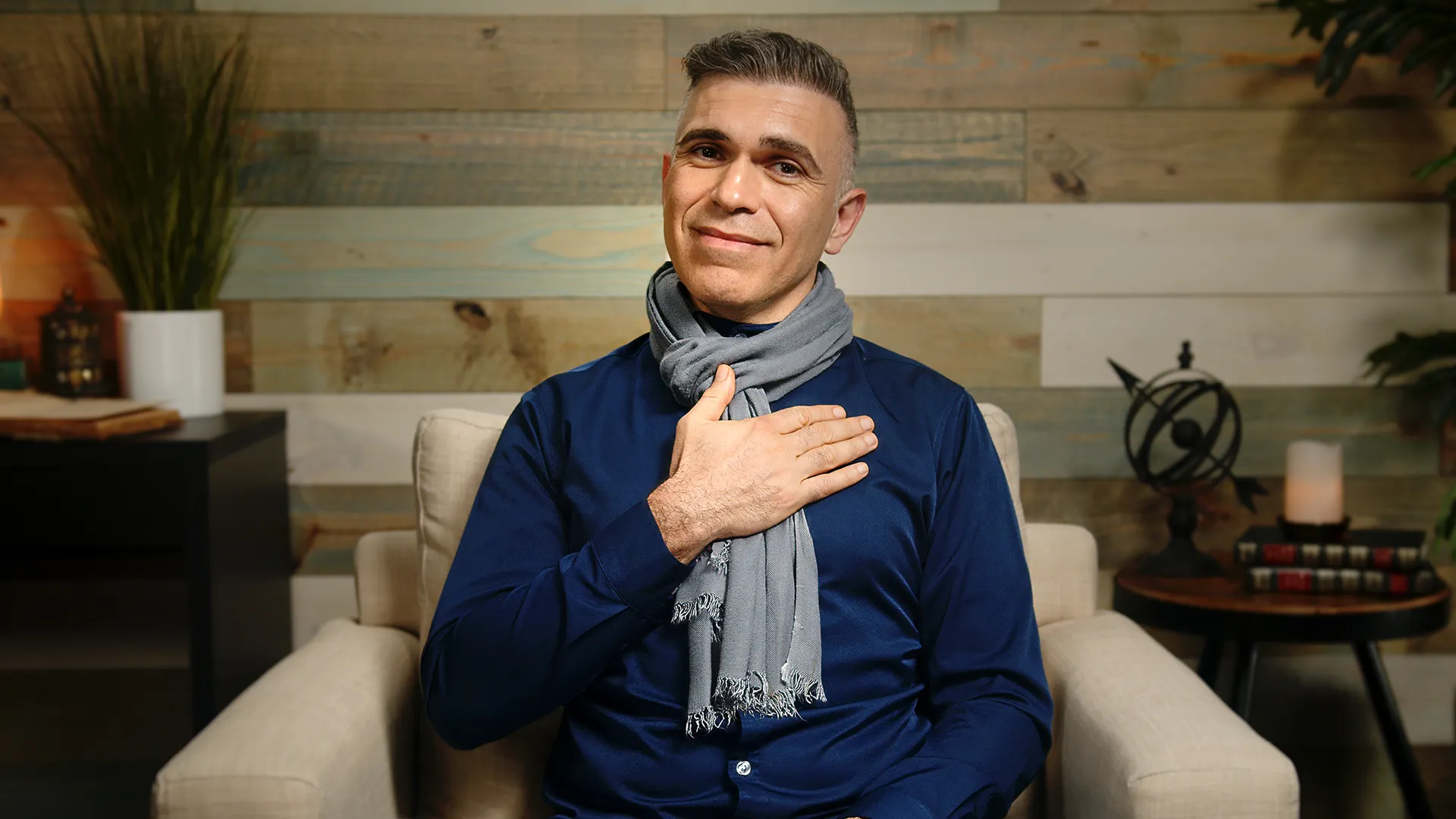
Ramacharaka teaches that vital energy can be gathered and directed, and that thought and attention shape how we feel. If you want to take that idea further, Asil Toksal teaches it in Raising Your Frequency, part of NLS Mastery. Watch the course preview below.
Frequently Asked Questions
What is The Science of Psychic Healing about?
It is a practical overview of several methods people have used to support healing through energy, thought and spirit. The author explains the principle behind each method, then describes how to practice it.
Who wrote The Science of Psychic Healing and when?
It was published under the pen name Yogi Ramacharaka. Wikipedia describes William Walker Atkinson as the presumed author of the Ramacharaka books. It first appeared in 1906 from the Yogi Publication Society in Chicago.
What kind of book is it?
It is an esoteric classic from the early twentieth century that blends Yogic philosophy with the mental healing ideas of its era. It is best read as a spiritual and historical teaching.
How many chapters are in the book and what do they cover?
There are 21 chapters. They begin with the purpose of the book, the body and the instinctive mind, then cover pranic, thought-force, suggestive, mental, metaphysical and spiritual healing, and end with concluding advice.
What is pranic healing in this book?
Pranic healing is the author’s name for passing prana, the Yogic term for vital energy, from healer to person. Chapters 6 to 10 cover its principles, breathing, treatments and self-treatment.
What does the book mean by the instinctive mind?
The author uses the term for the part of mind that runs bodily functions without conscious effort. He says it accepts clear suggestions, which is why it becomes central to several healing methods.
What is suggestive healing?
It is the use of calm, positive words and mental pictures to guide the mind toward health. Chapters 12 to 15 explain the principles, give practical examples and teach self-suggestion.
How should a beginner read this book?
Read one chapter a day and try the small practice that goes with it. Start with the first five chapters, which set up the ideas, then pick the methods that feel most natural.
Is The Science of Psychic Healing hard to read?
The ideas are explained clearly, but the language is from 1906, so some words and phrases feel dated. Reading a chapter at a time, with this guide beside you, makes it easy to follow.
How does this study guide and workbook help?
It gives you a plain-language summary of every chapter, a small practice for each, a table of key ideas and a workbook that saves your answers on your device. It is our own summary, not a replacement for the book.
Where can I listen to the audiobook?
The audiobook is available on Next Level Soul TV. Play a chapter, then return to this page for the notes and the workbook prompt.
What should I read or listen to next?
If you enjoy the breathing and energy chapters, try other Ramacharaka titles on yogic breath and mental development. If the mind chapters appeal, look for classic works on suggestion and mental habits.
Spirituality for the Rest of Us™
Movies, teachings and community on Next Level Soul TV.