After a near-death experience, many people describe lasting changes: less fear of death, a stronger sense of purpose, heightened sensitivity, shifted relationships and a hard time fitting back into ordinary life. Integration is the slow, personal work of making sense of what happened, finding people who believe you and living what the experience showed you.
Key Takeaways
- Common near death experience after effects include less fear of death, a deeper sense of purpose and changed relationships.
- Experiencers often say the hardest part is being believed and finding words for what happened.
- Integration takes months or years. A supportive circle, journaling and patience matter more than speed.
- Support exists: IANDS sharing groups, trusted friends, spiritual communities and licensed professionals who are open to the experience.
- If you feel hopeless or unsafe, call or text 988 in the United States right away.
In This Guide
- What Are the Aftereffects of a Near-Death Experience?
- The First Days and Weeks After Coming Back
- Losing the Fear of Death
- Integration: Making Sense of What Happened
- Relationships and Being Believed
- Purpose, Service and Starting Over
- Finding Support
- Near-Death Experiences and Spiritual Awakening
- How to Support Someone Who Has Had an NDE
- When to Talk to a Professional
- Listen, Watch and Practice on Next Level Soul
- Episodes to Watch Next
- Frequently Asked Questions
What Are the Aftereffects of a Near-Death Experience?
A near-death experience (NDE) is a profound experience reported by some people who come close to death or are clinically dead. If you want the full picture of what people describe, start with our complete guide to near-death experiences. This guide picks up where that one ends: what happens after.
The aftereffects are the changes people describe in the weeks, months and years that follow. Experiencers, and the researchers who study them, commonly point to the same themes:
- Less fear of death. Many say death no longer feels like an ending.
- A stronger sense of purpose. A feeling of having been sent back to do something, often something loving or useful.
- Greater sensitivity. To light, sound, crowds, emotions and sometimes to the unseen.
- Changed values. Less interest in status or possessions, more interest in kindness and honesty.
- Difficulty readjusting. Ordinary life can feel flat, loud or strange after what they describe.
- Changed relationships. Some bonds deepen, others strain or end.
Not every experiencer reports all of these, and none of them is a requirement. Think of the list as a map of what is common, not a rulebook for what you should feel.
Physician Dr. Yvonne Kason, who describes five near-death experiences, says her experiences were real and positively transforming rather than a sign of mental illness, and that she lost her fear of death afterward. Hear her tell it in her own words:

Plane Crash and Afterlife Experience with Dr. Yvonne Kason with Dr. Yvonne Kason. Physician Dr. Yvonne Kason shares how a lifetime of spiritually transformative experiences, including five near-death experiences, led her to speak up for others who have had them.
The First Days and Weeks After Coming Back
The first weeks are often a mix of wonder, confusion and tiredness. Many experiencers say they are physically recovering while also trying to hold an experience that does not fit into ordinary language. Some describe an afterglow. Lee Papa, who says her spirit lifted out of her body when she became very ill, describes a glow that stayed with her for two weeks and what it taught her about love.
Practical things that experiencers and their supporters often find helpful in this window:
- Rest and go slowly. You do not have to decide what it all means this week.
- Write it down. Details can fade. A private note, voice memo or journal keeps them safe.
- Choose one safe person. Tell one listener you trust before you tell everyone.
- Keep your medical care. Follow your doctors’ advice and share any lingering physical symptoms.
- Be gentle with your reactions. Crying, laughing, silence and restlessness are all common.

She Died and Was Given a Choice: Leave Your Son or Return with Lee Papa with Lee Papa. Lee describes a lightning-white light, two familiar beings, a review of her closest relationships and the promise she made to stay.
Losing the Fear of Death
One of the most repeated aftereffects is the loss of the fear of death. Dianne Sherman says she left her body during knee surgery in 1981, felt no connection to the body being worked on and, after the experience, no longer fears death. Dr. Kason says the same after her experiences. These are personal accounts, and Next Level Soul shares them as such.
Experiencers often say that this changes how they live. With less fear in the background, some become bolder, kinder or more willing to say what they mean. Others describe a quiet grief for the place they left, which is a normal part of the return. You may find our glossary entries on the afterlife, consciousness and life review helpful for language to hold it with.
Integration: Making Sense of What Happened
Integration is not about explaining the experience away or turning it into a belief system overnight. It is about letting it become part of your life. Experiencers describe a handful of practices that help:
Journal without editing
Write the experience, then write what it changed. Return to it months later and notice what has settled and what still stings.
Keep a daily rhythm
Meals, sleep, sunlight and time outdoors help a sensitive nervous system settle. Small routines make big changes easier to carry.
Try quiet practice
Some experiencers find that meditation gives them a gentle way back to the feeling of peace they remember. Our guided meditations are a good place to start, and Ho’oponopono is a simple forgiveness practice if old hurts surface.
Express it creatively
Painting, music, writing and movement can say what words cannot.
Let the lessons become small actions
Kimberly Clark Sharp, who describes meeting a light she calls God after collapsing in 1970, says her simple advice on purpose is to breathe first, then be nice to everybody. You do not need a grand mission. Small, kind actions are a real way to live what you saw.

What Dying Taught Me About Love, God, and the Meaning of Life with Kimberly Clark Sharp with Kimberly Clark Sharp. Kimberly describes a 1970 collapse, a light she calls God and how being sent back to serve shaped the rest of her life.

Relationships and Being Believed
Many experiencers say the hardest part is not the experience itself but the reaction to it. Some friends listen with wonder. Others change the subject, offer a medical explanation or quietly stop calling. Experiencers often keep the story private for years for this reason.
A few things can help:
- Share in small doses. You can say a little and see how it is received.
- Do not require agreement. People can love you without sharing your interpretation.
- Tell your partner what you need. Honesty, time and patience may matter more than explanations.
- Find people who have been there. Other experiencers often understand without being told.
It is also normal for your own priorities to change. Some experiencers say they outgrow certain friendships or work, and some feel pulled toward more honest conversation. Change can feel like loss before it feels like freedom, so move at a pace you can live with.
Purpose, Service and Starting Over
Many experiencers describe returning with a sense that they were sent back for a reason. Kimberly says she begged to stay, was shown glimpses of the life she would live if she returned and agreed to go back and serve. Dr. Kason says she spoke up for others who have had spiritually transformative experiences and urges people never to give up hope.
For some, purpose arrives as a clear task. For many, it arrives as a direction: more compassion, more honesty, more time with the people they love. Hal Elrod, who says his heart stopped for six minutes after a head-on crash, describes deciding in the hospital to be the happiest, most grateful person in a wheelchair if that became his life. He later faced a rare, aggressive cancer and a six-month stretch of depression, and talks about how he chooses to meet unchangeable realities.

The Mindset That Helped Him Survive Death, Cancer and Depression with Hal Elrod with Hal Elrod. Hal tells Alex what happened on the road, in the hospital and years later, and how a person decides to meet an unchangeable reality.
If purpose feels unclear, that is also common. Try asking smaller questions: What felt loving today? What would I like to do more of? Who would I like to call? Purpose often reveals itself through action, not before it.
Finding Support
You do not have to integrate alone. Places experiencers often look for support include:
- Experiencer sharing groups. The International Association for Near-Death Studies (IANDS) lists local and online groups where people can share without being judged.
- Trusted friends and family. One or two safe listeners can make a big difference.
- Spiritual communities and teachers. Meditation circles, faith communities and mentors who respect the experience.
- Licensed professionals. Counselors and therapists, ideally open to spiritual experiences, can help with anxiety, grief or relationship strain.
- Stories from other experiencers. Hearing someone else describe what you felt can be a relief. The Divine Encounters episodes of the Next Level Soul Podcast are a good place to start.
Near-Death Experiences and Spiritual Awakening
Many experiencers describe what looks like a spiritual awakening after the event: heightened intuition, a feeling of oneness, new interests and a changed sense of self. Our guide to the stages of a spiritual awakening can help you recognize the pattern, and our overview of spiritual awakening and how to integrate it covers practical grounding.
Some experiencers also describe sensations such as heat, tingling or surges of energy. If that sounds like you, see our guide to kundalini awakening symptoms and when to get help. Others describe a period of upheaval that matches the dark night of the soul, or a loosening of the sense of self described in the ego death entry. These are not diagnoses. They are names other seekers have used for similar territory.
How to Support Someone Who Has Had an NDE
If someone you love has come back from a near-death experience, you may feel unsure what to say. These suggestions come from what experiencers commonly ask for:
- Listen first. Let them tell it in their own words and at their own pace.
- Do not argue about what it was. You can believe that they had the experience without deciding what caused it.
- Ask open questions. What was that like? What has changed for you?
- Expect change. They may want different things, and that is not a rejection of you.
- Keep the ordinary going. Meals, humor and normal routines are comforting.
- Offer to help find support. A group or a good book can mean a lot.
When to Talk to a Professional
Talk with a licensed professional if you feel overwhelmed, cannot sleep for long stretches, feel hopeless, have intrusive memories or find it hard to function. Seeking help does not mean the experience was not real. It means you deserve support while you adjust.
If you are thinking about harming yourself, or you feel unsafe, call or text 988 in the United States to reach the 988 Suicide and Crisis Lifeline, or contact your local emergency number. This guide is for general information and is not medical advice.
Listen, Watch and Practice on Next Level Soul
Listening can be gentler than reading in the early months. These NLS TV audiobooks look at life, death and what comes after, and are included with a Next Level Soul TV membership.
Audiobooks on Life, Death and What Comes After
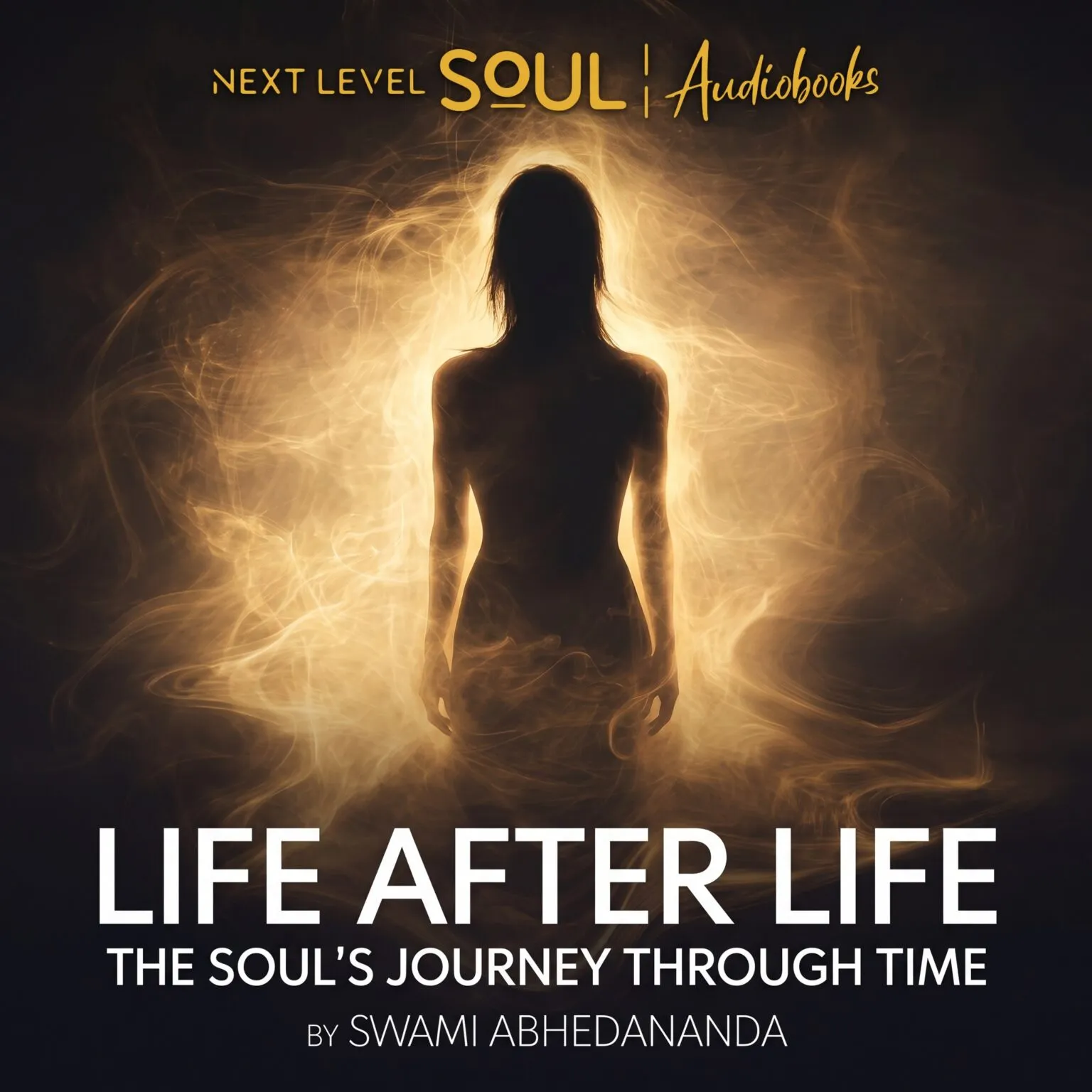
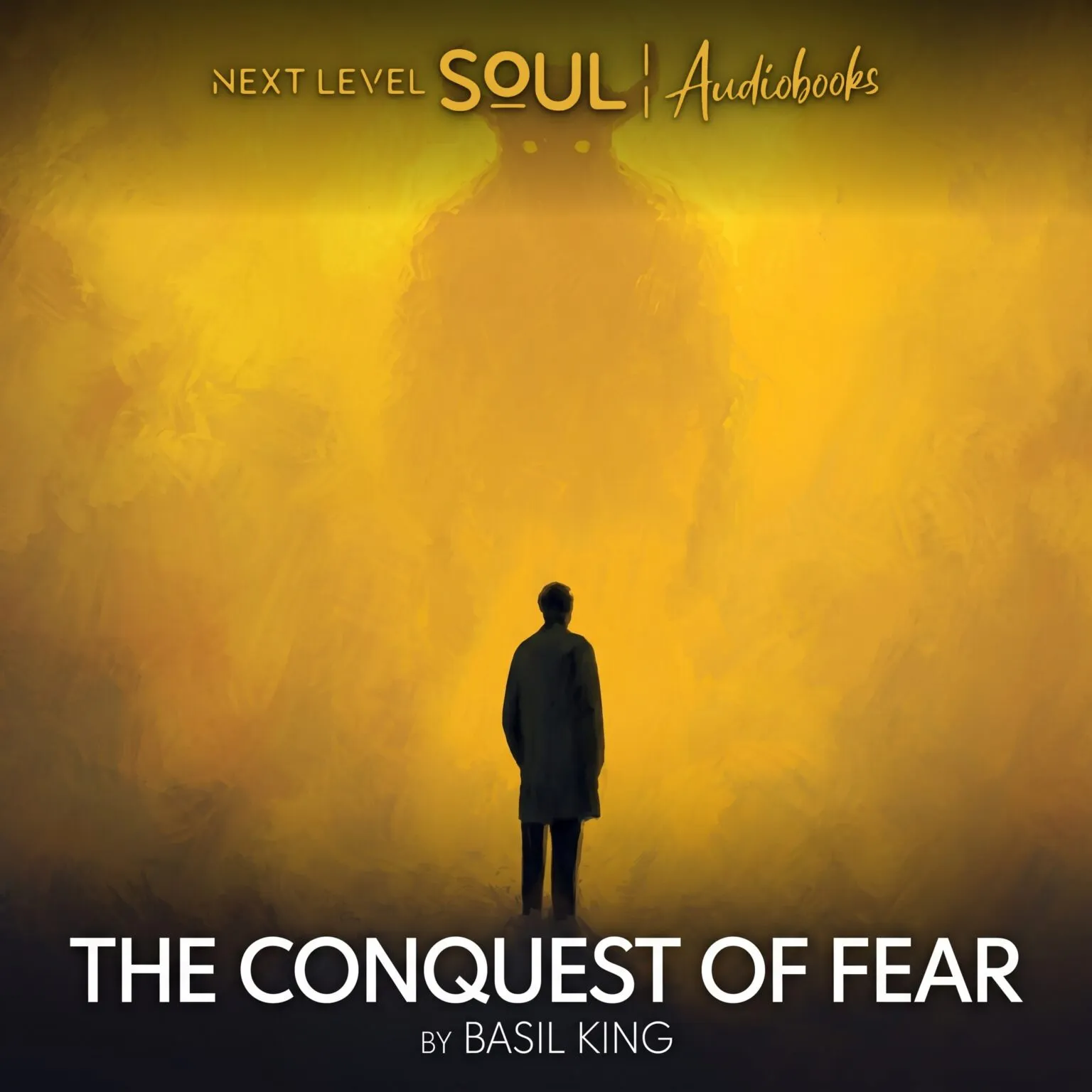

For quiet, guided practice, explore the NLS guided meditations and the audio courses, including Soul Rising. You can also browse the full audiobook catalog.
Episodes to Watch Next
More Next Level Soul conversations with near-death experiencers about what changed afterward.


Sources and Further Reading
Near-Death Experience Documentaries on Next Level Soul TV
Frequently Asked Questions
What are the most common near death experience after effects?
Experiencers commonly describe a reduced fear of death, a stronger sense of purpose, heightened sensitivity, changed relationships and a hard time fitting back into ordinary life. Not everyone reports all of these, and the mix is different for each person.
How long do the aftereffects of a near-death experience last?
There is no set timeline. Some people describe the afterglow fading within weeks, as Lee Papa says her glow did, while the deeper changes in values and outlook are often described as lasting for life. Integration usually unfolds over months and years.
What is integration after a near-death experience?
Integration is the gradual process of making sense of the experience and bringing what it showed you into everyday life. It often includes telling the story to safe people, journaling, finding other experiencers and changing how you live, work and relate.
Is it normal to feel lonely or misunderstood after an NDE?
Yes, many experiencers say so. Because the experience is hard to put into words, and some listeners respond with doubt, people often keep it private for years. Meeting other experiencers can ease that isolation considerably.
Why do some people lose their fear of death after a near-death experience?
Experiencers often say the experience felt more real than ordinary life and showed them that consciousness continues. Guests such as Dr. Yvonne Kason and Dianne Sherman say they no longer fear death. This is their own account of what happened to them.
Do relationships change after a near-death experience?
They often do. Experiencers describe wanting more honesty, less small talk and deeper love, and partners and friends sometimes struggle to keep up with the change. Patience, open conversation and sometimes counseling help both sides.
Are there near-death experience support groups?
Yes. The International Association for Near-Death Studies (IANDS) lists experiencer sharing groups, and many communities run their own. Groups give you a place to be believed without having to explain yourself first.
Is a near-death experience the same as a spiritual awakening?
They overlap but are not identical. A near-death experience is a specific event, while a spiritual awakening is a broader, often gradual shift. Many experiencers describe an awakening following the event, and some describe symptoms similar to those in our guide to kundalini awakening.
How can I support a friend or family member who had an NDE?
Listen without correcting or explaining it away, ask open questions, let them set the pace and avoid pushing them to prove or dismiss anything. Believing that they had the experience, whatever its cause, is often the kindest first step.
Should I see a therapist after a near-death experience?
Many experiencers find it helpful to talk with a licensed professional, ideally one who is open to spiritual experiences. Professional support is also wise if you feel overwhelmed, cannot sleep, feel hopeless or struggle to function. This guide is not medical advice.
What if I feel disappointed to be back?
Many experiencers describe grief at leaving a place of overwhelming love, and it can take time to adjust. If these feelings become heavy or you think about harming yourself, call or text 988 in the United States for the Suicide and Crisis Lifeline, or reach your local emergency number.
How can I find other near-death experience stories on Next Level Soul?
Start with our main guide to near-death experiences, then browse the Divine Encounters episodes of the Next Level Soul Podcast, where guests describe what they say happened and how it changed their lives.
Go Deeper with NLS Mastery: Beyond the Veil
A grounded exploration of what lies beyond death and how that understanding changes how we live. Julie Ryan teaches it in Beyond the Veil, part of NLS Mastery. Watch the course preview below.