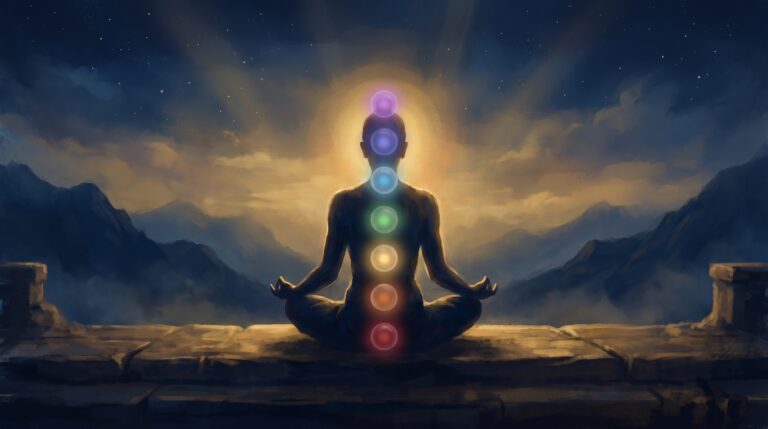
Chakra yoga is a gentle way to practice yoga with the body’s seven energy centers in mind. You move, you breathe, you pay attention. And somewhere in the middle, you notice you feel steadier than when you started.
Maybe you have tried yoga and felt it was all about flexibility. Maybe you have heard the word chakra and wondered if it was for you. It is. This guide gives you plain-language poses for each chakra, simple breath work, a complete 20-minute flow, and real modifications for beginners and for anyone over 50. No special gear. No spiritual résumé. Just a mat (or a chair) and a few quiet minutes.
One note first. Chakra yoga is a spiritual and wellness practice, not medical care. Nothing here treats or cures anything, and we will say where to check with your doctor.
Key Takeaways
- Chakra yoga pairs simple poses with breath and attention, one energy center at a time.
- Each chakra has a matching pose, from Mountain at the root to Savasana at the crown.
- Three breath practices make the flow calmer: three-part breath, alternate nostril and humming breath.
- A full flow takes 20 minutes and works on a mat or in a chair.
- Go gently. Comfort beats depth at every age and every level.
What Is Chakra Yoga?
The word chakra comes from Sanskrit and means wheel. In yoga and tantric traditions, chakras are described as spinning centers of energy along the spine, from the base to the crown of the head. Practitioners say each one is linked with a theme of life: safety, feeling, confidence, love, voice, insight and connection.
Chakra yoga takes that map and turns it into movement. Instead of a random sequence, you give each part of the body a pose and a moment of attention. The aim is simple: to feel balanced, grounded and present.
Two honest points. First, the chakra system is a tradition-based teaching. It is not something science has measured. Second, the familiar rainbow of seven colors is largely a modern Western way of presenting it. You do not need to believe any of it for the poses and the breathing to feel good. Try it. Notice what you notice. That is the whole method.
If you want the full chakra-by-chakra explanations (meanings, themes, history), they live in our complete guide to the chakras. This article stays on the practice itself: what to do with your body and breath. If you would like the sitting version, our chakra meditation guide is the companion piece.
Before You Begin: Setup and Safety
A few small choices make the practice kinder to your body.
- Space. A quiet corner, a mat or a folded blanket, and room to stretch your arms.
- Time. After a light meal or on an empty stomach. Avoid practicing right after eating.
- Props. A cushion, a folded blanket, a yoga block (or a firm stack of books), a strap (or a belt), and a sturdy chair.
- Clothing. Anything that lets you bend and breathe.
Safety matters more than any pose. Please check with your doctor or physical therapist before starting if you are pregnant, have high or low blood pressure, glaucoma, a neck, back, hip or knee injury, osteoporosis, a recent surgery, or any condition that affects balance. Yoga teachers often suggest skipping head-below-heart poses in some of these cases, and your doctor can tell you what applies to you.
The golden rule: stop if something hurts. Stretching can feel intense. Sharp pain, dizziness, numbness or tingling is a signal to ease out of the pose. You are never behind. Nobody is grading you.
Try this: before the first pose, sit for one minute and take five slow breaths. Ask yourself what your body needs today. Then let that answer guide how deep you go.
Chakra Yoga Poses for Each Chakra
Below is one pose for each chakra, from the base of the spine upward. Each has a one-line theme, plain steps, a safety note and an easier option. Hold each pose for 5 to 8 slow breaths unless noted. Think of the theme as a gentle focus, a place to rest your attention, rather than a promise of a result.
1. Root Chakra: Mountain Pose (Tadasana)
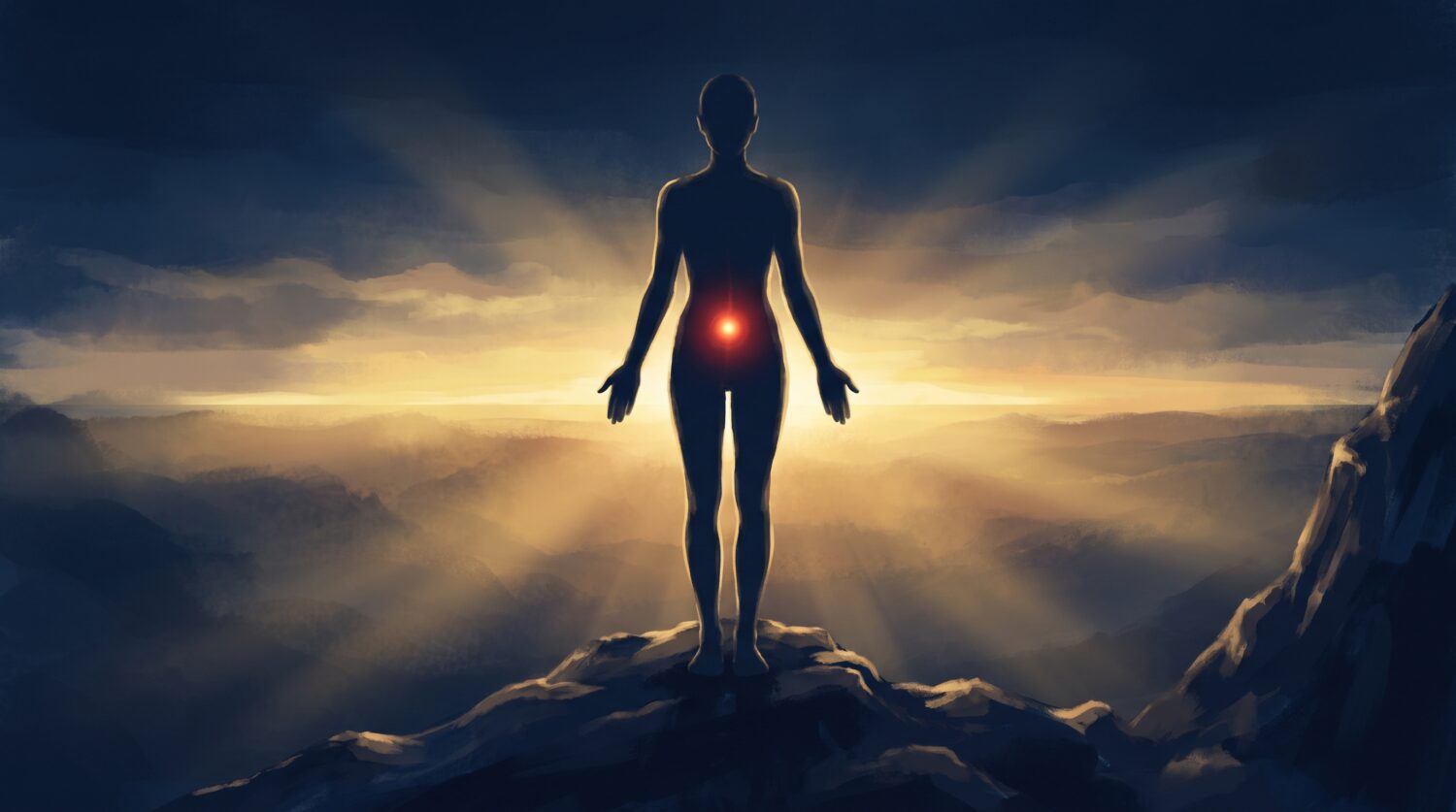
Theme: feeling safe, steady and at home in your body.
- Stand with feet hip-width apart, toes pointing forward.
- Press all four corners of each foot into the floor.
- Soften your knees slightly. Lengthen your spine, relax your shoulders.
- Let your arms hang by your sides, palms facing forward.
- Breathe low and slow, and imagine roots growing from your feet.
Safety: if you feel lightheaded, soften your knees and keep your eyes open on a still point. Stand beside a wall or counter if balance is a concern. Easier option: sit in a chair with both feet flat, and press down through your feet and sit bones.
2. Sacral Chakra: Bound Angle Pose (Baddha Konasana)
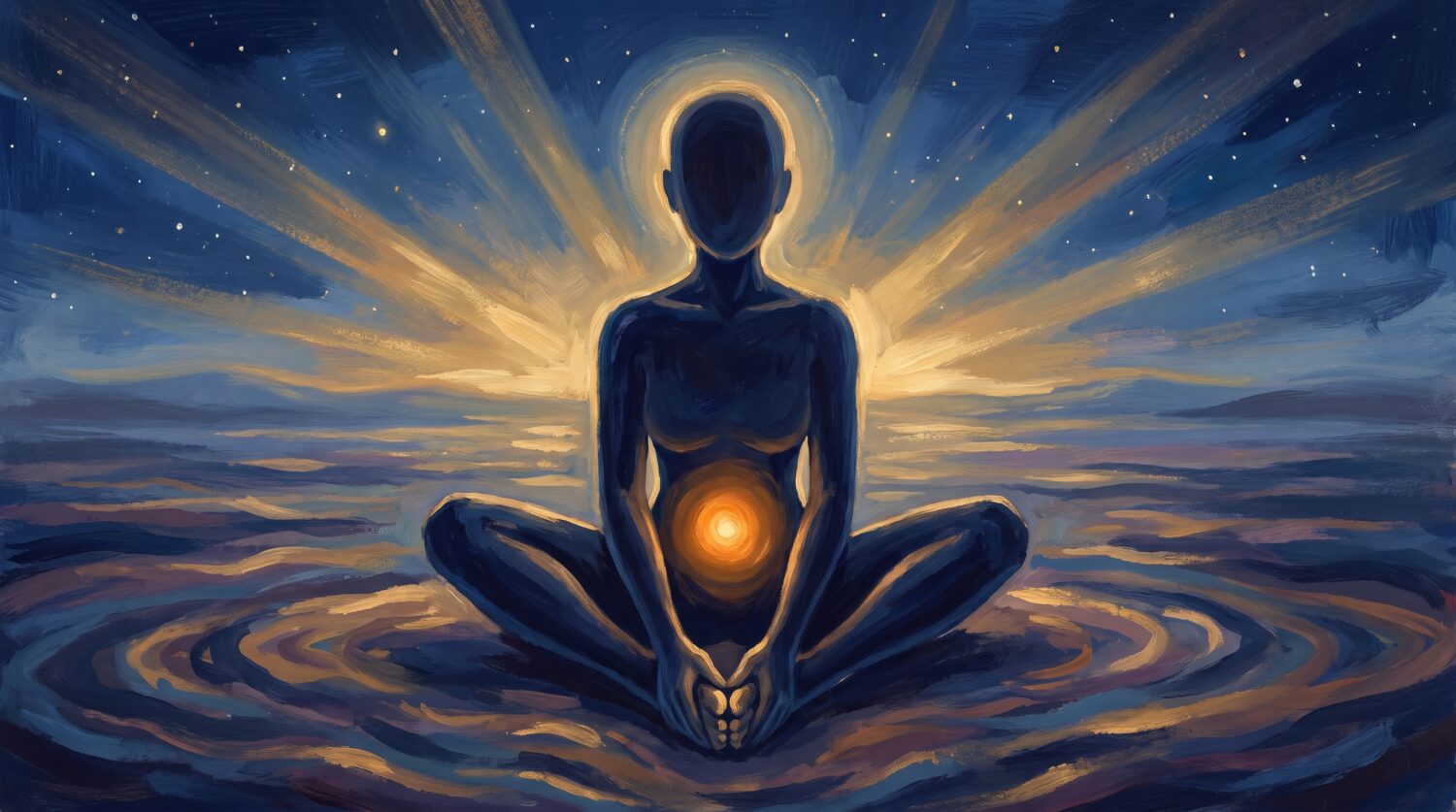
Theme: flow, creativity and comfort with feeling.
- Sit tall on a folded blanket with your legs out in front of you.
- Bend your knees and bring the soles of your feet together.
- Hold your feet or ankles. Let your knees drop to the sides without forcing them.
- Lengthen the spine. Stay upright, or fold forward slightly from the hips.
- Gently rock your pelvis or make slow circles with your hips.
Safety: never press on the knees. If your knees are higher than your hips, sit on a thicker cushion. Skip this pose if you have a groin or knee injury unless your doctor approves. Easier option: place a block or pillow under each knee, or sit on a chair and do slow hip circles.
3. Solar Plexus Chakra: Boat Pose (Navasana)
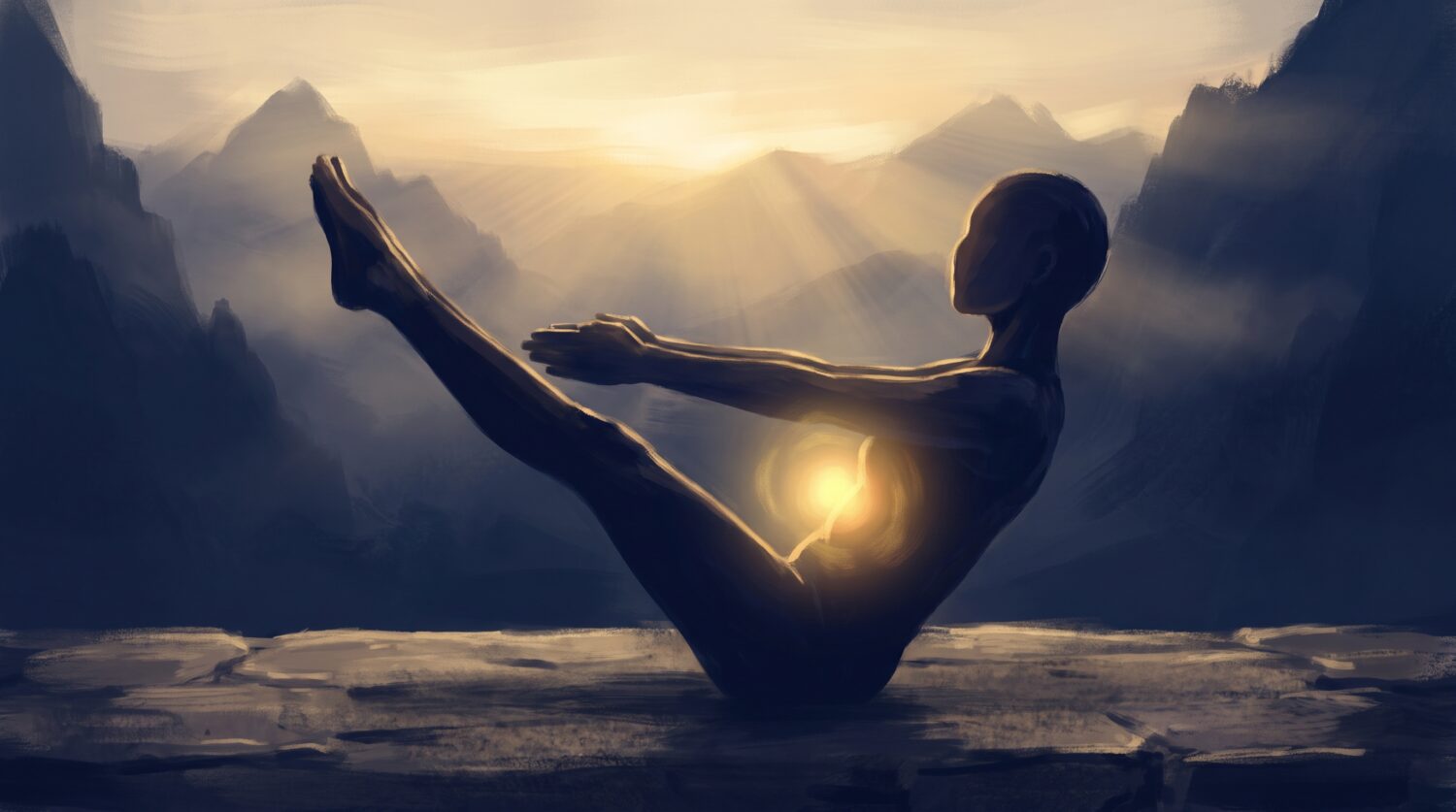
Theme: confidence, will and inner warmth.
- Sit with your knees bent and feet flat on the floor.
- Lean back slightly, keeping your spine long, and lift your feet until your shins are parallel to the floor.
- Reach your arms forward alongside your knees.
- Breathe steadily. Hold for three to five breaths, then lower.
Safety: keep your chest lifted and your lower back from rounding. Skip or modify it with neck, back or abdominal concerns, or during pregnancy. Easier option: keep your feet on the floor and hold the backs of your thighs. Or sit in a chair, lean back a little, and engage your belly for three breaths.
4. Heart Chakra: Cobra Pose (Bhujangasana)

Theme: openness, kindness and connection.
- Lie on your belly with your legs together and the tops of your feet on the floor.
- Place your hands under your shoulders, elbows hugging your sides.
- On an inhale, lift your head and chest slightly. Keep your elbows bent.
- Draw your shoulders back and down. Look straight ahead.
- Exhale and lower slowly.
Safety: use the strength of your back, not a hard push through your hands. Keep your neck long. Skip it with a back injury, and during pregnancy choose a seated heart opener instead. Easier option: Sphinx Pose, resting on your forearms. Or sit tall in a chair, clasp your hands behind you and gently lift your chest.
5. Throat Chakra: Supported Fish Pose (Matsyasana)
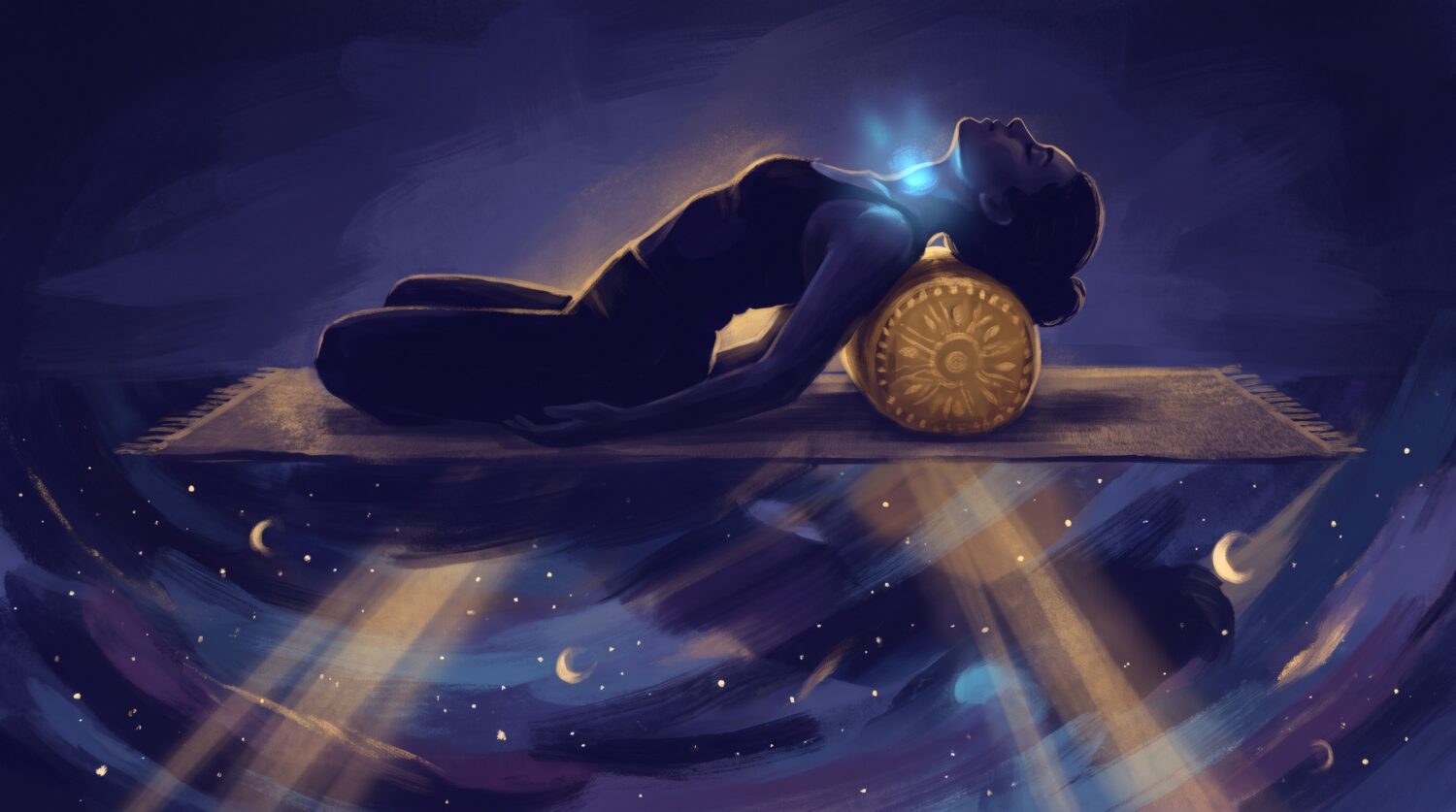
Theme: honest expression and a relaxed throat and neck.
- Place a block or firm pillow lengthwise along your mat, or a rolled blanket behind your shoulder blades.
- Lie back so the support rests under your upper back. Rest your head on the floor or a folded blanket.
- Let your arms open out to the sides with palms up.
- Breathe slowly and let your jaw soften. Stay for one to two minutes.
Safety: keep your chin from lifting away from your chest, and never crank your neck back. If you have neck problems, use a high pillow so your head is well supported, or skip it. Easier option: in a chair, do slow, small neck circles, then hum softly on the exhale.
6. Third Eye Chakra: Child’s Pose (Balasana)
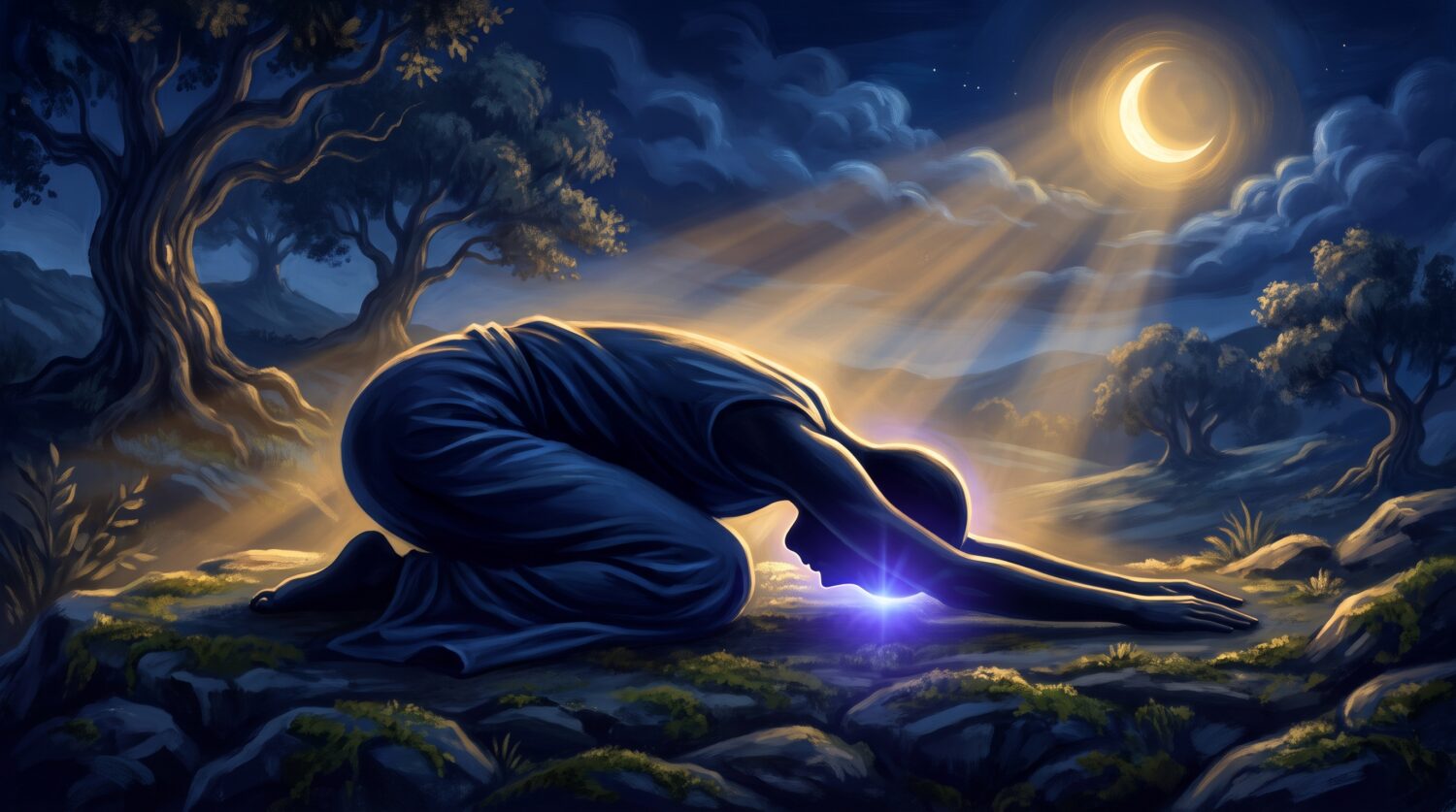
Theme: insight, intuition and quiet awareness.
- Kneel on the mat with your big toes touching and your knees as wide as is comfortable.
- Sit back toward your heels and fold forward.
- Rest your forehead on the mat, a block or stacked fists. Let your arms rest alongside you or stretch forward.
- Close your eyes. Feel the gentle pressure on your forehead as you breathe for a minute.
Safety: if your knees complain, place a rolled blanket behind them. If your hips do not reach your heels, rest them on a cushion. Skip it with a knee injury or late in pregnancy unless your doctor says okay. Easier option: sit in a chair, fold forward and rest your forehead on a pillow on a table.
7. Crown Chakra: Savasana and Easy Seat

Theme: stillness, spaciousness and a sense of connection.
- Lie flat on your back with your legs a little apart and arms resting at your sides, palms up.
- Let your feet fall open. Close your eyes.
- Release effort in your face, your hands, your belly.
- Stay for two to five minutes. To end, roll to your side, rest, then press up to sit in Easy Seat (cross-legged) for a few quiet breaths.
Safety: place a pillow under your knees or head if your back or neck is uncomfortable. If lying flat is not right for you, such as during late pregnancy or with reflux, prop yourself up with pillows. Easier option: sit in a chair with a straight spine and rest your hands in your lap.
Try this: choose just the one pose that speaks to you today. Hold it for ten breaths. Done. That counts as a practice.
Breath Work for Chakra Yoga
In yoga, the breath is called prana in its energy form, and breath practice is called pranayama. It is the thread that ties the poses together. These three practices are gentle and suitable for most healthy adults. Stay comfortable throughout, and stop if you feel dizzy.
Three-Part Breath (Dirga Pranayama)
Sit or lie down. Inhale into your belly, then your ribs, then your upper chest. Exhale in reverse: chest, ribs, belly. Take five to ten rounds. It slows everything down and is a good way to begin.
Alternate Nostril Breathing (Nadi Shodhana)
- Sit tall. Rest your left hand on your knee.
- With your right thumb, close your right nostril and inhale slowly through the left.
- Close the left nostril with your ring finger, release the right, and exhale through the right.
- Inhale through the right, close it, exhale through the left. That is one round.
- Do five rounds, breathing smoothly with no strain and no breath holding.
Many practitioners use it to settle the mind before a heart, throat or third-eye pose. If you have a cold or a blocked nose, skip it or just breathe normally.
Humming Breath (Bhramari)
Inhale through your nose. As you exhale, hum softly, like a bee, and feel the vibration in your face and chest. Repeat five to eight times. Many people enjoy it with the throat chakra pose because the sound gives the throat something gentle to do. Keep it soft, not strained.
For a deeper look at the art of conscious breathing, listen to the NLS conversation The Art of Spiritual Breathwork with Niraj Naik.
Try this: tonight, before sleep, take ten rounds of three-part breath. Nothing else. See how your body responds.
A 20-Minute Chakra Yoga Flow
This flow moves from the ground up. Use a timer if you like, but let your breath, not the clock, set the pace.
- Minutes 0 to 2: Arrive. Sit comfortably. Take ten slow three-part breaths. Set a simple intention, such as “I move with kindness.”
- Minutes 2 to 4: Root. Stand in Mountain Pose for eight breaths. Feel your feet.
- Minutes 4 to 6: Sacral. Sit in Bound Angle. Make slow hip circles in each direction, then hold still for five breaths.
- Minutes 6 to 8: Solar Plexus. Boat Pose for three to five breaths, rest, and repeat once. Use the easier option whenever you need to.
- Minutes 8 to 11: Heart. Cobra Pose for five breaths, rest on your belly, repeat once. Follow with a gentle Child’s Pose for three breaths.
- Minutes 11 to 13: Throat. Supported Fish for one to two minutes, then a few rounds of humming breath.
- Minutes 13 to 15: Third Eye. Child’s Pose with your forehead resting. Breathe quietly and watch your thoughts like clouds.
- Minutes 15 to 16: Alternate Nostril. Sit up. Do five rounds.
- Minutes 16 to 20: Crown. Savasana for three minutes, then sit up for one minute of stillness.
Finish by placing a hand on your heart and saying thank you to yourself. Yes, really. It is a small act that makes the practice feel complete.
Try this: do the flow three mornings this week and note how you feel afterward in one sentence. Patterns show up quickly.
Modifications for Beginners
If you are new to yoga, you are in good company. Everyone began somewhere, and the body learns by repetition.
- Use props freely. Blocks, blankets and straps are tools, not training wheels.
- Shorten the holds. Three breaths is plenty at first. Build slowly.
- Do half the flow. A ten-minute version (root, heart, crown) is a perfectly good start.
- Skip what does not feel right. Replace Boat with a seated belly breath, replace Cobra with Sphinx.
- Count breaths, not seconds. Smooth breathing tells you you are in the right range.
- Learn from a person if you can. A beginner class or a qualified teacher can check your alignment in ways a page cannot.
Modifications for People Over 50
Yoga is wonderfully adaptable, and many people begin or return to it in midlife and beyond. The goal is a practice that feels good tomorrow as well as today.
- Make the chair your friend. Every chakra above has a seated option. Chair yoga is real yoga.
- Warm up longer. Spend an extra minute on gentle neck, shoulder, wrist and ankle rolls before you begin.
- Protect your knees and hips. Put cushions under the knees in seated poses, and never force the legs open.
- Be careful with your head and spine. Avoid deep backbends and strong neck extensions unless your doctor says okay. If you have osteoporosis, ask your doctor which forward folds and twists to avoid.
- Rise slowly. Standing up quickly from the floor can cause a head rush. Roll to your side, pause, then come up.
- Keep support nearby. A wall or a stable chair within reach makes balance work far less stressful.
- Practice shorter, more often. Ten minutes most days beats an hour once a week.
- Check in with your care team. If you take medication for blood pressure, or have joint replacements or heart concerns, ask your doctor what movement fits you.
You are not behind. You may be exactly on time. Our bodies carry decades of story, and a patient practice honors that.
Making It Part of Your Day
A practice you will actually do beats a perfect one you will not. A few ways to keep it simple:
- Anchor it. Link it to something you already do, like right after your morning coffee or before you brush your teeth at night.
- Pick a pose of the day. Seven poses, seven days. One pose, ten breaths.
- Pair it with stillness. After the flow, sit for a few minutes with our meditation guide.
- Explore the wider path. Chakra yoga is one doorway. For the bigger picture of yoga as a spiritual practice that reaches beyond the mat, read Yoga for Spiritual Growth: A Practice Beyond the Mat.
- Add a stone if you like. Some people place a crystal nearby as a reminder. Our guide to chakra stones explains the traditional pairings. The power is within you, and the stone is just a reminder.
Over a few weeks, many people notice they are more aware of their body, their breath and their moods. That awareness is the real gift. It is yours already.
Books on Chakra Yoga
- Wheels of Life by Anodea Judith. A popular guide to the chakra system.
- Eastern Body, Western Mind by Anodea Judith. The chakras through a psychological lens.
- Chakra Yoga by Alan Finger. Poses and practices for each chakra.
- Light on Yoga by B.K.S. Iyengar. The classic reference for poses and alignment.
- The Heart of Yoga by T.K.V. Desikachar. A gentle approach adapted to the individual.
As an Amazon Associate, Next Level Soul earns from qualifying purchases.
Go Deeper on Next Level Soul
These titles go further into the yoga path, and they are available on Next Level Soul.
- The Yogi’s Guide to the Infinite Audio course.
- The Art of Self-Realization Audio course.
- The Chakras: A Complete Guide Our hub for the full chakra system.
Where to Go Next
Choose one pose from this page and try it tonight. Then explore the chakra hub for the meaning behind each center, or settle into the chakra meditation guide. You are already enough to begin.
Frequently Asked Questions
What Is Chakra Yoga?
Chakra yoga is a style of practice that pairs yoga poses and breathing with the seven chakras, the energy centers described in yoga and tantric traditions. Each pose is chosen to bring your attention to one center along the spine.
Is Chakra Yoga Good for Beginners?
Yes. The poses are basic, and every one has an easier option, including chair versions. Start with shorter holds and fewer poses, and build slowly.
How Long Should a Chakra Yoga Session Be?
Twenty minutes is plenty. If you are short on time, choose one pose and hold it for ten slow breaths. Regular short practice usually feels better than rare long sessions.
Which Yoga Poses Go With Each Chakra?
A common pairing is Mountain for the root, Bound Angle for the sacral, Boat for the solar plexus, Cobra for the heart, Supported Fish for the throat, Child’s Pose for the third eye, and Savasana for the crown. Teachers pair them in different ways, so use what feels right.
Do I Need to Believe in Chakras for This to Work?
No. The chakra system is a tradition-based teaching, not a scientific measurement. Many people simply enjoy the structure, the slow breathing and the focused attention.
Is Chakra Yoga Safe for People Over 50?
It can be, with care. Use props, a chair and shorter holds, avoid deep backbends and strong neck movements, and talk with your doctor first if you have joint, bone, balance or blood pressure concerns.
Can Chakra Yoga Treat a Medical Condition?
No. It is a spiritual and wellness practice, not medical treatment. Please see a qualified healthcare provider for any health concern, and use yoga alongside that care.
What Is the Best Time of Day to Practice?
Morning can feel energizing, and evening can feel calming. Choose the time you will actually keep. Avoid practicing right after a large meal.
What Is Alternate Nostril Breathing?
It is a gentle yoga breath, called nadi shodhana, in which you breathe in and out through one nostril at a time. Keep the breath smooth and never hold it hard. Skip it if your nose is blocked.
What Is the Difference Between Chakra Yoga and Chakra Meditation?
Chakra yoga uses movement, breath and posture. Chakra meditation is mostly seated stillness with focused attention on each center. Many people do the yoga first and then sit in meditation.
>