

The best shadow work books are Robert A. Johnson’s Owning Your Own Shadow for a short, clear Jungian start, Debbie Ford’s The Dark Side of the Light Chasers for a practical guide, and Richard Schwartz’s No Bad Parts for gentle, modern parts work.
Below are 13 books worth your time, grouped by what you are looking for: the roots of the idea, practical guides and workbooks, and books on compassion and the long dark night. Each one comes with who it is for, so you can pick the right one tonight.
Key Takeaways
- Start with Owning Your Own Shadow. Robert A. Johnson’s short book is a warm, clear introduction to the Jungian idea of the shadow.
- For hands-on tools, try Debbie Ford or The Shadow Work Journal. Both give you things to do, not just things to think about.
- For the roots, read Man and His Symbols and Meeting the Shadow. They show where the idea began and how wide it reaches.
- Go gently. Shadow work can stir up old pain. Pair it with support, and see a licensed therapist if it feels heavy.
- Prefer to listen? Marianne Williamson, who co-wrote The Shadow Effect, and Dr. Andrew Holecek, who speaks about shadow work and dark retreats, are both Next Level Soul guests.
What Are Shadow Work Books?
Shadow work is the practice of meeting the parts of yourself that you have hidden, denied or pushed away, and bringing them into the light of awareness. The idea comes from Swiss psychiatrist Carl Jung, who used the word shadow for the unconscious side of the personality: the traits, feelings and impulses that do not fit who we think we should be.
Shadow work books explain that idea and give you ways to work with it, through reflection, journaling, dreamwork and honest attention to your own reactions. If you want the full picture first, start with our guide to shadow work, our explainer on the Carl Jung shadow, or our 64 shadow work journal prompts.
Shadow Work Books at a Glance
| Book | Best for | Type | Voice |
|---|---|---|---|
| Man and His Symbols (Jung and others) | The big picture | Foundation | Psychiatrist |
| Meeting the Shadow (Zweig, Abrams) | Many perspectives | Anthology | Writers and therapists |
| Owning Your Own Shadow (Johnson) | First read | Foundation | Jungian analyst |
| A Little Book on the Human Shadow (Bly) | Poetry and image | Foundation | Poet |
| Inner Work (Johnson) | Dreams and imagination | Method | Jungian analyst |
| The Dark Side of the Light Chasers (Ford) | Practical tools | Guide | Teacher and author |
| Romancing the Shadow (Zweig, Wolf) | Step-by-step practice | Guide | Psychotherapist and co-author |
| The Shadow Effect (Chopra, Ford, Williamson) | Three teachers, one theme | Guide | Spiritual teachers |
| Existential Kink (Elliott) | A bold, playful take | Guide | Author and teacher |
| The Shadow Work Journal (Shaheen) | Writing your way in | Workbook | Author |
| No Bad Parts (Schwartz) | Gentle parts work | Therapy-informed | Family therapist |
| Radical Acceptance (Brach) | Self-compassion | Practice | Psychologist and meditation teacher |
| The Dark Night of the Soul (May) | Long seasons of emptiness | Spiritual | Psychiatrist |
How Do I Choose the Right Shadow Work Book?
Start with what you need right now. If you want to understand the idea, pick Johnson or Bly. If you want exercises, pick Ford or Shaheen. If you want to learn to be kind to yourself while you look, pick Schwartz or Brach.
A few simple guides help:
- New to the idea? Owning Your Own Shadow is short and easy to finish.
- Love to write? Pair The Shadow Work Journal with our shadow work prompts.
- Spiritual seeker? Try The Dark Side of the Light Chasers or The Dark Night of the Soul.
- Drawn to dreams? Inner Work shows how dreams can be a doorway to the shadow.
If you want to see how the shadow sits inside the wider mind, our guide to the subconscious mind is a good next step. For reading across the whole spiritual path, see our list of the top spiritual books.
The Roots: Jung and the Depth Psychology Tradition
These five books carry the original idea and its early echoes. They are older, and some are denser, but they are where the conversation began.

1. Man and His Symbols
Carl G. Jung and others (Random House, first published 1964)
Jung wrote the opening chapter near the end of his life, and colleagues including Marie-Louise von Franz wrote the rest. It was made for general readers and introduces the unconscious, dreams, archetypes and the shadow in plain language, with many images.
It is the friendliest door into Jung’s own world.
Best for: Readers who want to see where the shadow fits on the larger map of the psyche.

2. Meeting the Shadow: The Hidden Power of the Dark Side of Human Nature
Connie Zweig and Jeremiah Abrams, editors (Tarcher, 1991)
A collection of essays from many voices on the shadow in personal life, relationships and culture. You can open it anywhere and find a new angle.
Because it is an anthology, the quality and style vary from piece to piece.
Best for: Readers who want many perspectives in one book and like to dip in and out.

3. Owning Your Own Shadow: Understanding the Dark Side of the Psyche
Robert A. Johnson (HarperSanFrancisco, 1991)
Johnson, a Jungian analyst, explains how we split off parts of ourselves and how what we refuse to own shows up in our behavior and in what we judge in others. He then points toward ways to take those parts back.
It is short, clear and gentle, which is why it is so often the first recommendation.
Best for: First-time readers who want the idea explained simply.

4. A Little Book on the Human Shadow
Robert Bly, edited by William Booth (HarperSanFrancisco, 1988)
The poet Robert Bly pictures the shadow as a long bag we drag behind us, filled with the parts of ourselves we were taught to hide. He works through story, image and poetry more than theory.
It is a small book that stays with you.
Best for: Readers who respond to poetry and story more than to psychology.
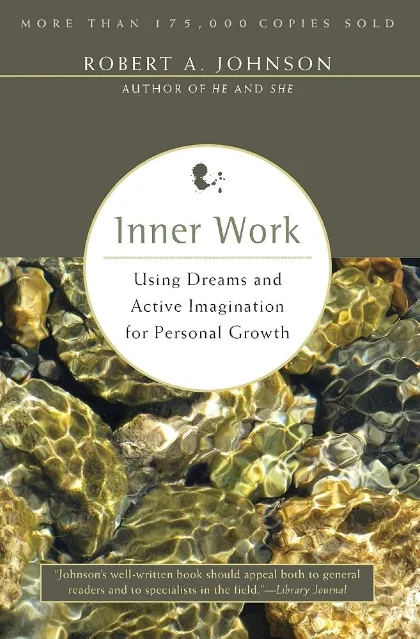
5. Inner Work: Using Dreams and Active Imagination for Personal Growth
Robert A. Johnson (Harper & Row, first published 1986)
A step-by-step method for working with your dreams and with active imagination, a way of speaking with figures from the inner world. Dreams are one of the oldest doorways to the shadow, and this book shows how to walk through one.
If you are curious about dreams, see our guide to lucid dreaming.
Best for: Readers who dream vividly and want a practical way to work with those dreams.
Practical Guides and Workbooks
These five books are built for doing. They bring the idea down to exercises, questions and daily practice.
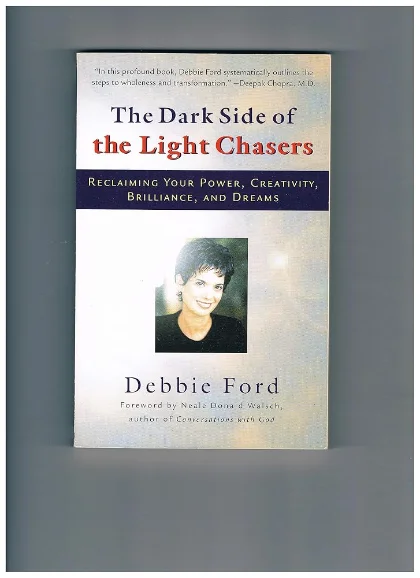
6. The Dark Side of the Light Chasers: Reclaiming Your Power, Creativity, Brilliance, and Dreams
Debbie Ford (Riverhead Books, 1998)
Ford’s best-known book. Her theme is that spiritual seekers can use positivity to avoid what they most need to face, and that the traits we judge hold hidden gifts. It is direct, personal and full of exercises.
Some readers find the tone firm. Take what helps.
Best for: Seekers who want practical tools, not just theory.
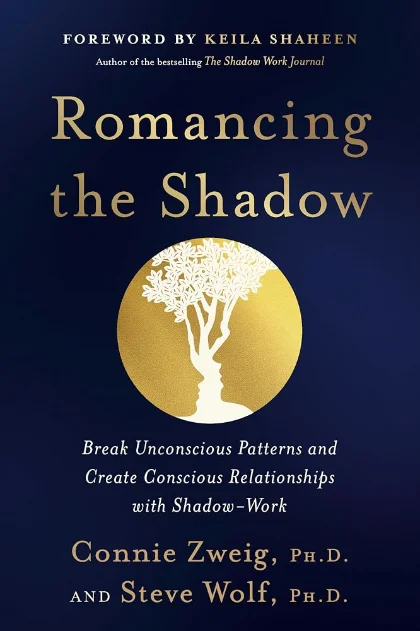
7. Romancing the Shadow: A Guide to Soul Work for a Vital, Authentic Life
Connie Zweig and Steve Wolf (Ballantine Wellspring, 1999 edition)
A guide that blends Jungian ideas with spiritual practice and offers a path for meeting the shadow in everyday life, with exercises along the way.
It sits between psychology and spirituality, so it suits readers who want both.
Best for: Readers who want a step-by-step path with a spiritual flavor.
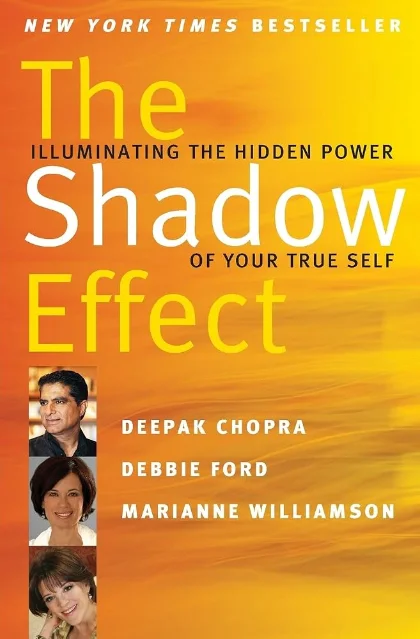
8. The Shadow Effect: Illuminating the Hidden Power of Your True Self
Deepak Chopra, Debbie Ford and Marianne Williamson (HarperOne, 2010)
Three well-known teachers, three voices on one theme. Each approaches the shadow from their own background, so the book reads like a conversation, with Williamson writing from the perspective of A Course in Miracles.
Marianne Williamson has been a guest on our podcast.
Best for: Readers who like to hear several teachers on one subject.
View on Amazon▶ Watch the Interview with Marianne Williamson
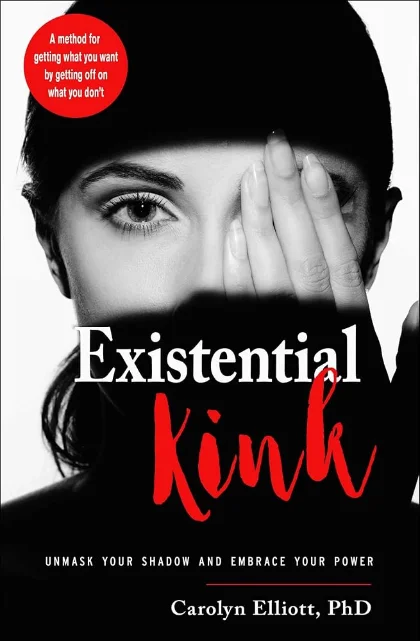
9. Existential Kink: Unmask Your Shadow and Embrace Your Power
Carolyn Elliott (Weiser Books, 2020)
A bold, humorous take on shadow work. The central idea is that we sometimes secretly enjoy the very things we say we hate, and that owning this can free up energy and power.
The language is frank and the method is provocative, so it is not for everyone.
Best for: Readers who like a playful, edgy voice and are comfortable with frank language.
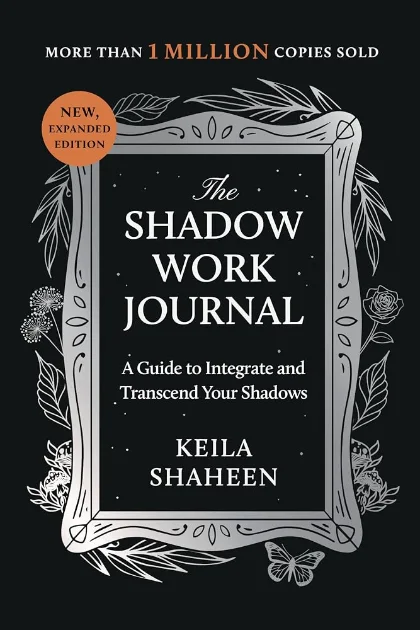
10. The Shadow Work Journal: A Guide to Integrate and Transcend Your Shadows
Keila Shaheen (Atria / Primero Sueno Press, 2024)
A guided workbook of prompts and exercises for writing your way into your shadow, made to be used over days or weeks.
Pair it with our shadow work prompts if you want even more questions to sit with.
Best for: Journalers who think best with a pen in hand.
Parts, Compassion and the Dark Night
Meeting the shadow can bring shame, fear and grief. These three books help you stay kind to yourself while you look.

11. No Bad Parts: Healing Trauma and Restoring Wholeness with the Internal Family Systems Model
Richard C. Schwartz (Sounds True, 2021)
Schwartz, the creator of Internal Family Systems, describes the mind as made of many parts, none of them bad, led by a calm core Self. It is not a Jungian book, but it solves a problem shadow work often hits: how to face hard parts without shame.
Not a replacement for therapy, and a good companion to it.
Best for: Readers who like a therapy-style approach and want a kind way into difficult feelings.

12. Radical Acceptance: Embracing Your Life With the Heart of a Buddha
Tara Brach (Bantam, 2003)
Psychologist and meditation teacher Tara Brach writes about what she calls the trance of unworthiness, and about meeting our experience with presence and kindness instead of judgment.
It is a warm book to read before or alongside any shadow work.
Best for: Readers who need self-compassion before they can look at the hard parts.

13. The Dark Night of the Soul: A Psychiatrist Explores the Connection Between Darkness and Spiritual Growth
Gerald G. May (HarperOne, 2004)
Psychiatrist Gerald May draws on the mystical tradition of St. John of the Cross and looks at the dark night as a part of spiritual growth, separate from depression, though the two can overlap.
Our guide to the dark night of the soul is a good companion.
Best for: Readers in a long season of emptiness, loss or spiritual dryness.
An Honest View of Shadow Work
Shadow work is a real practice rooted in depth psychology and spiritual tradition, but it is not a cure-all. Jung’s ideas have shaped modern psychology and spirituality, yet the shadow is a way of thinking about the mind more than a lab-tested treatment, and some popular books promise more than they can deliver.
Use these books as guides, not authorities. Go slowly, and stop if something feels like too much. Nothing here replaces medical or mental health care. If you have a history of trauma, work with a licensed therapist, and if you are struggling, please reach out to a doctor or call or text 988 in the US.
As an Amazon Associate, Next Level Soul earns from qualifying purchases.
Hear It From the Guests
Prefer to listen? These Next Level Soul Podcast conversations bring the voices of an author from this list and a teacher who speaks about the shadow.

Jesus’ Channeled Message Through A Course in Miracles with Marianne Williamson
Marianne Williamson, co-author of The Shadow Effect, shares what A Course in Miracles gave her, why she says everyone is on a spiritual path, and how forgiveness recalibrates life. Watch the full episode and read the show notes.

The Magic of Dark Medicine with Dr. Andrew Holecek
Dr. Andrew Holecek talks about dark retreats, lucid dreaming and shadow work, and what he says darkness can reveal about who you are. Watch the full episode and read the show notes.
Watch More on Next Level Soul TV
Next Level Soul TV is our own home for films, series and teachings on these questions. Here are six to start with.



Go Deeper with NLS Mastery: Becoming Nobody
A practical course on letting go of the identities and patterns you have been calling yourself, which is where much shadow work begins. Kyle Cease teaches it in Becoming Nobody, part of NLS Mastery. Watch the course preview below.

Sources and Further Reading
Spirituality for the Rest of Us™
Movies, teachings and community on Next Level Soul TV.
Frequently Asked Questions
What is the best shadow work book for beginners?
Robert A. Johnson’s Owning Your Own Shadow is the most common first pick. It is short, clear and gentle, and it explains the Jungian idea in plain language.
What is shadow work?
It is the practice of meeting the parts of yourself that you have hidden or denied, and bringing them into awareness. The idea comes from Carl Jung’s concept of the shadow.
Who came up with the idea of the shadow?
Swiss psychiatrist Carl Jung used the term shadow for the unconscious side of the personality. You can read more in our guide to the Carl Jung shadow.
Which shadow work book is best for journaling?
The Shadow Work Journal by Keila Shaheen is made for writing. You can add our 64 shadow work prompts for more questions.
Do I need to know Jung before I read these books?
No. Owning Your Own Shadow, A Little Book on the Human Shadow and The Dark Side of the Light Chasers all explain the idea from the start.
Which shadow work books are the most practical?
Debbie Ford’s The Dark Side of the Light Chasers, Connie Zweig and Steve Wolf’s Romancing the Shadow and The Shadow Work Journal all give you exercises to do.
Is shadow work safe?
For most people it is a thoughtful practice, but it can bring up old pain. Go slowly, ask for support, and work with a licensed therapist if you have a history of trauma. In the US you can call or text 988 if you are in crisis.
Is Existential Kink right for everyone?
No. Carolyn Elliott uses frank language and a provocative method. If that style does not suit you, Owning Your Own Shadow or Radical Acceptance may be a better fit.
What is the difference between shadow work and Internal Family Systems?
Shadow work comes from Jungian psychology, and Internal Family Systems comes from Richard Schwartz’s work as a family therapist. Both invite you to meet hidden parts of yourself with curiosity, and No Bad Parts is a good way into the second.
Can dreams help with shadow work?
Many people find that dreams bring the shadow forward. Robert A. Johnson’s Inner Work offers a method, and our guide to lucid dreaming shows how to meet dream figures with awareness.
How long does shadow work take?
There is no finish line. Many people begin with a few weeks of daily reflection, and our shadow work guide includes a 30-day plan.
Where can I learn more about shadow work?
Our guides to shadow work and the Carl Jung shadow cover the basics, and the Mastery course below goes deeper into letting go of old identities.


