
The Fool is the first card of the tarot’s Major Arcana and the number zero. It stands for new beginnings, trust, spontaneity and the leap of faith that starts every journey. Upright, it invites you to step forward with an open heart. Reversed, it warns of recklessness, hesitation or a leap taken without looking.
Key Takeaways
- Core meaning: A fresh start, innocence and a leap of faith into the unknown.
- Upright: Spontaneity, curiosity, trust and openness to new experiences.
- Reversed: Recklessness, naivety, fear of beginning or poor judgment.
- In love: New romance, playfulness and honesty, or a risky leap taken too quickly.
- Best response: Take a brave, curious first step and keep one hand on common sense.
The Fool Tarot Card at a Glance
| Question | Quick answer |
|---|---|
| Card number | 0 (the start of the Major Arcana) |
| Element | Air |
| Astrology | Uranus |
| Keywords upright | Beginnings, freedom, trust, adventure |
| Keywords reversed | Recklessness, hesitation, naivety |
| Yes or no | Usually yes, with care |
| Archetype | The Innocent Seeker |
| Journey stage | Before the journey begins |
What Does The Fool Mean in Tarot?
The Fool tarot card shows a young traveler standing at the edge of a cliff, a small bag on a stick over one shoulder, a white flower in hand and a small dog at their heels. The sun shines behind them. They look upward, not at the drop beneath their feet. The card captures the moment before a new chapter begins, when anything is possible and nothing is yet decided.
Numbered zero, The Fool sits outside the sequence of the other Major Arcana cards, and many readers see it as both the beginning and the end of the cycle. The rest of the cards trace the traveler’s path through teachers, trials and transformation. The Fool is the part of you willing to begin without full knowledge, and that willingness is what makes any growth possible.
In a reading, The Fool often arrives when you are standing at a threshold: a new job, a move, a relationship, a creative project, or a change in how you see yourself. The message is not to be careless. It is to trust that you can learn as you go.
If you are new to the cards, our guide to the Minor Arcana explains how the full deck fits together, and the tarot cards hub lets you compare cards side by side.
Symbolism and Imagery
The Fool is rich with images, and each can be read as a clue to the card’s meaning.
The cliff edge
The cliff represents a threshold and the risk of beginning. It is both a physical edge and a mental one. The Fool is not unaware of danger so much as willing to move anyway, trusting that the ground will appear.
The white rose
The white flower stands for purity of intention and openness. Innocence in tarot is not ignorance, but the freshness of someone who has not yet been hardened by disappointment.
The small dog
The dog is often read as instinct, loyalty or a gentle warning voice. It reminds you that guidance can walk beside you, whether in the form of intuition or a trusted friend.
The bundle on the stick
The traveler carries very little. The bag holds the lessons and talents you already have. You do not need everything figured out to begin.
The bright sun
The sun suggests optimism, vitality and support from the universe. It lights the path even when the road ahead is unclear.
The Fool Upright Meaning
When The Fool appears upright, the message is to begin. A new chapter is calling, and it asks for courage rather than certainty. This may be a literal leap, such as a move or a career change, or an internal shift in how you see yourself.
Upright, the card also celebrates spontaneity and play. You may be invited to try something that has no guarantee of success but promises joy and learning. The Fool reminds you that being a beginner is not shameful. It is where all skill starts.
Trust is the heart of the card. It suggests that life will meet you partway if you take the first step. That does not mean ignoring risk. It means choosing hope over paralysis.
The Fool Reversed Meaning
Reversed, The Fool can warn of recklessness. You may be leaping without checking where you are landing, ignoring good advice or repeating a pattern that has hurt you before. The card asks you to slow down, gather information and consider consequences.
It can also describe the opposite problem: fear of beginning. A reversed Fool may show someone who keeps postponing a change, afraid of looking foolish. The adventure is still waiting, and the blockage is inner.
Sometimes the reversal points to naivety, trusting someone too quickly or overlooking warning signs. The remedy is not cynicism but discernment, keeping your openness while asking clearer questions.
The Fool in Love and Relationships
Upright in love
In a love reading, upright, The Fool signals a fresh start. It may announce a new romance with a lighthearted, adventurous spirit, or a renewal of playfulness in an existing bond. It encourages honesty and a willingness to be vulnerable without needing guarantees.
Reversed in love
Reversed, the card can suggest rushing into a relationship, ignoring red flags or being afraid to open up at all. It may also point to immaturity or avoidance of commitment. Ask whether your choices are coming from excitement, fear or a clear sense of what you want.
If you are single
If you are single, The Fool encourages you to meet people with curiosity rather than a checklist. Say yes to invitations, try new places and let first dates be light. At the same time, keep your standards for kindness and respect.
If you are in a relationship
If you are in a relationship, The Fool invites you to bring novelty back: a trip, a new hobby, a candid conversation about dreams. If you feel stuck, the card suggests a gentle experiment rather than a dramatic ultimatum.
Career, Money and Finances
Career
At work, The Fool points to new beginnings: a first day, a career pivot, a startup idea or a project with an uncertain outcome. It supports creativity and learning on the job. Upright, it says to try. Reversed, it warns against quitting impulsively or taking on a role without understanding the terms.
Money
Financially, The Fool suggests openness to new income streams or approaches, paired with prudence. It is a card for small experiments rather than all-in bets. Reversed, it cautions against risky investments, impulsive spending or ignoring the fine print.
The Fool for Spiritual Growth and Wellbeing
Spiritually, The Fool is the seeker at the start of the path. It suggests approaching practice with a beginner’s mind: curiosity, humility and a willingness to be surprised. If you feel you know too much to learn, the card invites you to unlearn.
In terms of wellbeing, The Fool encourages play, movement and time outdoors. It can also prompt you to try a new approach to health, such as a different form of exercise or rest. If the card appears reversed, check whether you are neglecting basic care in the rush of new plans.
Meditating on The Fool can be refreshing. Picture yourself on the cliff edge at dawn. Feel the air, the light and the quiet readiness. Ask what you are being invited to begin.
The Fool as a Yes or No Answer
The Fool is usually a yes in a yes or no reading, especially for questions about starting something new. It says go ahead, with curiosity and awareness. Reversed, it becomes a not yet or a pause to gather information. Treat it as a yes with a gentle caution to look before you leap.
Tarot works best as a mirror, not a verdict. If a yes or no answer feels thin, ask a fuller question: What do I need to understand about this? What is my next best step? Open questions give the cards room to speak.
The Fool in Different Spread Positions
| Position | What The Fool suggests |
|---|---|
| Past | A leap taken long ago that shaped who you are, or a life chapter that began with innocence |
| Present | You stand at a threshold; a fresh start is available now |
| Future | A new beginning is coming; prepare to trust yourself |
| Advice | Take the first step and stay curious |
| Obstacle | Fear of looking foolish, or impulsiveness that needs a check |
| Outcome | Freedom and learning through a courageous start |
The Fool and the Major Arcana Journey
The Fool is traditionally the hero of the Major Arcana, a story told in twenty-two cards. After the first leap, the traveler meets the Magician, who shows what can be done with skill and will, then the High Priestess, who invites inner listening, and the Empress, who offers nurture and abundance. Later cards bring authority, tradition, love, choice and eventually trials, endings and renewal.
Reading the cards as a journey, The Fool is not only a beginner but also the one who returns at the end of the cycle, wiser and still open. Many readers find comfort in this. It suggests that you never stop beginning. Each time you complete a chapter, you stand on a new edge.
This perspective is helpful when The Fool appears in your own spread. Ask which chapter you are finishing and which you are about to begin. The answer often gives the reading its shape.
The Fool as an Archetype
Carl Jung’s idea of archetypes, shared patterns in human stories, gives a helpful lens for The Fool. The figure appears in folklore worldwide as the innocent traveler, the trickster or the holy fool who sees truths that others miss. Fairy tales feature the youngest son who leaves home with nothing and wins the kingdom through kindness and luck.
The archetype carries both light and shadow. In its light form, the Fool is open, brave and playful. In its shadow, the Fool is careless, irresponsible or unwilling to grow up. Reflect on which side shows up in you.
- Light Fool: curiosity, humor, trust, courage to start
- Shadow Fool: avoidance, recklessness, repeating mistakes
- Integrated Fool: openness joined with discernment and follow-through
When you meet The Fool in a reading, ask which version is speaking. The card’s reversal does not always mean shadow, and its upright position does not always mean light. Context matters.
How to Take a Wise Leap
The Fool teaches that beginning is a skill. A wise leap has both courage and preparation. Use this simple approach when the card appears.
Name the leap
Write one sentence describing what you want to begin. Clarity reduces fear.
Check your footing
Ask what you already have: skills, savings, supportive people and time. Identify one thing you can prepare in a week.
Plan a safety net
Decide what you will do if it does not work. Knowing you can recover makes bold steps easier.
Take a small first step
A first step might be sending an inquiry, taking a class or sharing your plan with a friend. Momentum builds from action.
Review and adjust
After a week or a month, review what you have learned and adjust. The Fool is a learner, and every misstep is information.
Common Fears The Fool Brings Up
The card often surfaces fears that sit beneath a big change. Naming them takes away some of their power.
| Fear | What it says | A gentler reframe |
|---|---|---|
| I will look foolish | Other people will judge me | Every skilled person was once a beginner |
| I will fail | The risk is too high | Failure is data, and you can adjust |
| I am too old or too late | The window has closed | Many people begin meaningful chapters at every age |
| I do not know enough | I need more preparation | You will learn by doing |
| I will lose what I have | Change threatens security | You can protect essentials while experimenting |
If one of these rings true, write down the answer you would give to a friend with the same fear. Then offer that answer to yourself.
Three Examples of The Fool in a Reading
These composite examples show how the card might be read. They are illustrations, not predictions.
The career change
A woman in her forties asks about leaving accounting to train as a counselor. She draws The Fool in the advice position. The reader suggests a small step: enroll in an evening course and test the field before quitting. She begins, and within a year she works part time in counseling.
The reversed warning
A man draws The Fool reversed when asking about investing a large sum in a friend’s venture. The card prompts him to ask for the business plan and speak to an advisor. He invests a smaller amount and sleeps better.
The new love
A woman recovering from a breakup draws The Fool as her future card. She treats it as permission to date lightly and curiously. She meets someone on a hiking club trip and lets the friendship unfold slowly.
The Fool in Astrology and Numerology
The Fool is linked to the element Air and to Uranus, the planet of surprise, innovation and breaking from convention. Air signs think, communicate and explore ideas, and Uranus shakes things loose when they have grown stale. Together they match the card’s themes of fresh perspective and unexpected change.
Numerologically, zero is the number of potential. It is the empty circle that holds everything not yet formed. Many traditions treat zero as a symbol of wholeness and the divine, which fits a card that stands both at the beginning and the end of the Major Arcana. If you enjoy numerology, you can compare this card’s zero with the beginnings of the number one in our life path number guide.
If you work with astrology, notice where Uranus sits in your birth chart. Houses and signs touched by Uranus are areas where you may feel called to take unconventional leaps. The Fool can be a prompt to explore those areas with curiosity rather than fear.
Daily Rituals to Embrace a Beginner’s Mind
Beginning again is a skill, and you can practice it in small ways every day.
- Try one new thing each week, such as a route, recipe or hobby.
- Ask one honest question in every conversation, and listen without planning your answer.
- Spend ten minutes outdoors without a goal.
- Say yes to one low-stakes invitation you would usually decline.
- End the day by writing one thing you learned that you did not know that morning.
These habits keep the spirit of The Fool alive without requiring a dramatic life change. They loosen perfectionism and remind you that curiosity is a form of courage.
When fear tightens, return to the image on the card. The traveler is not fearless. They simply walk on, a little lighter than you might expect, trusting that each step will teach them where to place the next one.
The Fool in Everyday Life
You do not need a deck in your hands to meet The Fool. The energy appears whenever you stand at the edge of something unfamiliar: a first day, a first date, a first draft. Notice how you handle those moments. Do you freeze, rush or step forward with curiosity?
Many people find it helpful to treat small beginnings as practice for large ones. Introduce yourself to a neighbor. Take a different route to work. Cook a dish you have never made. Each small leap strengthens your trust that you can recover from awkwardness and enjoy the learning.
When a larger change calls, you can recall these small victories. The Fool does not promise that everything will go well. It promises that you will grow, and that growth is worth the risk of beginning.
The Fool Card Combinations
Cards gain depth in the company of other cards. These pairings are common starting points. Read them as invitations to think, not fixed rules.
| Paired with | Possible meaning |
|---|---|
| The Magician | Skills meet opportunity; take the first step with confidence |
| The Tower | A sudden shift forces a new beginning |
| The Lovers | A choice or new romance requires trust |
| Eight of Swords | Fear of beginning keeps you stuck; the way out is a first step |
| Ace of Wands | A bold new venture with creative energy |
| The Hermit | A quiet period of reflection before a new journey |
How to Read The Fool in Your Own Spread
Reading a card well is part knowledge and part listening. Here is a simple approach you can use with The Fool and every other card.
- Look at the picture first. Notice colors, figures, direction of movement and what stands out before you read any meaning.
- Ask how the card connects to your question. Use the traditional meaning as a starting point, then see what fits.
- Note the position in the spread and the cards around it. Neighbors shade each other.
- Check the feeling in your body. A sense of recognition, tension or relief often says as much as the keyword.
- Write a one-sentence summary in plain language. If you cannot say it simply, keep reading.
Reversed cards, in this approach, are not bad news. They often show the same energy turned inward, blocked, delayed or excessive. Treat a reversal as a nudge to look at the shadow or the quiet version of the theme.
A 7-Day Practice With The Fool
Spending a week with one card teaches more than a dozen quick readings. Pull The Fool from your deck, place it where you will see it, and follow this rhythm.
- Day 1: Study the picture for five minutes and write what you notice.
- Day 2: Read the traditional meaning and underline what resonates.
- Day 3: Journal on where the card’s theme appears in your life right now.
- Day 4: Take one small action inspired by the card.
- Day 5: Meditate on the card for ten minutes and note any images or words.
- Day 6: Pull one clarifying card and ask what to explore further.
- Day 7: Review your notes and write a paragraph on what the card taught you.
Many readers find that after a week the card stops being a flat keyword and becomes a familiar voice. That relationship is the real goal of learning tarot.
Questions to Ask When The Fool Appears
A good question turns a card into a conversation. Try these prompts in a journal or aloud with a trusted friend.
- Where in my life does the energy of The Fool show up right now?
- What is this card asking me to see more clearly?
- Which part of the card feels comforting, and which feels uncomfortable?
- What would change if I took this card’s advice for one week?
- Who or what supports me as I work with this energy?
Answer honestly and briefly. Tarot is most useful when it leads you to a concrete next step, even a small one. If a reading leaves you more anxious than clear, pause and return to it another day.
Tips for Reading The Fool With Confidence
Whether you are new to tarot or have read for years, a few habits make readings with The Fool clearer and kinder.
Ground yourself first
Take three slow breaths before you shuffle. A calm mind notices more, and a settled body makes it easier to hear subtle impressions.
Ask open questions
Questions that begin with how or what invite insight. Questions that demand certainty about the future, such as whether a specific person will return, tend to produce muddled readings and anxious feelings.
Read for yourself and for others with care
When reading for someone else, speak in terms of possibilities and choices. Avoid predicting illness, death or disasters. A good reader leaves a person feeling more capable, not more afraid.
Trust your first impression, then check it
Your first response to the image often carries real information. After you note it, compare it with the traditional meaning and the surrounding cards. If they agree, you can speak with more confidence. If they differ, explore why.
Keep a tarot journal
Record the date, question, cards and your interpretation. A month later, reread your notes. You will see how often you were right, where you misread and how your intuition grows. That feedback is the fastest way to deepen your skill.
Simple Spreads to Explore The Fool
You can work with The Fool in a full reading or in a short, focused spread. Here are three easy layouts.
One-card daily draw
Pull a single card each morning and ask what you need to know today. If The Fool appears, note how its theme shows up by evening.
Three-card story
Lay out three cards for past, present and future, or situation, challenge and advice. Place The Fool and read how it connects to the cards on either side.
The mirror spread
Choose a question about a relationship or decision. Draw four cards: what I bring, what the other side brings, what blocks us and what helps. Read slowly and write a summary sentence for each position.
Whichever you try, keep it short and focused. A clear question with two or three cards often teaches more than a large layout, especially while you are learning how a card speaks to you.
A Grounded Note on Tarot
Tarot has been used for centuries as a tool for reflection, storytelling and intuitive insight. Historically, the cards began as playing cards in fifteenth-century Europe, and their use for divination grew later. Carl Jung’s idea of archetypes, universal patterns found in human stories, helps many people understand why the images feel so rich.
You can approach tarot as spiritual guidance, as a psychological mirror or as both. Either way, the cards do not decide your future. They help you see your situation from a new angle and act with more awareness. Never let a reading replace medical, legal, financial or mental health care.
Related Cards and Reading
If The Fool speaks to you, you may also enjoy exploring these cards and guides.
| Card or guide | Why it pairs well |
|---|---|
| The Magician | The next card in the journey, showing skill and focus |
| The Tower | Another card of sudden change, the Tower |
| The Hierophant | A card of tradition and learning, the Hierophant |
| Major Arcana guide | The full path of 22 cards, Major Arcana explained |
| Tarot cards hub | Browse more cards at tarot card meanings |
Go Deeper with NLS Mastery: Awaken Your Psychic Abilities
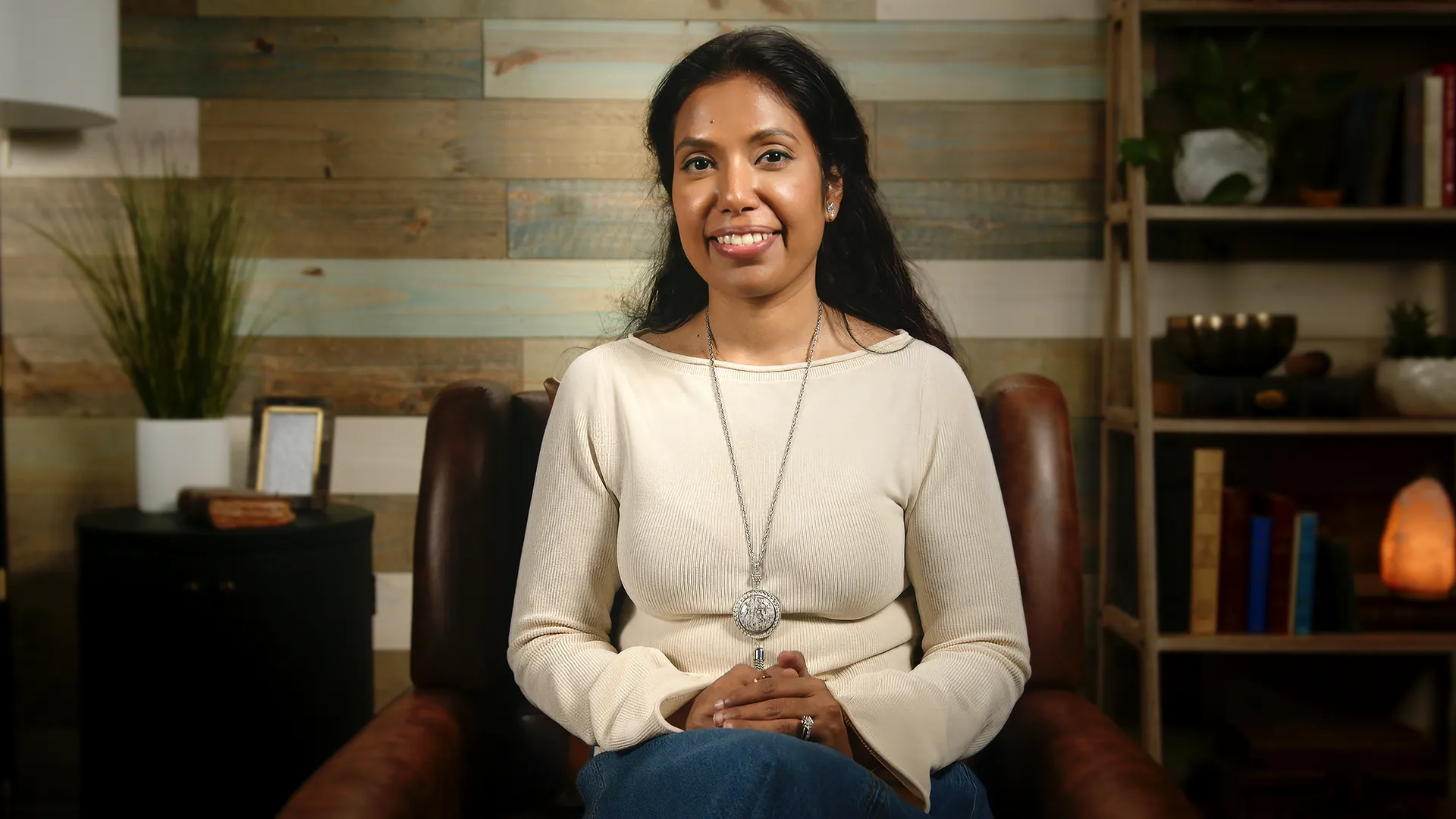
Learn to trust and develop the intuitive senses you already carry. Nikki Dutta teaches it in Awaken Your Psychic Abilities, part of NLS Mastery. Watch the course preview below.
Frequently Asked Questions
What does The Fool mean in tarot?
The Fool represents new beginnings, innocence, spontaneity and a leap of faith. It is card zero of the Major Arcana, the start of the journey.
What does The Fool mean upright?
Upright, The Fool means a fresh start, openness to adventure and trust that you can learn as you go.
What does The Fool mean reversed?
Reversed, The Fool warns of recklessness, naivety or fear of beginning, asking you to slow down or finally take the leap you have postponed.
What does The Fool mean in love?
In love, The Fool suggests a fresh, playful start, honesty and openness. Reversed, it can warn of rushing in or avoiding commitment.
What does The Fool mean for career?
For career, The Fool points to new beginnings, creative experiments and learning on the job. Reversed, it warns against impulsive moves or ignoring details.
Is The Fool a yes or no card?
Usually yes, especially for starting something new, with a gentle reminder to look before you leap. Reversed, it often means not yet.
What element and number belong to The Fool?
The Fool is numbered 0, belongs to the element Air and is associated with Uranus in astrology.
Is The Fool a good or bad card?
The Fool is generally a positive card of hope and new starts, though its reversal cautions against carelessness.
What does The Fool mean as feelings?
As feelings, The Fool suggests excitement, curiosity and openness. Reversed, it can suggest nervousness, immaturity or fear of commitment.
How do I know if The Fool is about me?
Look for recurring themes in your life that match the card: choices, patterns, relationships or inner shifts. The card is most useful when you ask what it is pointing to in your own situation.
Can The Fool be a sign of a person?
As a person, The Fool can represent someone who is adventurous, free-spirited or at the start of a new chapter, and sometimes someone who avoids responsibility.
What cards go well with The Fool?
The Fool pairs well with The Magician, The Lovers, Ace of Wands, The Hermit and The Tower.
Sources and Further Reading
Spirituality for the Rest of Us™
Movies, series, documentaries, audiobooks, audio courses and guided meditations on awakening and consciousness, all in one place. 14-day money-back guarantee.