The Hierophant is the fifth card of the Major Arcana, and it stands for tradition, spiritual guidance, shared beliefs, and learning from a teacher. Upright, it invites you to honor wisdom that has been passed down. Reversed, it asks you to question rules and find your own truth. It is a card about the structures that hold a community together and how you relate to them.
Key Takeaways
- Core meaning: tradition, spiritual teaching, institutions, and shared values.
- Upright: guidance, mentorship, commitment, and respect for time-tested practices.
- Reversed: rebellion, personal beliefs, and breaking away from rigid rules.
- Number and sign: card V, linked in many systems to Taurus.
- Use it: ask where you could learn from a trusted teacher, or where an old rule no longer fits.
What does the Hierophant mean in tarot?
The word hierophant comes from ancient Greece, where it named the priest who revealed sacred mysteries. In tarot, the card is a teacher or bridge between the divine and everyday life. It represents religion, ceremony, formal learning, and the comfort of belonging to something larger than yourself.
In older decks this card was called the Pope. The Rider-Waite-Smith deck, first published in 1909, renamed it the Hierophant and made the figure a robed teacher seated between two pillars. The meaning is wide: it can speak of faith, schooling, family customs, or any system with agreed rules.
| Card | The Hierophant (V) |
|---|---|
| Arcana | Major Arcana |
| Keywords | Tradition, guidance, conformity, spiritual teaching |
| Reversed keywords | Rebellion, new approaches, personal truth |
| Astrology | Often linked to Taurus |
| Element | Earth (through Taurus) |
| Question it asks | What do I believe, and who taught me? |
New to tarot? Start with our overview of tarot cards and the full list of the Major Arcana.
Hierophant symbolism in the Rider-Waite-Smith deck
The imagery is rich. A seated teacher wears a triple crown and robes, raising one hand in blessing. Two crossed keys lie at his feet, often read as the keys to heaven and earth or to the conscious and unconscious minds. Two followers kneel before him, showing a student and teacher relationship. Two pillars frame the scene, echoing the temple.
The raised hand with two fingers points up and two down, a sign of passing spiritual knowledge between worlds. Together the symbols show structure, lineage, and the exchange between teacher and student.
Upright Hierophant meaning
Upright, this card points toward learning within a trusted framework. It suggests that a teacher, mentor, community, or tradition can help you right now. It can also signal a formal commitment such as a marriage, a vow, or an apprenticeship.
- Seek a mentor or join a group that shares your values.
- Honor routines and rituals that ground you.
- Study a subject properly instead of skimming it.
- Follow shared rules when they serve everyone.
The card is not about blind obedience. It asks you to choose the traditions that truly nourish you.
Reversed Hierophant meaning
Reversed, the Hierophant often signals a break from convention. You may be questioning beliefs you inherited, leaving a group that no longer fits, or choosing your own path. It can also warn against dogma, gatekeeping, or giving your power to an authority too quickly.
A reversed Hierophant does not mean rejecting everything. It asks you to examine what is yours and what you were handed. Our guide to shadow work can help you sort inherited beliefs from your own.
Hierophant in love, career, and money
| Area | Upright | Reversed |
|---|---|---|
| Love | Commitment, shared values, a relationship that honors tradition | Unconventional relationships, doubts about expectations, freedom |
| Career | Mentorship, structured advancement, formal training | Self-directed work, breaking from corporate norms |
| Money | Steady plans, trusted advice, long-term saving | Questioning financial rules, unusual strategies |
| Spirituality | Teacher, lineage, devotion | Personal practice, new paths, questioning doctrine |
| Health | Routine and well-established habits | Seeking alternatives or a second opinion |
Tarot is a reflection tool and not a substitute for medical, legal, or financial advice. Use the card as a prompt for your own thinking.
The Hierophant with other cards
Cards beside the Hierophant add nuance. With The Lovers, it can point to a values-based commitment. With The Tower, a belief system may be shaken. With The Hermit, a quiet search for personal wisdom may follow time with a teacher. Compare it with the Major Arcana card before and after it for a story, and explore the minor arcana for everyday details.
Journal prompts for the Hierophant
These prompts work with either orientation of the card.
- Which beliefs did I inherit, and which have I chosen?
- Who has been a true teacher in my life, and what did they give me?
- Where do I follow a rule only because it is expected?
- What ritual or practice would make my week feel more rooted?
- If I could ask one wise person a question, what would it be?
Spend a few minutes with each one and notice what rises. The card is less about the right answer and more about the quality of your relationship to your own values.
When the Hierophant describes a person
In a reading about people, the Hierophant can represent a teacher, counselor, clergy member, elder, or someone who values tradition. They may offer wise guidance or insist on the rules. Reversed, the card can describe someone who bends rules, challenges authority, or moves on from the group. Look at the question you asked and the cards around it to see which description fits.
How to work with the Hierophant card
Pull the card and place it where you can see it. Ask three questions: Who has taught me what I believe? Which traditions give me strength? Which rules am I ready to review? Write your answers in a notebook. Many readers find the card useful at times of commitment or doubt, since it speaks to both belonging and independence. A calm meditation beforehand can help you hear your own answers.
Origins and Imagery of the Hierophant
The word hierophant comes from the Greek hierophantes, meaning “one who shows sacred things.” In ancient Athens, the hierophant was the chief priest of the Eleusinian Mysteries, a secret initiation tradition. The tarot borrowed the name much later. In the older Tarot de Marseille, the same card is usually called Le Pape, “the Pope,” and some early Italian decks called it Il Papa. The Rider-Waite-Smith deck softened the title to Hierophant, which many modern readers find broader and less tied to a single church.
The image is consistent across versions. A robed figure sits between two pillars, wearing a triple crown and raising one hand in blessing. Two crossed keys lie at the figure’s feet, and two kneeling followers wait below. The keys are often read as the keys to heaven and earth, or as the conscious and subconscious minds. The pillars echo the ones behind the High Priestess, though here they frame a public, institutional space instead of a hidden threshold.
In the Golden Dawn system, the Hierophant is linked to the zodiac sign Taurus, the fixed earth sign known for steadiness and for valuing tradition. That fits the card well. This is the part of the deck that cares about continuity, shared rules and teachings passed from one person to another.
The Hierophant in Love, Work and Spirituality
| Area | Upright | Reversed |
|---|---|---|
| Love | Commitment, marriage, shared values, a relationship that follows traditional steps | Breaking from expectations, an unconventional bond, a feeling of being boxed in by family or culture |
| Work | Mentorship, formal training, institutions, following the proper channels | Questioning the system, going independent, challenging outdated rules |
| Money | Conventional paths, advice from a trusted professional, long-term planning | Taking an unusual route, or ignoring good advice |
| Spirituality | A teacher, a lineage, a community, a structured practice | A personal path, doubts about organized belief, spiritual independence |
The Hierophant is often described as the card of the teacher. When it appears, it can point to a literal mentor, a class you could take, or a tradition that has something to teach you. It can also point to the pressure to follow what others expect.
Hierophant and High Priestess
Readers often compare these two cards because they sit near each other in the Major Arcana (II and V) and both involve spiritual authority. The High Priestess represents inner knowing, intuition and mystery. The Hierophant represents outer teaching, structure and shared wisdom. A good reading often needs both. Without the High Priestess, tradition can feel dry and empty. Without the Hierophant, intuition can drift without a framework to test it.
If both appear in a spread, you may be weighing your inner voice against advice from outside. A helpful approach is to take the teaching seriously, then check it against what you actually feel is true.
Reflection Questions for the Hierophant
- Which traditions, family customs or beliefs have I inherited, and which do I actually choose?
- Who has taught me something that changed how I live? Have I thanked them?
- Where am I following a rule just because it is the rule?
- Where might I benefit from a teacher or a community instead of figuring it out alone?
- If I were passing on one lesson to someone younger, what would it be?
As with every card, there is no single correct meaning. If you want to read more about neighboring cards, our Major Arcana guide lays out the whole sequence, and the tarot cards hub links to each one.
Questions Readers Ask About the Hierophant
Does the Hierophant mean I must follow a religion? No. The card speaks about structure and shared teaching in a broad sense. It could point to a school, a profession, a family tradition or a spiritual community.
Is it a good card for a relationship question? It often points to commitment and shared values. If you are asking about a new relationship, it can raise the question of whether you and the other person want the same things.
What does it mean as advice? Seek guidance. Look at how others have handled something similar, and consider learning the rules before you decide which ones to bend.
Can the Hierophant be negative? It can show up as rigidity, dogma or pressure to conform. Reversed, it often invites you to question what you were taught, which can be healthy.
How do I tell whether it is about a person or an idea? Look at the other cards and at your question. A Court card nearby often points to a person. Cards like the Eight of Pentacles or the Page of Cups suggest learning.
Go Deeper with NLS Mastery: Awaken Your Psychic Abilities
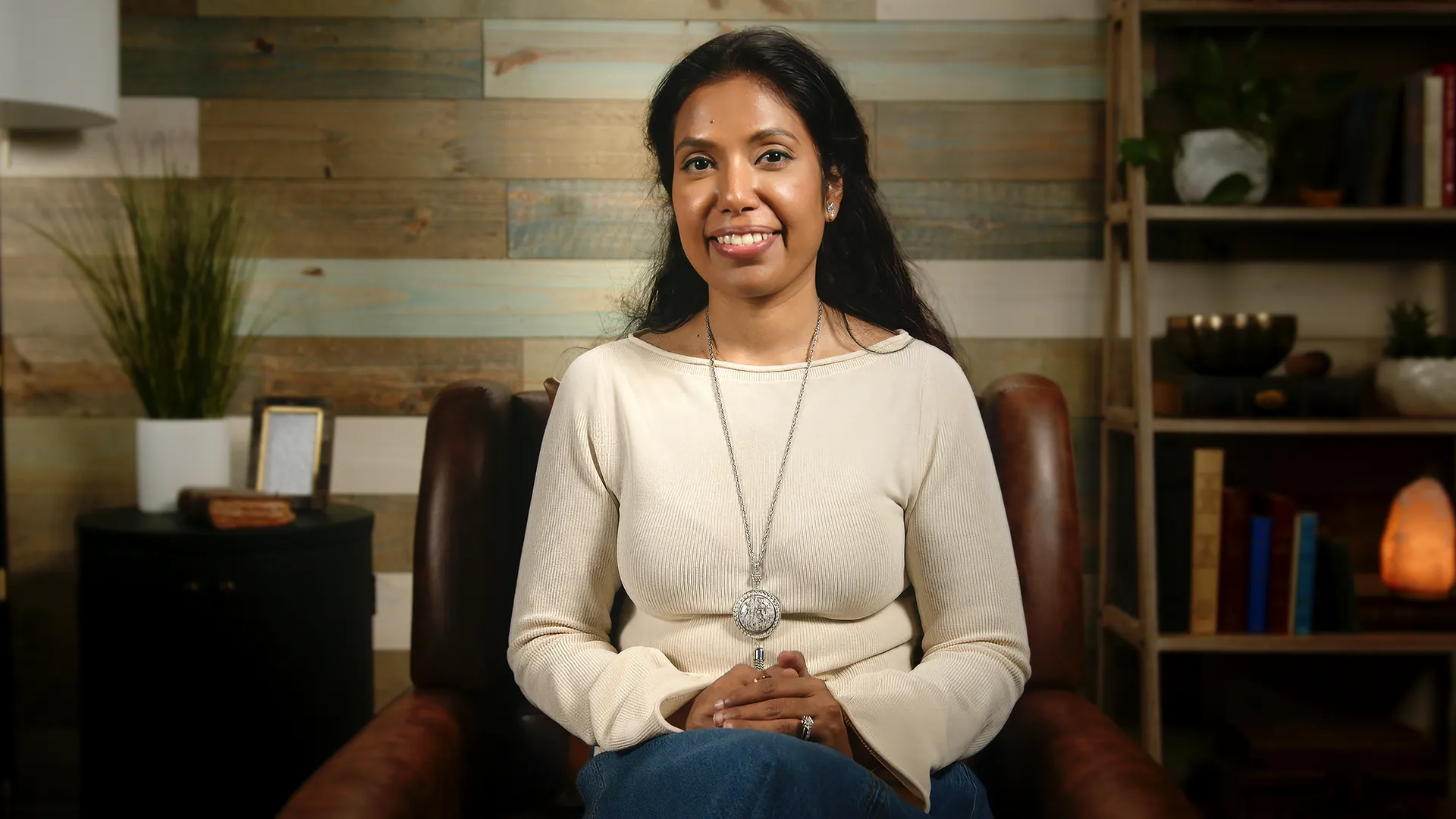
Learn to trust and develop the intuitive senses you already carry. Nikki Dutta teaches it in Awaken Your Psychic Abilities, part of NLS Mastery. Watch the course preview below.
Frequently Asked Questions
What does the Hierophant mean in tarot?
The Hierophant represents tradition, spiritual guidance, shared beliefs, and learning from a teacher or institution.
What does the Hierophant mean upright?
Upright, it points to mentorship, commitment, structured learning, and respect for time-tested practices.
What does the Hierophant reversed mean?
Reversed, it suggests questioning rules, rebelling against convention, or choosing a personal path over inherited beliefs.
What number is the Hierophant?
The Hierophant is card V (five) of the Major Arcana in most modern decks.
What zodiac sign is the Hierophant?
Many systems link the Hierophant to Taurus, though correspondences vary between traditions.
Is the Hierophant a good card?
It is neither good nor bad. It is supportive when you need guidance and challenging when you outgrow a system.
What does the Hierophant mean in love?
It often means commitment, shared values, and traditional milestones. Reversed, it can mean unconventional love or doubts about expectations.
What does the Hierophant mean for career?
It points to mentorship, formal training, and working within an established structure. Reversed, it favors independent paths.
What is the difference between the Hierophant and the Pope card?
They are the same card. Older decks used the name the Pope; the Rider-Waite-Smith deck popularized the name the Hierophant.
What do the crossed keys on the Hierophant card mean?
They are often read as the keys to spiritual and earthly knowledge, or to the conscious and unconscious mind.
Sources and Further Reading
Spirituality for the Rest of Us™
Movies, series, documentaries, audiobooks, audio courses and guided meditations on awakening and consciousness, all in one place. 14-day money-back guarantee.