The most famous near-death experiences are Pam Reynolds’s 1991 brain surgery account, Howard Storm’s 1985 account of being rescued after a perforated bowel, Eben Alexander’s 2008 coma, and the research of Raymond Moody, who coined the term “near-death experience” in 1975. Each is well documented in books and interviews, each is debated, and each shaped how millions of people think about death.
If you have ever wondered where the modern conversation about the near-death experience began, these are the names you will meet again and again. This guide walks through each case in plain language, shows what the person reported, and lays out what critics say, so you can weigh it yourself.
It is a companion to our full guide to near-death experiences, and it goes deeper on the people behind the headlines. Several of them have also sat down with us on camera, and you will find those conversations along the way.
Key Takeaways
- Pam Reynolds (1956 to 2010) reported floating above the operating table during a 1991 surgery in which her body temperature was lowered to about 50 degrees Fahrenheit.
- Howard Storm, a self-described atheist, reported a frightening encounter followed by a rescue, and later wrote My Descent Into Death.
- Neurosurgeon Eben Alexander reported a vivid experience during bacterial meningitis in 2008, and his book Proof of Heaven drew both fans and fierce critics.
- Raymond Moody gave the phenomenon its name in Life After Life (1975), and Kenneth Ring later described a five-stage pattern.
- Skeptics offer medical explanations for every famous case, so the honest summary is that these are reports worth studying, not settled proof.
What Makes a Near-Death Experience Famous?
Thousands of people report near-death experiences. A few became household names because they combined a dramatic medical situation, a credible storyteller and a book or documentary that carried the story to a wide audience. In most of the cases below, the person was a professional with a reputation to protect, and in several the medical record is unusually detailed.
Fame does not make an account true or false. It simply means more people have examined it, and that gives us more material to read, compare and question. For a clear definition of the terms used here, see our glossary entries on life review, consciousness and the afterlife.
Pam Reynolds: The Standstill Operation
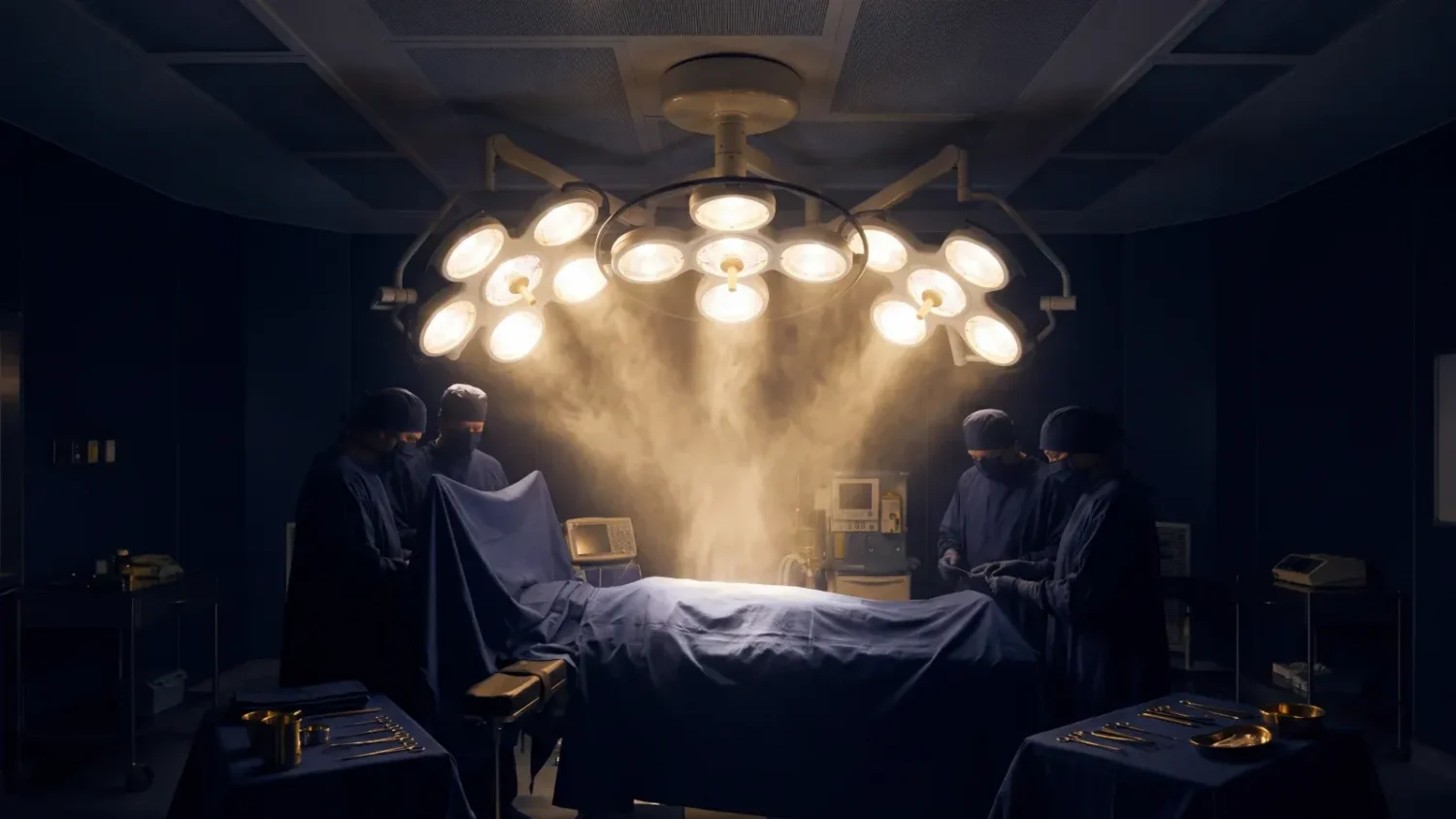
Pam Reynolds was a singer and songwriter from Atlanta (1956 to 2010) who, in 1991, needed surgery for a large brain aneurysm. Her surgeon was Robert Spetzler at the Barrow Neurological Institute in Phoenix, and the procedure is known as a “standstill operation,” a form of deep hypothermic circulatory arrest.
In plain terms, the team lowered her body temperature to about 50 degrees Fahrenheit (10 degrees Celsius), stopped her heart and breathing, and drained the blood from her head so the aneurysm could be repaired safely. Her eyes were taped shut and small speakers in her ears played clicking sounds. The surgery lasted about seven hours.
What Pam Reynolds Reported
- She felt herself float above the operating table and watched the surgery from above.
- She described the surgical saw, which she said looked like an electric toothbrush, and she recalled a sound she identified as a D natural.
- She reported moving toward a light and meeting deceased relatives, including her grandmother and an uncle.
- She said she was pushed back into her body, and described the return as like jumping into ice water.
Cardiologist Michael Sabom, who interviewed her, presented the case in his book Light and Death (1998). It was also the subject of a BBC documentary titled The Day I Died, which is how many people first heard of it. You can read the background on Wikipedia.
What Critics Say
Skeptics, including anesthesiologist Gerald Woerlee and psychologist Chris French, argue that the “flatline” period has been misrepresented. Their view is that Pam may have had anesthesia awareness and heard the surgery before or after the period of standstill, rather than during it. Supporters of the near-death interpretation respond that the clicks in her ears and the closed eyes make ordinary perception unlikely. Both sides cite the same timeline, which is why the case remains an argument rather than a conclusion.
Our main guide includes a shorter section on Pam Reynolds, and it also covers related ideas such as shared death experiences and terminal lucidity.
Howard Storm: From Atheist Professor to Author
Howard Storm (born October 26, 1946) was chair of the art department at Northern Kentucky University and described himself as an atheist and an aggressive one. In June 1985, while in Paris, he suffered a perforated duodenum and was taken to the Hôpital Cochin.
In his telling, he left his body and was drawn into a dark place where humanoid creatures attacked him. He said that, remembering a childhood prayer, he called out to Jesus, and that beings of light rescued him, led him through a life review and spoke to him about how to live. He later left academia, became a pastor and wrote My Descent Into Death (2000), and he appeared on programs such as The Today Show and Oprah. See his Wikipedia biography.
Storm’s account is a good example of a distressing near-death experience, which researchers say is less commonly reported than peaceful ones. For how faith shapes these reports, see our guide to near-death experiences and religion.
Eben Alexander: A Neurosurgeon Changes His Mind
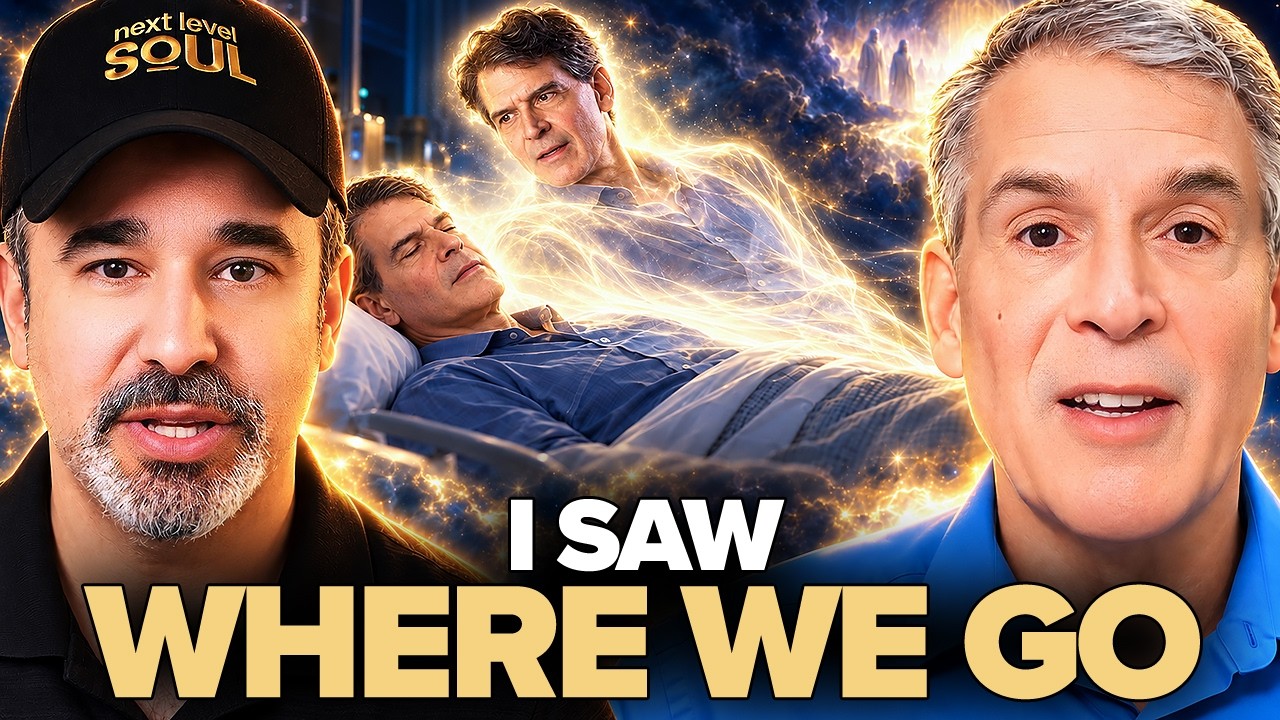
Eben Alexander (born December 11, 1953) is a neurosurgeon who taught at Harvard Medical School. In November 2008 he contracted bacterial meningitis and spent about a week in a medically induced coma. He has said that during that time he experienced a vivid journey beyond the physical world, which he describes in Proof of Heaven (2012). The book spent 97 weeks on the New York Times bestseller list, and a second book, The Map of Heaven, followed in 2014.
His account is also among the most disputed. A 2013 Esquire article questioned his medical claims, and critics including Sam Harris and Oliver Sacks have raised objections. Alexander responded in a Newsweek piece, saying that Esquire “cherry-picked” the facts. Read the overview on Wikipedia, then hear him in his own words:
Neurosurgeon Dies and Sees What Happens Between Lives with Dr. Eben Alexander. He recalls the face of his son Bond, a life review and what he took from the coma.
Raymond Moody: The Man Who Named the Experience
Raymond Moody (born June 30, 1944) is a physician and psychologist who coined the phrase “near-death experience” in his 1975 book Life After Life, which carried a foreword by Elisabeth Kübler-Ross. He was inspired in part by George G. Ritchie (1923 to 2007), whose story appears in Return From Tomorrow (1978). Moody collected accounts from many people and described common elements such as moving through a tunnel, meeting loved ones, a being of light and a review of one’s life. See Raymond Moody and Life After Life on Wikipedia.
In 1980, psychologist Kenneth Ring described a five-stage continuum of the experience, and in 1981 the International Association for Near-Death Studies (IANDS) was founded in North Carolina. Jeffrey Long and the NDERF project later reported, by their own assessment, a high accuracy rate for details people said they perceived while resuscitated. That figure comes from NDERF and has not been independently confirmed.
The Father of Near Death Experiences with Dr. Raymond Moody. Dr. Moody recorded this episode at age 77 and looks back on a lifetime of listening to people who came close to death.
Robert Marshall: Heaven in Detail
Not every famous account comes from a book deal. Robert Marshall told us that, according to his records, he died three times, and he describes heaven with concrete sensory detail, including a melodic hum he heard in the trees. His story is a good reminder that the details people report are often ordinary and specific rather than abstract.
He Died Three Times and Remembers Heaven in Detail with Robert Marshall.
The Famous Cases Side by Side
| Person | Year | Medical situation | Key theme reported | Main criticism |
|---|---|---|---|---|
| Pam Reynolds | 1991 | Brain aneurysm surgery with hypothermic standstill | Floating above the table, a light, relatives | Possible anesthesia awareness; disputed timeline |
| Howard Storm | 1985 | Perforated duodenum | A frightening descent, then rescue and a life review | Hallucination and cultural expectation |
| Eben Alexander | 2008 | Bacterial meningitis, medically induced coma | A journey beyond the physical world | Disputed medical claims (Esquire, 2013) |
| Raymond Moody (researcher) | 1975 | Collected many accounts | Common elements across reports | Selection of cases, no controlled study |
How to Read These Stories
You can hold two ideas at once. First, the people who report these experiences are usually sincere, and many describe lasting changes in how they live. Second, medicine offers possible explanations, from oxygen shortage to the effects of drugs to memory forming during recovery. Researchers have not settled the question, and anyone who tells you it is closed in either direction is going further than the evidence does.
A useful habit is to ask three questions about any story: what was the medical situation, who verified the details and when were they first recorded. Ancient and cross-cultural accounts add another layer, which Greg Shushan explores in this conversation:
Ancient Civilizations Described NDEs Long Before Modern Medicine with Greg Shushan.
Episodes to Watch Next
 Dr. Eben Alexander on What Happens Between Lives
 Dr. Raymond Moody, the Father of Near-Death Experiences
 Robert Marshall on Dying Three Times and Remembering Heaven
 Greg Shushan on Ancient Civilizations and Near-Death Experiences
 Bridget Cook-Burch on Dying and Meeting Jesus
Go Deeper: Books, Audiobooks and Meditations
If these stories drew you in, start with the books by the people above.
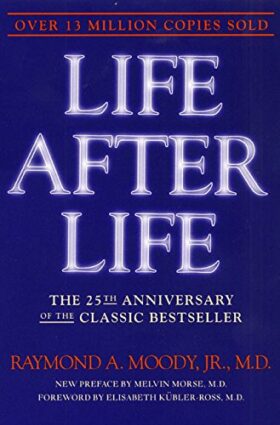 Life After LifeRaymond Moody’s 1975 book that named the near-death experience.
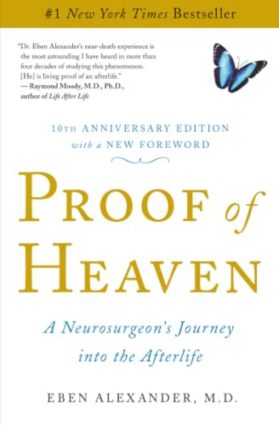 Proof of HeavenA neurosurgeon’s account of his 2008 coma.
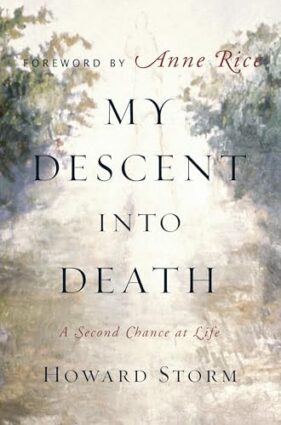 My Descent Into DeathHoward Storm’s story of a rescue from darkness.
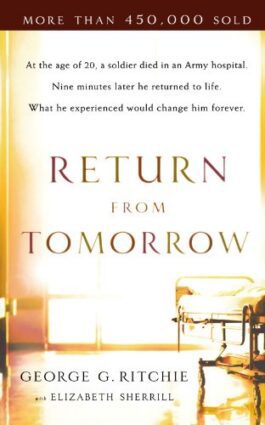 Return From TomorrowGeorge Ritchie’s account that inspired Moody.
Prefer to listen? Browse the NLS TV audiobooks and audio courses, and settle into the guided meditations when you want a quieter way to reflect on life and death. Our free masterclasses and the gift page are good next stops too.
Sources and Further Reading
Spirituality for the Rest of Us™
Movies, teachings and community on Next Level Soul TV.
Near-Death Experience Documentaries on Next Level Soul TV
Frequently Asked Questions About Famous Near-Death Experiences
Who is Pam Reynolds and why is her near-death experience famous?
Pam Reynolds (1956 to 2010) reported floating above the operating table during a 1991 brain aneurysm surgery in Phoenix, during which her body temperature was lowered and her heart and breathing were stopped. The case is famous because the surgery was so closely monitored and because cardiologist Michael Sabom wrote about it in Light and Death.
Was Pam Reynolds really clinically dead?
During the standstill procedure her body temperature was lowered to about 50 degrees Fahrenheit and her heartbeat and breathing were stopped. Critics such as Gerald Woerlee and Chris French argue the “flatline” period has been misrepresented and that anesthesia awareness may explain her recollections, so the exact timeline is disputed.
What did Pam Reynolds see during her operation?
She reported floating above the table, describing the surgical saw as looking like an electric toothbrush, hearing a D natural, moving toward a light and meeting deceased relatives such as her grandmother and an uncle.
Who coined the term near-death experience?
Raymond Moody coined the phrase “near-death experience” in his 1975 book Life After Life, which had a foreword by Elisabeth Kübler-Ross.
What happened to Howard Storm?
Howard Storm, then an art professor and self-described atheist, suffered a perforated duodenum in Paris in June 1985. He reported a frightening encounter, calling out to Jesus and a rescue by beings of light, and later wrote My Descent Into Death.
Is Proof of Heaven by Eben Alexander accurate?
Eben Alexander describes a vivid experience during bacterial meningitis in 2008. Critics, including a 2013 Esquire article, questioned his medical claims, and Alexander responded that the article cherry-picked the facts. Reasonable people weigh the evidence differently.
What are the stages of a near-death experience?
Kenneth Ring described a five-stage continuum in 1980. Raymond Moody earlier listed common elements such as a tunnel, a being of light, meeting loved ones and a life review. Not everyone reports every element.
Do skeptics have an explanation for near-death experiences?
Yes. Skeptics point to oxygen shortage, drug effects, brain activity during recovery and anesthesia awareness. Supporters say these explanations do not fully account for every reported detail. The question remains open.
Are all near-death experiences peaceful?
No. Howard Storm’s account began with a frightening encounter before his rescue. Researchers report that distressing experiences exist but are less commonly reported than peaceful ones.
Where can I learn more about near-death experiences?
Start with our full guide to near-death experiences, the Next Level Soul interviews with Eben Alexander, Raymond Moody and Robert Marshall, and the books listed above.
Go Deeper with NLS Mastery: Beyond the Veil
A grounded exploration of what lies beyond death and how that understanding changes how we live. Julie Ryan teaches it in Beyond the Veil, part of NLS Mastery. Watch the course preview below.