To open your chakras as a beginner, start gently: sit quietly, breathe slowly, bring your attention to one energy center at a time, and use simple tools such as color, sound and movement. In Hindu and Buddhist tantric traditions, the chakras are centers of subtle energy along the spine, and practice is about steady attention, not force. Many teachers prefer words like tend or balance to open, and that spirit of patience is a good place to begin.
Key Takeaways
- Start with one: Choose a single chakra, often the root, and spend a week with it before moving on.
- Core tools: Slow breathing, seated meditation, color visualization, mantra and gentle movement are the traditional foundations.
- Go slowly: Short, regular practice of 5 to 15 minutes works better than long, forceful sessions.
- Honest framing: Chakras come from yogic and tantric traditions. They are not measured by science, so treat the practice as a spiritual and relaxation practice, not treatment.
- Know your limits: If a practice makes you dizzy, anxious or unsettled, ease off, and talk with a qualified professional if distress continues.
What Are Chakras and What Does It Mean to Open Them?
The word chakra is Sanskrit for “wheel.” In Hindu and Buddhist tantric yoga, chakras are visualized as centers of psychic or spiritual energy within the subtle body. The best-known modern system lists seven, running from the base of the spine to the crown of the head. The seven-chakra model reached many Western readers through Sir John Woodroffe’s 1919 book The Serpent Power, and it has since become part of modern yoga and wellness culture.
When people say “open” a chakra, they usually mean bringing awareness to an area of life, such as security, creativity, love or expression, and releasing habits that feel stuck. Think of it less like prying a door and more like opening a window to let in air. For the full picture, see our complete guide to the 7 chakras.
Opening Your Chakras at a Glance
| Question | Quick answer |
|---|---|
| How many main chakras are there? | Seven in the most popular modern system. |
| Where do they sit? | From the base of the spine up to the crown of the head. |
| What does “open” mean? | Bringing mindful attention to that area of life and body, and letting tension ease. |
| Where should a beginner start? | With the root chakra, then work upward at your own pace. |
| How long should I practice? | 5 to 15 minutes a day is plenty. |
| What tools are used? | Breath, meditation, visualization, mantra, movement and time in nature. |
| Is there scientific proof of chakras? | No. They are a spiritual concept, so the practice is for reflection and relaxation. |
The Seven Chakras: A Beginner’s Map
A map helps before a walk. The table below shows the traditional name, location, color and the area of life each chakra is associated with in modern teaching. Colors and themes vary a little between teachers. For the color story, see chakra colors.
| Chakra | Sanskrit name | Location | Color | Theme | Seed sound |
|---|---|---|---|---|---|
| Root | Muladhara | Base of spine | Red | Safety, grounding | LAM |
| Sacral | Svadhisthana | Lower belly | Orange | Creativity, pleasure | VAM |
| Solar plexus | Manipura | Upper belly | Yellow | Confidence, will | RAM |
| Heart | Anahata | Center of chest | Green | Love, compassion | YAM |
| Throat | Vishuddha | Throat | Blue | Expression, truth | HAM |
| Third eye | Ajna | Between the brows | Indigo | Intuition, insight | OM |
| Crown | Sahasrara | Top of the head | Violet or white | Connection, stillness | Silence or OM |
Before You Begin: Set Up Gently
You do not need special gear. You need a quiet spot, a few minutes and the willingness to feel what is already there.
- Pick a time that is easy to repeat, such as after waking or before bed.
- Sit on a chair or cushion with your spine long and shoulders loose.
- Keep water nearby and wear comfortable clothes.
- Silence your phone. Even five undisturbed minutes help.
- Decide you will stop if anything feels uncomfortable. Practice is a conversation, not a test.
How to Open Your Chakras Step by Step
This short sequence works for beginners. Move through it slowly and stay with each step as long as it feels natural.
- Settle. Close your eyes and take five slow breaths. Let the exhale be a little longer than the inhale.
- Choose one chakra. Begin with the root. Place a hand on the base of your spine or lower belly if that helps.
- Visualize its color. Imagine a soft red glow at the base of your spine, like a warm lamp. Let it be simple.
- Add the seed sound. Chant “LAM” quietly or silently on the exhale for a few rounds. Notice any vibration.
- Ask a gentle question. For the root: where do I feel safe today? Listen without trying to fix anything.
- Move up if you wish. On later days, add the sacral, then the solar plexus, and so on. There is no rush.
- Close with thanks. Rest for a minute, breathe naturally and open your eyes slowly. Write one line in a journal.
If you prefer to be guided, our chakra alignment meditations walk you through the centers in order.
Simple Ways to Tend Each Chakra Through Daily Life
Traditional practice is not only seated meditation. Everyday choices can support the same themes. These suggestions come from yoga and wellness traditions, and they are meant as gentle invitations.
| Chakra | Everyday practice | Quick idea |
|---|---|---|
| Root | Grounding, routine, time outdoors | Walk barefoot on grass or stand with feet planted for one minute. |
| Sacral | Creative play, flowing movement | Dance to one song or doodle without a goal. |
| Solar plexus | Small acts of follow-through | Finish one tiny task you have been avoiding. |
| Heart | Kindness, gratitude, time with loved ones | Write down three things you appreciate. |
| Throat | Honest speech, singing, journaling | Say one true thing kindly today. |
| Third eye | Quiet, dream notes, intuition practice | Spend two minutes noticing your first impressions. |
| Crown | Stillness, prayer, silence | Sit without an agenda for five minutes. |
Breathwork can deepen these practices. Keep it gentle: slow, even breaths, never forced or held to the point of strain.
How Long Does It Take, and How Will I Know It Is Working?
There is no finish line, and no one can measure chakras on a machine. People who practice often describe subtler things: feeling calmer, sleeping a little better, noticing emotions earlier, or seeming less reactive. Those are personal reports, not guarantees.
A helpful rhythm for beginners is one chakra per week for seven weeks, then a short full-body pass whenever you like. Keep a journal. Looking back after a month tells you more than any single session.
Be wary of anyone who promises fast results, a dramatic awakening or a specific cure. Practices aimed at rousing strong energy, such as those described in kundalini teachings, are best approached slowly and with a qualified teacher.
Common Mistakes and Misconceptions
- Trying to force it. Straining often creates tension. Softness works better.
- Working all seven at once. One at a time lets you feel the differences.
- Treating a “blocked chakra” as a diagnosis. Feeling stuck is human. It is not a medical condition.
- Skipping the body. Sleep, food, movement and relationships matter as much as visualization.
- Believing you must do it perfectly. Five imperfect minutes beat an hour you never start.
Chakra practice is a spiritual and relaxation practice, not medical treatment. If you experience persistent anxiety, dizziness or distress, please speak with a doctor or licensed mental health professional.
Go Deeper
When you are ready for more, explore guided practices in our guided meditations library on Next Level Soul TV, and keep your chakra chart handy as you learn the language of each center.
Go Deeper with NLS Mastery: Ancient Meditation for Inner Stillness
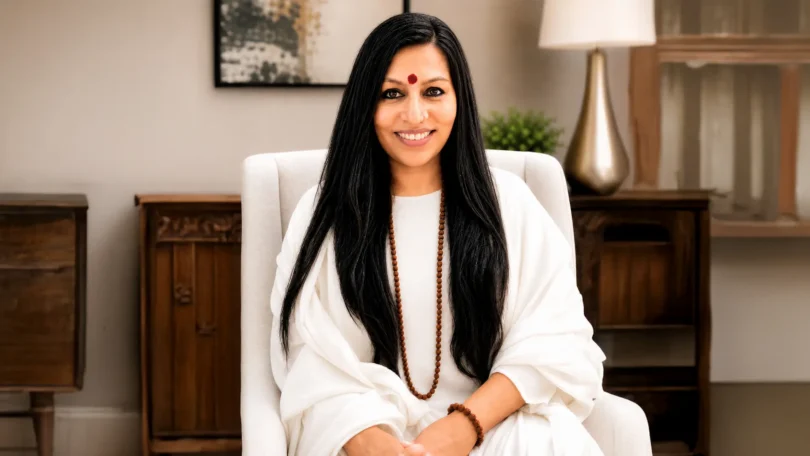
If chakra practice has you curious about meditation itself, this course teaches the ancient, step-by-step path to inner stillness. Acharya Shunya teaches it in Ancient Meditation for Inner Stillness, part of NLS Mastery. Watch the course preview below.
Frequently Asked Questions
How do I open my chakras for beginners?
Sit quietly, breathe slowly, focus on one chakra at a time and use its color, seed sound and a simple question. Start with the root chakra and practice 5 to 15 minutes a day.
Which chakra should I open first?
Most traditions suggest starting with the root chakra, because it is about grounding and safety, and working upward.
How long does it take to open a chakra?
There is no set timeline. Many beginners spend a week on each chakra, but the experience is personal and not measurable.
Can I open all seven chakras at once?
You can, but beginners often find it easier to work with one at a time so they can notice the differences.
What are the signs a chakra is opening?
People describe feeling calmer, more grounded, more creative or more expressive. These are personal impressions, not proof of any physical change.
Is it safe to open your chakras?
Gentle practices such as breathing, meditation and visualization are generally considered low risk. If anything feels distressing, stop and speak with a professional.
What is a blocked chakra?
In modern spiritual teaching, it is a way of describing feeling stuck in the theme of that chakra. It is a metaphor, not a medical diagnosis.
Do I need a teacher to open my chakras?
Not for simple, gentle practices. For intense methods, especially anything involving strong breathwork or kundalini, a qualified teacher is wise.
What are the seed mantras for the chakras?
The traditional bija sounds are LAM, VAM, RAM, YAM, HAM and OM for the first six, with the crown often practiced in silence or with OM.
Do chakras exist scientifically?
No scientific evidence shows chakras as physical structures. They are a concept from Hindu and Buddhist tantric traditions used for meditation and reflection.
Can I open chakras with meditation alone?
Yes. Many people use only seated meditation with breath and visualization, and that is a complete beginner practice.
Sources and Further Reading
Spirituality for the Rest of Us™
Movies, series, documentaries, audiobooks, audio courses and guided meditations on awakening and consciousness, all in one place. 14-day money-back guarantee.