
A calming meditation app offers soft guidance, slow breathing, gentle sound or relaxation sessions to help you pause and settle. Look for unhurried voices, short sessions, simple navigation and honest claims, then use it as a small daily ritual rather than a fix. Calm is a spiritual and relaxation experience that comes and goes; it is not treatment, and if distress is heavy or lasting, a qualified professional is the right support.
Key Takeaways
- What calms: Slow breath, a soft voice, gentle sound and permission to stop doing for a few minutes.
- Choose gentle: Sessions that are short, unhurried and easy to start are best on hard days.
- Make it a ritual: The same chair, same time and same tune teach the body to settle.
- Real life first: Walks, water, rest and people matter too. An app is one tool among several.
- Honest limits: Calming practices are not treatment. Seek professional help for persistent anxiety or distress.
What Is a Calming Meditation App?
Some days you do not want a course. You want a minute where nothing is asked of you. A calming meditation app is built for that: short, soothing sessions that invite your breath to slow and your attention to rest.
What counts as calming varies by person. For one it is a gentle voice counting breaths. For another it is rain sounds, a soft bell or a slow body scan. The category is less about a specific technique and more about the feel: soft, spacious and unhurried.
The overview of guided meditation notes that many guided sessions combine relaxation, music, imagery and mindfulness. A calming app usually leans on those relaxation-oriented ingredients.
Calming Meditation App at a Glance
| Question | Quick answer |
|---|---|
| What is it? | An app with soft, soothing sessions for settling the mind and body. |
| Common ingredients | Slow breathing, body relaxation, gentle voice, nature sounds, soft music. |
| Session length | 1 to 20 minutes; shorter sessions suit stressful days. |
| Best moments to use | Morning transition, midday pause, evening wind-down. |
| Look out for | Loud ads, abrupt sounds, hyped promises and busy interfaces. |
| Health note | A spiritual and relaxation practice, not treatment. |
What Traditions Say About Calm
Calm has long been a goal of contemplative practice. In Buddhist teaching, samatha refers to calm abiding, often paired with vipassana, insight. The Wikipedia overview of meditation describes this division of practice. In yoga traditions, breath regulation and stillness have been used for centuries to quiet the mind.
Notice what these traditions do not say. They do not say calm is a permanent state or that you should feel it every time you sit. Calm is a quality that visits. The skill is to make space for it and to be gentle when it does not appear.
Modern research on relaxation and meditation is mixed. The NCCIH overview says many findings are preliminary or of uneven quality, and that meditation should not replace conventional care. That is a sensible frame: calm is welcome, and it is one part of a bigger picture.
Features That Genuinely Help
Gentle voices and unhurried pacing
The voice carries most of the calm. Listen for warmth, silence between phrases and invitations rather than commands.
Control over sound
Some people are soothed by rain and soft tones. Others find them irritating. Look for volume mixing, or a voice-only option.
Very short sessions
A one- to three-minute reset is a real tool. You can use it in a parked car, before a meeting or at the kitchen counter.
Breath pacing
Some apps animate a slow breath. A gentle rhythm can help, as long as it feels natural. If it feels forced or you become light-headed, stop and breathe normally.
Evening wind-down
Slow body scans and quiet narration can ease the transition to night. For a traditional approach, yoga nidra is a guided practice of deep rest.
A simple, quiet design
If an app is cluttered or noisy, it undercuts its own purpose. Calm design is part of calming practice.
Calming Session Types at a Glance
| Session | What it feels like | Good moment |
|---|---|---|
| Breath reset | Slow in and out, one to three minutes | Before a hard conversation |
| Body relaxation | Soft attention moving through the body | After work, or at bedtime |
| Soundscape | Rain, ocean, forest or tones, no talking | Quiet focus or rest |
| Gentle visualization | A calm place imagined in detail | Short breaks, evening |
| Loving-kindness | Kind phrases for yourself and others | When you feel harsh or lonely |
| Wind-down | Slow narration, fading music | Close of day |
You do not need all of them. Choose two or three and learn them well.
How to Use a Calming Meditation App
- Pick a ritual moment. The first thing after you sit at your desk, or the last thing before you turn out the light.
- Dim the room if you can. Lower light tells the body to slow.
- Put the phone in do not disturb. The session is already downloaded.
- Let your shoulders drop. Notice your jaw, your hands, your belly. Soften whatever you notice.
- Breathe longer on the exhale. A comfortable, slightly longer out-breath is a classic relaxing pattern. Never strain.
- Stay a minute after. Do not rush to the next thing.
- Notice what helped. The voice, the sound, the length? Save that one.
If you want to build a daily habit around it, our main guide to the meditation app shows how to choose tools and keep a practice going.
Calm Without an App
Apps are convenient, but you carry calming tools with you everywhere.
- Three slower breaths. Count four in, six out, comfortably.
- Name five things you see. A simple way to return to the room.
- Hands on a warm mug. Feel the temperature.
- A short walk. Notice your feet. See walking meditation.
- Step outside. Light and air help many people reset.
These are small, free and always available. They also build confidence that you can calm yourself without a device.
A Gentle Week of Calm
| Day | Moment | Practice | Length |
|---|---|---|---|
| Mon | Morning | Three slow breaths before you check your phone | 1 minute |
| Tue | Midday | Breath reset at your desk or in the car (parked) | 3 minutes |
| Wed | Evening | Body relaxation session | 10 minutes |
| Thu | Anytime | Soundscape while you tidy or read | 10 minutes |
| Fri | Afternoon | Loving-kindness phrases for yourself | 5 minutes |
| Sat | Outdoors | Slow walk without headphones | 10 minutes |
| Sun | Night | Wind-down session and lights out | 10 to 15 minutes |
Treat the plan as a menu. If one day brings a better idea, take it. The aim is to teach your body that pauses are safe and available.
Many people discover that the shortest practices become the most useful. A single conscious breath at a red light, a pause before opening the door at home, a moment of stillness before eating. These are tiny and free, and they accumulate.
Calming or Focused: Choosing the Right Mood of Session
Not every session needs to soothe. Sometimes you want clarity instead. Knowing the difference helps you choose well.
- Calming sessions slow things down: soft voice, longer exhales, relaxation.
- Focus sessions train attention: counting breaths, noting thoughts, steady anchors.
- Compassion sessions soften the heart: kind phrases, gratitude, forgiveness themes.
- Sleep sessions let go of the day: long, quiet, fading.
On a frazzled afternoon, a focus session may feel better than a floaty one. On a tender evening, the opposite. Let the day tell you what it needs.
Misconceptions and Honest Limits
“A calming app will fix my anxiety.” It will not. A calming practice can feel soothing for many people. Persistent anxiety, panic, low mood or trouble sleeping deserve professional care. The NCCIH advises not to use meditation to replace conventional care or to delay seeing a provider.
“If I do not feel calm, I did it wrong.” You did not. Sometimes sitting still brings restlessness up before it settles. That is information, not failure.
“Calm means feeling nothing.” Calm is not numbness. A calm mind can hold sadness, joy and everything between.
“Meditation is risk-free.” It is generally considered low-risk, but a minority of people report unpleasant experiences, most often anxiety or low mood. If a session makes you feel worse, stop and reach out to a qualified professional.
Educational information, not medical advice. If you are in crisis or feel unsafe, contact local emergency services or a crisis line right away.
Go Deeper on Next Level Soul
Next Level Soul TV is a spiritual library with guided meditations, not a dedicated meditation app. If you are looking for quiet moments, start with the guided meditations, including relaxation and end of day themes. Membership is $19.99 a month or $199 a year, with 3,500+ hours of content and a 14-day money-back guarantee.
Whatever tool you choose, may your practice be gentle, regular and your own.
Go Deeper with NLS Mastery: Ancient Meditation for Inner Stillness
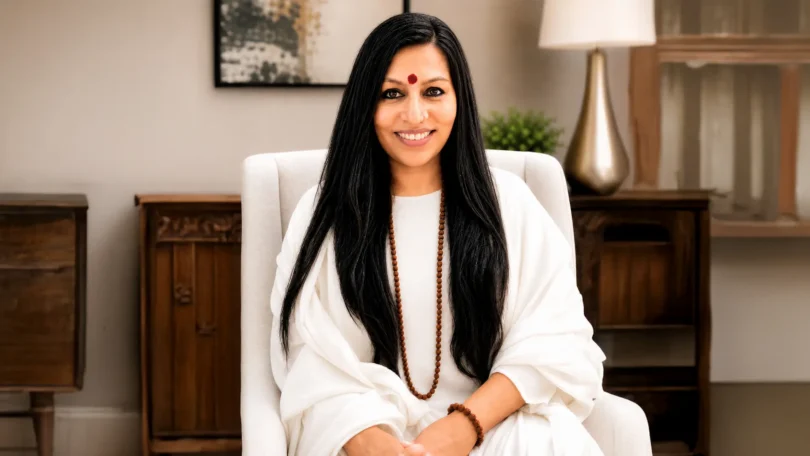
For a deeper stillness that travels with you beyond any app, this course teaches meditation as an ancient practice for the inner life. Acharya Shunya teaches it in Ancient Meditation for Inner Stillness, part of NLS Mastery. Watch the course preview below.
Frequently Asked Questions
What is a calming meditation app?
It is an app with soothing sessions, such as slow breathing, relaxation, gentle voices and soft sounds, that help you pause and settle.
Can a calming meditation app help me relax?
Many people find slow breathing and soft guidance relaxing. It is a spiritual and relaxation practice, and results vary.
Will a calming meditation app help with anxiety?
It may feel soothing, but it is not a treatment. For persistent or severe anxiety, please speak with a qualified professional.
What should I look for in a calming meditation app?
Gentle voices, short sessions, control over sound, a simple design and honest claims.
How long should a calming session be?
One to ten minutes works for most days. Short sessions are easy to repeat.
When is the best time to use a calming meditation app?
Many people use it in the morning, during a midday pause or in the evening. Choose a time you can repeat.
Are nature sounds calming?
They are for many people, and irritating for others. Try different sounds and keep what helps.
What if I feel more restless when I try to calm down?
That can happen. Keep sessions short, open your eyes if you like, and try a walking or breath practice. If it persists, consult a professional.
Can I use it before bed?
Yes. Many people use slow, quiet sessions to wind down. For persistent sleep trouble, talk to a healthcare professional.
Do I need headphones?
No. A speaker works in a quiet room. Headphones can reduce outside noise.
Is Next Level Soul TV a calming meditation app?
No. It is a spiritual library with guided meditations, along with movies, series, documentaries, audiobooks and audio courses.
Sources and Further Reading
Spirituality for the Rest of Us™
Movies, series, documentaries, audiobooks, audio courses and guided meditations on awakening and consciousness, all in one place. 14-day money-back guarantee.