

The best books on Jesus and the Gnostic Gospels are Elaine Pagels’ The Gnostic Gospels for the history, The Nag Hammadi Scriptures for the texts themselves, and Neil Douglas-Klotz’s The Hidden Gospel for the Aramaic teachings.
Below are 14 books worth your time, grouped by what you are looking for: the texts and their story, Mary Magdalene and the hidden feminine, and the mystical Jesus. Each one comes with who it is for, so you can pick the right one tonight.
Key Takeaways
- Start with Elaine Pagels. The Gnostic Gospels is the clearest way into the history of the hidden texts.
- Read the texts themselves. The Nag Hammadi Scriptures and Meyer’s Gospel of Thomas let you meet the sayings without a filter.
- For Mary Magdalene, try Leloup or Watterson. One is a mystical commentary, the other a warm modern guide.
- For the mystical Jesus, read Douglas-Klotz or Yogananda. Both read the gospels as a call to awaken within.
- Hold every big claim with discernment. The lost years and India theories are debated, and we say where.
- Prefer to listen? Our podcast guests below include Neil Douglas-Klotz, Tim Freke, Aaron Abke and David Cielak.
What Are the Gnostic Gospels?
The Gnostic Gospels are a group of early Christian writings that were left out of the New Testament. Many of them came to light in 1945, when a jar of thirteen ancient books was found near Nag Hammadi in Egypt. They include the Gospel of Thomas, the Gospel of Philip, the Gospel of Truth and the Gospel of Mary.
Where the New Testament gospels tell what Jesus did, many of these texts focus on what he taught about the divine spark within each person and the path of inner knowing, or gnosis. Books on Jesus and the Gnostic Gospels range from careful translations to bold interpretations. If you want the overview first, start with our guide to the Gnostic Gospels, our explainer on the Gospel of Thomas or our look at Jesus of Nazareth and his teachings.
Books on Jesus and the Gnostic Gospels at a Glance
| Book | Best for | Type | Voice |
|---|---|---|---|
| The Gnostic Gospels (Pagels) | First read | History | Historian |
| The Nag Hammadi Scriptures (Meyer) | The primary texts | Texts | Scholar |
| The Gospel of Thomas (Meyer) | Slow reading | Texts | Scholar |
| The Gnostic Bible (Barnstone, Meyer) | The wider tradition | Anthology | Scholars |
| Beyond Belief (Pagels) | Why gospels were left out | History | Historian |
| Misquoting Jesus (Ehrman) | A skeptic’s check | Textual criticism | Scholar |
| The Gospel of Mary Magdalene (Leloup) | Mary as teacher | Text and commentary | Theologian |
| Mary Magdalene Revealed (Watterson) | A warm modern guide | Interpretation | Theologian |
| Jesus and the Lost Goddess (Freke, Gandy) | Big ideas | Interpretation | Philosophers |
| The Hidden Gospel (Douglas-Klotz) | The Aramaic Jesus | Translation | Scholar and teacher |
| The Lost Years of Jesus (Prophet) | The lost years case | Documents | Spiritual teacher |
| Jesus Lived in India (Kersten) | Following a theory | Investigation | Author |
| The Second Coming of Christ (Yogananda) | Christ within | Commentary | Yogi |
| The Aquarian Gospel (Dowling) | Devotional reading | Visionary text | Visionary |
How Do I Choose the Right Book on Jesus and the Gnostic Gospels?
Start with the question you are carrying. If it is “what are these texts and where did they come from?”, pick Pagels. If it is “what do they actually say?”, pick Meyer. If it is “what did Jesus mean, deep down?”, pick Douglas-Klotz or Yogananda.
A few simple guides help:
- Brand new to the topic? Start with The Gnostic Gospels.
- Want the sayings alone? Try the Gospel of Thomas, one saying a day.
- Drawn to Mary Magdalene? Read Leloup, then Watterson.
- Want a skeptic beside you? Add Misquoting Jesus.
If your questions are wider than Jesus, our list of the top spiritual books and our guide to books on channeling go further. For the lost years, see our guide to the lost years of Jesus.
The Texts and Their Story
These six books help you understand the hidden gospels, read them directly and test them against the evidence.

1. The Gnostic Gospels
Elaine Pagels (Random House, 1979)
Pagels, a Princeton historian of religion, explains what the Nag Hammadi discovery revealed: early Christianity was far more varied than later tradition suggests, with different groups reading Jesus in very different ways. It won the National Book Award and is still the clearest doorway into the subject.
It argues a case rather than simply reporting one, and some scholars question parts of her reading. That is part of its value.
Best for: Readers who want the history and the debate before the texts themselves.
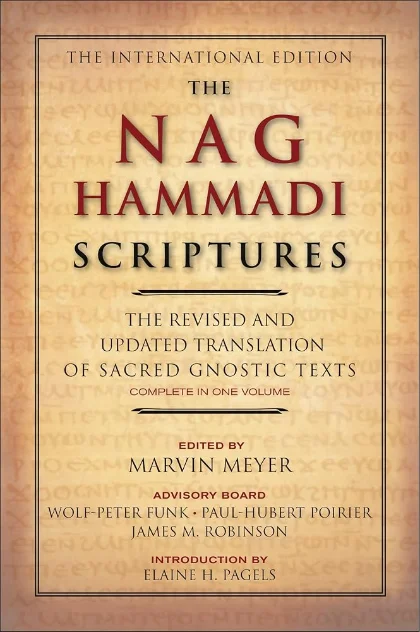
2. The Nag Hammadi Scriptures
Marvin Meyer, general editor (HarperOne, 2007)
A complete modern English translation of the library found in Egypt in 1945, with a short introduction to each text. It includes the Gospel of Thomas, the Gospel of Philip and the Gospel of Truth.
Some texts are strange and demanding, so treat it as a reference you dip into rather than a book you read straight through.
Best for: Readers who want the primary sources, not someone else’s summary.

3. The Gospel of Thomas: The Hidden Sayings of Jesus
Marvin Meyer, with commentary by Harold Bloom (HarperOne)
The Gospel of Thomas is a list of 114 sayings attributed to Jesus, with no story around them. Meyer’s translation is clean and readable, and the sayings reward slow reading, one or two at a time.
Our own explainer on the Gospel of Thomas is a good companion if you want a guide to the key sayings.
Best for: First-time readers of a Gnostic text who want something short and quiet.
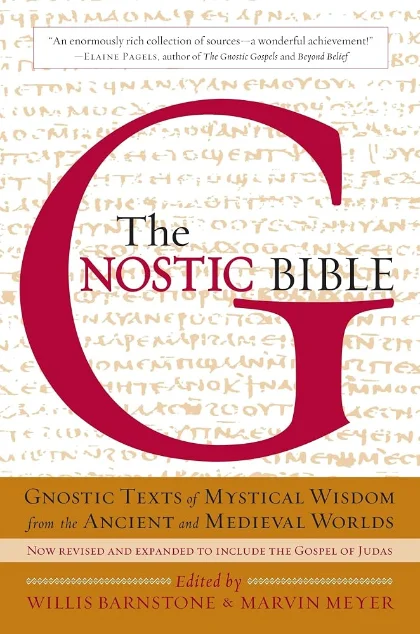
4. The Gnostic Bible
Willis Barnstone and Marvin Meyer (Shambhala, 2003)
A wide anthology of Gnostic writing from the ancient and medieval worlds, including Nag Hammadi texts, Mandaean and Manichaean works and the Hermetic tradition. It shows Gnosticism as a long river rather than a single moment.
It is large, so it works best as a book to explore across months.
Best for: Readers who want the whole Gnostic tradition, not only the gospels.
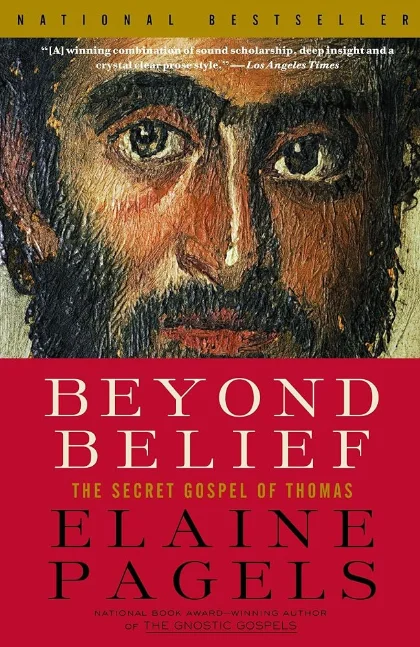
5. Beyond Belief: The Secret Gospel of Thomas
Elaine Pagels (Random House, 2003)
Pagels sets the Gospel of Thomas beside the Gospel of John and asks why one was kept and the other set aside. She writes personally, weaving in her own loss and search, which makes the scholarship easy to follow.
It is a focused argument, and it pairs well with her earlier book.
Best for: Readers who want one clear story about why some gospels were excluded.
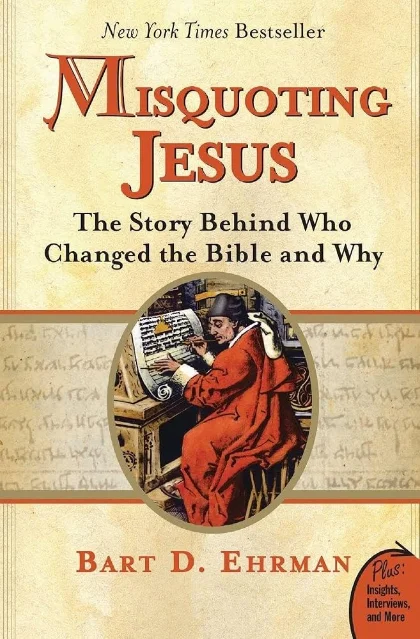
6. Misquoting Jesus
Bart D. Ehrman (HarperOne, 2005)
Ehrman is a textual critic who shows how scribes changed the New Testament over centuries, sometimes by accident and sometimes on purpose. It is not a Gnostic book, but it is a fair reality check on how any ancient text reaches us.
He writes as an agnostic, so expect a skeptical tone. Read it as a counterweight, not as the last word.
Best for: Readers who want a sober look at the manuscripts behind the gospels.
Mary Magdalene and the Hidden Feminine
Mary Magdalene appears in several of these texts as a close student and teacher of Jesus. These three books explore her role and what was lost when it faded.

7. The Gospel of Mary Magdalene
Jean-Yves Leloup (Inner Traditions, 2002)
Leloup translates the Coptic Gospel of Mary and adds a devotional, mystical commentary. In the text, Mary teaches the other disciples about the soul’s journey past the powers that bind it.
His reading is more spiritual than historical, and some scholars disagree with it. As a reflective companion to the text, it is moving.
Best for: Readers drawn to Mary Magdalene as a teacher.

8. Mary Magdalene Revealed
Meggan Watterson (Hay House, 2019)
Watterson, a theologian, argues that Mary Magdalene was the first apostle and that her gospel offers a path of love rather than guilt. She weaves history, translation and her own journey into a warm, modern read.
It leans devotional and personal, so it suits readers who want inspiration as much as history. Our explainer on who Mary Magdalene was covers the facts.
Best for: Readers who want a warm, modern entry point.

9. Jesus and the Lost Goddess
Timothy Freke and Peter Gandy (Three Rivers Press, 2002)
Freke and Gandy argue that the original Christians were Gnostic mystics who saw Jesus as a symbol of awakening, and that the feminine was later removed from the story. It is bold, vivid and very readable.
Mainstream historians dispute many of its claims, so read it as a provocative interpretation. Tim Freke joined us on the podcast to talk about meaning and awakening.
Best for: Readers who enjoy big, daring ideas and can hold them lightly.
The Mystical Jesus and the Lost Years
These five books read Jesus as a spiritual master and follow the mystery of what he did between boyhood and ministry.

10. The Hidden Gospel
Neil Douglas-Klotz (Quest Books, 1999)
Douglas-Klotz reads the sayings of Jesus through Aramaic, the language Jesus spoke, where a single word can carry several layers of meaning. The Beatitudes and the Lord’s Prayer open up in a surprising, heart-centered way.
He is a scholar and a spiritual teacher, and the book is both a translation exercise and an invitation to practice.
Best for: Readers who want to hear Jesus in his own language and rhythm.

11. The Lost Years of Jesus
Elizabeth Clare Prophet (Summit University Press, 1984)
Prophet gathers documents that she says show Jesus traveling to India and Tibet during the years the gospels leave blank, including the account of Nicolas Notovitch. It is the best-known book on the topic.
Historians reject most of this evidence, and the sources are contested. Our own guide to the lost years sets out the claims and the debate side by side.
Best for: Readers who want to see the case for the lost years in one place.
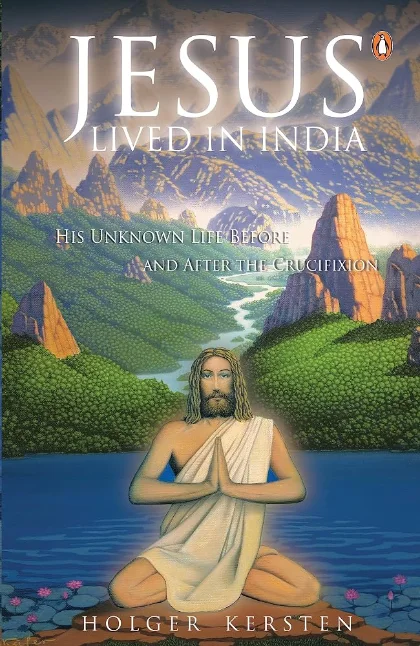
12. Jesus Lived in India
Holger Kersten (Penguin, 2001)
Kersten argues that Jesus survived the crucifixion and traveled east to Kashmir, drawing on Buddhist texts, local tradition and the Shroud of Turin. It reads like a detective story.
This is a minority view, and the evidence is strongly disputed. Our explainer on Jesus in India weighs the claims honestly.
Best for: Curious readers who like to follow a theory and test it.
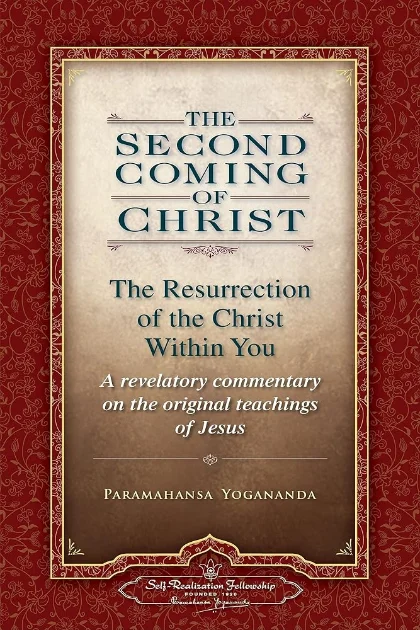
13. The Second Coming of Christ
Paramahansa Yogananda (Self-Realization Fellowship, 2004)
Yogananda offers a line-by-line commentary on the gospels from the yogic view, reading Jesus as a master of Christ consciousness and the Second Coming as an awakening within each person. It runs to two volumes.
It is devotional and unhurried, written for readers who want the spiritual meaning more than the history.
Best for: Readers who love Autobiography of a Yogi and want the same voice on Jesus.
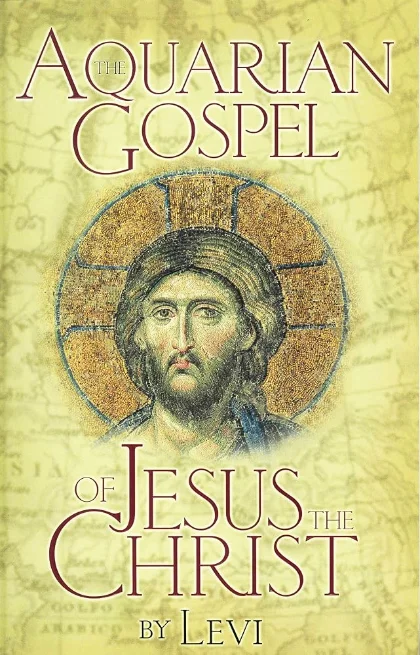
14. The Aquarian Gospel of Jesus the Christ
Levi H. Dowling (1908, DeVorss edition)
Dowling said he received this account from the Akashic records. In 182 short chapters it tells the life of Jesus, including years in India, Tibet, Persia and Egypt, as a story of initiation.
It is a visionary text, not a historical source, and it is best read as devotional literature. We have a study guide for working through it.
Best for: Readers who want a gentle, story-shaped version of the mystical Jesus.
An Honest View of the Gnostic Gospels
Scholars do not agree on how to read these texts. Most date the Gnostic writings to the second century and later, and see them as one stream among many in early Christianity, though some place parts of the Gospel of Thomas earlier. Many readers find in them a more inward Jesus. Others see ancient ideas that never became mainstream.
The lost years and India theories are minority views, and mainstream historians reject most of the evidence. Use these books as guides, not authorities. If something in a book does not feel true to you, set it down. Nothing here replaces medical or mental health care; if you are struggling, please reach out to a doctor or call or text 988 in the US.
As an Amazon Associate, Next Level Soul earns from qualifying purchases.
Hear It From the Guests
Prefer to listen? These Next Level Soul Podcast conversations explore the hidden teachings of Jesus, including authors from this list.

The True Teachings of the Aramaic Jesus Christ with Neil Douglas-Klotz
Scholar Neil Douglas-Klotz shares what the Aramaic roots of Jesus’s teachings reveal about the afterlife and the heart. Watch the full episode and read the show notes.

What Is the Meaning of Life? with Tim Freke
Philosopher Tim Freke asks what it means to be human in an evolving universe and why he says we did not fall but are rising. Watch the full episode and read the show notes.

Jesus Christ’s Hidden Teachings with Aaron Abke
Former pastor Aaron Abke shares his view of the hidden teachings of Jesus and why he says the ego is not the enemy. Watch the full episode and read the show notes.

What Channeled Master Seth Said About the True Jesus with David Cielak
David Cielak of the Seth Center explains the Seth material, what Seth said about Jesus and why we create our reality from the inside out. Watch the full episode and read the show notes.
Watch More on Next Level Soul TV
Next Level Soul TV has more Jesus films and series than one list can hold. Here are six to watch.



Go Deeper with NLS Mastery: The True Teachings of Jesus
Reconnect with the true teachings of Jesus and awaken to love, presence and inner freedom. John Davis teaches it in The True Teachings of Jesus, part of NLS Mastery. Watch the course preview below.
Sources and Further Reading
Spirituality for the Rest of Us™
Movies, teachings and community on Next Level Soul TV.
Frequently Asked Questions
What is the best book on the Gnostic Gospels for beginners?
Elaine Pagels’ The Gnostic Gospels is the usual first pick. It explains what the Nag Hammadi discovery revealed in clear, readable prose. Pair it with Marvin Meyer’s The Gospel of Thomas when you want the sayings themselves.
What are the Gnostic Gospels?
They are early Christian writings, many found at Nag Hammadi in Egypt in 1945, that were not included in the New Testament. They include the Gospel of Thomas, the Gospel of Philip, the Gospel of Truth and the Gospel of Mary.
Where can I read the Gnostic Gospels themselves?
The Nag Hammadi Scriptures edited by Marvin Meyer is the most complete modern translation. The Gnostic Bible by Barnstone and Meyer adds the wider tradition.
What is the Gospel of Thomas?
It is a collection of 114 sayings attributed to Jesus, with no narrative. It survives in Coptic from the Nag Hammadi library. Our explainer on the Gospel of Thomas walks through the key sayings.
What is the best book about Mary Magdalene?
For a mystical reading of her gospel, try Jean-Yves Leloup’s The Gospel of Mary Magdalene. For a warm, modern guide, try Meggan Watterson’s Mary Magdalene Revealed.
Did Jesus travel to India?
It is debated. Books such as Elizabeth Clare Prophet’s The Lost Years of Jesus and Holger Kersten’s Jesus Lived in India argue yes, while mainstream historians do not accept the evidence. Our explainer on Jesus in India sets out both sides.
Which book reveals the Aramaic Jesus?
Neil Douglas-Klotz’s The Hidden Gospel reads the sayings of Jesus through Aramaic, where single words carry layers of meaning. He also joined us on the podcast.
Are the Gnostic Gospels older than the New Testament?
Most scholars place the Gnostic texts in the second century and later, although some date parts of the Gospel of Thomas earlier. The debate continues, so it helps to read both sides.
Is there a skeptical book to read alongside these?
Bart Ehrman’s Misquoting Jesus is a good counterweight. It shows how the New Testament text changed over time and why careful reading matters.
Can I hear about the hidden teachings of Jesus instead of reading them?
Yes. Our podcast guests include Neil Douglas-Klotz, Tim Freke, Aaron Abke and David Cielak, and the NLS Mastery course The True Teachings of Jesus with John Davis goes deeper.


