Theosophy: Karma, Rebirth, and the Immortal Soul is an introduction to the core ideas of Theosophy, the spiritual movement that grew out of the Theosophical Society, founded in New York City in 1875. It explores karma, rebirth and the immortal soul as the tradition describes them. This study guide walks through all 8 teachings in plain language, then hands you a workbook to try the ideas on your own life.

Listen While You Study
The audiobook is available on Next Level Soul TV. Play a teaching, then come back here for the notes and the workbook prompt.
Key Takeaways
- Theosophy teaches that you are more than a body, and that part of you is said to be immortal.
- Karma is described as cause and effect, where your actions shape what comes back to you.
- Rebirth is a central idea, and the tradition says humans are reborn only as humans.
- The human being is described in seven parts, from the physical body up to spirit.
- The tradition values universal brotherhood, and treats spiritual growth and kindness as one path.
The Book at a Glance
| Detail | What to Know |
|---|---|
| Author | Theosophical tradition |
| First published | Theosophical Society founded in New York City, 1875 |
| Teachings | 8 |
| Tradition | Theosophy, drawing on Neoplatonism, Hinduism and Buddhism |
| Audiobook | Available on Next Level Soul TV |
What Is Theosophy About?
Theosophy is a spiritual movement that began in the late nineteenth century. Its Society was founded in New York City in 1875 by Helena Blavatsky, Henry Olcott and William Quan Judge. It draws on Neoplatonism, Hinduism and Buddhism, and it asks big questions about who we are and why we are here.
This guide looks at the teachings the tradition is best known for: karma, rebirth and the immortal soul. In Theosophy, life is seen as a long journey of the soul toward spiritual liberation. Each teaching below is explained simply, so you can follow the ideas without any background in esoteric study.
The Board: 8 Teachings
Each square is a teaching. Tap one to jump to its study notes.
Teaching-by-Teaching Study Notes
These notes are our own summary, written to help you follow the book. Each one ends with a small practice you can try this week.
One Divine Source
Theosophy begins with a single divine Absolute. The tradition describes the universe as an outward flow, or emanation, from that one source, so everything is connected at the root. This is called monism: many forms, one reality. It sets the tone for everything else. If all life shares one source, then the line between you and others is thinner than it looks, and spiritual growth is a return toward the source, not an escape from it.
The Veil of Maya
Maya is the idea that the everyday world is an illusion, or at least only part of the picture. Theosophy teaches that living under this illusion is a kind of ignorance. This does not mean the world is worthless. It means we often mistake appearances for what is real. Seeing through maya is described as a gradual awakening, as we learn to look past surface things toward the deeper reality that the tradition says lies beneath them.
The Sevenfold Human Being
The tradition describes a person as made of seven parts. These are the physical body, vitality, the astral body, the animal soul, the human soul, the spiritual soul and spirit. The first four are said to perish at death. The upper three are described as lasting. This map treats you as a layered being, where body, feeling, mind and spirit each have a role, and where growth means bringing the layers into harmony.
The Immortal Triad
The three highest parts are called Manas, the human soul, Buddhi, the spiritual soul, and Atma, spirit. Theosophy says these are the part of you that does not die. The human soul is the thinking self that links the higher parts to the body. It carries the lessons of each life forward. This is the heart of the tradition’s answer to what the immortal soul is, and why daily choices of mind and character are said to matter.
Karma: Cause and Effect
Karma is taught as the law of cause and effect working in human life. Actions, words and intentions are said to return to the one who sent them. The tradition links karma closely to rebirth, since what we do in one life shapes the next. Many read it as a call for responsibility, not blame. Hardship is not treated as proof of wrongdoing to judge, but as a chance to learn and to act with greater care.
Rebirth: Human to Human
Theosophy teaches reincarnation: the soul returns to earth again and again to learn. In this tradition, humans are reborn only as humans, not as animals. Each life is a new school day, building on the last. Over many lives the soul is said to grow in wisdom and compassion. This view gives meaning to differences between people and treats the whole of life as one long path, not a single short chance.
Between Two Lives
What happens after death? Theosophy describes a passage in stages. The astral body is said to linger for a time in a place called kama-loka. The higher self then rests in devachan, a heavenly state of peace and inner fulfillment. Writers in the tradition disagree about how long this lasts, with some estimates running for many centuries. Then the soul returns, carrying what it has learned. Death is presented as a doorway, not an ending.
Brotherhood and Liberation
The Theosophical Society states one commitment: universal brotherhood, without required beliefs. The tradition teaches that the purpose of life is the spiritual liberation of the soul, and that kindness toward others is part of that journey. Wisdom is not meant to be kept for oneself. Many followers speak of living the teachings through service. Liberation, in this view, is a shared rising, not a private escape from the world.
Key Ideas in Plain Language
| Idea | What It Means | Teaching |
|---|---|---|
| Absolute | The one divine source that Theosophy says all things come from. | 1 |
| Emanation | The idea that the universe flows outward from that source, like light from a flame. | 1 |
| Maya | The illusion of everyday appearances, which hides a deeper reality. | 2 |
| Sevenfold constitution | The tradition’s map of a human being in seven parts, from body to spirit. | 3 |
| Manas, Buddhi, Atma | The human soul, spiritual soul and spirit, described as the lasting parts of you. | 3, 4 |
| Karma | The law of cause and effect that links your actions to what you meet later. | 5 |
| Reincarnation | The soul returns to earth in new lives, as a human each time. | 6 |
| Devachan | The peaceful, heavenly state where the higher self is said to rest between lives. | 7 |
| Universal brotherhood | The one stated commitment of the Theosophical Society. | 8 |
Who This Book Is For
This guide is for curious beginners who keep hearing words like karma, rebirth and the soul, and want a calm, clear starting point. It suits anyone drawn to spiritual traditions, to questions about death and meaning, or to the history of Western esotericism. You do not need to believe it all. Read it as a map of one tradition’s ideas, and notice what rings true for you.
An 8-Day Way to Use It
- Days 1 and 2: Listen to the audiobook, then read Teachings 1 to 3 here, and try each small practice.
- Days 3 to 5: Move through Teachings 4 to 6, and write your answers in the workbook after each one.
- Days 6 to 8: Finish Teachings 7 and 8, then review the key ideas table and choose the ideas that speak to you most.
- On day 9, reread your workbook notes and pick one practice to keep as a daily habit.
Your Workbook
Your answers save on this device as you type. They are not sent anywhere. Use the copy button to move them into your own notes.
Watch More on Next Level Soul TV
Next Level Soul TV brings together full episodes, courses, movies, series and audiobooks, ad-free. Join Next Level Soul TV and keep exploring.
Keep Going
- What Is Karma? Meaning, Types, Instant Karma and How It Works
- Reincarnation: Beliefs, Research and What Past Lives Really Mean
- Best Spiritual Audiobooks: 10 Essential Listens (Plus 2 Bonus)
Sources and Further Reading
Go Deeper with NLS Mastery: Your Soul’s Blueprint
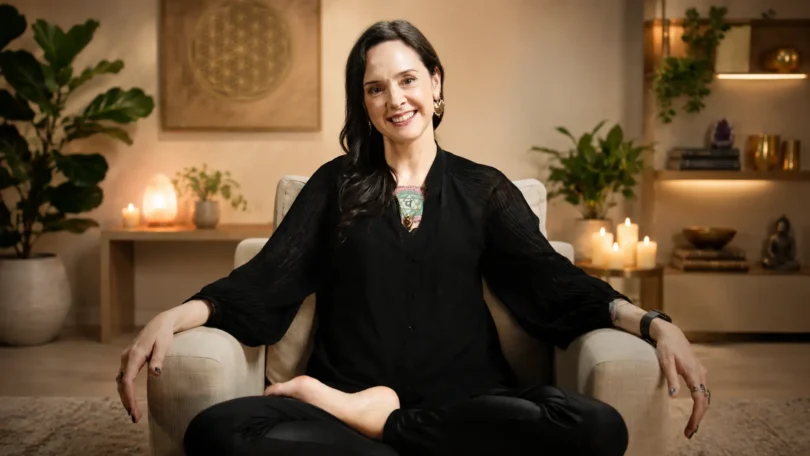
Theosophy asks you to see yourself as a soul on a long journey, and to take that journey with awareness. If you want to take that further, Karen Bell teaches it in Your Soul’s Blueprint, part of NLS Mastery. Watch the course preview below.
Frequently Asked Questions
What is Theosophy about?
Theosophy is a spiritual movement that explores the nature of the soul, karma, rebirth and the unity of all life. It teaches that a divine source underlies everything and that the soul grows toward spiritual liberation over many lives.
Who started Theosophy and when?
The Theosophical Society was founded in New York City in 1875 by Helena Blavatsky, Henry Olcott and William Quan Judge. Blavatsky is usually seen as the principal founder. Later teachers, such as Annie Besant, expanded the tradition.
What kind of tradition is Theosophy?
Scholars often call Theosophy a new religious movement and a form of Western esotericism. It draws on Neoplatonism, Hinduism and Buddhism. The Society states it has no required beliefs, and its one commitment is universal brotherhood.
How many teachings are in this study guide?
This guide covers eight teachings: One Divine Source, the Veil of Maya, the Sevenfold Human Being, the Immortal Triad, Karma, Rebirth, Between Two Lives, and Brotherhood and Liberation. Each one has a short summary and a practice.
What does Theosophy say about karma?
Theosophy describes karma as the law of cause and effect in human life. Actions are said to shape what comes back to you, in this life and in later ones. Many followers read it as a call to responsibility and compassion.
Does Theosophy teach reincarnation?
Yes. The tradition teaches that the soul is reborn many times to learn and grow. It also says humans are reborn only as humans, not as animals. Karma is said to guide the cycle of rebirth.
What is the immortal soul in Theosophy?
The tradition describes the human being as having seven parts. The top three, the human soul, the spiritual soul and spirit, are said to be immortal. The lower four are described as perishing at death.
What happens after death in Theosophy?
The tradition describes stages after death. The astral body is said to linger in kama-loka, while the higher self rests in devachan, a peaceful heavenly state, before returning to a new life.
How should a beginner study these ideas?
Go one teaching at a time. Read the summary, try the small practice, and write a few notes in the workbook. Treat each idea as a lens from one tradition, and keep what proves useful in your own life.
Are these ideas hard to understand?
Some terms, like maya, manas and devachan, may be new. This guide explains each in plain language, so you can follow along without any background. The ideas themselves are simple at heart: cause, effect, growth and connection.
How long does it take to use this guide?
The plan here takes eight days, with a small amount of reading and one practice each session. You can go faster or slower. Some people spend a full week on a single teaching, and that works well too.
Where can I listen to the audiobook?
The audiobook is available on Next Level Soul TV. This guide and workbook are designed to be used alongside it, so you can listen, then reflect and write your own notes as you go.
Spirituality for the Rest of Us™
Movies, teachings and community on Next Level Soul TV.