
A beginner meditation app is a simple guide that teaches you how to sit, breathe and return to your attention in short, friendly steps. Look for a clear starter course, sessions of three to ten minutes, plain language and no pressure, then give it a full week before you judge it. Meditation is a spiritual and relaxation practice that grows with repetition, so the goal of week one is not calm. It is showing up.
Key Takeaways
- Start tiny: Three to five minutes a day beats thirty minutes once a month.
- Clear first course: A beginner app should explain posture, breath and wandering thoughts in plain words.
- Wandering is normal: Meditation is noticing and returning. Every return is a repetition.
- One app at a time: Choose one, stay with it for a week, and resist the urge to keep comparing.
- Know the limits: It is a relaxation and spiritual practice, not treatment. Seek help for persistent distress.
What Is a Beginner Meditation App?
When you are new, meditation can look like a secret club. Everyone seems to know how to do it. A beginner meditation app is the friendly person at the door, explaining where to sit and what to do with your hands.
Good ones offer short guided sessions, a gentle introduction course and reminders. Most lean on techniques such as breath awareness, body scan and simple guided meditation, where a voice leads you step by step.
You do not need an app to begin. But for many people, a voice and a daily appointment make the difference between a good intention and an actual habit.
Beginner Meditation App at a Glance
| Question | Quick answer |
|---|---|
| What is it? | An app that teaches meditation basics through short, guided steps. |
| Ideal session length | 3 to 10 minutes at first. |
| Key features | Starter course, plain language, short sessions, reminders, a simple timer. |
| How long to test | One week of daily short sessions. |
| Common first technique | Following or counting the breath. |
| Health note | A spiritual and relaxation practice, not treatment. |
What Makes an App Beginner Friendly?
A clear starting point
The first screen should tell you what to do. If you are met with a hundred choices, you will close the app. Look for a course called something like “Start here” or an obvious first session.
Plain language
A beginner does not need jargon. A teacher who says “notice the breath, and when your mind wanders, bring it back” has already given you the whole technique.
Short sessions
Three minutes feels doable. Doable is how habits begin.
Encouragement without pressure
Good beginner tools celebrate showing up, not performing. Be cautious of aggressive streak counters and guilt notifications.
A guide to posture and setup
Does the app explain how to sit? A chair is fine. A cushion is fine. Lying down is fine for rest practices. Comfort matters more than a specific pose.
Variety once you have the basics
After a couple of weeks you may want body scan, loving-kindness or silent timers. A good app grows with you.
Four Techniques Every Beginner Can Try
| Technique | What you do | Why beginners like it |
|---|---|---|
| Breath awareness | Follow the natural breath in and out | Always available, no equipment |
| Counting breaths | Count exhales from one to ten and repeat | Gives a busy mind a task |
| Body scan | Move attention slowly from feet to head | Easy to feel, easy to follow |
| Loving-kindness | Silently offer kind phrases to yourself and others | Warm and gentle |
Mindfulness of breathing is an old practice. The Wikipedia page on anapanasati describes it as paying attention to the breath. Our guide to body scan meditation covers the second technique in depth.
Choose one technique and keep it for the week. Variety can wait.
Your First Week With a Beginner Meditation App
| Day | Do this | Time |
|---|---|---|
| 1 | Open the starter session. Follow along. That is all. | 3 minutes |
| 2 | Same session, same time. Notice where you sit. | 3 minutes |
| 3 | Try a breath-counting session. | 5 minutes |
| 4 | Repeat day 3. Notice what feels different. | 5 minutes |
| 5 | Try a short body scan. | 5 minutes |
| 6 | Practice without the app, using a timer. | 5 minutes |
| 7 | Choose your favorite. Write one line about how the week felt. | 5 to 10 minutes |
At day seven, ask yourself three questions. Did I want to come back? Did the voice help? What time of day felt easiest? Those answers are worth more than any review.
Setting Up Your Space and Habit
- Pick one place. A chair by the window is enough.
- Anchor to a habit. Right after coffee, right before bed, right after you brush your teeth.
- Silence notifications. Put the phone on do not disturb before you press play.
- Keep it comfortable. Support your back, rest your hands, and let your shoulders drop.
- Keep your eyes soft. Closed or lowered, whichever feels right.
- Expect to wander. Return gently, as often as needed.
Common Beginner Mistakes
- Trying to stop thoughts. You cannot, and you are not meant to. The skill is noticing and coming back.
- Starting too long. Twenty minutes in week one is a recipe for quitting.
- Switching apps every few days. Novelty feels like progress, but depth comes from repetition.
- Judging each session. A restless sit is still a sit.
- Expecting instant calm. Calm visits when it visits.
- Skipping the practice on hard days. Even one minute of breath counts.
The NCCIH overview of meditation and mindfulness says meditation is usually considered to have few risks. It also notes that in one 2020 review about 8 percent of participants reported a negative effect. If meditation stirs up strong feelings, stop, be kind to yourself and consider talking with a qualified professional.
When Meditation Feels Hard
Almost every beginner hits a wall in the first two weeks. It is useful to know what the wall looks like before you meet it.
| What you notice | What may be happening | A gentle response |
|---|---|---|
| Restlessness | The body is not used to stillness | Shorten the sit, open your eyes, or try walking |
| Sleepiness | You are tired, or the setting is too cozy | Sit upright, open your eyes slightly, or move to the morning |
| Boredom | Nothing dramatic is happening | Return to the breath and notice small details |
| Racing thoughts | The mind is simply loud today | Label them “thinking” and return |
| Strong feelings | Quiet can bring up what you were busy avoiding | Stop if it feels like too much, and reach out for support |
| Self-criticism | Perfectionism has followed you onto the cushion | Offer yourself the same kindness you would offer a friend |
None of these means you are failing. They are the practice. Teachers in many traditions describe the wandering and restless mind as ordinary, and the return as the training.
Choosing When and How Long
The best time to meditate is the time you will actually do it. Still, a few patterns help beginners.
- Morning: fewer interruptions, and it sets a tone. Do it before your phone fills the day.
- Midday: a short reset between tasks. Two minutes in the car counts.
- Evening: a way to close the day. Some people find the mind is busier at night, so keep it gentle.
- Length: start at three to five minutes. Add one minute a week if you like. There is no required target.
If you are tempted to measure yourself, measure frequency, not duration. Five minutes on five days beats thirty minutes once.
Signs a Beginner App Fits You
- You open it without dread.
- The voice feels warm, not irritating.
- You understand what to do after one session.
- You notice small moments of ease, even if the session felt busy.
- You can find a short session when you are tired.
- The cost and cancel terms are clear.
If you are ticking most of these, stay with it. If not, try another for a week, but only one at a time.
Beginner App or Other Ways to Learn?
| Option | Good for | Consider |
|---|---|---|
| Beginner app | Daily structure and reminders | Choose one and avoid overload |
| Guided audio library | Variety and a teacher’s voice | Look for clear intros |
| Local class | Questions and community | Schedule and travel |
| Books and audiobooks | Understanding the why | Pair with a daily sit |
| Silent timer | Self-reliance | Easier once you know the basics |
Many people use a mix. Our overview of the meditation app and our guide to the best meditation app help you compare approaches without naming a winner.
Where to Go After the Basics
Next Level Soul TV is a spiritual library with guided meditations, not a dedicated meditation app. Membership is $19.99 a month or $199 a year, with 3,500+ hours of content and a 14-day money-back guarantee.
When the basics feel familiar, you may want to explore themes, such as stillness, intention or the chakras. Browse the guided meditations for options organized by theme, and notice which ones draw you in.
Go Deeper with NLS Mastery: Ancient Meditation for Inner Stillness
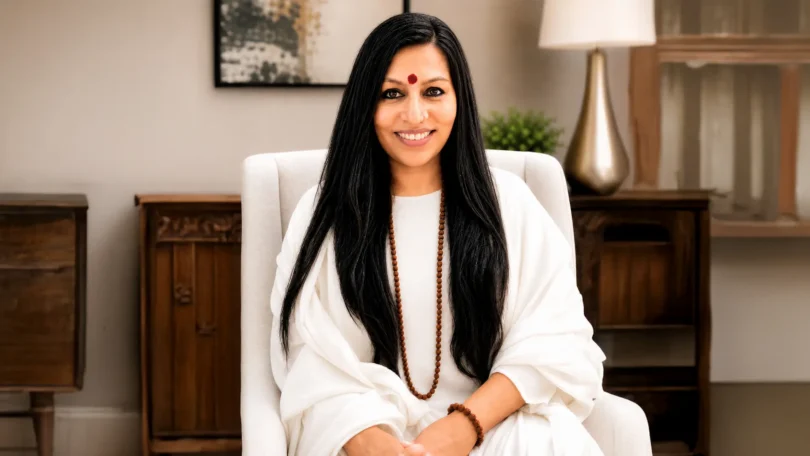
Acharya Shunya offers a clear, grounded introduction to meditation that suits beginners ready to go beyond short app sessions. Acharya Shunya teaches it in Ancient Meditation for Inner Stillness, part of NLS Mastery. Watch the course preview below.
Frequently Asked Questions
What is the best meditation app for beginners?
One with a clear starter course, short sessions, plain language and gentle reminders. Try one for a week and see if you want to return.
How long should a beginner meditate?
Start with 3 to 5 minutes a day. Add time slowly as it feels natural.
Do I need an app to start meditating?
No. A quiet spot and a timer are enough. An app offers guidance and structure, which many beginners find helpful.
Is it normal for my mind to wander?
Yes. Wandering is the practice. Noticing and returning is the exercise, and each return counts.
What is the easiest meditation for a beginner?
Following your breath or counting exhales from one to ten are common starting points.
Should I meditate with my eyes open or closed?
Either works. Closed eyes reduce distraction, and a soft downward gaze can help if you feel sleepy.
What time of day is best to meditate?
Whenever you can be consistent. Many people prefer the morning or just before bed.
How do I know if a beginner meditation app is working?
If you find yourself returning willingly and the sessions feel manageable, it is working for you. Do not measure by how calm you feel.
Can meditation make anxiety worse?
For some people, sitting quietly can bring up uncomfortable feelings. If that happens, stop and speak with a qualified professional.
Are free beginner meditation apps good?
Many are. Free tiers often include a starter course and a timer, which is plenty to begin.
Is Next Level Soul TV a beginner meditation app?
No. Next Level Soul TV is a spiritual library with guided meditations, not a dedicated meditation app.
Sources and Further Reading
Spirituality for the Rest of Us™
Movies, series, documentaries, audiobooks, audio courses and guided meditations on awakening and consciousness, all in one place. 14-day money-back guarantee.