
The best near-death experience books are Raymond Moody’s Life After Life for the classic starting point, Jeffrey Long’s Evidence of the Afterlife for the research, and Anita Moorjani’s Dying to Be Me for a story of healing and love.
Below are 12 books worth your time, grouped by what you are looking for: the foundations, the research, and the personal stories. Each one comes with who it is for, so you can pick the right one tonight.
Key Takeaways
- Start with Life After Life. Raymond Moody’s 1975 book gave the field its name and is still the easiest way in.
- For the research, read Jeffrey Long, Pim van Lommel or Bruce Greyson. Each is a physician or scientist writing about what patients reported.
- For a personal story, try Anita Moorjani or Mary Neal. Both are warm, honest and easy to read.
- Hold every single story with discernment. Several famous books have been questioned, and we say where.
- Prefer to listen? Our podcast guests below include Eben Alexander, Anita Moorjani, Jeffrey Long and Raymond Moody.
What Are Near-Death Experience Books?
A near-death experience, or NDE, is a vivid experience reported by people who came close to death or were clinically dead and returned. People often describe leaving the body, moving through a tunnel toward a light, meeting loved ones who have died, reviewing their lives, and feeling a deep peace.
Near-death experience books gather those stories and, in many cases, the research behind them. Psychiatrist Raymond Moody popularized the term in 1975. Since then, doctors, psychologists and experiencers themselves have written hundreds of books. If you want the full picture first, start with our guide to near-death experiences or our collection of near-death experience stories.
Near-Death Experience Books at a Glance
| Book | Best for | Type | Voice |
|---|---|---|---|
| Life After Life (Moody) | First read | Foundation | Psychiatrist |
| Lessons from the Light (Ring) | Living the lessons | Foundation | Psychologist |
| Return from Tomorrow (Ritchie) | A story of faith | Foundation | Soldier and psychiatrist |
| Evidence of the Afterlife (Long) | Data and argument | Research | Oncologist |
| Consciousness Beyond Life (van Lommel) | Medical detail | Research | Cardiologist |
| After (Greyson) | The long view | Research | Psychiatrist |
| Surviving Death (Kean) | Wider evidence | Research | Journalist |
| Proof of Heaven (Alexander) | A scientist’s story | Personal story | Neurosurgeon |
| Dying to Be Me (Moorjani) | Healing and self-love | Personal story | Experiencer |
| To Heaven and Back (Neal) | Readers of faith | Personal story | Spine surgeon |
| Dying to Wake Up (Parti) | Slowing down | Personal story | Anesthesiologist |
| Saved by the Light (Brinkley) | A big story | Personal story | Experiencer |
How Do I Choose the Right Near-Death Experience Book?
Start with the question you are carrying. If it is “what do people actually report?”, pick Moody. If it is “what does the research say?”, pick Long, van Lommel or Greyson. If it is “what was it like?”, pick Moorjani or Neal.
A few simple guides help:
- Grieving? Try Lessons from the Light or Dying to Be Me, and go gently.
- Curious but cautious? Start with After or Surviving Death.
- Short on time? Life After Life is quick to read and easy to finish.
If these questions are about what consciousness is, our guide to consciousness goes deeper. For reading across the whole spiritual path, see our list of the top spiritual books.
The Foundations: Where the Conversation Began
These three books helped shape how the world talks about near-death experiences. They are classics, and they are still very readable.
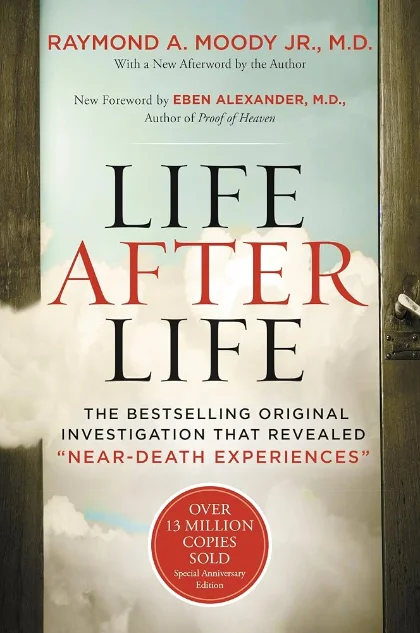
1. Life After Life
Raymond A. Moody Jr., MD (Mockingbird Books, 1975)
The book that started the modern conversation. Moody, a psychiatrist, gathered accounts from about 150 people who came close to death and kept hearing the same pieces: leaving the body, a tunnel, a being of light, a review of life, a reluctant return. He gave the pattern a name, the near-death experience.
It is short, gentle and still the clearest place to begin.
Best for: First-time readers who want to meet the source of the whole field.
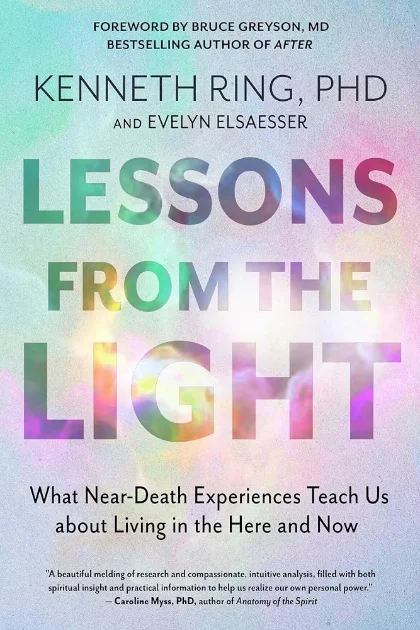
2. Lessons from the Light
Kenneth Ring and Evelyn Elsaesser Valarino (Moment Point Press, 1998)
Ring, a psychologist and co-founder of the International Association for Near-Death Studies, asks a practical question: what do these experiences ask of the rest of us?
The book gathers what experiencers say they learned about love, purpose and the fear of death, then shows how anyone can apply those lessons without having to nearly die.
Best for: Readers who want to live differently, not only understand the phenomenon.
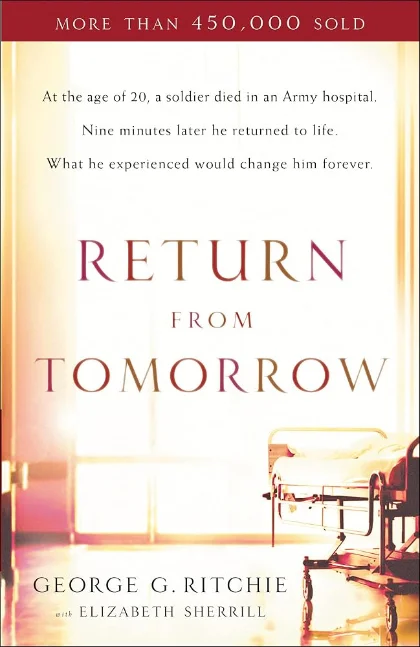
3. Return from Tomorrow
George G. Ritchie with Elizabeth Sherrill (Chosen Books, 1978)
A plain, first-person story from a young soldier who was pronounced dead in 1943, then revived and went on to become a psychiatrist. Ritchie describes what he saw and how it shaped the rest of his life.
It is written from a Christian point of view, and it reads like a conversation with someone who has no reason to embellish.
Best for: Readers who like a simple, heartfelt story told from a place of faith.
The Research: What Doctors and Scientists Found
These four books are written by physicians, researchers and a journalist. They lean on patient accounts, studies and careful questions.
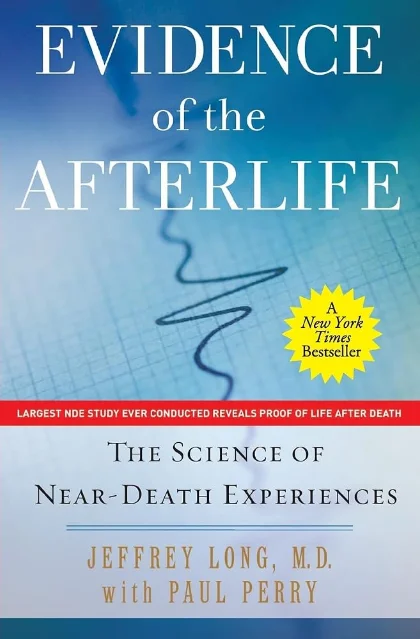
4. Evidence of the Afterlife
Jeffrey Long, MD with Paul Perry (HarperOne, 2010)
Long is a radiation oncologist who founded the Near-Death Experience Research Foundation, and this book is built on more than a thousand accounts collected through it.
He lays out nine lines of evidence that he believes point to an afterlife, from experiences during flat brain activity to accounts from the blind. Scientists dispute his conclusions, which makes it a good book to read slowly and weigh for yourself.
Best for: Readers who want data and a clear argument.
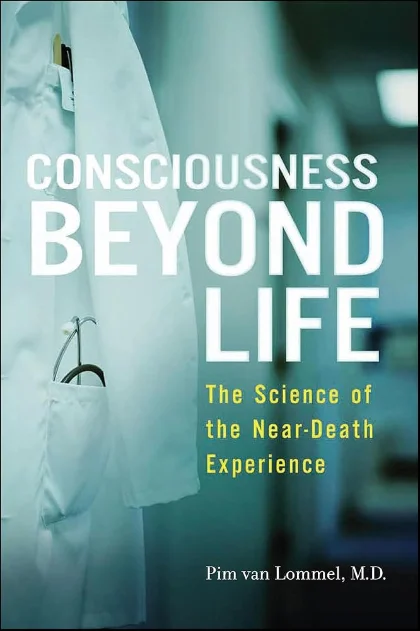
5. Consciousness Beyond Life
Pim van Lommel, MD (HarperOne, 2011)
Van Lommel is a Dutch cardiologist who led a 2001 study in The Lancet of 344 cardiac arrest survivors across ten hospitals in the Netherlands.
He uses what he saw in patients to argue that consciousness is not produced by the brain alone. The writing is medical in places, and the payoff is a calm, clear case from someone who worked beside the dying.
Best for: Readers who want a physician’s view and some medical detail.
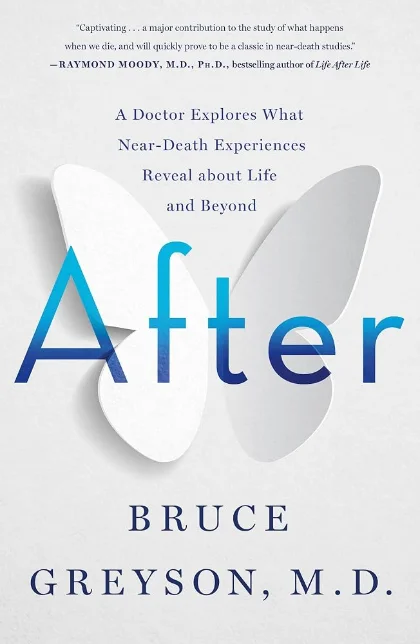
6. After: A Doctor Explores What Near-Death Experiences Reveal About Life and Beyond
Bruce Greyson, MD (Macmillan, 2021)
Greyson is a psychiatrist who spent decades at the University of Virginia studying near-death experiences. He created the Greyson NDE Scale, still used to measure them.
This is his own summing up: what he has learned from years of interviews, how the experiences change people afterward, and what questions remain open. It is measured, humble and kind.
Best for: Careful readers who want the long view from a veteran researcher.
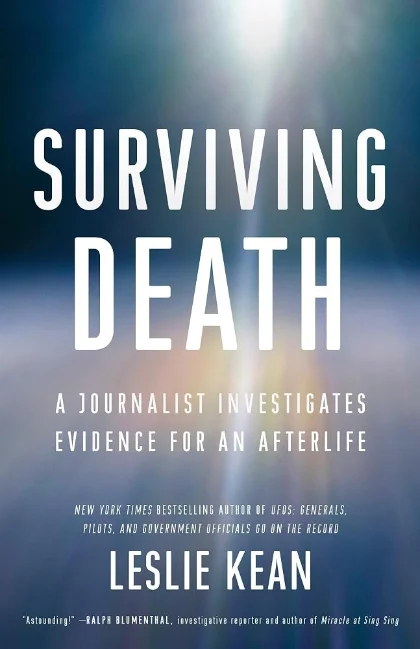
7. Surviving Death
Leslie Kean (Crown Archetype, 2017)
Kean is an investigative journalist, and she approaches the afterlife question the way she would approach any story: by following the evidence and the people.
Near-death experiences are one thread among several, alongside mediumship and children who remember past lives. It widens the lens beyond NDEs, which helps if you want to see where they fit.
Best for: Open-minded skeptics who want a reporter’s tour of the evidence.
Personal Stories: What It Was Like
These five books are first-person accounts. They are the most moving and, because they are single stories, they deserve the most discernment.
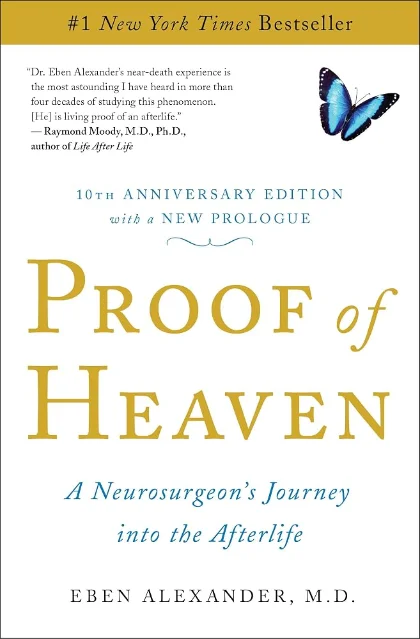
8. Proof of Heaven
Eben Alexander III, MD (Simon & Schuster, 2012)
A neurosurgeon falls into a coma with a rare meningitis and comes back describing a luminous realm and a love beyond words. It became one of the best-known NDE books ever written.
It also drew criticism. Some scientists challenged his explanation of the brain, and a 2013 magazine investigation questioned details of his medical account. Read it as one man’s story and let it ask its questions.
Best for: Readers drawn to a vivid, personal account by a scientist.
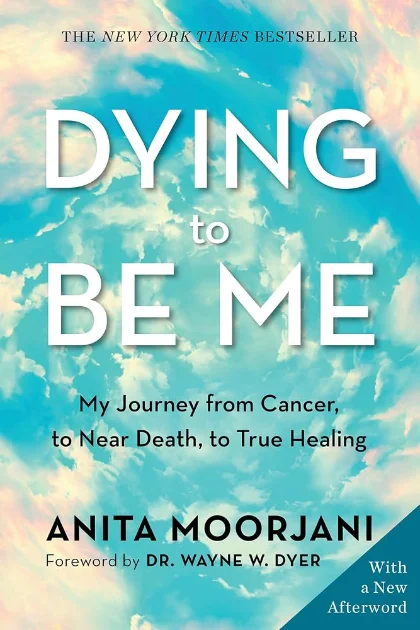
9. Dying to Be Me
Anita Moorjani (Hay House, 2012)
Moorjani was in a coma with advanced cancer when she describes feeling a vast, unconditional love and understanding that she did not have to be afraid or earn her worth. She returned and recovered, and she tells the whole story with disarming honesty.
Her account is her own experience, not medical advice, so talk with your doctor about any care decisions. Its heart is self-love, which is why so many readers return to it.
Best for: Anyone facing illness, fear or harsh self-judgment.
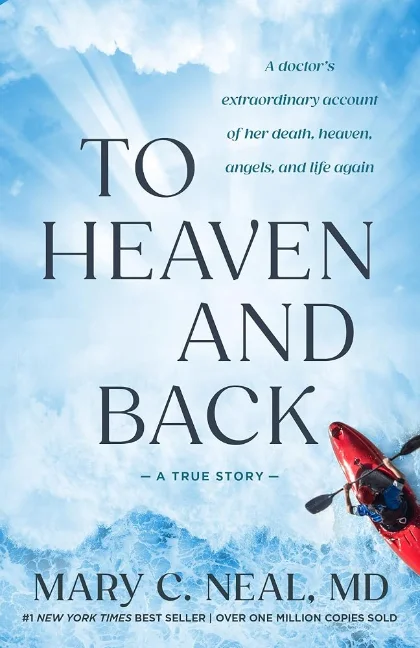
10. To Heaven and Back
Mary C. Neal, MD (WaterBrook, 2012)
Neal is an orthopedic spine surgeon who was trapped underwater after a kayaking accident in Chile. She describes being welcomed by a loving presence and shown how her life would unfold.
Her story is centered on her Christian faith, and she writes with a doctor’s eye for detail and a mother’s tenderness.
Best for: Readers of faith who want a grounded, warm, medically informed story.
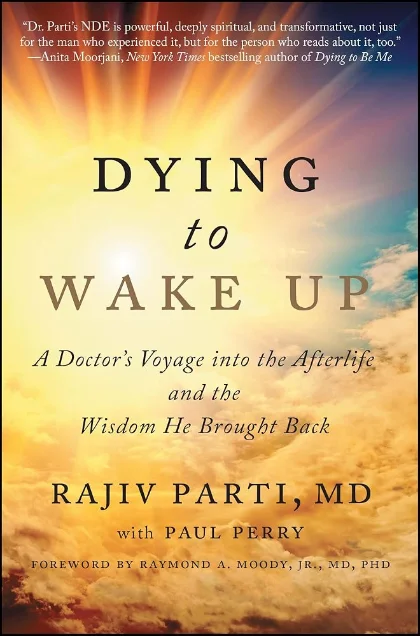
11. Dying to Wake Up
Rajiv Parti, MD with Paul Perry (Simon & Schuster, 2016)
Parti was a busy anesthesiologist who spent years focused on success. A health crisis led to an experience that, in his telling, turned his priorities upside down.
He writes openly about how it changed the way he treated patients and lived his own days, and about the hard moments as well as the light.
Best for: Busy, driven readers who sense it is time to slow down and look inward.
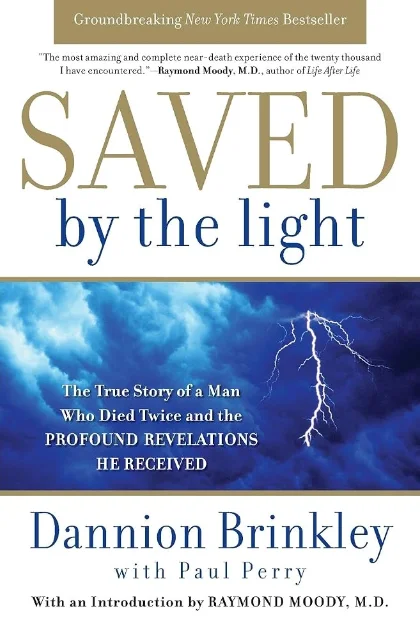
12. Saved by the Light
Dannion Brinkley with Paul Perry (Villard, 1994)
Brinkley says he was struck by lightning and was clinically dead for about 28 minutes, then describes a tunnel, a crystal city and a place of teaching. It was a bestseller that brought near-death experiences to a very wide audience.
Some of its details have been disputed by critics, including how long he was dead. It is dramatic and bold, so hold it lightly, the way you would any single story.
Best for: Readers who enjoy a big, cinematic story and can hold it with discernment.
An Honest View of Near-Death Experiences
Scientists have not settled what causes near-death experiences. Skeptics point to low oxygen, brain chemistry and the way the mind copes with fear. Many experiencers and some researchers see them as a sign that consciousness continues beyond the brain.
Use these books as guides, not authorities. If something in a book does not feel true to you, set it down. Nothing here replaces medical or mental health care; if you are struggling, please reach out to a doctor or call or text 988 in the US.
As an Amazon Associate, Next Level Soul earns from qualifying purchases.
Hear It From the Guests
Prefer to listen? These Next Level Soul Podcast conversations feature authors from this list telling their stories in their own voices.
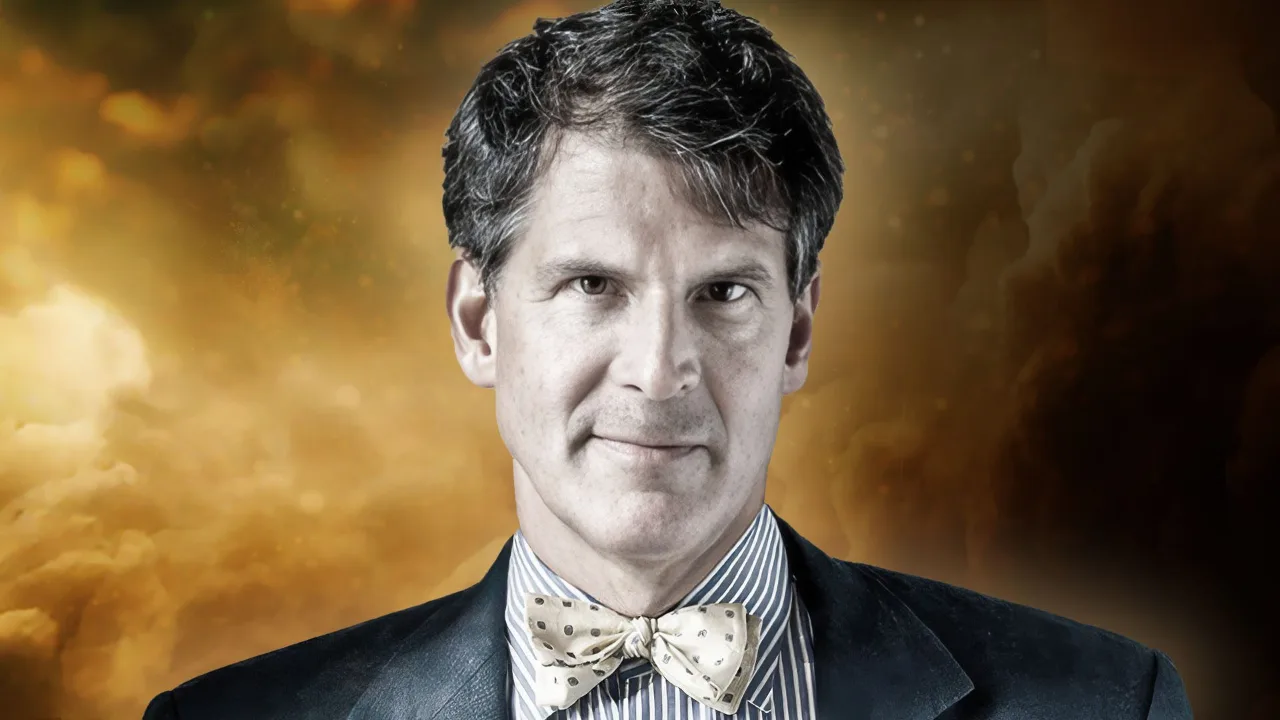
A Neurosurgeon’s Near-Death Experience with Dr. Eben Alexander
The former Harvard neurosurgeon describes Gateway Valley, the Core and the boy who pulled him back. Watch the full episode and read the show notes.
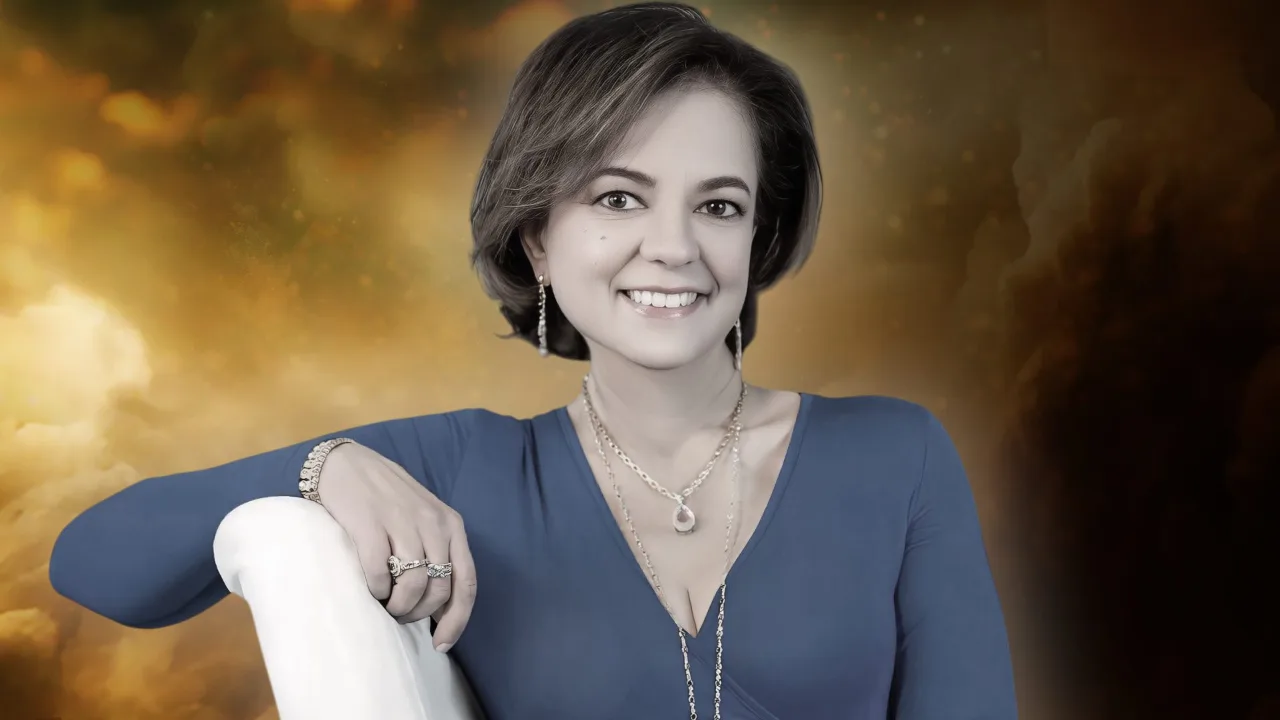
Healing and the Truth of Existence with Anita Moorjani
Anita Moorjani shares her near-death experience: reuniting with her father, rethinking karma and learning she is a facet of God. Watch the full episode and read the show notes.
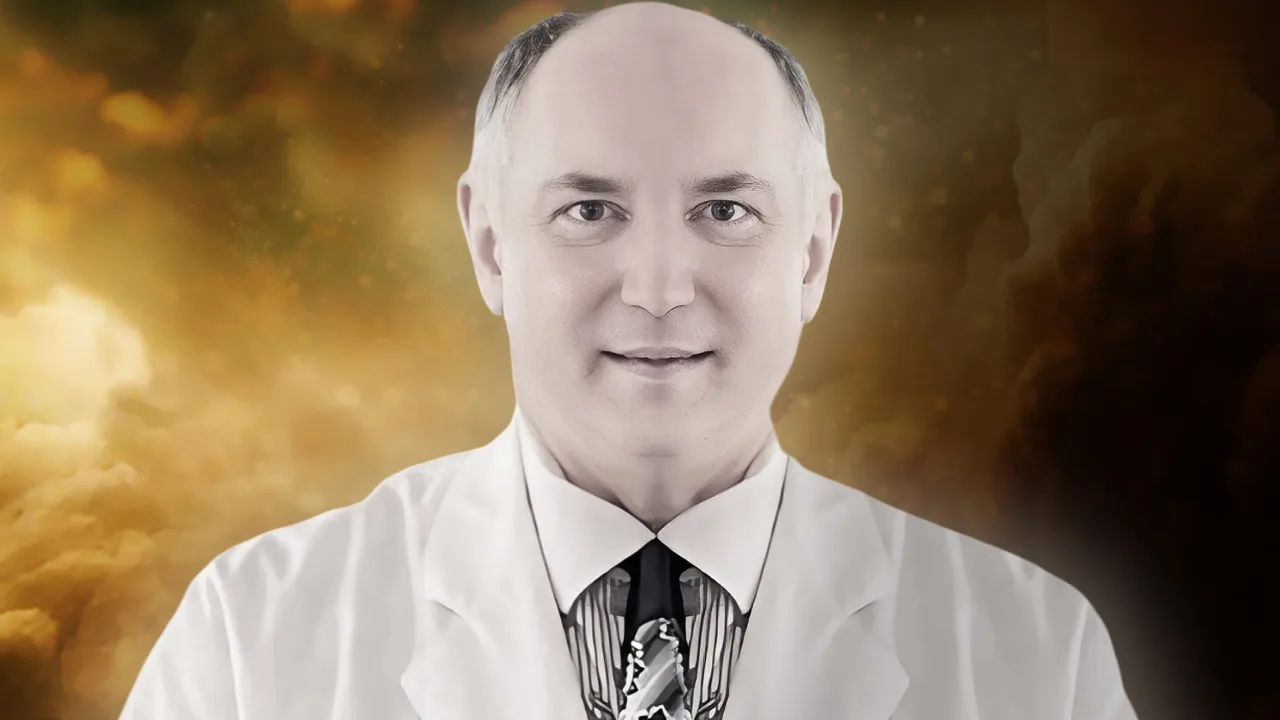
What Near-Death Research Reveals with Dr. Jeffrey Long
Dr. Long shares what years of near-death experience research show about life reviews, distressing accounts and love. Watch the full episode and read the show notes.
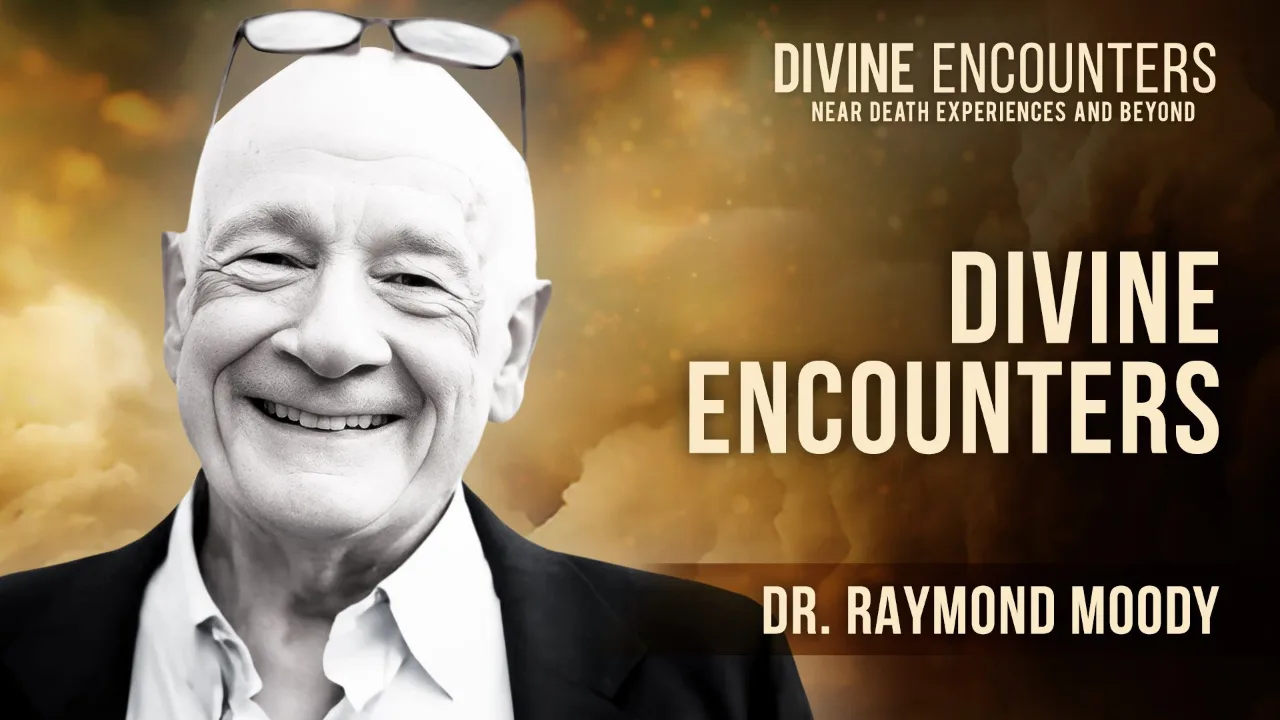
What Thousands of Near-Death Experiences Reveal with Dr. Raymond Moody
Dr. Moody shares what thousands of people told him about the light, the life review and learning to love. Watch the full episode and read the show notes.
Watch More on Next Level Soul TV
Next Level Soul TV is our own home for films, series and teachings on these questions. Here are six to start with.
Go Deeper with NLS Mastery: Beyond the Veil
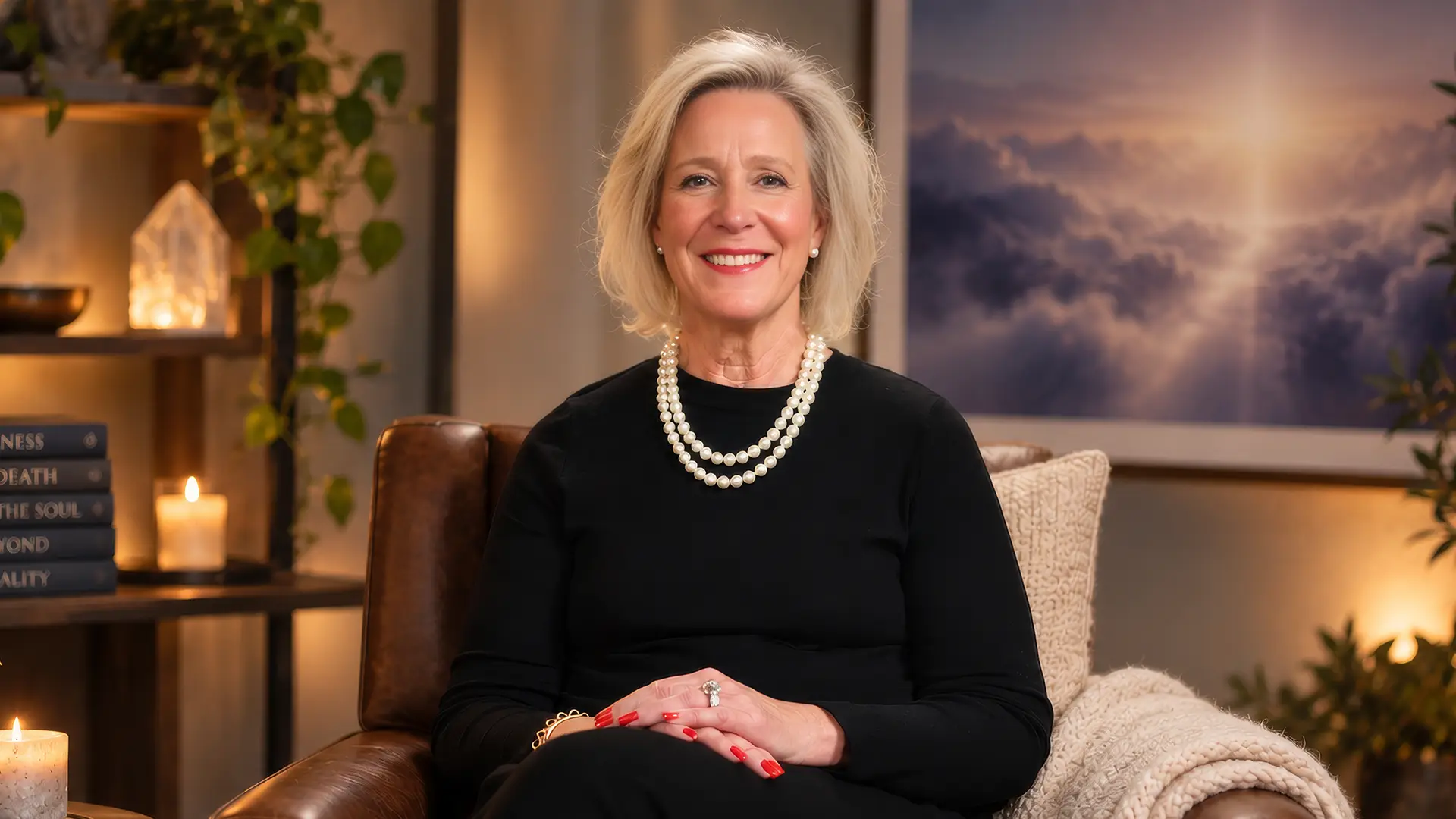
A grounded exploration of what lies beyond death and how that understanding changes how we live. Julie Ryan teaches it in Beyond the Veil, part of NLS Mastery. Watch the course preview below.
Sources and Further Reading
Spirituality for the Rest of Us™
Movies, teachings and community on Next Level Soul TV.
Frequently Asked Questions
What is the best near-death experience book for beginners?
Raymond Moody’s Life After Life is the most common first pick. It is short, readable and the book that gave the field its name.
Which near-death experience book has the most research behind it?
Jeffrey Long’s Evidence of the Afterlife draws on more than a thousand accounts. Pim van Lommel’s Consciousness Beyond Life and Bruce Greyson’s After are also written by physicians who studied patients directly.
What is a near-death experience?
It is a vivid experience reported by people who came close to death or were clinically dead and returned. Common features include leaving the body, a tunnel or light, meeting loved ones who have died, a life review and deep peace.
Who coined the term near-death experience?
The phrase was used in the early 1970s, and psychiatrist Raymond Moody popularized it in his 1975 book Life After Life.
Are near-death experiences real?
The people who have them describe them as vivid and life-changing, and researchers have documented them in hospitals around the world. What causes them is still debated, with some pointing to brain chemistry and others to consciousness beyond the brain.
Are all near-death experiences peaceful?
Most reported accounts are positive, but some people describe frightening or distressing experiences. Several books on this list, including Dying to Wake Up, speak honestly about the hard moments.
Which near-death experience books were written by doctors?
Eben Alexander (Proof of Heaven), Mary Neal (To Heaven and Back), Rajiv Parti (Dying to Wake Up), Jeffrey Long, Pim van Lommel, Bruce Greyson and Raymond Moody are all physicians.
Which book is best if I am grieving?
Lessons from the Light and Dying to Be Me are gentle places to start. Read slowly, and take breaks when you need them.
Do I need to believe in an afterlife to enjoy these books?
No. Many readers come with questions, not beliefs. Books like After and Surviving Death are written for open-minded skeptics.
Why do near-death experiences change people?
Experiencers often describe feeling less afraid of death and more focused on love, kindness and purpose. Kenneth Ring explores these lasting changes in Lessons from the Light.
Can I hear near-death stories instead of reading them?
Yes. Our podcast features many near-death conversations, and you can browse them in our collection of near-death experience stories.
Where can I learn more about near-death experiences?
Our guide to near-death experiences covers the features, the research and the common questions in one place.