

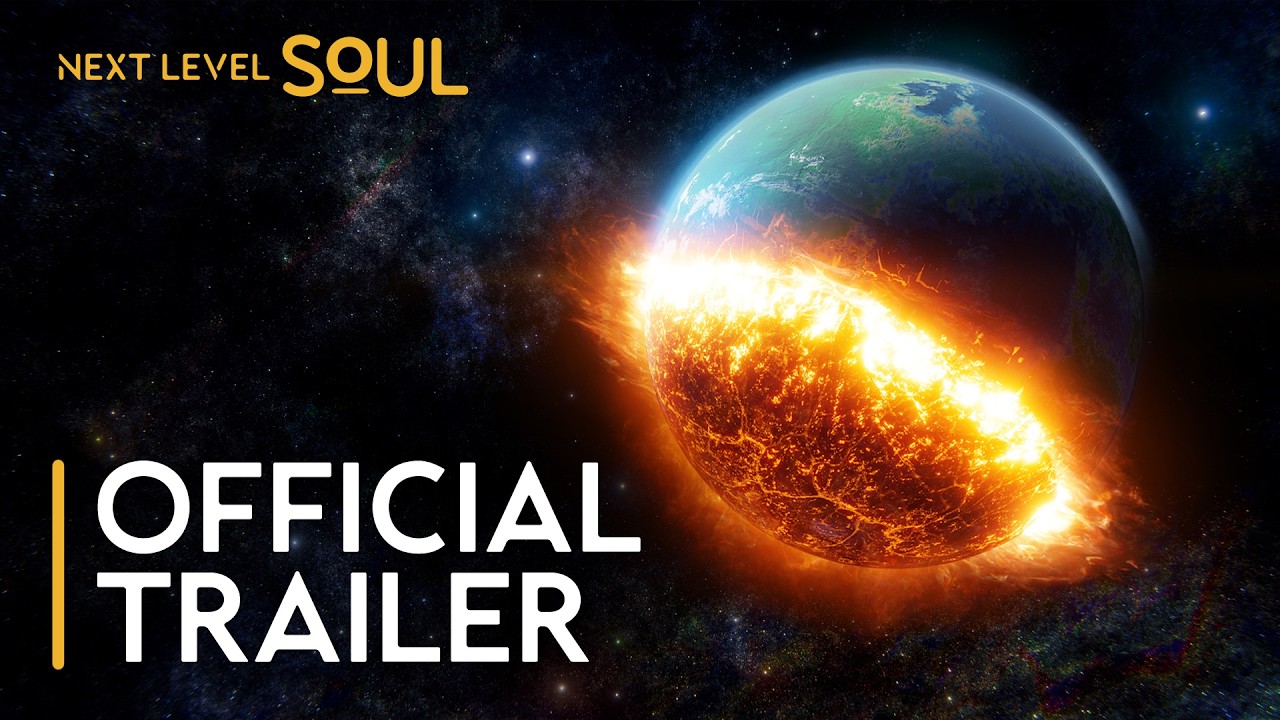
What if the Red Planet was not always red? What if Mars once looked a lot like home?
Blue Planet Red investigates the compelling theory that Mars was once a blue, water-rich world similar to Earth. Drawing on NASA data and high-resolution imagery, the film explores evidence of ancient oceans, unusual surface formations resembling pyramids and ruins, and signs of a planet-wide catastrophe. It is available on Next Level Soul, and the trailer above gives a first look.
This guide is our review, with a look at the questions the film raises and how to watch it with a curious, discerning eye.
What the film is about
The film opens with a simple idea: Mars may once have been a blue, water-rich world. From there, it examines NASA data and high-resolution imagery for clues, including evidence of ancient oceans.
It also explores unusual surface formations that some people say resemble pyramids and ruins, and it looks for signs of a planet-wide catastrophe. Through scientific analysis and expert perspectives, it asks whether Mars may once have supported life.
Review: big questions with real imagery
The film’s greatest asset is its imagery. Seeing high-resolution views of the Martian surface makes the speculation concrete. You are not asked to imagine a distant world. You are shown it, and invited to decide what you see.
The structure moves from the established to the speculative. Evidence of ancient water is the more widely discussed part of the story, and the film builds from there to its more provocative ideas. That progression helps keep the viewer grounded.
The expert perspectives add depth and a range of viewpoints. They help frame the claims and give the audience something to weigh. The film thrives on curiosity, and it carries the energy of a real investigation.
A fair note: some of the film’s ideas, especially around surface formations that resemble pyramids and ruins, are speculative and debated. Treat them as hypotheses. The film is most rewarding when you watch it as a prompt for thinking, and then look up what mainstream scientists say as well.
The big ideas underneath the film
Worlds can change dramatically. A planet that once held oceans and then became barren is a humbling picture. It reminds us that planetary conditions are not fixed, and that our own world is part of that story.
Life may be more widespread than we assume. The film considers whether Mars once supported life. Whatever the answer, the question widens our sense of what is possible in the universe.
Seeing is an act of interpretation. When we look at an image of a distant landscape, our minds search for patterns. The film invites us to notice how that works, and to separate what is in the data from what we bring to it.
Catastrophe and fragility. The idea of a planet-wide catastrophe carries a quiet message about the delicacy of conditions that sustain life. It is hard to watch without thinking of Earth.
Why this belongs in spiritual cinema
Questions about origins and the possibility of life elsewhere are spiritual as well as scientific. They stretch our sense of place and invite wonder. Many seekers find that looking outward at the cosmos brings them back, renewed, to their own inner lives.
If you enjoy cosmic questions, our look at Sacred Earth Expeditions explores ancient mysteries, and The Natural Law offers more on the connections between nature and consciousness. Browse the Spiritual Cinema collection for more.
How to watch it well
Watch on a big screen if you can. The imagery is part of the experience.
- What do I notice first when I look at these images, and why?
- Which claims feel well supported, and which feel like open questions?
- What does the idea of a once-living Mars stir in me?
The power is within you, and so is the wonder that makes us ask what lies beyond.
Who will connect with this film
It is for space enthusiasts, lovers of cosmic mystery, and anyone who enjoys a documentary that mixes data, imagery and big questions. Keep your curiosity high and your skepticism healthy, and you will get the most from it.
Keep Exploring
Keep exploring with Sacred Earth Expeditions, The Natural Law and Spiritual Cinema collection.
Frequently Asked Questions
What is Blue Planet Red about?
It investigates the theory that Mars was once a blue, water-rich world similar to Earth, using NASA data and high-resolution imagery.
What evidence does the film explore?
Evidence of ancient oceans, unusual surface formations that some say resemble pyramids and ruins, and signs of a planet-wide catastrophe.
Where can I watch Blue Planet Red?
It is available on Next Level Soul. Watch the trailer on this page and find the full documentary on NLS TV. Watch Blue Planet Red on Next Level Soul TV.
Does the film say there was life on Mars?
It examines the possibility that Mars may once have supported life and invites viewers to consider the evidence.
Are all the claims in the film proven?
No. Some ideas are speculative and debated, and viewers are encouraged to weigh the evidence and compare it with mainstream science.
Is it suitable for space and science fans?
Yes. It combines scientific analysis, expert perspectives and striking imagery.


