Next Level Soul Podcast Episode 691
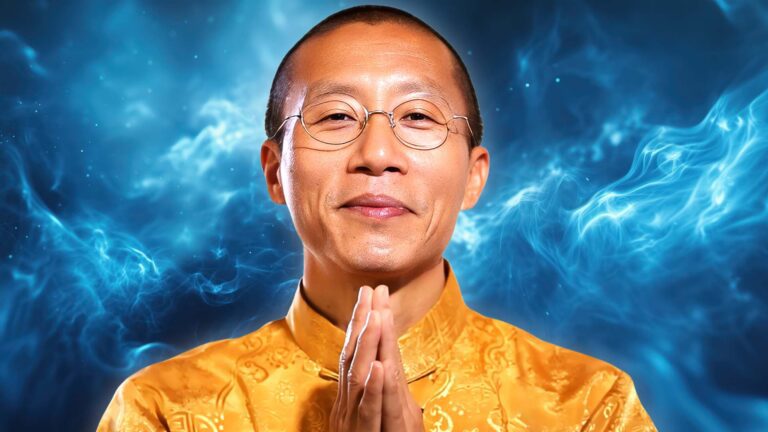
Keshava Swami is a spiritual teacher who draws on the Vedic tradition. In this episode of the Next Level Soul Podcast, he speaks about hypocrisy and the age of Kali Yuga, what a guru is, the idea of absolute truth in the Bhagavad Gita, and why he says the aim of life is to touch hearts.
Key Takeaways
- Keshava says we are in Kali Yuga, the winter of the cosmos, and hypocrisy is one of its hallmarks.
- He says systems only work where there is trust.
- He defines a guru as someone who knows the way, goes the way and shows the way.
- He says the Bhagavad Gita points to tattva, an absolute truth.
- His teacher told him the goal of life is to touch as many hearts as you can.
Who Is Keshava Swami?
On today’s episode, we welcome Keshava Swami, a spiritual teacher in the Vedic tradition. He shares how he sees this moment of upheaval and what ancient wisdom offers.
The Age of Hypocrisy
Keshava says we are in Kali Yuga, which he describes as almost like the winter of the cosmos, the dark season. Of all its qualities, hypocrisy comes up all the time, he says. Systems are coming down, he explains, because systems only work where there is trust.
He adds that even religious people have abused the trust through hypocrisy.
What Is a Guru?
Keshava offers one definition of a guru: someone who knows the way, goes the way and shows the way. He says the spiritual journey begins with questioning, and then finding someone who has some answers.
Tattva and Absolute Truth
Keshava says the Bhagavad Gita is said to contain tattva, a Sanskrit word that means a truth that stands in all times, places, circumstances and cultures. He also speaks about the caste system, saying there is a true version of stratification and a deviated version.
An Indestructible Spark
Keshava says the Eastern teachers remind us that we are an indestructible spark of consciousness. He understands that this can feel abstract, since people want something more tangible, like what it looks like or what to do all day.
Touching Hearts
Keshava shares that he grew up in a successful family with every comfort, and saw that having it all did not answer his deeper questions. He also tells the story of Prabhupada, who grew up in Calcutta and was not thinking of being a spiritual teacher at 22.
His own teacher told him the goal of life is to touch as many hearts as you can, he says, and that is what he thinks about when he wakes up.
Spiritual Takeaways
- Look for trust. Real teachers know the way, go the way and show the way.
- Remember the spark. You are described as an indestructible spark of consciousness.
- Touch hearts. Keshava says that is the goal of life.
Please enjoy my conversation with Keshava Swami.
Guest Links: Connect with Keshava Swami
Listen to the Episode
- Watch this episode ad-free on Next Level Soul TV
- Download the MP3
- More episodes: Next Level Soul Podcast
Frequently Asked Questions
Who is Keshava Swami?
Keshava Swami is a spiritual teacher who draws on the Vedic tradition and shares ancient wisdom for modern life.
What is Kali Yuga?
Keshava describes it as almost like the winter of the cosmos, the dark season, with hypocrisy as one of its hallmarks.
How does he define a guru?
He defines a guru as someone who knows the way, goes the way and shows the way.
What is tattva?
Keshava explains that tattva is a truth that stands in all times, places, circumstances and cultures, which the Bhagavad Gita is said to contain.
Where can I learn more about Keshava Swami?
Visit keshavaswami.com, join Wisdom That Breathes, find him on Facebook, YouTube and Instagram, or watch his episode on Next Level Soul TV.
Keep Exploring
- Explore all of our free masterclasses
- Another look at ancient wisdom: Full Disclosure with Yogiraj SatGurunath Siddhanath
- Read the complete guide to the Ascended Masters
Follow Along with the Transcript
Alex Ferrari 0:00
Today's guru. What is the purpose of the guru?
Keshava Swami 0:03
One of the ones that comes up all the time is hypocrisy. It's the age of hypocrisy. The systems are coming down because systems only work where there is trust. Here's one definition of a guru, someone who knows the way, someone who goes the way, and someone who can show the way. Sometimes people think spirituality means like, I need to learn all these new things now, but actually, all it is is remembering what you've known since eternity,
Alex Ferrari 0:38
What breaks first in a spiritual awakening the ego or the illusion?
Keshava Swami 0:43
What I found, Alex in India was...
Alex Ferrari 0:57
I like to welcome to the show Keshava Swami, how you doing Swami?
Keshava Swami 0:59
Hey, Alex, thanks so much for having us on. It's an honor.
Alex Ferrari 1:03
I appreciate you for coming on, my friend. I'm really, really looking forward to this conversation. I absolutely adore the work that you're doing in the world. I know you are trying to help awaken humanity with your teachings and bringing your teachings from the east over to the west, very much like the gentleman sitting around my corner and many of the other, many of the other gurus and saints that came over from the east with these profound wisdom, and you're doing it now. You're right now close to Harvard. You're doing some work with Harvard now as well. Which is so it's wonderful, man. It's wonderful to have these kind of teachings becoming more and more mainstream, as opposed to in the back of a bookstore somewhere in in no hope.
Keshava Swami 1:49
Yeah, no, it's great to be here with like, kindred spirits. You know, Alex, I feel like there's so many beautiful things in the world. Like, I don't see technology as a bad thing. I don't see, like our social kind of changes in infrastructure as necessarily a bad thing. But what I do see is that if you don't accompany all of those advances with spiritual wisdom, then it becomes an imbalance.
Alex Ferrari 2:19
Absolutely, a tool is a tool regardless. It's just a tool. A hammer could build or it can kill. It really depends on how you use it. That's where that spiritual consciousness comes in,
Keshava Swami 2:32
Yeah
Alex Ferrari 2:32
Like maybe I should build with this tool, as opposed to destroy with this tool. And I think I agree with you 100% so I want to go, I plan to go into the deep waters with you, my friend. So my first question is, when what breaks first in a spiritual awakening, the ego or the illusion?
Keshava Swami 2:50
Oh, that's amazing. What a beautiful question you you went straight into the deep end there Alex.
Alex Ferrari 2:54
Oh, no, I don't, I don't play around here. That's what we do here. We don't dash around the top end. We don't play in the kiddie pool. We go deep. Let's go!
Keshava Swami 3:01
Yeah. So in so, in eastern philosophy, actually, there's a concept of Maya. And Maya means illusion. And it's interesting that Maya is not just something external, but Maya is also something which takes root within our own consciousness. And therefore Maya or illusion has different strategic kind of places in which we create an aberration of reality. And so I think in a sense, like there's illusion which is outside, which is then projected onto us. I think there's an illusion within us by which that illusion, when we see through that illusion that's within us and we look outside, we see something that's not there. And so I think illusion actually works in both ways, and therefore a lot of our spiritual practice is about refining the ego, purifying the ego. In the particular bhakti tradition I'm in, we're not trying to annihilate the ego. Ego is a sense of who I am, but there's a false ego and there's a true ego. So the false ego is, I'm Indian, I'm from London, I'm six foot five tall, I'm 45 years old, and those are all just temporary egos. When time takes away all of that, what's left, that's the real ego. And so I would say that we break the illusion within by removing the false ego, and we simultaneously, when we then see the world, we don't see illusory things because we're seeing through the true ego. And so I would, I guess my answer through, I'm just thinking it through with you. So. My answer would probably be that when we've purified our own ego of any sense of illusion, then when we look around, we can't be tricked by illusion anymore.
Alex Ferrari 5:14
I find it fascinating. Part of your answer was, I hadn't heard it presented that way, which is beautiful that the ego or not the ego, but the illusion is projected on to us, which I found very interesting, which in the way I'm interpreting that, is the programming of who we're born into, the country we born into, the parents were born into, the religion we're born into. You know, all of the societal stuff that that is an it's an illusion. This whole thing is an illusion. So why wouldn't our construct of how the world works also be an illusion. Because you know, you obviously, you know you were born Indian, you were born into your environment, into your religion, and you know, discovered your own path along the way. But that also at a certain point, you said, no, no, no, this makes sense to me. I'm going to keep going, because there's many, many people who are born in one like, I was born Catholic, you know, I was born Roman Catholic, hardcore nuns and all. And that didn't for me on my path. It was beautiful because it explored. It introduced me to Christ. Christ Consciousness introduced me to a higher power. But it didn't the dogma didn't make sense to me, where then I started to go much more towards the east and start following Eastern not following, but studying Eastern philosophies, all of them, from confucism to Hinduism to yogic philosophies, all of that, because it made more sense to me. So we're born into a construct and an illusion. But then we start to, if you start to seek you start to find the path that works for you. Does that make sense?
Keshava Swami 6:44
Yeah, 100% you know. Like, I tell people, if someone tells a lie loud enough and long enough, that lie becomes a so called Truth. But you know what, Alex, what's even more scary is if enough people accept that so called Truth, it becomes a so called culture. But you know, what's even more scary if that culture perpetuates from one generation to the next, it becomes a so called tradition, and what's even more scary is then people are born into that so called tradition, and they decide their goals, their aspirations, their desires, their what success is based on a tradition, based on a culture, based on the so called truth that's actually a lie. And I think for me, like the spiritual journey is about interrogating those lies, or those so called truths. And if I was like, like, sometimes people say, what are you? I'm like, I'm a monk. And then I tell them, and I'm also a spiritual disruptor, because the idea is that we have to disrupt the narrative and interrogate everything that we've accepted without questioning and say, Is this really true, or is it an illusion?
Alex Ferrari 8:07
But isn't it true that a lot of the Great, the great masters who've walked at least that I've studied, the majority of them always say, Don't believe what I say, question me, challenge me, push me. Don't just accept it because I said it, if it ring true to you, and question the teachings, question the wisdom, to see if it really works. That's a true teacher. In my eye, someone is like, he's not afraid to be challenged. He's not afraid to be pushed into into because that's how we grow. Even the teacher is still growing. If you're here, you're growing, right?
Keshava Swami 8:43
Yeah, it's funny, because as you're speaking, I'm thinking about the Bhagavad Gita, like, I'm here in Boston right now. So not far from here is Borden, where, like, you know, through and all those like, you know, and then at Harvard, he had Emerson, and all of them were reading the Bhagavad Gita. Now, the Bhagavad Gita is a fascinating book because Krishna speaks the whole Bhagavad Gita, and then at right at the end, he looks at Arjuna, who's listening, after giving him all this knowledge, and he basically says, Can I say it in Sanskrit? Beautiful. Yeah. You know, you know, you get better the vibe. So he says this right at the end. **Speaking in Sanskrit**. So the English is he says to Arjun, now I've given you all this knowledge. I want you to think about it, reflect on it, challenge it, question it, and then do what you want to do. And that's and as you said, I think that's what a real teacher is. A real teacher is not. Telling you what to think. A real teacher is telling you how to think
Alex Ferrari 10:05
You're absolutely right, my friend, it's, it's, it's amazing, you know, you were saying about challenging the truths you know, or the lies or the or the illusions. You know, the great illusion in the Catholic tradition is we're born with original sin, that we're not good enough, that we have no power in and please correct me if I'm wrong in I'm not sure if it's in the Hindu, but I know in the Indian the caste system, that that whole caste system is absolute BS, it was a form of control of things. So it's throughout all the cultures, not one culture is perfect. Everyone has their own little things, but it's to challenge that. So for my understanding, I'm not sure how versed you are in this, but the caste system, that is not something that is really looked upon the same way in India as it was before. And can you in for anybody who doesn't know what the caste system is, can you quickly explain what the caste system is?
Keshava Swami 10:59
Yeah, no. Thank you. Yeah, so the caste system, there's an idea that. And what I would say is that there's a true version of stratification in the world, and then there's a kind of deviated version, which is what we have the caste system. So I'll just do some groundwork, and then we'll talk about those two. Alex, everyone's different, right? Some of us are podcasters, some of us are, you know, practical like do some plumbing, or some of us are computer programmers. You have academics. Everyone's of a different nature, and everyone is needed, right? So the idea is that in a society there are different people who have different personalities, who are all meant to bring something unique to the table and work together in a mood of respect and cooperation, then society is beautiful. So there were said to be four basic personality types, what we call brahmana, which is the teaching type, Kshatriya, which is the managerial and the leadership type, vaisha, which is like an entrepreneurial, mercantile type, and then sudra, which basically means someone who's assisting and who's happy to assist. The other three. What happened over time is that people started getting stratified into one of these based on which family they were born in. We didn't look at like what their personality is, what they want to do, what what they have qualification for. We just looked at what is their birth and then what happened is the system became more and more degraded. With the teachers, the higher costs, so called higher costs, were exploiting the lower costs. So you don't become a doctor just because your dad was a doctor. You got to go to school. You got to learn the thing, and then you got it, then you're a doctor. So the idea of the caste system is everything became based on birth exploitation and trying to basically, yeah, just subjugate certain individuals, whereas the original system was, we're all different, less respect each other. Let's let people go wherever they're most, you know, natural, and let's do something amazing together. So that's basically where it came from.
Alex Ferrari 13:34
So those were the two. So those were the I've never heard it explained like that. Thank you so much for that, because I've known of the other castes, like the caste system, like, the was it the untouchables?
Keshava Swami 13:44
Yeah, and then the cost, yeah, that's another aspect. There's, there's like, The Untouchables who are, like, no caste, and then they're like, extricated from society. So, yeah, all of that is a just
Alex Ferrari 13:55
By right, by being, by being born into the family that you're in, you know, which is the opposite, you know, here in the States, where, like doesn't really, truly, I mean, yeah, it helps when you're born into a rich family, or something like that. But anyone really can come out of any any castes or any level of society. If you're born poor, you could become rich. And if you're this, you could be that. So there's an opening to the openness to that that is very, very different, but so, but India doesn't look at the caste system. It's not taken as seriously as it was.
Keshava Swami 14:28
Yeah, Now, thankfully, you know the there's greater knowledge awareness, and it's not is, but to be honest, Alex, you know, still, even in places, it's there, and it's unfortunate, you know?
Alex Ferrari 14:42
Well, it's here too. I mean, the elitism of things like, you know, I have this house or I have this car, and you are nothing, and this and that kind of, it's just, it's ego, it's all of that. But it needs to be broken down. Which, which brings me, brings me to my next question. At 21 What did you see that made you. An ordinary life impossible to return to?
Keshava Swami 15:05
Yeah, no, and I'm just going to interrogate your question a little bit before I leave into that. I would say, you know when I think you say when, when I when I hear you say ordinary. I'm not sure what you mean by that. But sometimes people think, if you get a job, if you have a family, if you go along the kind of normal path in the world, then that's in one sense, ordinary, and I don't think that's true. I think someone can, like, have the family, have the job, even be in the corporate world, and be deeply spiritual and have a deeply dynamic life, absolutely and therefore, I don't think being a monk is walking in itself. Is going to say like now you're walking away from ordinary you could be an ordinary monk, not a very spiritual monk. So it's all about consciousness, right?
Alex Ferrari 15:56
Can I jump in for a second? I actually went to a monastery, and the monk that was giving me a tour had a tremendous attitude, not very spiritual at all, in this beautifully spiritual place. And I remember, I was like, this is some in it. And then, of course, you know, if you go into the into the Catholic religion, priests and nuns, some of them could be really nasty, some of them could be very beautiful. So it doesn't really matter. I agree with you when I said ordinary. I the way I meant it is more of the illusion, as opposed to a normal or because there is no ordinary path. I'm talking about the illusion of this that you're like, oh, wait a minute. I can't, I can't go back into playing that part that I was playing in that avatar that I was playing in the video game. I understand the game now. What did you see? What happened?
Keshava Swami 16:45
Yeah, no, that's great. Yeah. I think see like, Alex, I grew up in a family. I don't think like I was lacking anything. I was fortunate. I was surrounded by, yeah, success. And, you know, two cars, two houses, two phones, too much. And I saw people who had it all. And I was kind of like, it's the classic thing. You see people who have everything and are so empty, you know, like they say, they say, We should, we should love people and use things. And nowadays we use people and we love things. And so from a young age, I had a doubt. You know, the doubt was there, and I was 21 and I just come out of university, and I was like, I need time to Yeah, cliched as it sounds, find yourself, find myself, you know. And so someone told me a word. They said, You got to deprovincialize yourself. I was like, what's deprovincialize yourself? And he said, You've got to get out of the province. You got to get out of your normal environment. You got to get out of all these narratives and expectations, you need to get into a different space, and then you will be able to hear something deeper in your heart. So that's what I did. I deprovincialized myself. I went to India, and I stayed there for six months, 21 years old, straight out of university. And what I found, Alex in India was the beauty of simplicity. You know, sometimes they say less is more. And I found that, you know, simple, living, high thinking, that that really started resonating with me and and I think I had a I had a tendency towards simplicity and minimalism from a young age. So, so I lived with the monks, and, like I was saying when we were talking about the caste system, that I think each one of us have a unique personality. And then I realized that I think my path is to try and share wisdom with people, and by sharing with others and teaching, I think I'm going to learn quite a lot as well. And so that's what I began doing. And but yeah, for me, just just the fact that so much but so little in the heart, in terms of love and satisfaction, when I saw that in the world, I was like, I can't sign up to this. I just can't do it. So it was a challenge. You know, you come back as a 21 year old, I knock on my home, and I'm like, Mom, I'm going to become a monk. He's like, What are you talking about, you know? So there was a lot of tears, a lot of arguments, and, you know, every parent wants you to be successful, married and all that stuff. And I was just like, I can't. I have to be authentic. So yeah,
Alex Ferrari 20:03
God bless you for being brave enough to do that. As a young man like that, you were wise beyond your years as a 21 year old to really understand who you wanted to be and then go after it is pretty profound, not most. I mean, at 21 I was just I was still bumping around trying to figure it out myself, and not that you had it all figured out at 21 but at least you knew the direction you wanted to walk, which is a scary thing, because you went out completely outside the norm of of the world that you came from. But I agree with you 100% I think that if people, more people, traveled outside of their bubbles. You know, when you go abroad, go to different countries, different cultures, you start seeing it. You start to realize that everyone is just everybody wants the same thing. Doesn't matter what language you speak. We all want love. We all want to take care of our families. We all want to have a roof over our head. We all want to be happy, to be loved. It's every human being has to go through that every from from a tribesman in the Africa somewhere or in the Amazon somewhere, to a giant CEO of a giant company, everyone wants the same thing. It's beautiful. That's very, very beautiful. But let me ask you, then, why do you feel that we are, right now, more connected than we've ever been, but yet we seem to be more spiritually empty, because we're being not indoctrinated, but enticed by
Keshava Swami 21:31
Bombarded.
Alex Ferrari 21:33
That's the word, bombarded by the material. But I and listen, I'm a little bit we're of similar vintage. You and I, I'm a little bit older than you, but it was similar vintage. So I remember the the gluttony of the 80s. You were younger, but the 80s was just like, so much excess, so much excess. And now it seems like we're being bombarded with so much. Like, you have to have this, can't you have to have this thing. You have to It's all stuff, stuff, stuff, stuff, constantly, and you're not good enough. If you don't look like this, you're not good enough. If you don't own this, if you can't afford this, you're not good enough. Why do you think that we are in a grander, macro sense, why are we being bombarded at this time of humanity being bombarded with this? Because it seems like to be ramping up the chaos of the bombardment of the materialism. And I think it might be the this is my feeling. And please tell me what you think I feel. It's the last, the death grip of of it in many ways, across all industries, across all areas of society, the old systems are trying to hold on, and they're trying to get more intense for us to go, Wait a minute. This isn't we need to pull back. I think that's what's going on with humanity right now. What's your thoughts?
Keshava Swami 22:50
Yeah, that's a great and just from that pulling back. Let me Well, I think it's like, I think technology, let's begin there. I think technology is a massive thing, like we are now bombarded by all these messages, all these demands, communication demands, and there's no space to breathe. There's no space to think. I share with you decades ago, they talked about something called the Theory of boredom. So people what would happen decades ago is people would get bored, right? And when they were bored, there was nothing to do, right? And when there was nothing to do, they were forced to stop and think about life, think about themselves, think about things, and they realize that boredom actually played a really important part in life, because it is from boredom that thinking was actually activated. But if you notice now, Alex, we don't get bored. What happens is, as soon as you're bored, get one of these, and you start scrolling. And therefore what, I think, one of the major things in the world today is that people don't pull back, because there's just something to constantly stimulate them. And when they're constantly stimulated, I think that capacity to question, the capacity to think, the capacity to interrogate, is basically annihilated, and then what you have in the world is basically complicity and just complete like, yeah, people just follow along.
Alex Ferrari 24:42
Hey guys, I really hope you're enjoying this conversation. And the one thing I've noticed recently is that most of you are not subscribed to our YouTube channel. It's free, and it really helps us out a lot. So if you haven't subscribed, please subscribe, like and share this content so we can continue to help. Elevate the consciousness of the planet. Thank you so much. And let's get back to the conversation.
Keshava Swami 25:06
So, like, for example, when I was in India, I was traveling, you know, you kind of go to these idyllic places. So I was traveling by these mountains, and there was this Yogi sitting in a cave. I was like, my god, this guy's the real deal, you know. So I went up to him, and it was like he didn't he clearly didn't want to speak much, but I thought, I can't miss out on this opportunity. So I asked him, I said, Can you give me one advice for my spiritual journey? And he said something that I tried to follow to this day. It really helped me. He said he looked at me. He said, every single year disconnect for one month, every single month disconnect for one day, and every single day disconnect for one hour, and then he looked at me, and he was like, disconnect, to connect. I looked at him, I was like, Yo, you should be on TEDx brother.
Alex Ferrari 26:11
That's the quickest TEDx talk I've ever heard, but it is awesome.
Keshava Swami 26:15
So this point he was making of disconnecting, like, when you disconnect, and you go inside, then you emerge in the world as a different person. But I think people just don't disconnect anymore, because they're constantly connected
Alex Ferrari 26:32
And that's what the power of meditation comes in. That's the power of any spiritual practice, if it's even prayer, if it's meditation, if it's yoga, if it's even working out, if whatever it might be, but specifically meditation or prayer, when you are quiet speaking with prayer, you're speaking meditation, you're quieting. And I feel that when you meditate, that is that hour of quiet that you're looking for to disconnect. That's where a lot of my greatest ideas and downloads and everything that come in come in through that time. But you're right right now. We are. My kids talk to me like, how was it growing up with only three channels on television? And I like, it's a horror story. And I'm like, You know what happened if you weren't there on Saturday morning at six o'clock to start watching your cartoons. Guess what? There were no cartoons Until next Saturday. They're like, Oh, you know, it's, it's, it was a very different time. But I agree. I remember being bored, and when you were bored, you just go out and play. You would go do something, you would go, you would your brain is forced to do other things because your brain needs stimulation. In one way, shape or form. So if it can't find stimulation, it will create its own internal looking in questioning, thinking about life, like you said, you know, to really think and analyze things. It's It's fascinating. I want to get into the the Gita for a second now, Gita is a very the Bhagavad. Gita is a powerful, powerful Scripture, essentially, story that has survived 1000s of years. Can you explain to people why something like that has that kind of this book, this, these stories survived for 1000s of years when most modern wisdom expires in months, if not days. You know this has held the test of time, test of generations, test of so much. Why do you believe it is held so long, and it's still talked about with such great fondness to this day.
Keshava Swami 28:45
Yeah, great question. Yeah. Well, the Bhagavad Gita is said to contain something called tattva. That's the Sanskrit word, tattva, and literally, what it means is a truth, but not just any kind of truth, a truth that stands in all times, places, circumstances, cultures. You know, it's just what we call an absolute truth. And I think we find a lot of relative truth in the world that's useful, but for a certain time, for a certain person from a certain perspective. But when you find tattva, I think that is very, very special. So what I believe the Bhagavad Gita does is it gives you a blueprint of reality, right? You? You may have read Victor Frankel's book, Man's Search for Meaning. So I don't know how many of our viewers maybe they've read that book, but he basically explains that his survival in the concentration camps and later on, when he came out, he developed something called logotherapy, and his. Main thing was, everyone is looking for meaning. He said, we don't even look for pleasure or to avoid pain. He said, If you have pleasure, but there's no meaning in the pleasure. That pleasure will depress you. And he said, If you encounter pain, but there is meaning to it, you will not just accept the pain, you'll embrace it as part of your development. So it's very profound point that actually beyond pleasure and pain, what we're really interested in is meaning. So the Bhagavad Gita, what I say is it gives you the blueprint of reality, which then helps you to decipher meaning. And just to say it like super quick, and we could do a whole podcast on this, but the the Bhagavad Gita basically contains what we call five tattvas, or Five Truths. The first one in Sanskrit is called Jiva, which is the soul. The second one is called prakriti, which means the world. The third one is karma, action and reaction. The fourth one is Kala or time, and the fifth one is Ishvara, or the Supreme. So these are like the five points, right? The first one, Jiva answers the question, Who am I? The second one, prakriti world answers the question, Where am I? The third one, karma answers the question, What am I meant to be doing here? The fourth one, Kala time represents the question, How long am I here for? And the fifth one isvara, the supreme answers the question, what's beyond this material realm? If you can answer those five questions, you can basically understand and decode any other question in the world. Who am I? Where am I? What am I meant to be doing here? How long am I here for? What's beyond this world? And that's why the Bhagavad Gita is such a powerful book, because it confronts the most fundamental questions that most people nowadays just kind of ignore and are just like, well, whatever it is, I need some money, you know, so don't just get on with it, but They don't ask the big questions first.
Alex Ferrari 32:41
But Swami, if the big questions that we're looking for and Socrates was Socrates, example of Socrates about the big questions when we are basically programmed or lied to about what we need in life, what we have to chase, worrying about our basic necessities. It's really difficult to find inner peace when you can't pay the bill and you're going to be evicted, or I have no food and I'm super hungry and I can't, you know, some people go into fast but that's a dumb conversation. But if you're not used to it, I can't think about the big questions when I can't answer the little ones. So and I think a lot of I think this illusion that people have been sold over the years is that you need to do this, you need to do that, you need to do this. You have to chase that. You have to chase this. You have to chase that. It kind of just muddy. Muddies up the water so much that you can't ask those big questions. And Socrates said it well, and because the Greeks in that time, well, they had, essentially, they had slaves, and the slaves did all of that for them. So they had the time. I'm like, let me just sit and think deep thoughts, you know, like this philosophize about the nature of reality, while the Spartans are like, great, I could just become the greatest warrior of all time, because I have a slave system. So there's, there is that. But I think there's something bigger here that I'm curious to hear your thoughts about. I think we're heading into a world, and it probably will happen in our lifetime, where a lot of our basic needs will be covered by technology. Ai, I see it. I see it's so clear in the water. You could see it in the tea leaves, if you will, that. AI, if done properly and consciously, which is the scary part for me, like, but if it's done right, it can take a lot of our basic needs a way to the point where we like, oh, I have time now to ask these big questions, to seek for these answers. What do you think about that?
Keshava Swami 34:50
Yeah, well, Alex, when you speak, I get like, it's too many thoughts. You know, that's the bad thing about your speaking. You know, back them all. I. Um, let me just go back, and then I'll come back to Ayan. I think you made a brilliant point. There's the spiritual questioning, and then there are the day to day necessities. And I think there's two misconceptions. One is that you need to ask the questions, first, get them down, and then do your material necessities. I'm not suggesting that. I think the other one is I need to get all my material necessities. And once I'm secure, then I'm going to ask the questions. I think that's an illusion as well. I don't think these two things are sequential. I think they're meant to be an ongoing, synergistic endeavor throughout one's life. Like I don't think these questions, you completely answer them at any point, you're continually unfolding and discovering them in deeper ways. So I would say, you know, we're not suggesting retire and be a philosopher and get it all down, and then get back into the world. I think you can be in the world and be thinking about the world at the same time, and that's what I would propose. And then coming to your question of AI, I love your framing, you know, because I think AI doesn't have to be a replacement for our intelligence, which I think it's big, fast becoming for many people. I think AI is actually an incredible tool which can free you up to actually exercise other parts of your intelligence that can lead you to, like, very beautiful places. So as long as AI doesn't AI is actually, if we use it properly, is meant to actually increase our intelligence, because it frees us up from having to spend intelligence in otherwise monotonous things that don't require our attention,
Alex Ferrari 36:59
Right! It's something as simple as thing. That example that comes to my mind is automatic payments. I'm old enough, and I think you are too, that writing a check, because the bill would come in the mail, you write a check, you put it in, and then you would send it out. That was time, cognitive load, all of that stuff, where now technology, you just click a box, like to automatically pay the bill every month. And now I don't have to think about that, and that has freed me to do something else. It's just a small example, but that's a small example of technology taking something away from us that would have taken time energy, and thought,
Keshava Swami 37:32
Yeah, no, I think it's a great point, and as long as we just don't say, Well, now I don't need to utilize that time energy, and thought I'd just go and play a computer game or something instead, you know, like, then we say, like, what am I going to use my intelligence for?
Alex Ferrari 37:50
Let me ask you, in the Gita, is the battlefield in the Gita actually happening inside of us?
Keshava Swami 37:56
Yeah, the battlefield beautiful. It's it the Gita is literal and it's metaphorical as well. And that's the beauty of this literature. It's a battle. It happened. I've been to the battlefield where it happened like it's profound place, but you are right. There's a battlefield within us. There's an Arjuna within us. There's a, there's a Krishna within us, a super consciousness, kind of like the charioteer, guiding us, telling us what, you know, some people call it intuition, or whatever, but there's a voice that's guiding us, you know? And so, yeah, the battlefield is within. The battlefield is in the in the world today is a battlefield and just the same one reason why I think the battlefield is a profound place, because it's not the first place you think of to have like, a real deep conversation about life, like on a battlefield. But what occurred to me is that on a battlefield, it's a very unique place, because the ultimate and the immediate simultaneously come into focus. I'll explain what I mean. On a battlefield, you could die at any moment. So that means the ultimate what happens beyond? What's beyond that immediately starts playing on your mind, on the battlefield, but on a battlefield, in one moment, everyone's going to start fighting, and you need to know what to do. Therefore, the immediate is really, really important as well, and that's what I think the genius of the Bhagavad Gita is, and the genius of the battlefield, it's a place which teaches you how to function right now and how to at the same time while you're functioning right now. To always bear in mind. Mind, what's the ultimate thing here? So the ultimate and the immediate, the battlefield brings both into focus. And I think when one lives a life in which we're focusing on the immediate and we're consciously aware of the ultimate, that is a powerful life,
Alex Ferrari 40:20
Beautifully said, beautifully said. One thing I want to ask do, are human beings suffering more from ignorance or from forgetness? For forgetfulness?
Keshava Swami 40:31
Wow, yeah, you're getting into like the real Yeah, I would say the ignorance is the forgetfulness, like, who are we, you know, and that's the way the Bhagavad Gita begins, because Arjun is like, I'm gonna die. Everyone's gonna die. And Krishna, the first thing Krishna says to Arjun, but do you know who you are? You're not the body, you're not the mind. You are a spark of consciousness animating this frame, and you've forgotten, and because you've forgotten, you're in ignorance of your identity. And so, yeah, it's beautiful the way you've asked that question. Because sometimes people think spirituality means, like, I need to learn all these new things now, but actually all it is is remembering what you've known since eternity
Alex Ferrari 41:42
And to cut through all the mud, to cut through all the the BS, all the stuff that you've been that they, I think they someone says this, but I've say it all the time, is like you you in the first seven years, you learn everything that they're programming with. You're programmed in the first seven years of your life, basically to who you are, and then you spend the rest of your life trying to deprogram yourself. Deprogram yourself from all the stuff you learned in those first seven years. And there's a very deep truth to that. It is a very deep truth because it by the time you're seven, you're you are who you are. A lot, a lot of the basic programming is in but then you've tried to try to release it all, try to deprogram yourself. It's crazy, isn't it?
Keshava Swami 42:23
It's like one writer, he says, I can't remember who it is. He says, I'm not who I think I am, I'm not who you think I am, I'm who I think you think I am. It's like our vision of ourselves is a projection of a projection we've become so distanced from who we actually are because of all this programming, as you mentioned.
Alex Ferrari 42:51
So it's like a It's allegory of the cave with another allegory, Plato's cave, another Plato's cave, another Plato's cave.
Keshava Swami 42:57
It's like a mirror within a mirror within a mirror, like kind of you know that.
Alex Ferrari 43:01
So when consciousness, or when these labels leave us all this stuff, the label of you being who you are, me being who I am, and all the all these illusions go away, what's left? What's left? When you strip all this away, this is a deep, scary question for people, because it's essentially, who am I when I look in the mirror, everything's gone? Who am I when I look in the mirror, when all of it's gone, that's it's kind of terrifying for a lot of people. What's your what do you think?
Keshava Swami 43:33
Yeah, yeah. I mean the Eastern teachers, they constantly remind us we are an indestructible spark of consciousness. And it's like, it's hard. Like, when you tell someone that is, like, what does that mean? Like, like, what do I look like? What do I do all day? Like, people want to know something more tangible. But I think the Bhagavad Gita in the 15th Chapter, uses a beautiful analogy of a banyan tree and says, imagine. Krishna says, imagine there's a banyan tree, and then there's a water a waterbed, and then there's a reflection of the Banyan Tree. Krishna says, basically this material world is like the reflection. And everything that you see in this world exists in its true form in the spiritual in the spiritual dimension. So basically, who are we? In one sense, you could say we're pure consciousness. And if someone wanted to get a little more specific, we could say that just as you see this world, we have relationships, we have bodies, we have personalities, we have we. That actually goes on in the spiritual abode, but in a pure and perfect and beautiful way, devoid of any, yeah, imperfection. So I'm kind of like, you're I'm kind of like trying to give a little bit of a picture of it, but basically, yeah, when we strip away all the material. We're spiritual beings. And as spiritual beings, we function in a beautiful spiritual world, where there is everything that you see here, but in its pure, original form.
Alex Ferrari 45:34
So there must be some amazing concerts going on up heaven or on the other side. You know, the lineup must be amazing,
Keshava Swami 45:42
Yeah. I mean, Alex, if there was no music, if there was no dancing, if there was no laughter, if there was no love in the spiritual world, what would the spiritual world be?
Alex Ferrari 45:56
A void, a void, essentially
Keshava Swami 45:57
A void. Yeah. So there are different philosophies, and what we find is there are philosophies which are what we call impersonal, which basically try to reduce reality to like an all pervading consciousness, but it's we're all one and we're whereas there are philosophies what we call as dualistic or bhakti philosophies, philosophies of love, where the spiritual perfection is not just an impersonal blob of oneness, but it's a beautiful world of dynamic exchange and activity, but in which everything is done in a purely spiritual and perfect way.
Alex Ferrari 46:42
So I mean, I feel that I've said this often, but I feel like that this is an insane thing life. Life is insane. You're thrown in. No one's telling you anything. You just show up. I got these parents, you know, like, sometimes they're there, sometimes I've been abandoned. There's 1000 different scenarios, right? We're throwing it, and then we start to try to figure it out, trying to figure this whole just our mind, our consciousness. We're just trying to figure out what we are, who we those five questions, what we are, who we are, why we're here, all of that stuff. And then we're taught by caretakers who have tried to do the same thing, but really don't have a complete, clear picture either. So then we're taught their misunderstandings or their whatever their understandings might be, and then we try to go figure it out for ourselves. This is an insane thing. All of us are trying to grab onto a story for us to to to make sense of this. All right, it's like we're just trying to, just trying to figure this thing out, everyone, everyone, and we're just taking stimulation from everywhere but like, but if you're born in the Amazon right now, into a tribe who doesn't see any of this, who doesn't understand any of this, who lives in that tribe. And they do the same thing, but their reality is very different than reality you and I live in, but they're still the exact same thing. They're trying to figure out, what is this jungle? Those are the animals that can kill me. These people seem to love me. This is how I get food. They're just trying to figure it out. And the story you're like, you know, the story I'm going to hold on to is the the sun god is the sun comes up there. It's, my God, I'm going to, okay, it's just a story. We're all just trying to grab onto stories to make sense of this all. Does that make any sense?
Keshava Swami 48:35
Yeah, we're looking, it's a beautiful point, like we're all looking for answers, and sometimes we're going to people who don't have the answers, who are grappling with it themselves. And I think this is the point where we might want to introduce the concept of Guru,
Alex Ferrari 48:55
Please, because that is a very charged word nowadays.
Keshava Swami 48:58
Yeah, that's a charge. That's why,
Alex Ferrari 49:01
Please!
Keshava Swami 49:02
I waited 15 minutes before I dropped the guru word, you know, just,
Alex Ferrari 49:06
Let's draw, let's, let's. So with the guru. So the guru coming from your point, your your lineage, the gurus is a completely different thing than what it's kind of been bastardized here in the West.
Keshava Swami 49:18
Yeah,
Alex Ferrari 49:18
And there have been Indian gurus who've come over, who have bastardized it, taking advantage, graded cults, all that kind of stuff. Yeah, so. But that happens in every, every culture, every religion. There's always, you know, the outsiders. But yes, let's, I'd love to hear your point of view on the, the the today's guru. What is the purpose of the guru in today?
Keshava Swami 49:40
Yeah, yeah. So, like I talked to you about the Bhagavad Gita and this concept of tattva, that there are truths, and then the guru in Sanskrit is literally known as tattva darshi. And tattva darshi darshan means to see SAT. Tatvadarshi means one who's basically seeing those truths, not just intellectually, but they have a have a vision of a spiritual vision of the world. So yeah, the Bhagavad Gita, and in many traditions, is explained that to get the answers, we need to find someone who's found those answers. And so what you'll find through the spiritual literatures is that characteristics are given. Like, how do you know someone is a guru? Like, how we like, if you came across a guru today, how would you what would you do to be able to verify it like, what's their how do they walk? How do they talk? What are their characters? What are their qualities like? So a significant part of the Bhagavad Gita talks about the character of a self realized person.
Alex Ferrari 50:58
Okay,
Keshava Swami 51:00
And so there are all these beautiful descriptions about a self realized person, and
Alex Ferrari 51:07
Christ conscious, like Christ consciousness, or like Yogananda, or like, you know, many of the gurus, not gurus, but the Masters who've walked in all in Buddha.
Keshava Swami 51:18
Do they exhibit? They exhibit compassion. They exhibit, you know, tolerance, humility, all these things. So, yeah, the the spiritual journey really begins when we, number one, begin questioning, right? But then number two, the next thing that needs to happen is you need to find someone who has some answers. Otherwise, just questioning can lead you into an endless spiral of frustration, you know. So we need questions, but then we need answers and and to and I'll just add one thing here, and then I'll let you come in. I think people, when they think of a guru, they think of someone who you unquestioningly follow and who you just invest your faith in and leave your intelligence behind. And I don't think that's how it's actually meant to be framed. I think a guru is someone who gives you answers in such a way that it stimulates your intelligence to ask more questions, right? When you're around someone who gives you answers but then who helps you to ask higher grade questions? I think that's a that's a guru and so, yeah, ask questions, find someone who has answers, but connect with someone who continues to stimulate you to ask more questions.
Alex Ferrari 52:55
The I would love you to talk about discernment, because it is a very under appreciated idea when it comes to the spiritual path, because so many people are lost in the world, and they they grab on to anyone who goes, I know I follow me. I got the answers and and then they're like, he must, he dresses the part, or she's dressing the part. She sounds right. She's saying the right things. Let me go over there and I'm and then they just give away their power. Where I think the discernment, I think you touched upon in the last answer, we really need to make you really have to think about it, about why am I following this person, or what am I getting out of this relationship with this person in one way, shape or form? I'd love to hear your thoughts on discernment and what place it has in today's spiritual path.
Keshava Swami 53:51
Yeah, here's one definition of a guru, someone who knows the way, someone who goes the way and someone who can show the way, right? That's one way to see it very simply. So I think discernment comes in asking those questions. Does this person know the way? That means ask questions if a guru doesn't want you to ask them questions I would be very suspicious,
Alex Ferrari 54:26
Or question you at all, or question Yeah, yeah,
Keshava Swami 54:28
Yeah. If there's no, if there's no exploration, I think that relationship is very I think it's yeah. So interesting is Yeah, does do they know the way discern that through asking questions? Do they go the way? It's not just about knowing the answers. Is this person living it? Are they showing up in the world in a way that reflects everything that's coming out of, you know, their mouth? And I think. That's where someone has to observe and not jump in, but observe someone. How do they how does this person interact? How do they face challenges? How do they interact with others and then show the way? Like, what are they able to give me that practically changes my life. So like, with a guru, you don't have to be like all in from day one, you can say like, let me take a few of the things that the Guru has given me, saying that this will be good for my life. Let me try it out and let me see if it's helping me. And I think, like when you approach it like that, Alex is much more balanced, and you're you're much more likely to connect with an authentic teacher,
Alex Ferrari 55:50
Beautiful, because there is, and maybe I'm a little bit more sensitive to it, because I get pitched all the time, and I see all of these teachers, some quote, unquote teachers, and Some who are true teachers, and we have a big filter on who we let on the show for that specific reason, because we know that people who come on the show, we try we do the we might not be batting 1000 but we do the best we can, you know, with it and but it is something that's very on our mind to make sure we bring on people who are walking, the walk, talking, and can possibly help people, is the
Keshava Swami 56:25
And especially in the age we're living in, Alex, like, because, like, anyone can start a YouTube channel which is beautiful
Alex Ferrari 56:33
But also dangerous at the same time,
Keshava Swami 56:35
Exactly, exactly
Alex Ferrari 56:37
It's it's also dangerous the same time, I wanted to kind of go into another area, and I'd love to hear your thoughts about this. The world right now is going through such major changes, such upheaval, such chaos in many areas, a lot of these institutions, a lot of our systems, are being challenged, are being are starting to crack, are starting to fall apart. People are not putting up with what they did put up with before, but it seems to be being ramped up, from the political from the religious institutions, from health care, from Hollywood, from like every all these different, different education, all of these places you're starting to see the crack their college is shutting down because people aren't signing up anymore, and They can't stay afloat, you know, because they just feel that this doesn't make any sense for me to do. So there's a lot of this going on. I'd love to hear your thoughts on why humanity is going through this currently, right now, there's always been chaos throughout humanity's history. There's no doubt about that, but there seems to be an intense intensification on all fronts right now, but and we can see it, we could just feel it, we can see it, and there's more need for the spiritual teachings. The more spiritual awakenings are happening more and more every day. Our conversation right now wouldn't have happened 30 or 40 years ago in a public place that possibly millions of people could watch, or even people, millions of people would be interested in, not just the 20 people in the back of an occult bookstore somewhere like, you know, you know what I mean. So it's fast, so I'd love to hear your thoughts on why you believe this is happening to humanity at this time. And do you agree that what I've said is happening all this stuff is,
Keshava Swami 58:19
Yeah, that the structures are kind of being dismantled somewhat, right? Well, in in the Vedic, when I say Vedic means Eastern the Sanskrit tradition, time is cyclical. It's not linear. So, like, you know, like in a year, you have spring and then summer, and then autumn and winter, and it comes back round. So in the Vedic concept of time, the cosmos also has seasons,
Alex Ferrari 58:53
The yugas.
Keshava Swami 58:54
You know about this, right?
Alex Ferrari 58:56
The yugas, yes, yeah,
Keshava Swami 58:59
Exactly, exactly, yeah. So we're right now. We're in Kali Yuga, as you know. So that's the it's almost like the winter of the cosmos, the dark season. And it's amazing, because of all the qualities that could be used to describe Kali Yuga, one of the ones that comes up all the time is hypocrisy. It's the age of hypocrisy, which is an interesting that that that one comes up so prominently. And one of the reasons that I think people are rebelling against the structures is because they're seeing too much hypocrisy, you know, like politicians putting all these policies, but then what are they doing in their private life? And then hospitals, which say that, you know, we're doing it for your good. But then what are all their finance policies to make it profitable for them, or like the justice system? Which says, like, we're going to make the right decision. But then what are all the connections going on in the background between the people to make sure the decisions come out right? So I think people are like, there's a lot of hypocrisy out there. I don't know who I trust anymore. Do I trust the hospital? Do I trust the you know, the government, do I trust political systems?
Alex Ferrari 1:00:23
A church, any of them yeah,
Keshava Swami 1:00:25
A church, even religion, yeah. Like, we have to be honest, even religious people have abused the trust because of hypocrisy, like majorly, right? So I think the systems are coming down because systems only work where there is trust, but trust is being annihilated in the world. You know, therefore, therefore people who walk the talk are so important for the world because they they reinstate trust. You know, like, like, you just talked about Catholicism, and I'm just writing a paper right now, a comparative paper between Hinduism and Christianity. And I'm comparing St Francis with with Sri Chaitanya, who's another kind of figure within the Eastern tradition. And so yesterday, I was just watching, there's this old video on the YouTube it's called a reluctant saying, and it's all about St Francis. And it was just so beautiful to hear about St Francis. And he has this beautiful saying. He says, I preach every day. I preach seven days a week, 365, days a year, and now and again I say something,
Alex Ferrari 1:01:49
Wow, that's beautiful.
Keshava Swami 1:01:51
Isn't that beautiful Alex? isn't that beautiful? Like, your life is your message, like, even before you've said anything, people know, like, because of the way you live, and I think that's what the world needs, not just people who are good orators, but people who share their philosophy and their way of life without even saying a word, just from the purity of how they act.
Alex Ferrari 1:02:19
Is that why people with authenticity is getting are getting much more attention than the fake people. I mean, I've, I come from Hollywood, so I understand that. And then I've also been in the YouTube game now for quite some time, so I've met a lot of the biggest YouTubers out there as well. And when I meet them, I sometimes I'm like, oh, that's who they are. I mean, that's why they're so popular, because they're just being who they are. And then you see others that you're just like, Oh, they're playing a part. They're, they're they're not coming at it from an authentic and we can smell it now. Our our authenticity meters are, you know, sensors are going through the roof right now. So is that why authenticity is the number one, even in brands, even in companies we're trying to do marketing, they're just like, look, you know, the authentic brands, the people behind the brands, are what people are being drawn to, not the old Madison Avenue Mad Men marketing that doesn't work anymore, not for everybody. It works for some, but not for everybody.
Keshava Swami 1:03:26
Yeah, people want, they want something real, you know, you know, in a world which is becoming increasingly artificial on all fronts. So, yeah, people are looking for a real story, a real a real human being, a real heart, actually, people want a heart
Alex Ferrari 1:03:45
Is that it's it's also interesting that a lot of people are looking back at, you know, past decades with nostalgia, of course, but, but there was a level of authenticity back then that in the movies, In the storytelling, in the music, in the literature. It was just different. It was just so different than today. And even my kids. I watched them, and they, they, they tend to go back towards the stuff in the 80s, the 90s, the 2000s because that was they're like, oh, that you know, the people the posters on their Wall of one of my daughters. The posters on the wall are posters of heart throbs from the 80s. And I'm like, You know that guy 60, right? And she's like, I know, don't. Don't break the illusion for me. I just like, today, I can't find these guys today. I can't that can't these guys. Were like, wow, I found that so fascinating.
Keshava Swami 1:04:40
Yeah, no, for sure. I mean, yeah, without getting nostalgic about it, you know, there was there was a beauty, isn't it? To that those older generations who weren't utilizing all these extra technologies or supports, and they were just when they sang, they wrote the. Lyrics when they when they showed up, it wasn't choreographed. It was like they were just being who they were. Yeah, something very beautiful in that human creativity. Yeah,
Alex Ferrari 1:05:11
Swami, do you believe that we are going through the greatest spiritual awakening humanity has ever seen in all of the cycles that we've gone through?
Keshava Swami 1:05:20
Yeah, it's, I talked about the Kali Yuga, and it's interesting because one of the Vedic scriptures explains that within the Kali Yuga, there's a golden age, almost like within this darkness, you know, like you can imagine, like, there's this cold winter day, and then for like three hours in the middle of the day, there's just this amazing sun which comes out and bathes everything in, like beauty. So it said actually that we're, we're, we're beginning that mini Golden Age within a very dark time, actually. And so I think the signs are that there are, there are people are looking. People are questioning. Even if you look at what goes viral on the internet, a lot of it is very it's, it's related to deep spiritual searching, actually,
Alex Ferrari 1:06:19
Or kindness, deep kindness, beauty. I've seen that start to grow. I saw the other day there was a marathon. I think it wasn't the Boston Marathon, actually, that there was a guy who literally just his legs collapsed. He just could not physically go anymore. He just cramped up, and he was just done, but he was close to the finish line. And and you just see these runners running by him while he's like flailing on the on the and then one guy stopped and carried and grabbed him, and then another guy could stop. I get chills thinking about and grabbed them and started to walk him towards the finish line so he would finish. That went viral, because people are searching for that humanity again,
Keshava Swami 1:07:02
Yeah, yeah. We want that humanity, yeah, that kindness, that closeness, and we are social beings at the end of the day, right? Like we whatever you have. You can have success. You can have, you know, whatever it may be, but you need love, right? And love me,
Alex Ferrari 1:07:27
As The Beatles says, as the Beatles said, All you need is love
Keshava Swami 1:07:30
Yeah.
Alex Ferrari 1:07:33
Now one of, one of your great influences, is the SWAMI, who came over in the 60s, if I'm not mistaken. But, and please, I never get his name right,
Keshava Swami 1:07:44
Yeah, Prabhupada. And he,
Alex Ferrari 1:07:46
Prabhupada, yes.
Keshava Swami 1:07:47
Prabhupada, yeah. And he came over right here in Boston, actually, he arrived in 1965 Yeah.
Alex Ferrari 1:07:55
And he, yeah. And he was the originator of the Hare Krishna movement, which, if you were growing up in the 70s and the 80s, I mean, I mean, it became a punch first. I mean, you believe it or not, the first time I was exposed to Hare Krishnas was an Airplane, airplane, chanting, chanting, or non chanting, section, chanting, please. And because they became, they were, they were in the fabric of pop culture and the zeitgeist, can you really quickly tell the story of of him and what an amazing story it is, and for everybody who's interested to go more on next level soul TV, we actually have the documentary about his life, which I saw. I've seen that movie probably 10 times, because it just, it's just such a beautiful, spiritual story about about a man who just decided there's like, you know what? I think it's time, and he didn't do it when he was 21
Keshava Swami 1:08:53
Yeah, no, thanks for asking that. I mean, Prabhupada. He grew up in India, in Calcutta. You know, Calcutta was an interesting time British colonialism. It was the meeting of the East and West. And when he was 22 he wasn't, you know, he wasn't particularly thinking of being like a spiritual teacher or anything. But when he was 22 he met his spiritual teacher and and his spiritual teacher told him that the greatest need of the day is spiritual wisdom, and you need to learn it and share it. And so he took that order, that inspiration, and but he couldn't do much because he was a family man. He was a pharmacist. So he was, he had, you know, he had children, but finally, once his children grew up, it was 1965, he was already 69 years old. He thought, maybe I should do it now. It's better, less. It then, never let me now or never. So it's an incredible story. At 69 he boarded a ship, he had 40 rupees in his pocket and a few books, and he said, I'm gonna go to America. He didn't really know anybody there. Didn't know what he was going to do, but he thought, let me try. So he steps on this ship, and in those days to get from America, to get from India to America by ship, took two months. So he's on this ship. It's a cargo ship, so there's no other passengers, really. And on the ship, he has two heart attacks, but somehow he survives. So it's 1965 the Swami arrives in New York, right here, Boston, just 20 minutes from here, Commonwealth pier, and he says, I got off the ship. I didn't know whether I should turn left or right. This is a Swami. He's never been outside of India. He's 69 years old. He's just had two heart attacks, and he lands in America in the middle of the 60s.
Alex Ferrari 1:11:24
Literally in the middle of the 60s,
Keshava Swami 1:11:26
Literally, literally the Summer of Love, you know, and and what he does is he basically goes to a New York Park, and you can go to that park today, Tompkins Square Park. He sits underneath a tree, and he starts chanting Hare Krishna, the Hare Krishna mantra. And people are just walking by, like, which planet did this guy arrive from? Like this Like? And people stop, and they chant, they meditate with him. And then he gives a little speech about the Bhagavad Gita. People get interested. In 1966 he starts a temple in New York. The next year, some of his students say, why don't we try this in South San Francisco? It's all happening in Haight Ashbury. So then they start a temple in San Francisco, and then one in Montreal. And then in 1969 they say, Well, why don't we go to London? The Beatles are there. So then they go to London, and George Harrison presses My sweet lord with them. And then within the next decade, Hare Krishna basically goes to every single city in the world, 100 temples, 1000s of followers, books and a worldwide movement all started from a 69 year old man who had two heart attacks and shows up in New York and starts chanting underneath the tree with the belief that everyone's looking for the same thing as you mentioned.
Alex Ferrari 1:13:12
Yeah, it's, it's, it's such a beautiful story. And everyone watching, you should definitely check out that movie, because it is such a beautiful, beautiful movie. It's, it's, it's shocking, because during that time, there were a lot of Indian gurus coming over. There was, it was like the heyday of that. I mean, Yogananda obviously came in the early part of the century, and before then, there was another swami who came and left. Yoganan was the first to stay calm. Yes, yeah, yeah. He came as well and start. So there was already the information, the the wisdom was starting to make its way to the to the west and needed to. And now the West is becoming, I'm not sure if we're, we're a little bit, hopefully, a little bit wiser than we were before, but it's, it's, it's fascinating, my friend, it really is fascinating. Where can people find out more about you and the amazing work you're doing in the world?
Keshava Swami 1:14:11
Oh, thank you so much. Yeah. Well, keshavaswami.com is kind of just little bit of a website. Just tell us a little bit about how I how I arrived where I am now and then, obviously, on social media, we have all the channels on Instagram, YouTube, Keshava Swami, yeah. And then we have an initiative called wisdomthatbreathes.com where we're trying to, yeah, just do a lot of Conscious Change, making and amplify voices, which are, yeah, putting the goodness out there and encouraging people to unlock their innate potential, spiritual potential. So yeah, a few things there, and would love to connect and. And thank you. Thank you for everything you're doing, and you're just such a Yeah, a blessing for the world and a great hope. And just in conversing with you, although you've been humble enough to just ask the questions, mainly today, I'm sure we could equally do this podcast, and I could ask you a lot of questions, and I'm sure
Alex Ferrari 1:15:26
That is humbling, my friend, I appreciate it very, very much. I want to ask you before we go, what do you what is your hope for your work in this lifetime, for the world?
Keshava Swami 1:15:39
My spiritual teacher told me the goal of life is to touch as many hearts as you can, and when I wake up in the morning, that's what I think about like I don't want to just educate people, I don't want to just empower people, but I want to try and conduct myself in a way that it touches people's hearts and and maybe if their heart is touched, it will awaken more of their goodness, and they'll touch someone else's heart. And so that's what I think about. And I'd say the last thing that you know, sometimes I we can become overwhelmed, as you said, by the world and the direction in which it's going. And sometimes we can think like, how am I going to change the world? But when I wake up, what I think to myself is, maybe I can't change the world, but maybe today I could change one person's world, and maybe if one person's world would be changed, it would mean the world to them, and maybe that will go on to mean something more. So, yeah, that's what I tried to do, and I hope I can continue doing it.
Alex Ferrari 1:16:56
You said something real quick. I wanted to ask you people you know trying to figure out this is this kind of crazy world that we're in right now. What advice do you have for people right now who are living in fear of the unknown, of what's happening around them because what they've known, the stories that they've indoctrinated in themselves about the nature of this reality, the nature of the world, are things foundations are starting to crack around them, and they see it and they're terrified. What advice do you have for them?
Keshava Swami 1:17:26
I think we have to develop the capacity to always zoom out and then zoom back in, zooming in and out, I think is a great art of life, and I think fear failure, whatever it may be, becomes overwhelming when we don't have the capacity to zoom out and then zoom back in again. And that's what I actually see your podcast, and all the spiritual content in the world, and all these scriptures and all these sages, what they're basically doing is they're not necessarily providing you a solution to change everything, but what they are doing is equipping you with the capacity to zoom out, and then when you zoom back in and you look at everything, everything begins to look very different, not because it's changed, but because you now have perspective
Alex Ferrari 1:18:26
Beautifully, beautifully, said, my friend, thank you again. So much for being here on the show. It's been a real, truly pleasure and honor. I hope that we can get you down to Austin to do another conversation in person, my friend, I appreciate you and everything you're doing to awaken this planet, my friend. So thank you.
Keshava Swami 1:18:42
Thank you, Alex all the best!
Our Sponsors
- Next Level Soul TV: exclusive spiritual films, series, audiobooks, courses and events. Get the app.
- Earthing.com: discover the science-based healing powers of earthing and grounding.
If you enjoyed today’s episode, check us out on YouTube at NextLevelSoul.com/youtube and subscribe.